


Space Brief 18 Mar 2025
Today's Space Brief covers the reentry of Firefly's Blue Ghost moon lander, a compelling study on space debris exacerbated by climate change, and new advancements from the Vera Rubin Observatory.


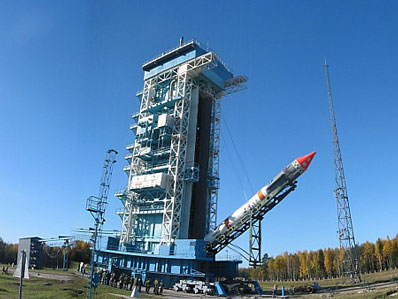
Launch Date
August 27, 1968
Launch Site
Launch Pad
LC41/15
Launch Vehicle
Kosmos 11K65
NORAD ID
03347
International Designator
1968-070A
Decay Date
3/4/1990
Name
COSMOS 236
Alternative Name
Kosmos-236
Type
Status
Owner
OKB10
Country
USSR
Constellation
N/A
Related Satellites
Major Events
N/A
Apologies, there is no summary for this satellite yet. I am working to generate these for every object in the catalog, but it is going to take time.
Length
3
Diameter
2
Span
3
Dry Mass
800
Launch Mass
800
Shape
Cyl
Radar Cross Section
7.7899
Visual Magnitude
Unknown
Color
Unknown
Material Composition
Unknown
Payload
Strela-2 No. 5L
Purpose
Unknown
Mission
Unknown
Manufacturer
OKB10
Life Expectancy
Unknown
Bus
Strela-2
Configuration
Unknown
Motor
Unknown
Equipment
Unknown
Power System
Unknown
ADCS
Unknown
Transmitter Frequency
Unknown
Learn more about satellites and other related topics.
Today's Space Brief covers the reentry of Firefly's Blue Ghost moon lander, a compelling study on space debris exacerbated by climate change, and new advancements from the Vera Rubin Observatory.
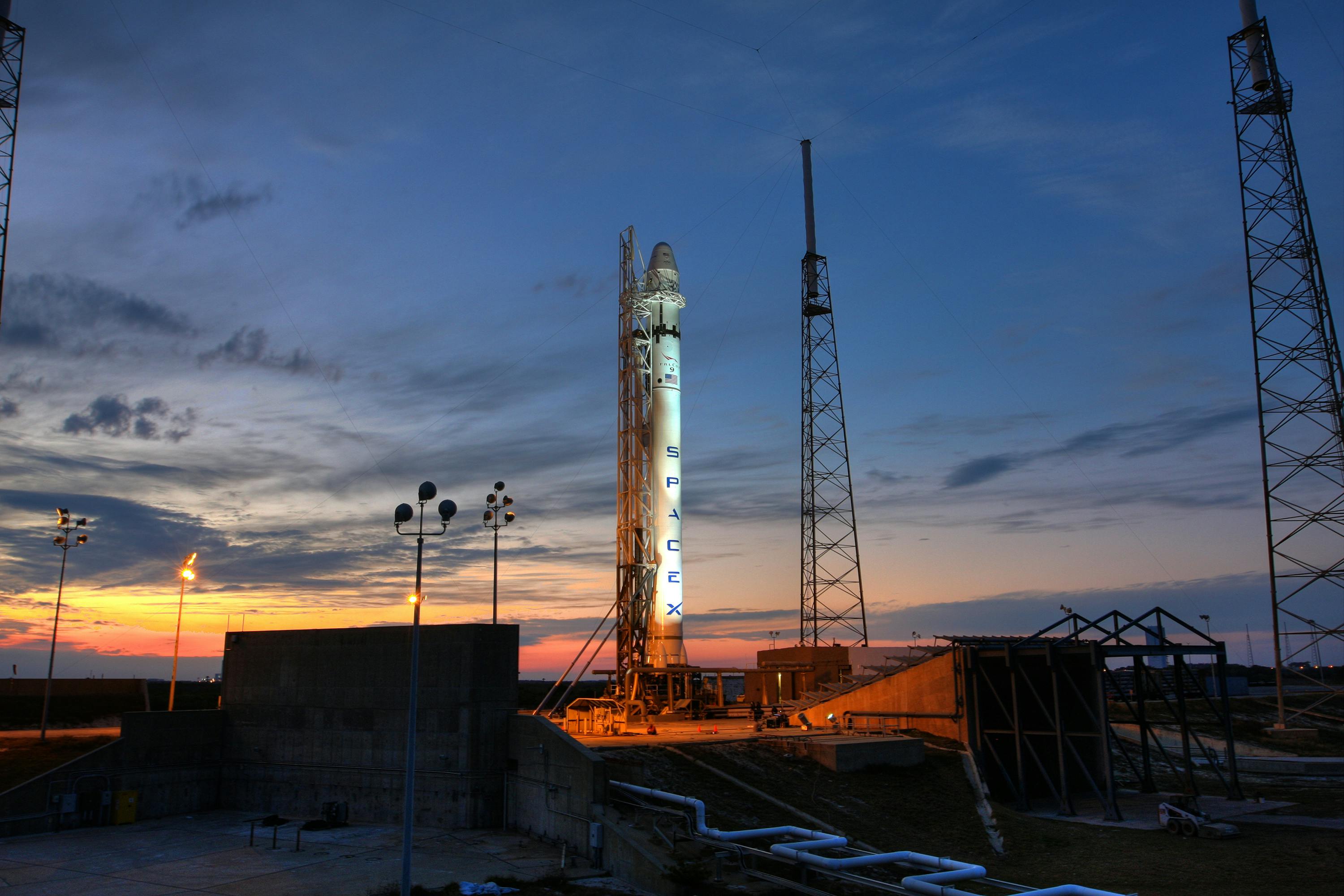
Booster B1067 sets a new Falcon 9 reuse record on its 36th flight, lifting Starlink 10-42 from Cape Canaveral at 5:25 a.m. EDT.

Today's brief highlights significant advancements in satellite launches, new defense contracts, and technological integrations between major firms in the space sector.

Starbase expansion progresses and Germany eyes its own satellite constellation.

SpaceX and Rocket Lab make headlines with simultaneous launches, while Musk's Starliner comments stir controversy.

SpaceX advances with new Starship engine tests and celebrates a festive launch at Vandenberg. Jared Isaacman's NASA nomination brings excitement and scrutiny.

Space Force awards $3.2 billion to 12 companies for Golden Dome boost-phase missile interceptor prototypes. Initial operational capability targeted for 2028.
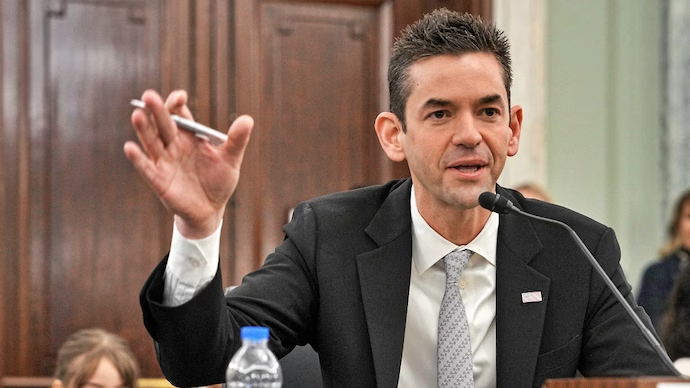
The White House wants to cut NASA's science budget nearly in half for the second year running. Administrator Jared Isaacman says it's enough. Congress already rejected this exact idea once.