

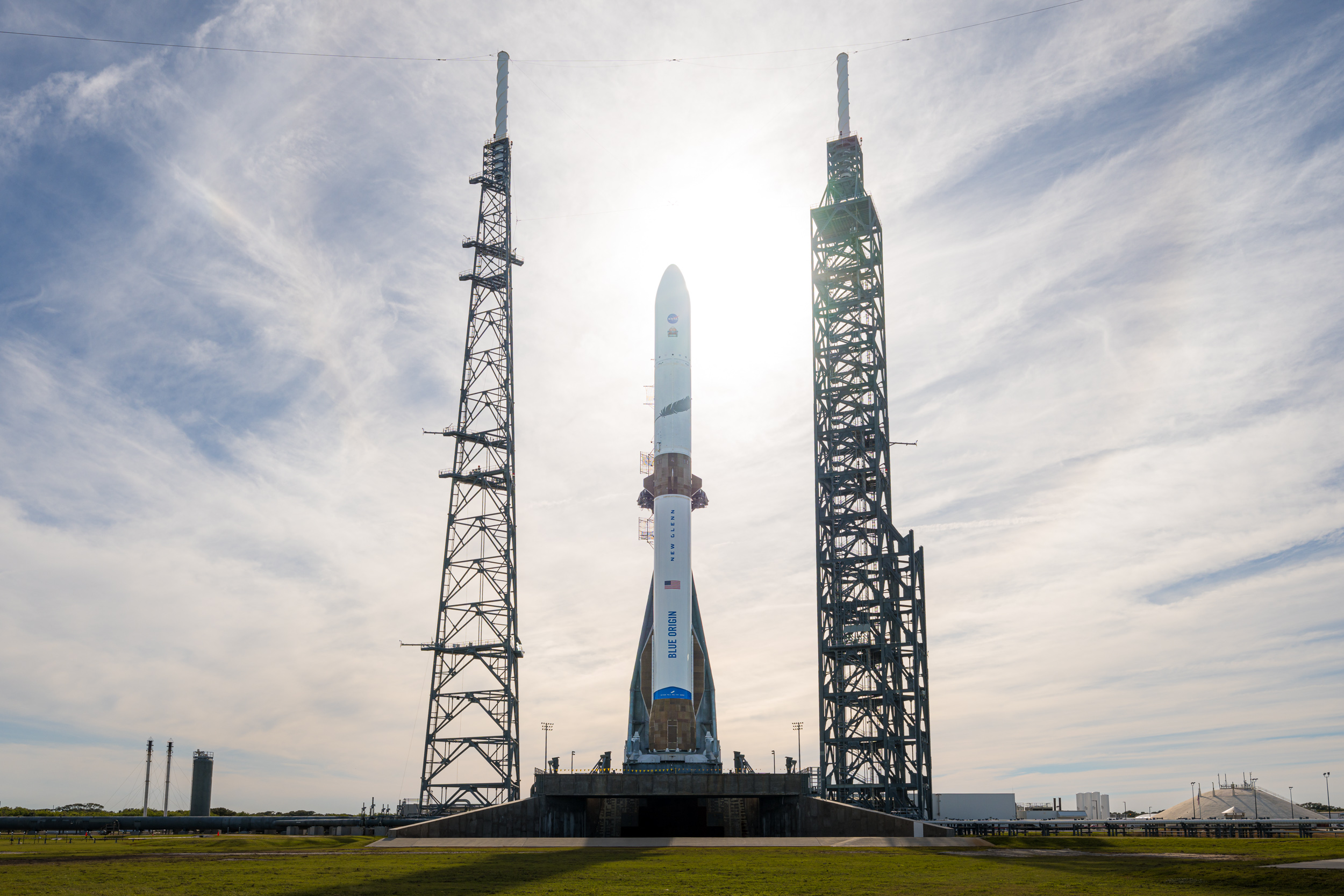
Artemis 2 Crew Returns After 50-Year Lunar Flyby | KeepTrack Space Brief
Artemis 2 astronauts completed first crewed lunar flyby since Apollo 17, traveling 690,000 miles aboard Orion. Four crew validated deep-space systems.


Launch Date
July 16, 1968
Launch Site
PLMSC
Launch Pad
LC41/1
Launch Vehicle
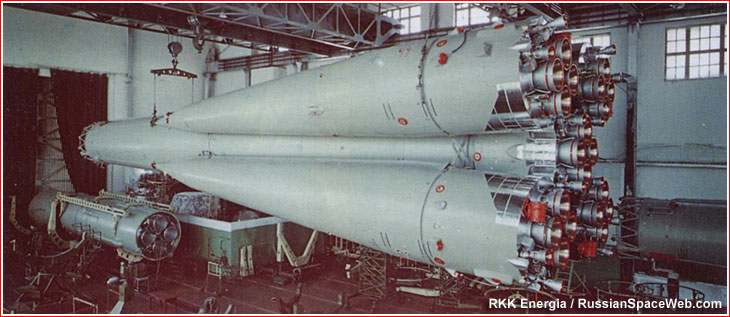
Voskhod 11A57
NORAD ID
03322
International Designator
1968-060A
Decay Date
7/24/1968
Name
COSMOS 232
Alternative Name
Kosmos-232
Type
Status
Owner
TSUKOS
Country
USSR
Constellation
N/A
Related Satellites
Major Events
N/A
Apologies, there is no summary for this satellite yet. I am working to generate these for every object in the catalog, but it is going to take time.
Length
6.5
Diameter
2.4
Span
6.5
Dry Mass
2200
Launch Mass
2200
Shape
Sphere + DCone
Radar Cross Section
Unknown
Visual Magnitude
Unknown
Color
Unknown
Material Composition
Unknown
Payload
Zenit-4 No. 47L
Purpose
Unknown
Mission
Unknown
Manufacturer
TSKBE3
Life Expectancy
Unknown
Bus
Zenit-4
Configuration
Unknown
Motor
Unknown
Equipment
Unknown
Power System
Unknown
ADCS
Unknown
Transmitter Frequency
Unknown
Learn more about satellites and other related topics.
Artemis 2 astronauts completed first crewed lunar flyby since Apollo 17, traveling 690,000 miles aboard Orion. Four crew validated deep-space systems.
Today's brief covers the latest in satellite technology contracts, China's rocket launch ambitions, and new launch authorizations paving the way for space exploration advancements.
SpaceX's 600th Falcon 9 booster landing coincides with a $175M NASA Mars contract win and the final GPS III satellite launch this week.

Today's space news highlights include the proposed budget expansion for the U.S. Space Force, a new CubeSat milestone for ESA's asteroid mission, and challenges with SpaceX's Starlink launch. Also, we celebrate the one-year anniversary of the Aries SN1 satellite in orbit.
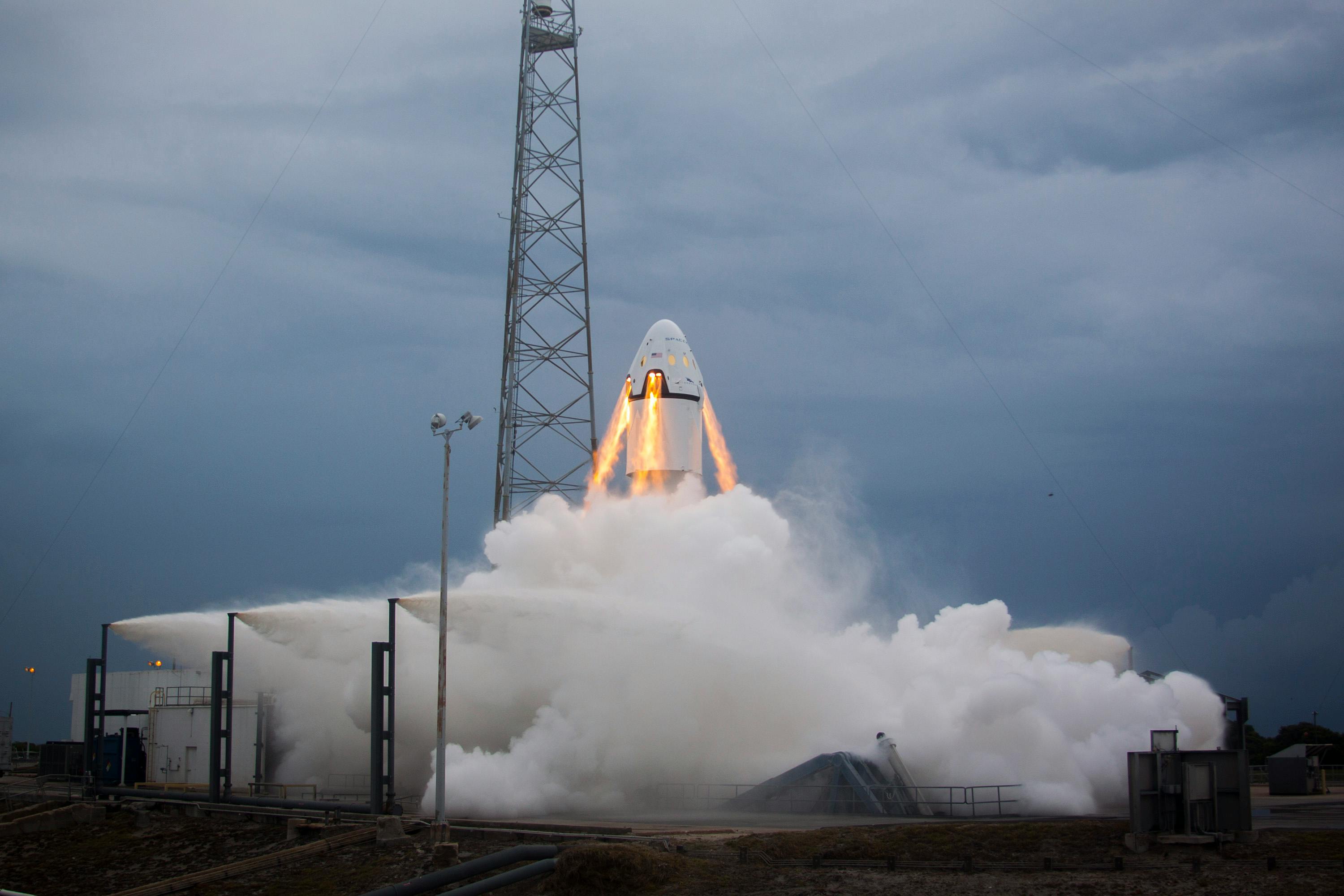
SpaceX targets a $75B IPO valuing the company at over $1.75 trillion, while Falcon 9 chases its 200th drone ship landing at Vandenberg.
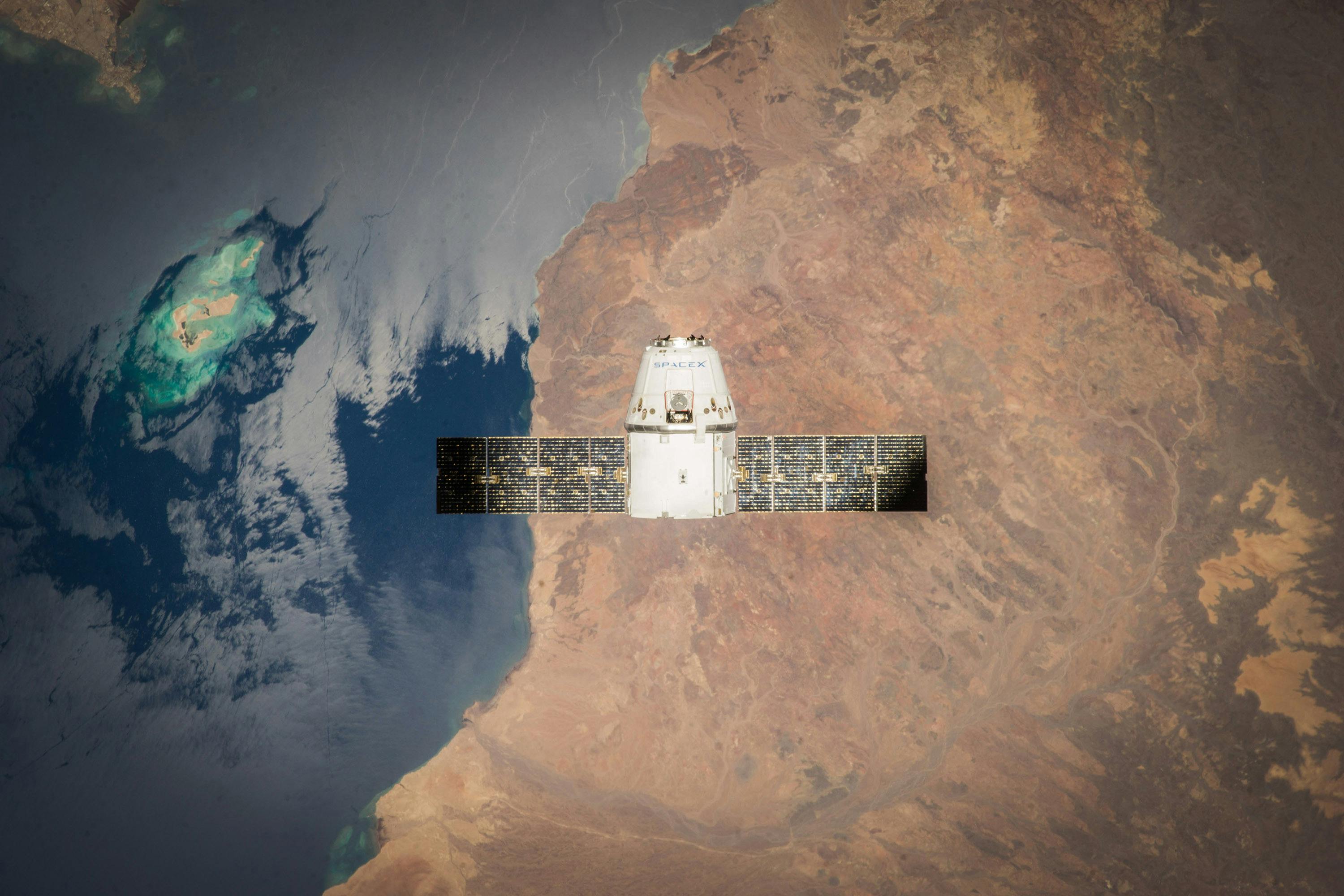
Wall Street analyst Dan Ives predicts a Tesla-SpaceX merger by 2027, while a quantum magnetometer launches March 30 on Falcon 9 rideshare.
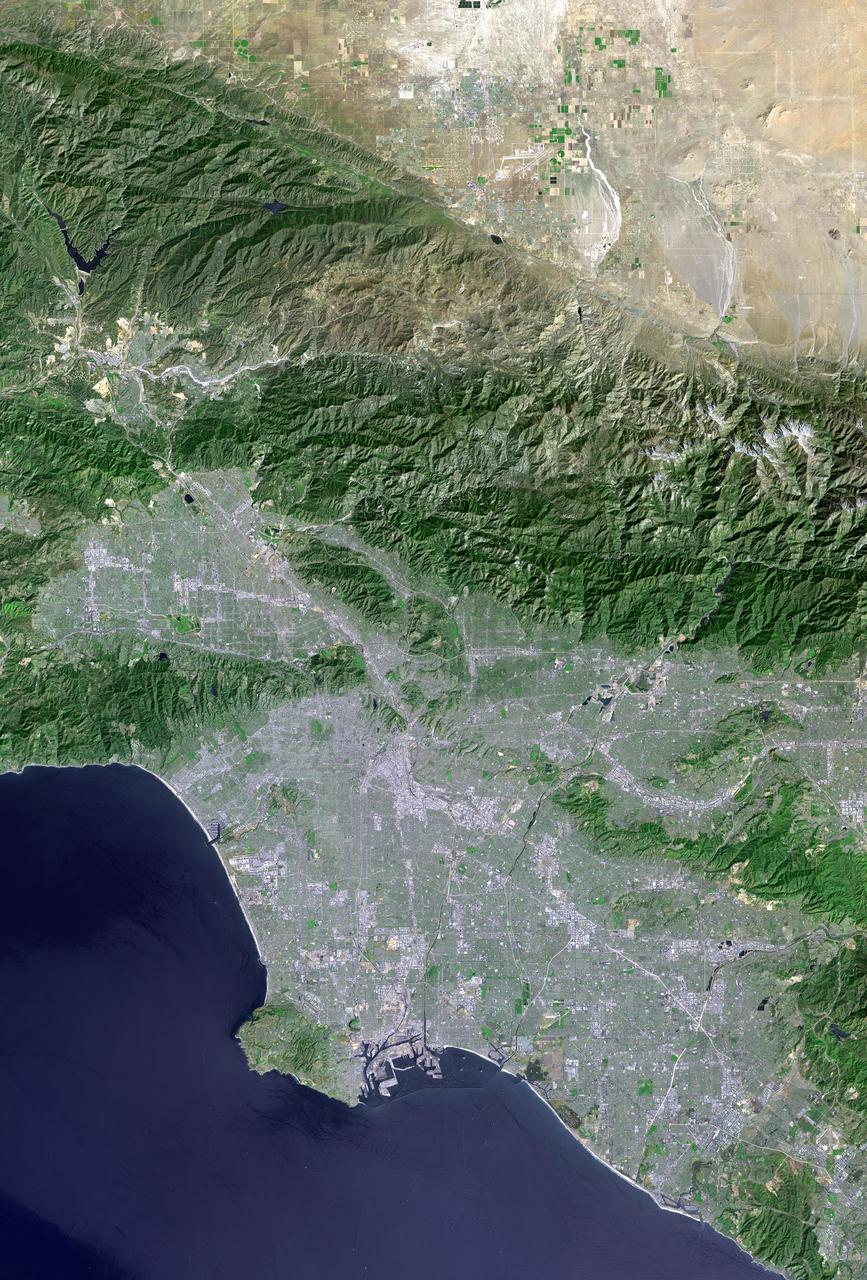
Landsat 7 launched on April 15, 1999, designed to last five years. It operated for twenty-five, survived a failure that destroyed a fifth of every image it took, and became part of the longest continuous record of Earth's surface ever assembled. Then they made the data free.
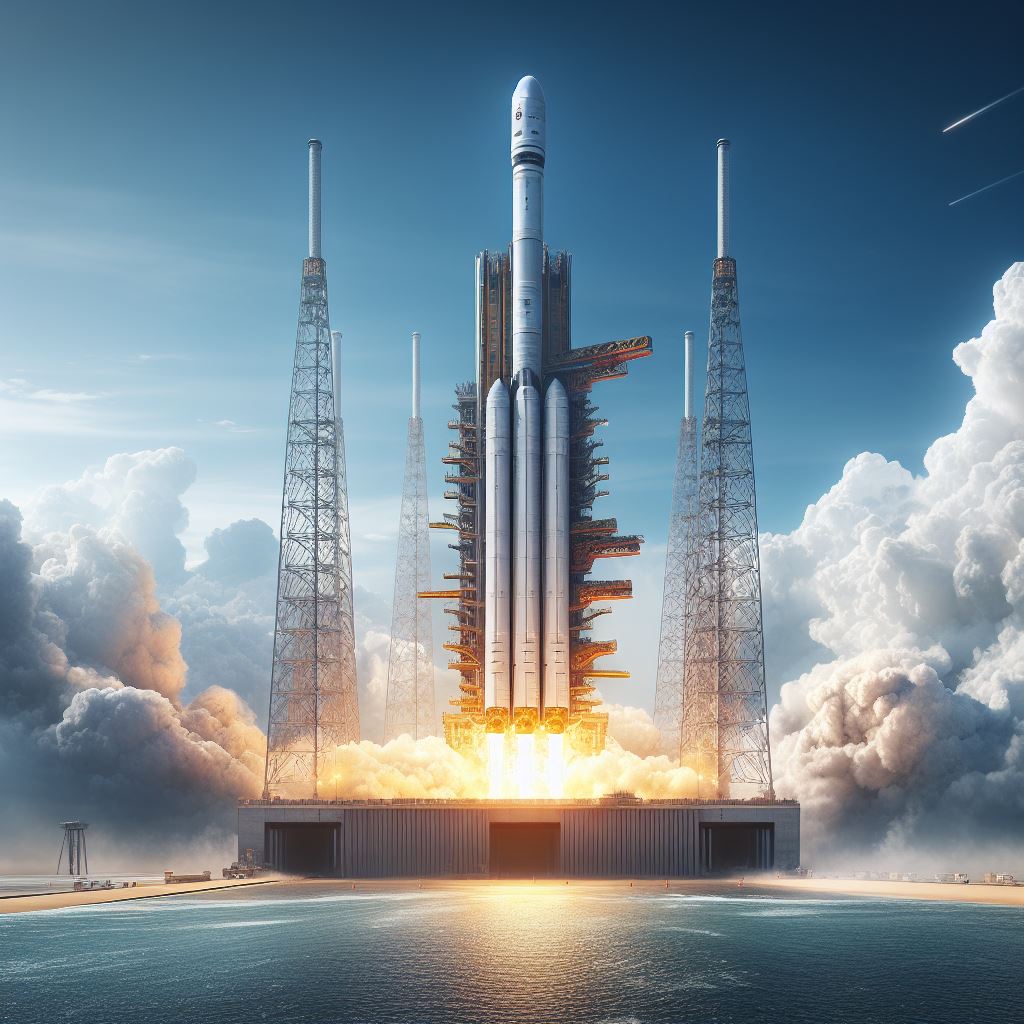
SpaceX delays the much-anticipated Falcon Heavy launch of the secretive X-37B military spaceplane, marking a significant moment in space exploration and military technology.