

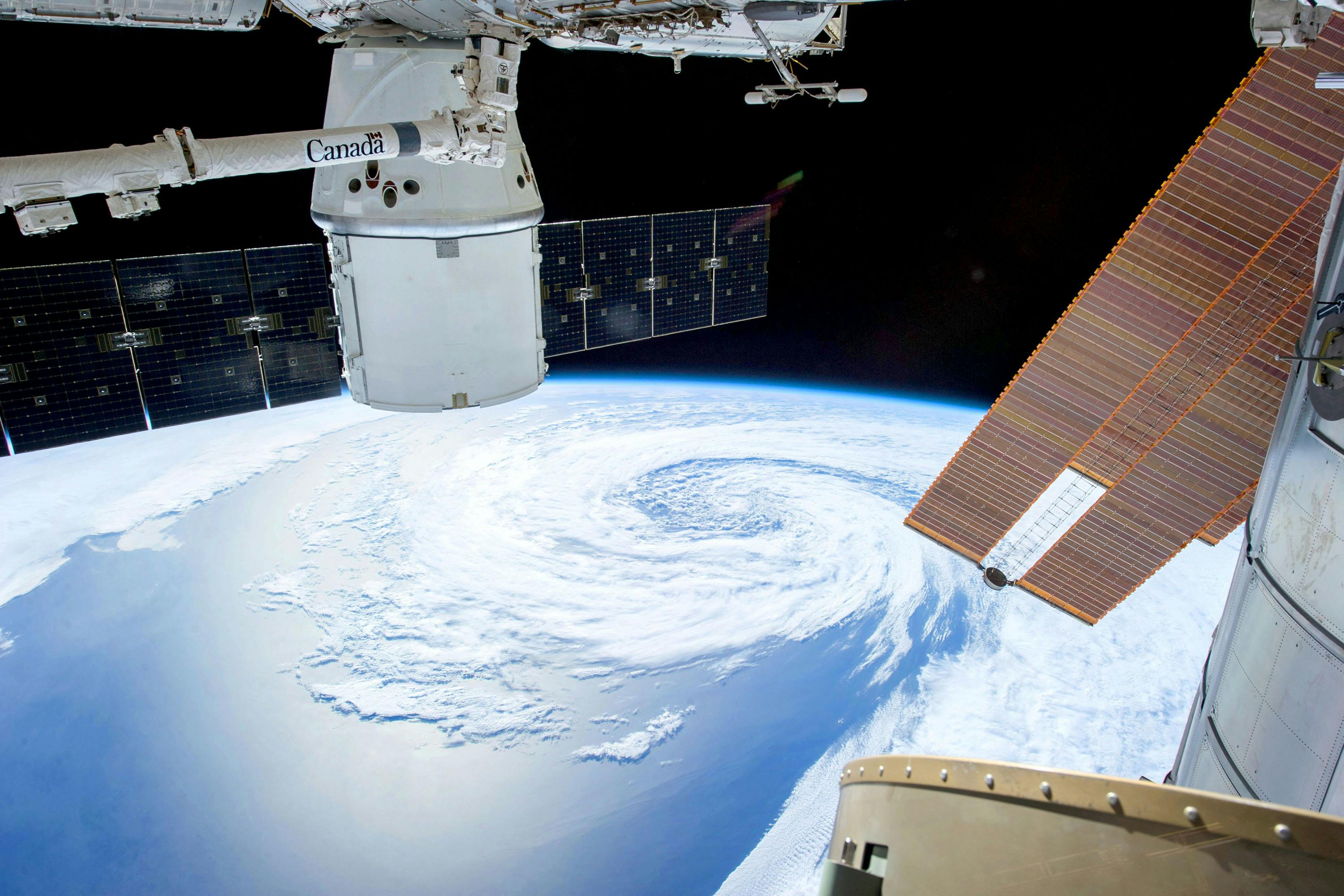
Starship V3 Targets April 2026 Debut, X Report 20 Mar 2026
Starship V3 targets an April 2026 debut, the ride for next-gen Starlink V3 satellites. Fleet stands at 10,062 working of 11,587 launched.


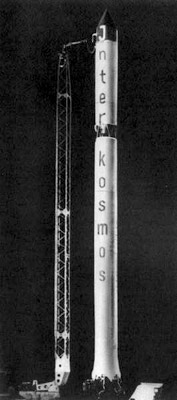
Launch Date
July 5, 1968
Launch Site
KYMSC
Launch Pad
LC86/4
Launch Vehicle
Kosmos 11K63
NORAD ID
03308
International Designator
1968-056A
Decay Date
11/2/1968
Name
COSMOS 230
Alternative Name
Kosmos-230
Type
Status
Owner
YUZH
Country
USSR
Constellation
N/A
Related Satellites
Major Events
N/A
Apologies, there is no summary for this satellite yet. I am working to generate these for every object in the catalog, but it is going to take time.
Length
2.6
Diameter
1.3
Span
2.9
Dry Mass
285
Launch Mass
285
Shape
Ell + 8 Pan
Radar Cross Section
Unknown
Visual Magnitude
Unknown
Color
Unknown
Material Composition
Unknown
Payload
DS-U3-S No. 2
Purpose
Unknown
Mission
Unknown
Manufacturer
YUZH
Life Expectancy
Unknown
Bus
DS-U3
Configuration
Unknown
Motor
Unknown
Equipment
Unknown
Power System
Unknown
ADCS
Unknown
Transmitter Frequency
Unknown
Learn more about satellites and other related topics.
Starship V3 targets an April 2026 debut, the ride for next-gen Starlink V3 satellites. Fleet stands at 10,062 working of 11,587 launched.
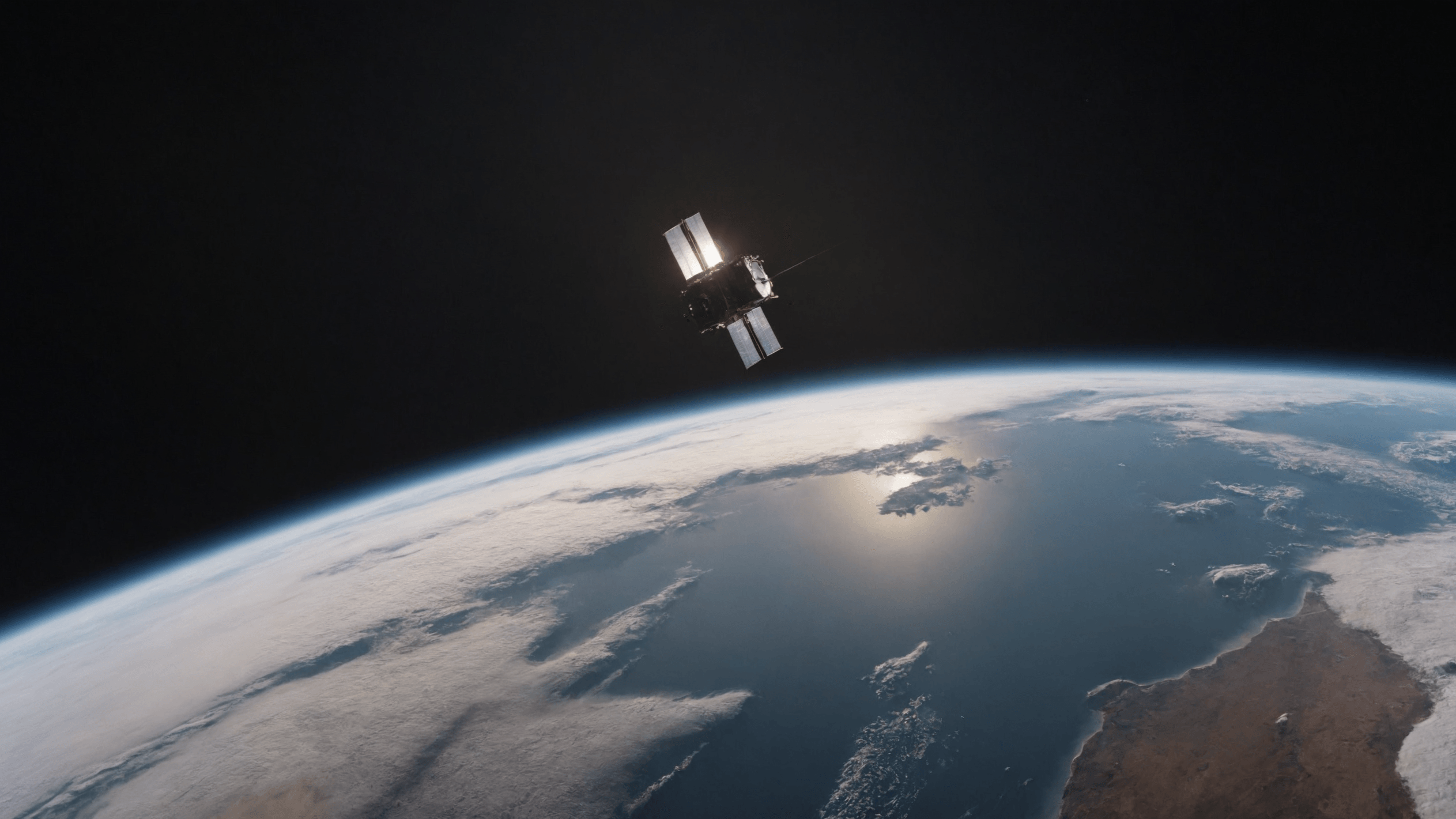
A Falcon 9 booster fails to land, increasing GPS and PNT significance for national security, and NASA's SLS mobile launch platform costs soar.
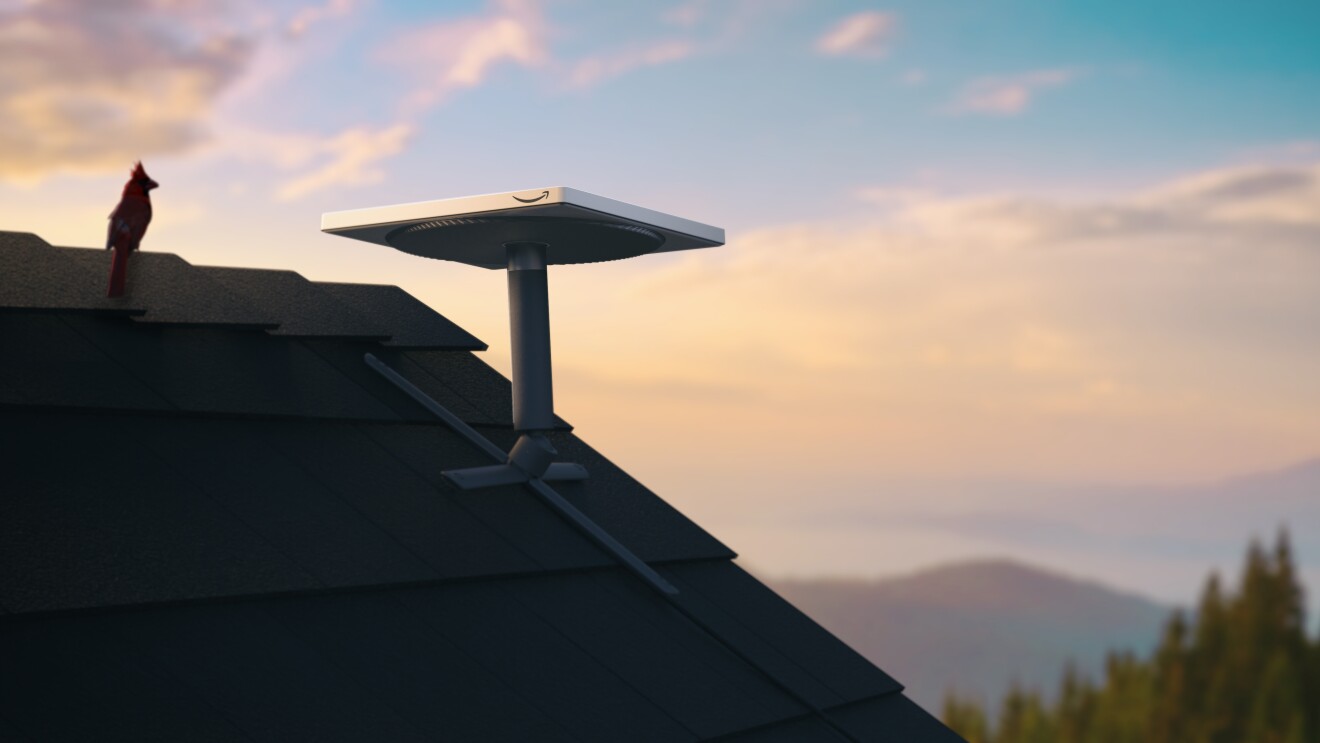
SpaceX launched three Block 2 BlueBird satellites for AST SpaceMobile from Cape Canaveral. Block 2 variants are larger with enhanced capacity compared to Block 1 units already in orbit.

SpaceX successfully launched 23 Starlink satellites on a brand-new Falcon 9 rocket, while preparations ramp up for Starship Flight 9 and a pioneering commercial docking mission approaches.

Today's briefing covers key developments in defense budgets reshaping the space sector, significant Space Force contracts, and the latest news from the Chinese space station.
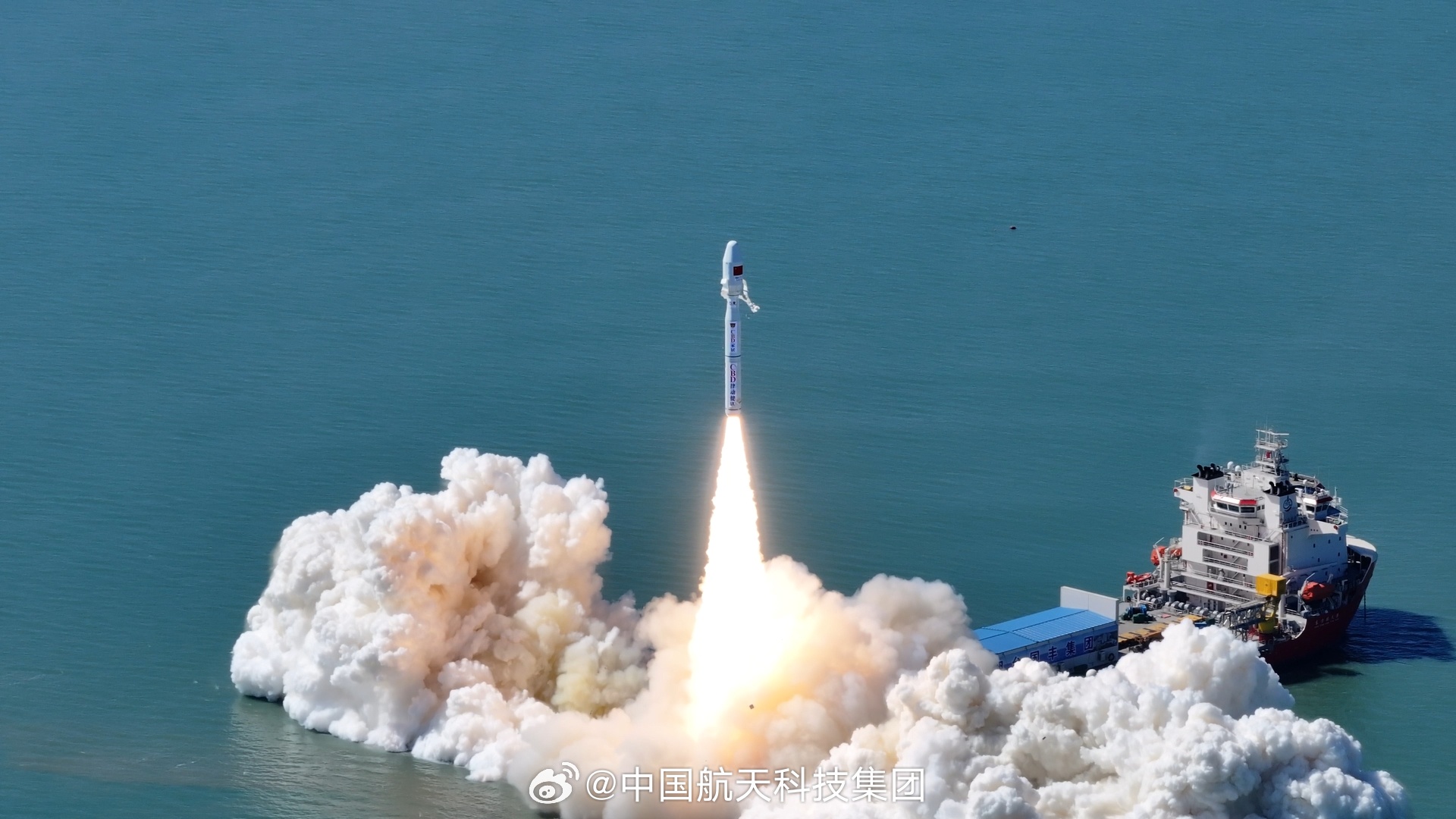
NASA delays first 2026 spacewalk due to ISS crew medical issue. Sierra Space completes SDA Tranche 2 satellite structures ahead of schedule. Space Force advances Handle 2.0 standardization.
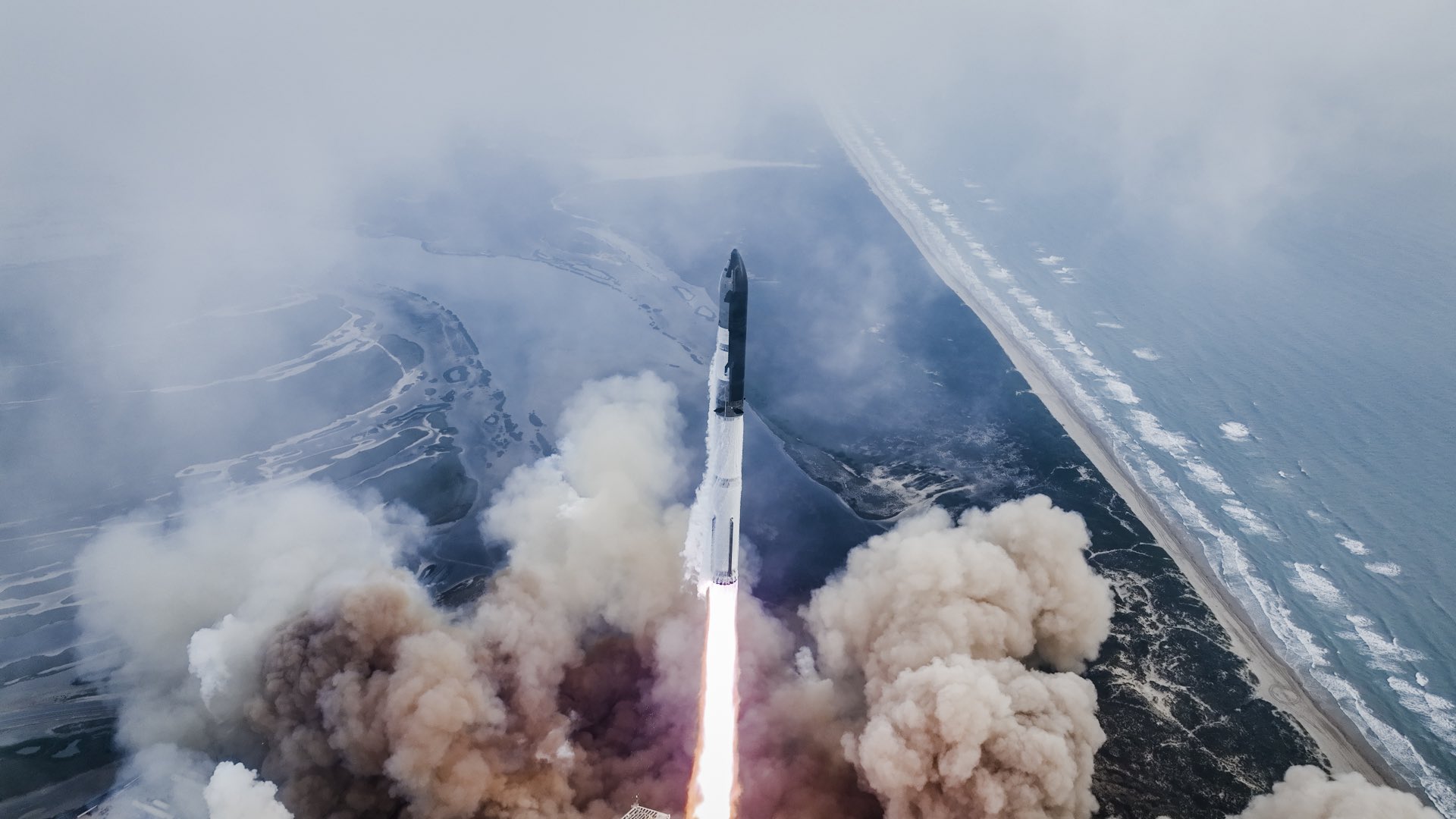
Today's edition covers China's latest launches in their classified satellite programs, ongoing discussions in the U.S. Senate on missile defense, and the ever-escalating space debris crisis threatening national security.

Discover the history and significance of Two-Line Element Sets (TLEs) in satellite tracking. Dive into their components, applications, and how they are evolving to meet future space challenges.