

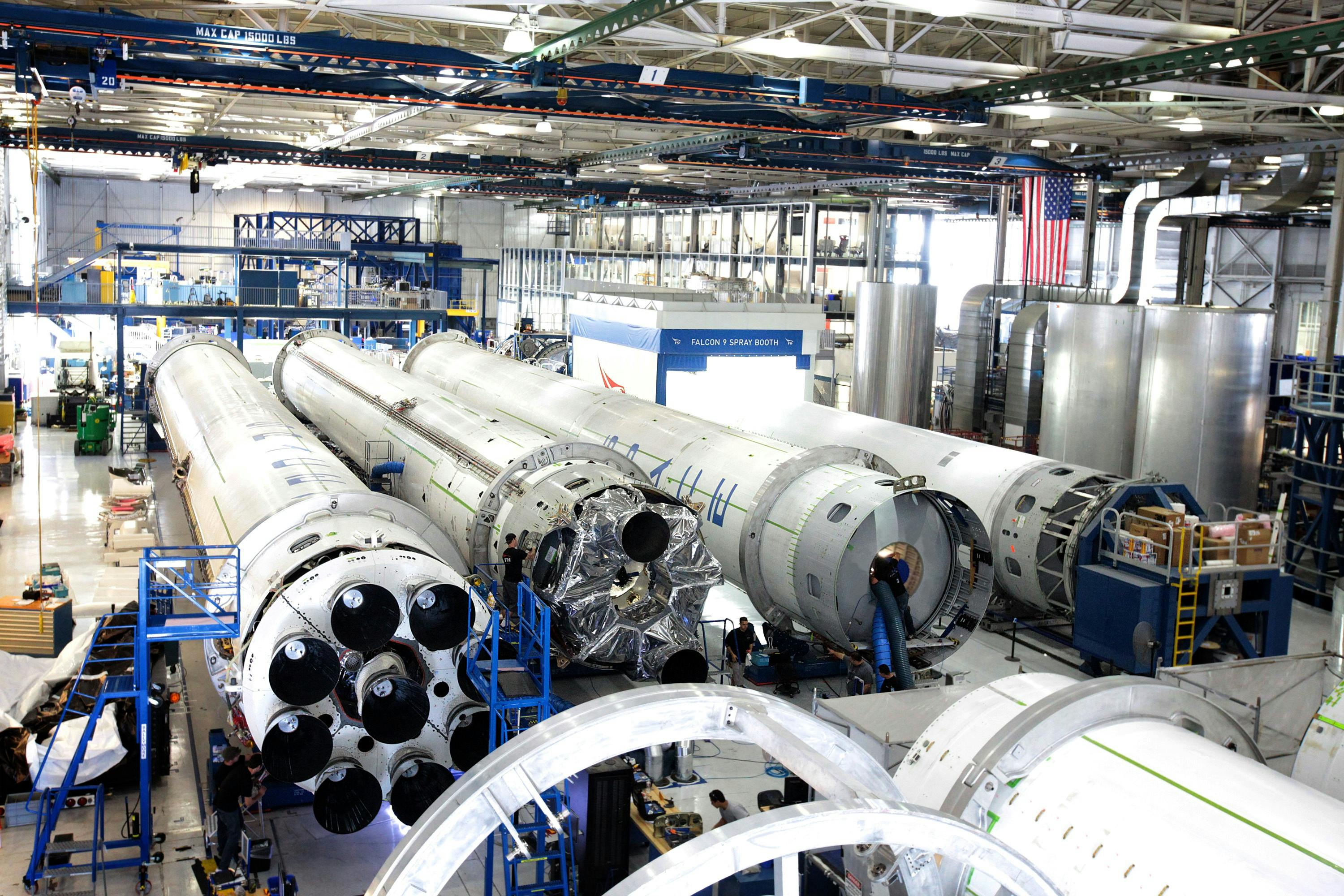
X Report 25 Dec 2024
SpaceX wraps up a record-breaking year with successful launches and advancements in Starlink mega-constellation.


Launch Date
April 26, 1968
Launch Site
KYMSC
Launch Pad
LC86/4
Launch Vehicle
Kosmos 11K63
NORAD ID
03227
International Designator
1968-038C
Decay Date
6/3/1968
Name
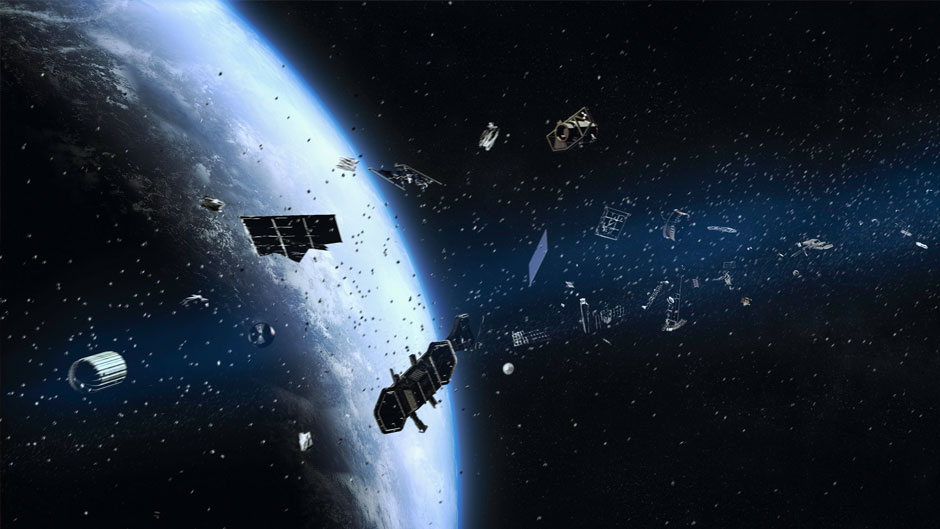
SL-7 DEB
Alternative Name
Kosmos-219 launch debris
Type
Status
Owner
TSUKOS
Country
USSR
Constellation
N/A
Related Satellites
Major Events
N/A
Length
0
Diameter
0
Span
0
Dry Mass
0
Launch Mass
0
Shape
N/A
Radar Cross Section
Unknown
Visual Magnitude
Unknown
Color
Unknown
Material Composition
Unknown
Payload
Unknown
Purpose
Unknown
Mission
Unknown
Manufacturer
Unknown
Life Expectancy
Unknown
Bus
Unknown
Configuration
Unknown
Motor
Unknown
Equipment
Unknown
Power System
Unknown
ADCS
Unknown
Transmitter Frequency
Unknown
Learn more about satellites and other related topics.
SpaceX wraps up a record-breaking year with successful launches and advancements in Starlink mega-constellation.

Sentinel-2C sealed in Vega rocket fairing, ULA sale tidbit, Polaris Dawn mission updates, Norway's Andøya Spaceport ready for action, Harris commits to space leadership, NASA's latest smallsat launch partners, new members join NASA composite initiative, Mynaric's manufacturing hiccups, Rocket Factory Augsburg's turbopump snag, and Amazon boosts satellite deployment infrastructure.
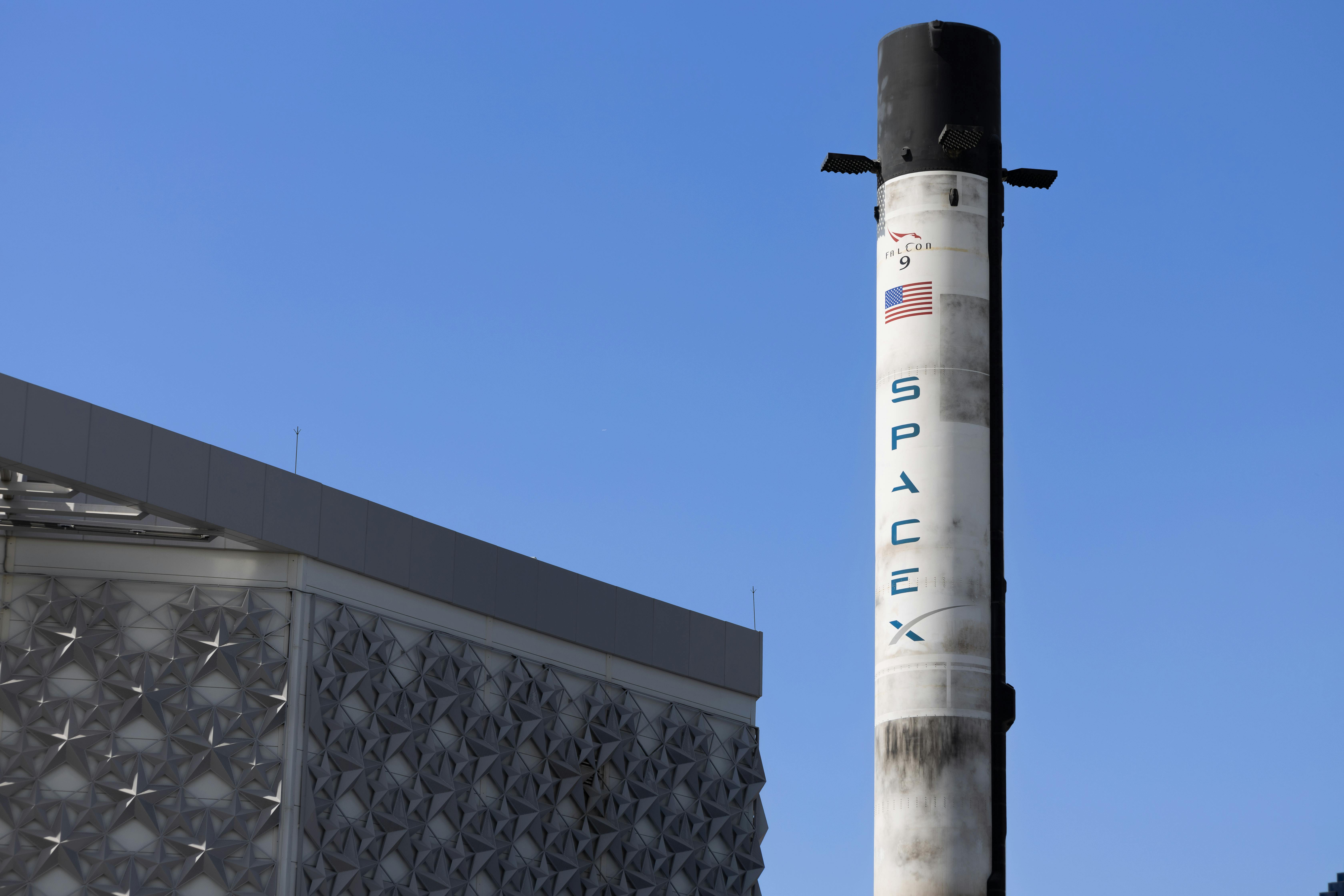
SpaceX celebrates 600th Falcon 9 launch from Vandenberg. Predawn President's Day Starlink mission marks 10th Cape Canaveral launch of 2026. ISS crew boosted back to seven.

Starlink constellation size in March 2026: 9,996 satellites in orbit and 9,986 working from 11,504 launched, as SpaceX deorbits legacy V1.0 hardware.
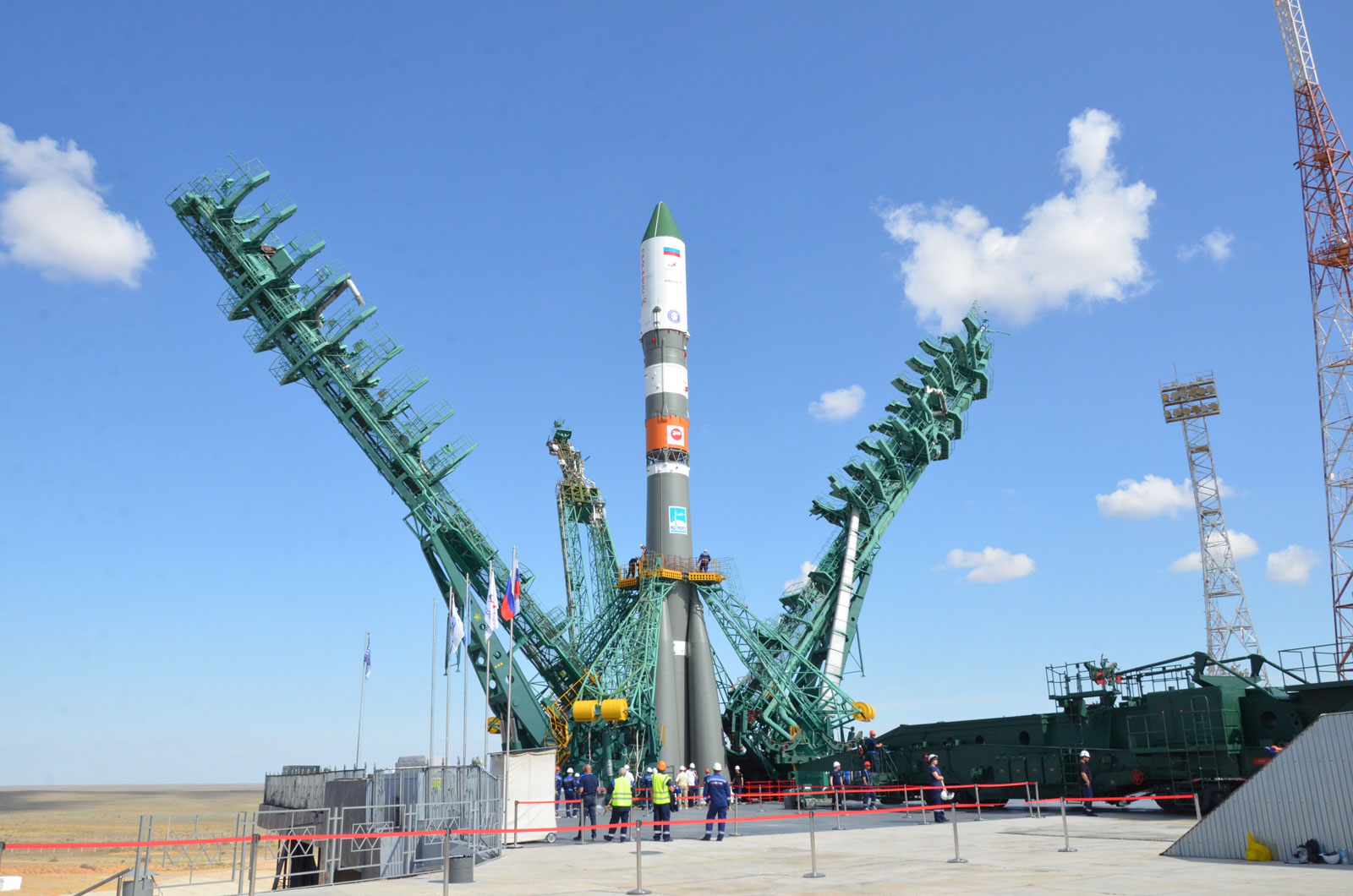
Today's highlights include a record-breaking event at the International Space Station, significant funding for hypersonic missile production, and several key military developments impacting space strategy.

SpaceX secures FCC nod for Starlink's direct-to-phone connectivity, lands NASA's Dragonfly mission, and sees new competition with the ZhuQue-2E launch.

ULA Vulcan faces scrutiny after solid booster anomaly on USSF-87 mission. ThinKom wins portable satellite ground station contract. Space Force starts Project Hecate for GPS past 2040.
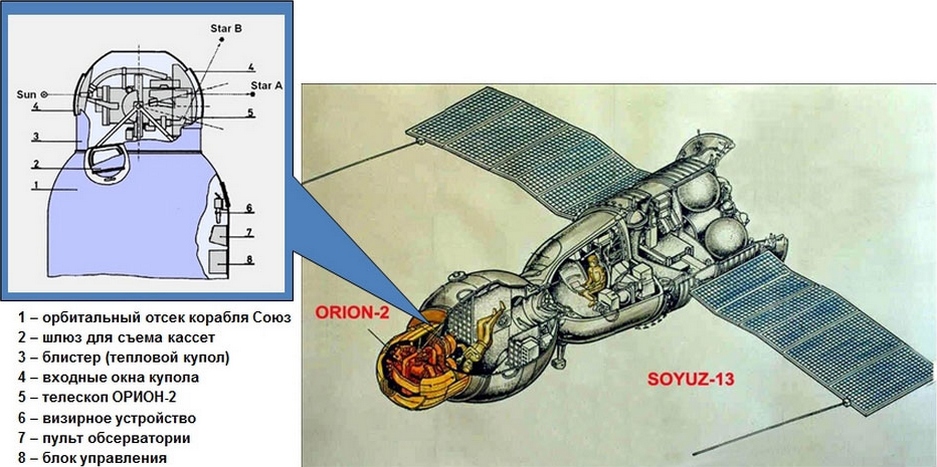
Exactly 52 years ago today, the Soviet Union launched Soyuz 13 - a scientific mission that marked the first time American astronauts and Soviet cosmonauts orbited Earth simultaneously. Armed with a revolutionary ultraviolet telescope, Pyotr Klimuk and Valentin Lebedev would discover elements never before seen in distant nebulae.