

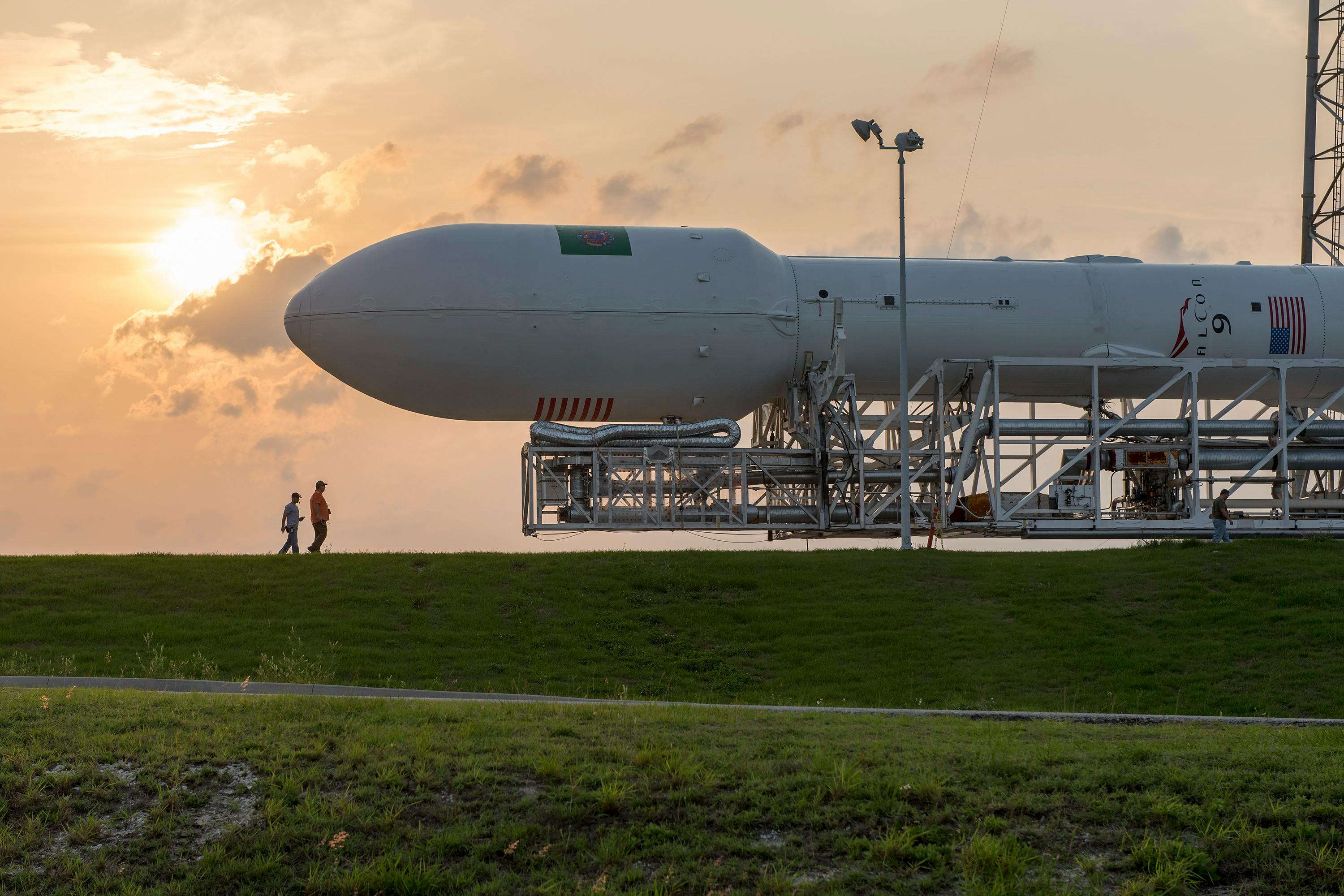
Space Brief 24 Oct 2024
Today's Space Brief highlights SpaceX Crew-8's return, Intelsat-33e satellite breakup, SpaceX's upcoming Starship tests, and notable launches including China's new mega-constellation.


Launch Date
October 28, 1966
Launch Site
AFWTR
Launch Pad
SLC5
Launch Vehicle
Scout B
NORAD ID
02519
International Designator
1966-097B
Decay Date
1/28/1970
Name
SCOUT B R/B
Alternative Name
Scout S150C Stage 4
Type
Status
Owner
LARCN
Country
United States
Constellation
N/A
Related Satellites
Major Events
N/A
Length
1.5
Diameter
0.5
Span
1.5
Dry Mass
47
Launch Mass
47
Shape
Cyl
Radar Cross Section
Unknown
Visual Magnitude
Unknown
Color
Unknown
Material Composition
Unknown
Payload
FW4S S/N 30201
Purpose
Unknown
Mission
Unknown
Manufacturer
UTC
Life Expectancy
Unknown
Bus
FW4
Configuration
Unknown
Motor
Unknown
Equipment
Unknown
Power System
Unknown
ADCS
Unknown
Transmitter Frequency
Unknown
Learn more about satellites and other related topics.
Today's Space Brief highlights SpaceX Crew-8's return, Intelsat-33e satellite breakup, SpaceX's upcoming Starship tests, and notable launches including China's new mega-constellation.

SpaceX wraps up the year with significant launches, including a record-setting Astranis deployment and Starlink missions signaling the year's end.

Rocket Lab Neutron's first launch is targeted for Q4 2026 after a tank test failure, backed by a new 5-launch deal. Plus Globalstar's 1,410 km refresh.
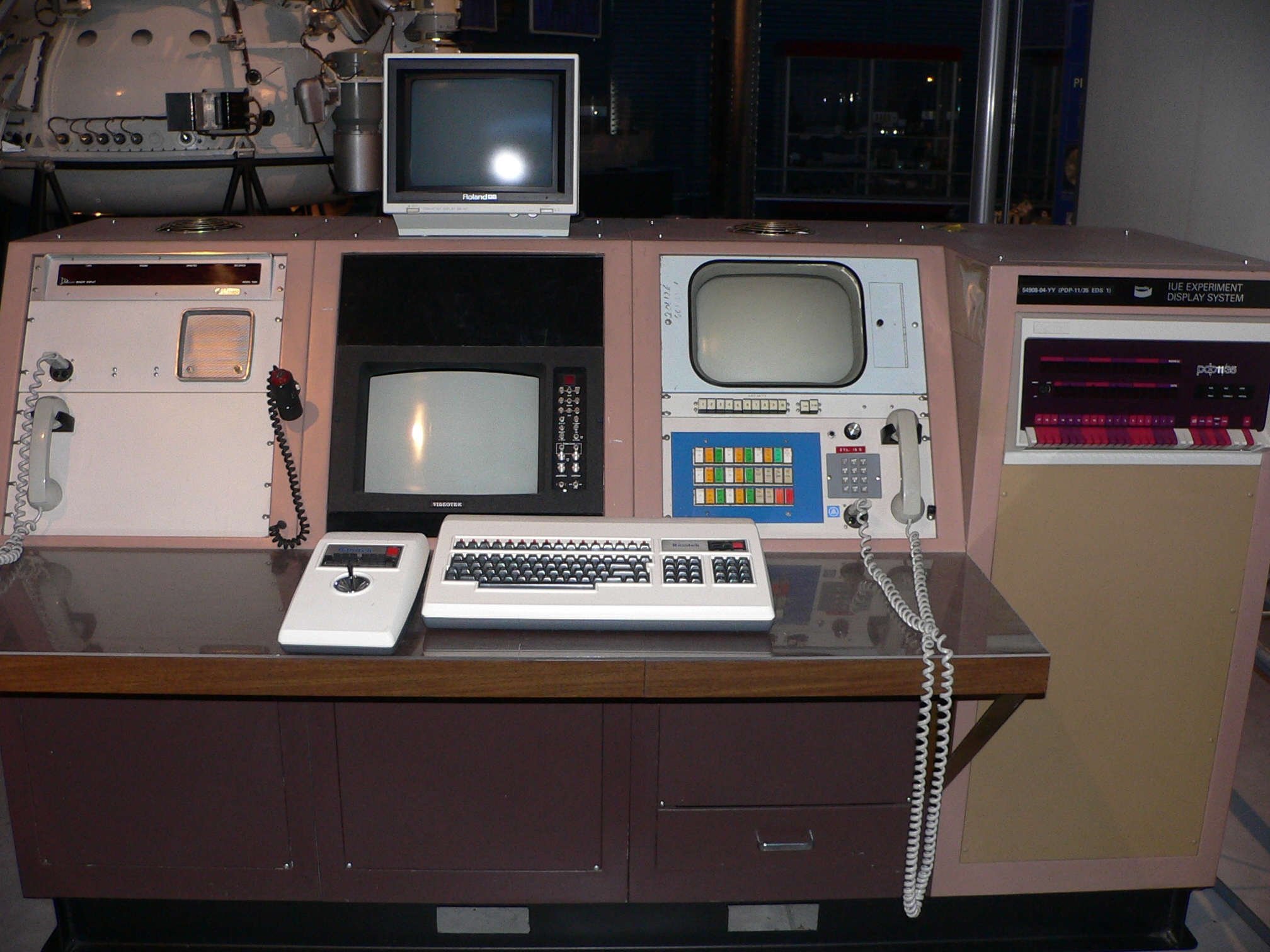
Forty-seven years ago, a revolutionary space telescope changed our view of the cosmos, pioneering international cooperation in space-based astronomy

Today's highlights include Rocket Lab's progress on the Space Force's VICTUS HAZE mission, BlackSky's new government contract, and AEI's policy recommendations for Space Force restructuring.
SpaceX faces challenges with a Falcon 9 reentry issue, while continuing to expand its Starlink constellation with new launches.
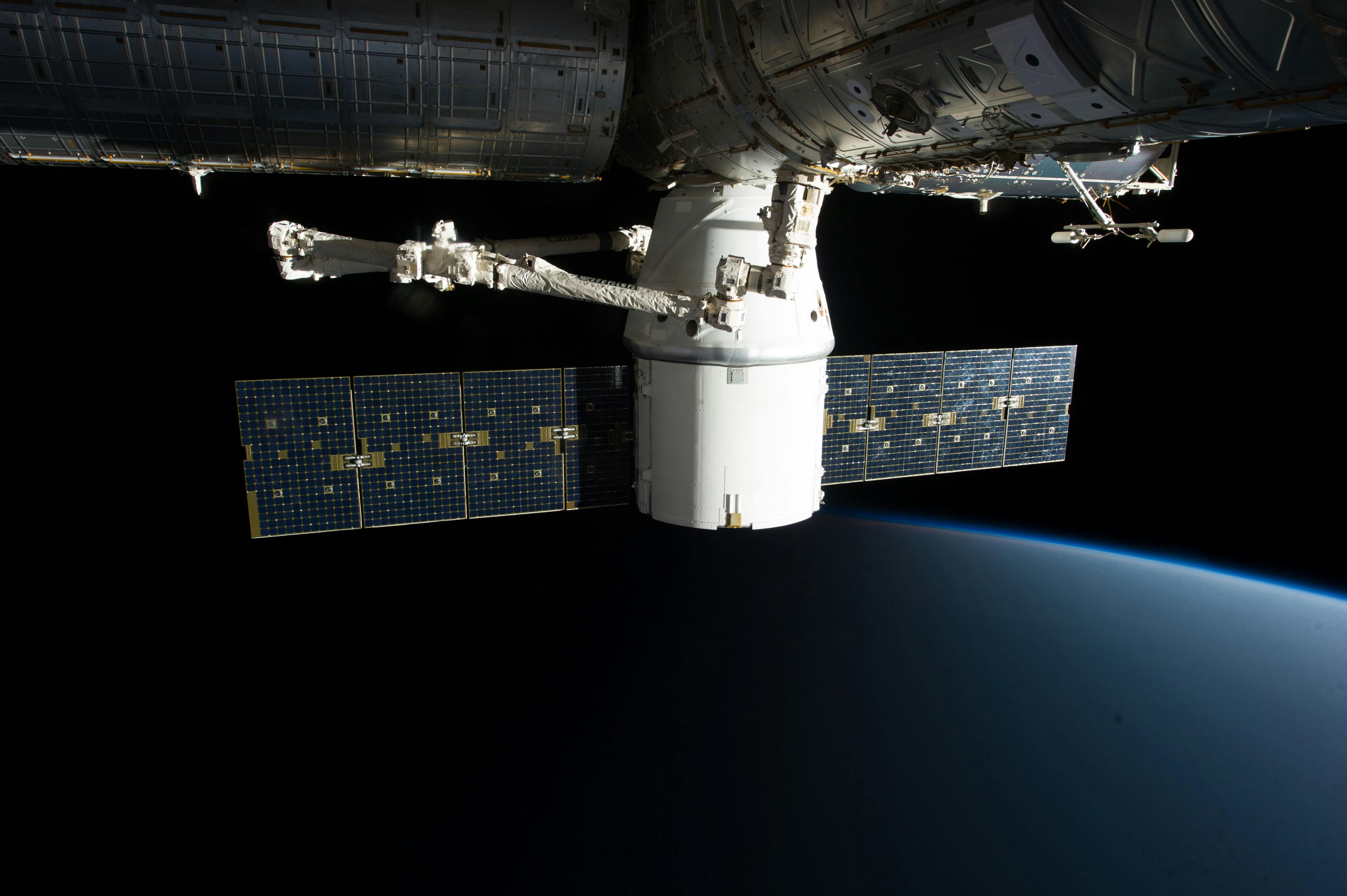
SpaceX and NASA swap Crew Dragon for Crew-10 mission; exciting 'space jellyfish' phenomena from recent launch.
Three Chinese rocket bodies have exploded over four years, creating debris clouds that will linger for decades to centuries, according to LeoLabs analysis. Fragmentation events threaten commercial and military operators.