


Orion Crew Returns After Historic Lunar Mission | KeepTrack Space Brief
Artemis 2's four-person crew splashed down April 10 after first crewed lunar flyby since Apollo 17. Orion performance data critical for Artemis 3 south pole landing planning.



Launch Date
September 17, 1966
Launch Site
Launch Pad
Unknown
Launch Vehicle
Unknown
NORAD ID
02452
International Designator
N/A
Decay Date
10/22/1966
Name
CIS UNKNOWN 1 DEB
Alternative Name
deb OGCh
Type
Status
Owner
RVSN
Country
USSR
Constellation
N/A
Related Satellites
Major Events
N/A
Length
0
Diameter
0
Span
0
Dry Mass
0
Launch Mass
0
Shape
N/A
Radar Cross Section
Unknown
Visual Magnitude
Unknown
Color
Unknown
Material Composition
Unknown
Payload
Unknown
Purpose
Unknown
Mission
Unknown
Manufacturer
Unknown
Life Expectancy
Unknown
Bus
Unknown
Configuration
Unknown
Motor
Unknown
Equipment
Unknown
Power System
Unknown
ADCS
Unknown
Transmitter Frequency
Unknown
Learn more about satellites and other related topics.
Artemis 2's four-person crew splashed down April 10 after first crewed lunar flyby since Apollo 17. Orion performance data critical for Artemis 3 south pole landing planning.
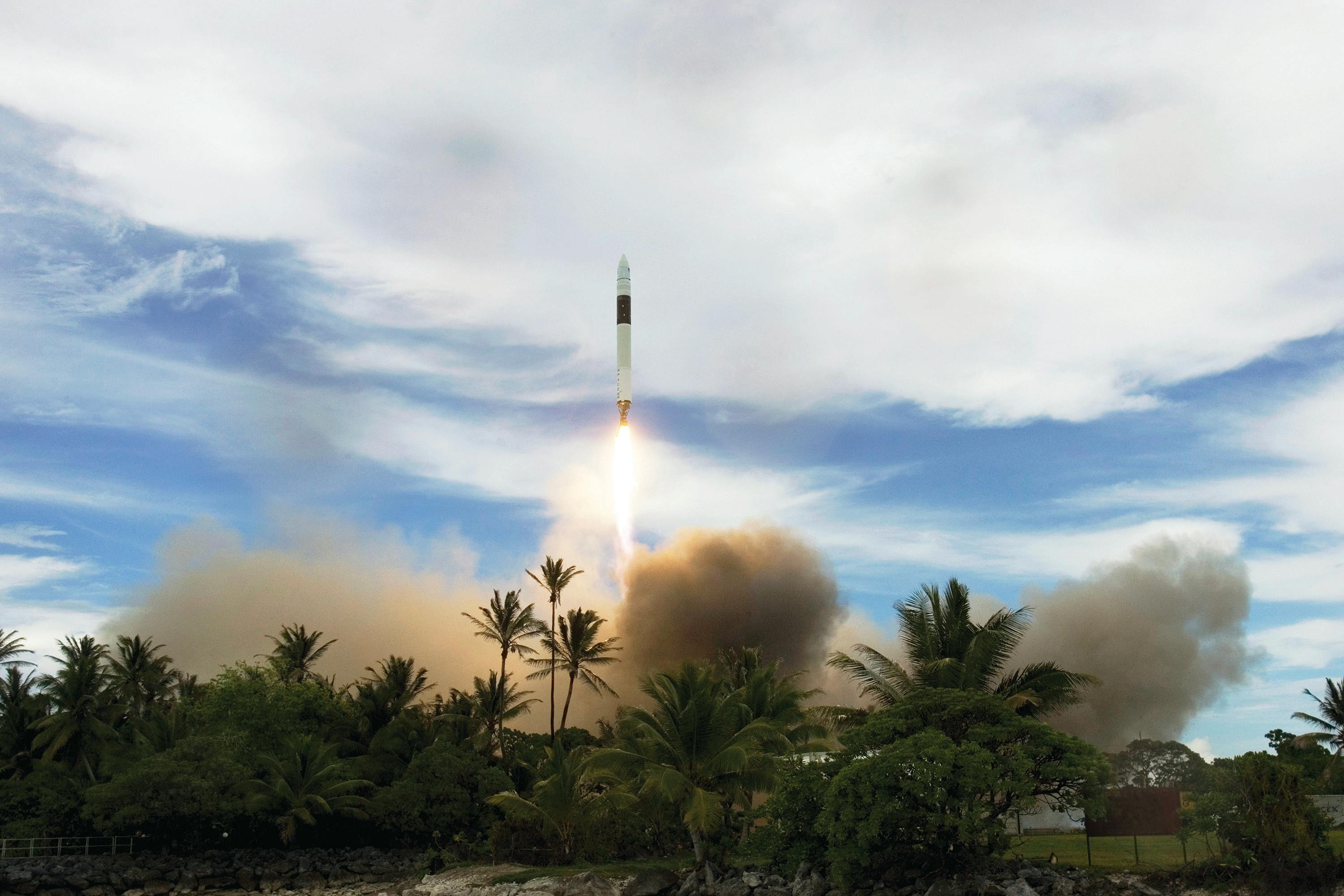
Starship transport barge identified for shipping components from Starbase to Kennedy Space Center. Starlink's 2025 report shows 4.6M new customers and expansion to 35 new regions.

Today's key space events include a milestone Falcon booster landing, advances in US military satellite operations, and a new missile defense initiative.

Key highlights on China's reusable rocket developments, U.S. military's Tranche 1 satellite launch, Space Force's weapons acquisition strategies, and more.
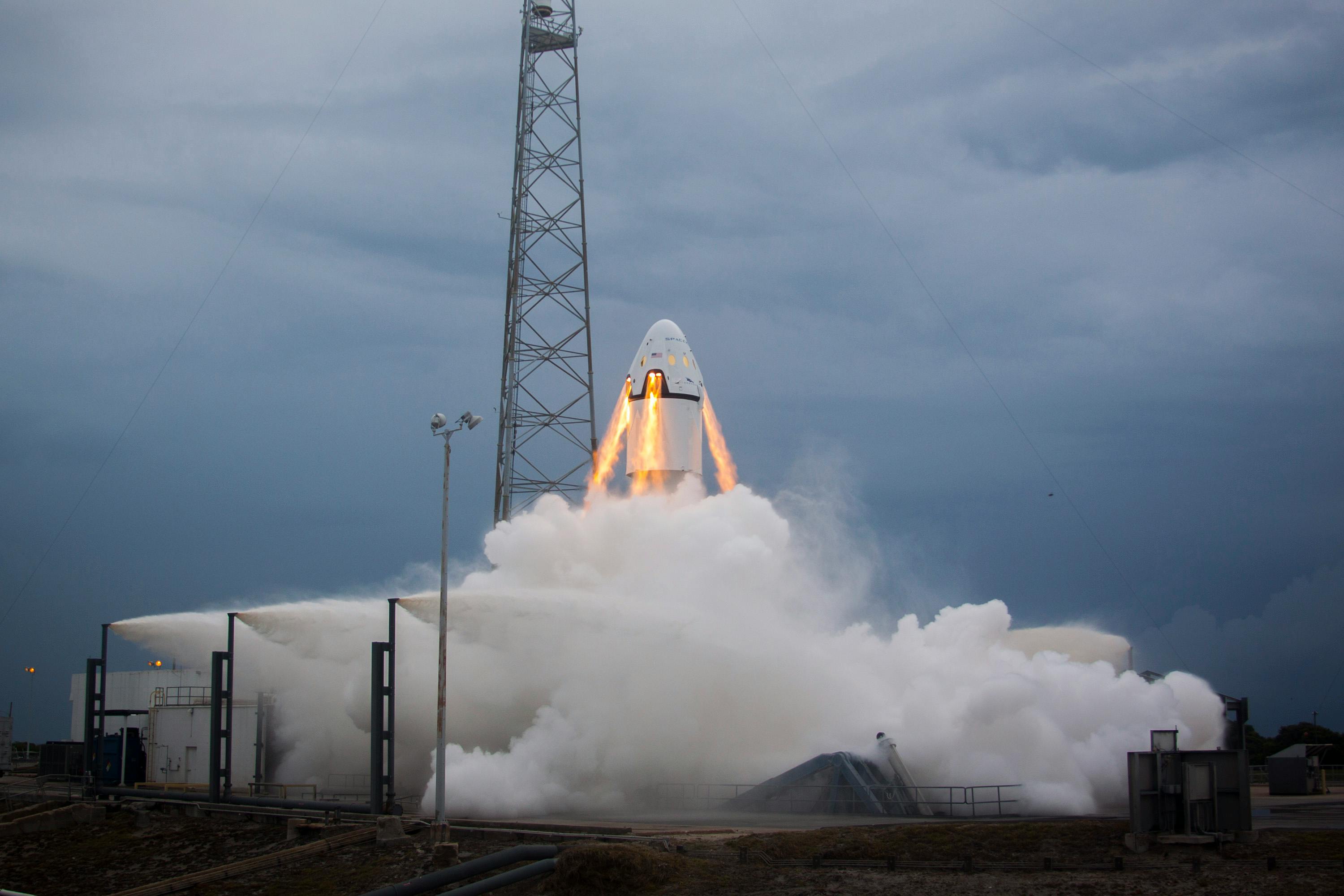
SpaceX successfully launched 28 Starlink satellites while returning to form with Starship testing at Starbase. Meanwhile, preparations for upcoming launches are underway.
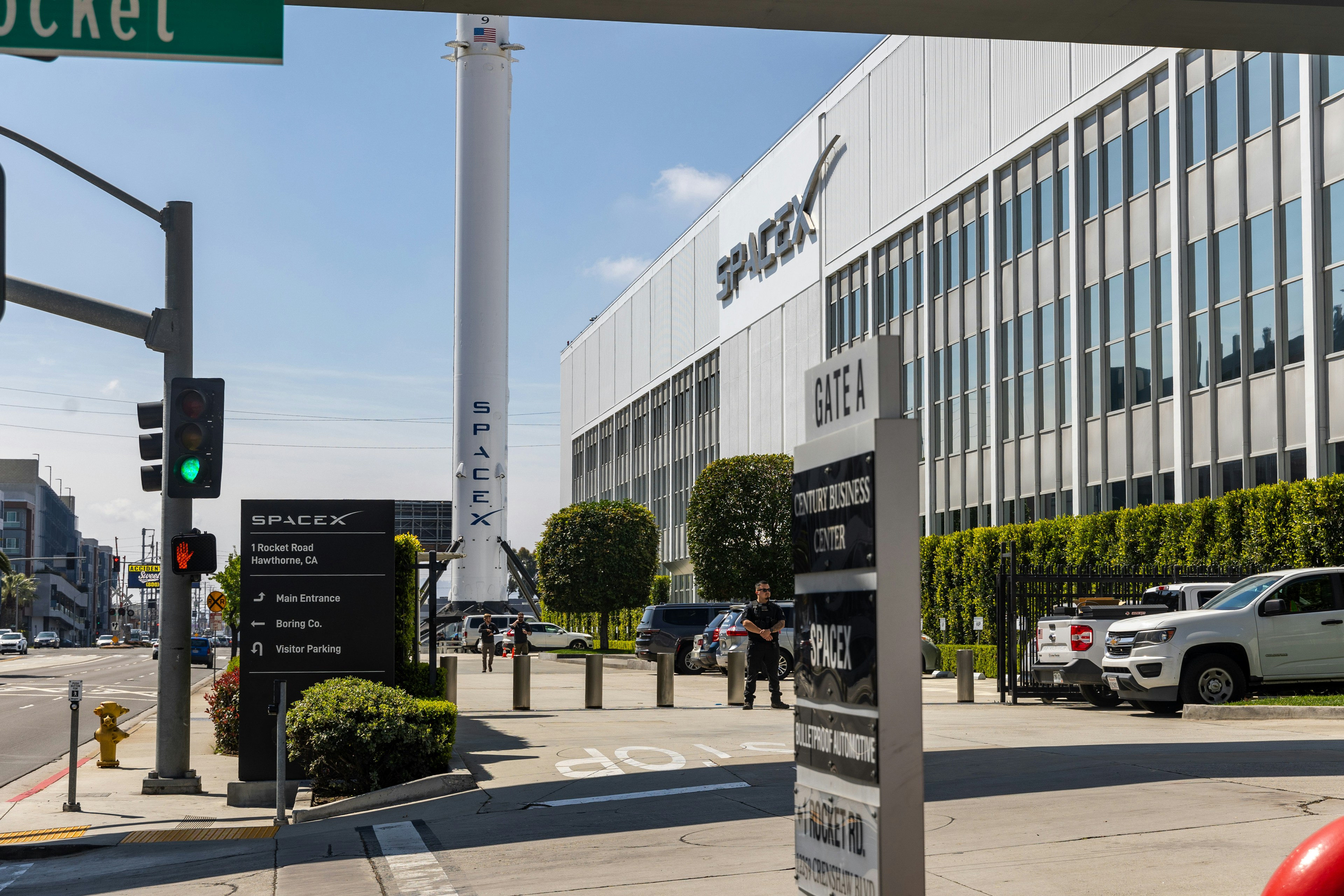
SpaceX successfully launched 24 Starlink satellites from California while investigations begin on a possible Starship salvage operation near Mexico.
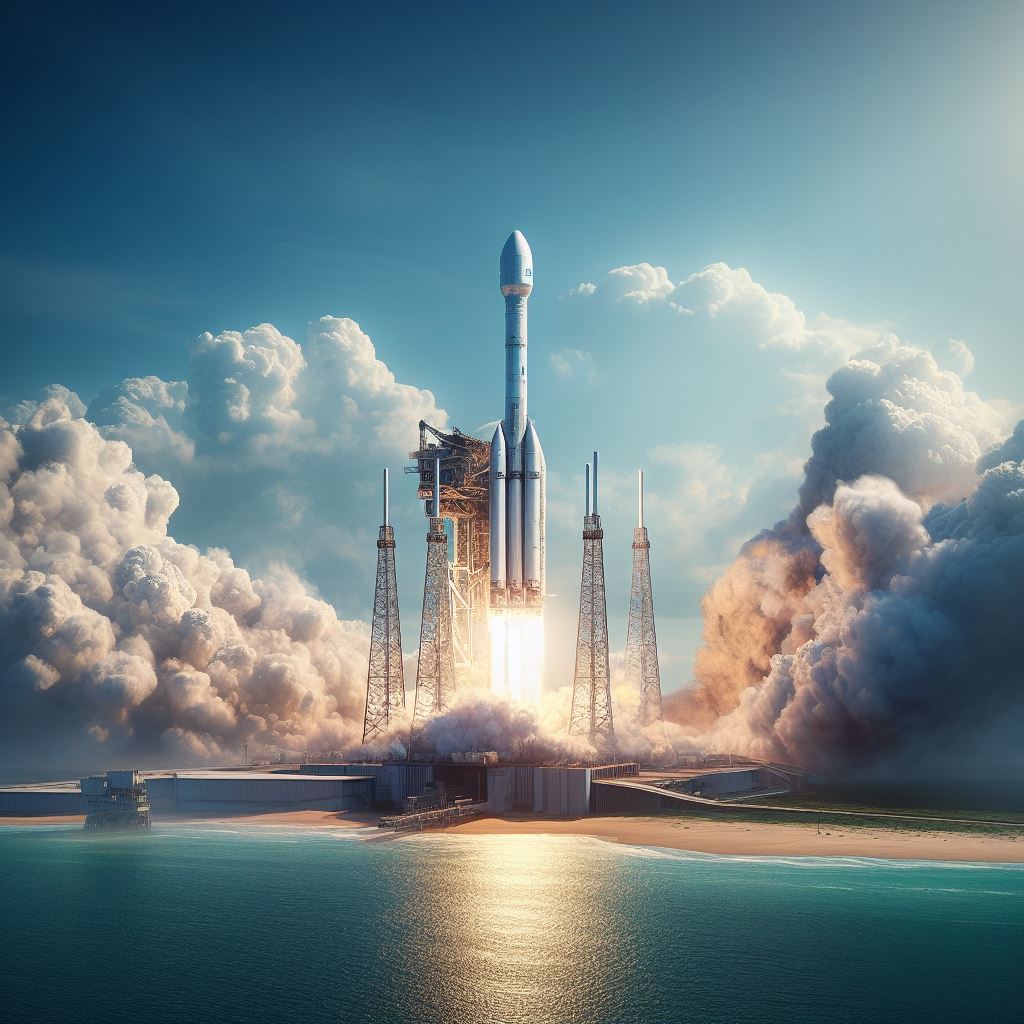
Super heavy-lift rockets are the most powerful launch vehicles ever built. They can send humans and cargo to the Moon, Mars, and beyond. But what are they, and why are they so important?
Space Force selects 14 companies for $1.8 billion Andromeda program to replace GSSAP geosynchronous surveillance satellites with commercial alternatives through 2036.