ATLAS CENTAUR R/B (02426)

COSPAR: N/A | Alt Name: Centaur AC-7
DECAYED

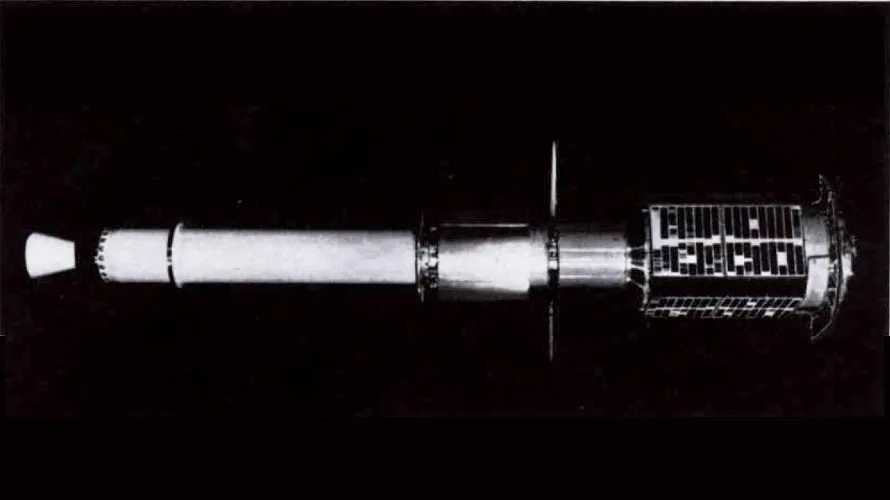
Image
ATLAS CENTAUR R/B Satellite Image
Additional Sources
Launch Details

Launch Date

September 20, 1966

Launch Pad

Unknown

Launch Vehicle

Unknown

Orbital Elements

NORAD ID

02426

International Designator

N/A

Decay Date

Unknown

Basic Satellite Info

Name

ATLAS CENTAUR R/B

Alternative Name

Centaur AC-7

Type

Rocket Body

Status

Space Junk

Owner

LERC

Country

United States

Constellation

N/A

Related Satellites

Major Events

N/A

Summary
A rocket body, also commonly referred to as an upper stage or spent rocket stage, is the structural shell left behind after a rocket has delivered its payload to orbit. These large and often heavy pieces of space hardware can remain in orbit for years, posing significant collision hazards as part of the growing space debris problem. If left uncontrolled, rocket bodies have the potential to reenter Earth's atmosphere unpredictably, which can lead to falling debris in populated areas. Additionally, they risk colliding with operational satellites or the International Space Station, creating more debris and putting human life at risk.
Physical Characteristics

Length

8.6

Diameter

3

Span

8.6

Dry Mass

2000

Launch Mass

2000

Shape

Cyl

Radar Cross Section

Unknown

Visual Magnitude

Unknown

Color

Unknown

Material Composition

Unknown

Technical Details

Payload

Centaur 3D

Purpose

Unknown

Mission

Unknown

Manufacturer

GDC

Life Expectancy

Unknown

Bus

Centaur D

Configuration

Unknown

Motor

Unknown

Equipment

Unknown

Power System

Unknown

ADCS

Unknown

Transmitter Frequency

Unknown

Satellite Articles

View All Posts »

Learn more about satellites and other related topics.

Space Brief 20 Nov 2024

Space Brief 20 Nov 2024

Today's highlights include the U.S. military's satellite initiative facing delays, Senate inquiries into high-profile calls, and an update on Pentagon's UFO investigations. Notable mentions also cover Morocco's defense sector ambitions.

The Satellite That Found 22 Photons and Changed Astronomy

The Satellite That Found 22 Photons and Changed Astronomy

On April 27, 1961, a Scout rocket lifted a 37-kilogram NASA satellite into orbit from Wallops Island carrying the first serious instrument for detecting cosmic gamma rays. Explorer 11 operated for seven months before its tape recorder failed. In that time it registered 22 gamma-ray photons - a pitiful number by modern standards, but enough to launch an entire branch of astronomy.

Space Brief 18 Nov 2024

Space Brief 18 Nov 2024

Today's brief highlights a Starlink satellite launch, an OpTech optical sensor contract for the Space Force, and a unique STEM experiment involving space-flown seeds.

FAA Approves Starship Launches from LC-39A, FCC Accepts Orbital Data Center Filing | KeepTrack X Report

FAA Approves Starship Launches from LC-39A, FCC Accepts Orbital Data Center Filing | KeepTrack X Report

FAA approves SpaceX Starship launches from Kennedy Space Center LC-39A. FCC accepts 1-million satellite orbital data center filing. Canada ranks as 5th largest Starlink market.

X Report 6 Oct 2025

X Report 6 Oct 2025

SpaceX gears up for its 11th Starship test flight, while Starlink expands connectivity through partnerships with T-Mobile, enhancing app functionality beyond cellular coverage.

Space Brief 25 Apr 2025

Space Brief 25 Apr 2025

Today's briefing covers the largest-ever spectrum sharing demo planned by the Pentagon, innovative strategies for drone deployment in the Air Force, and significant military procurement developments.

X Report 26 Feb 2025

X Report 26 Feb 2025

SpaceX progresses with Starship Flight 8 preparations, completes investigation into Flight 7 mishap, and prepares for upcoming launches.

User-Inspired Update

User-Inspired Update

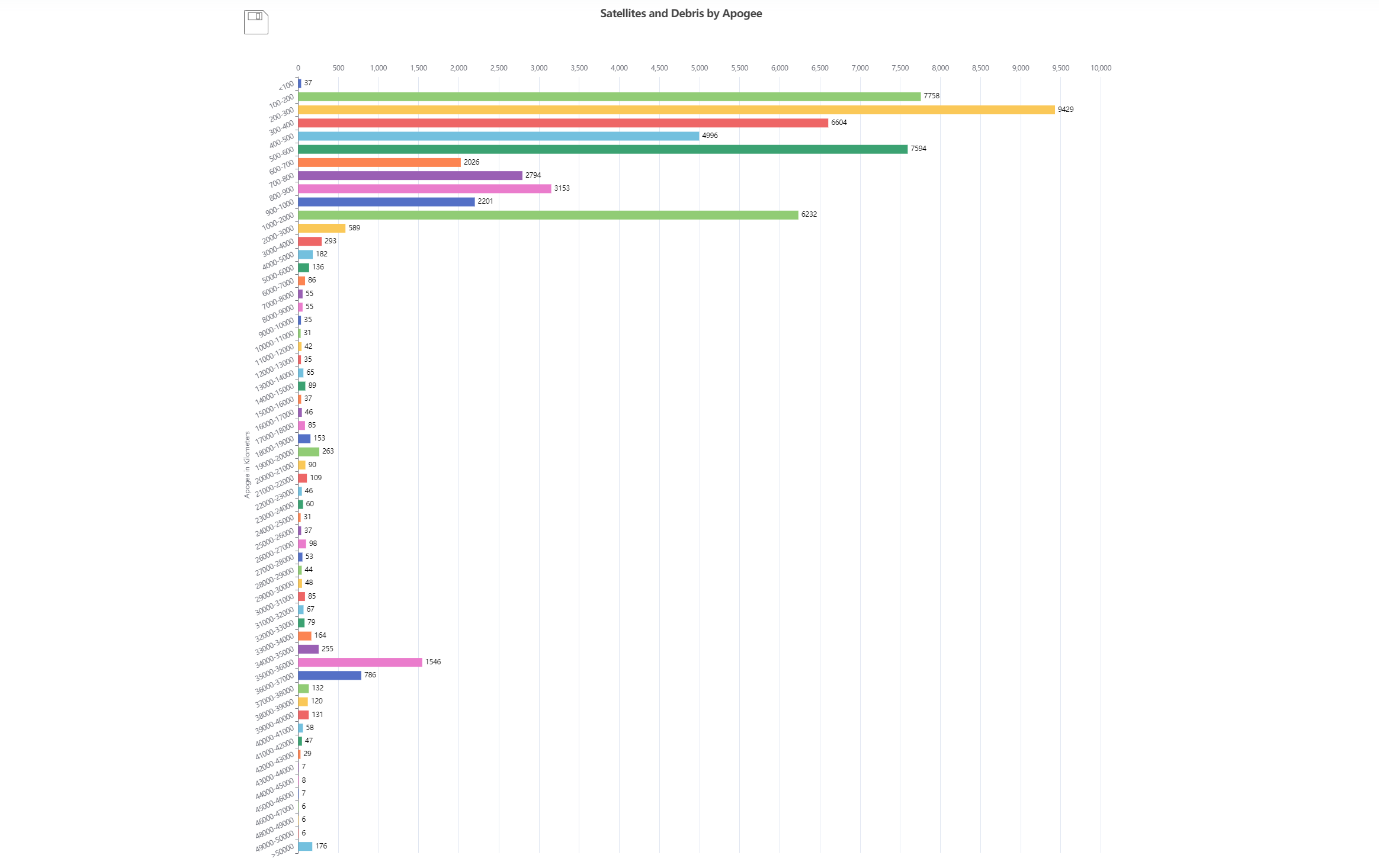
A user suggestion led to the addition of new visualizations for satellites, debris, and unidentified objects across different orbits in KeepTrack.