

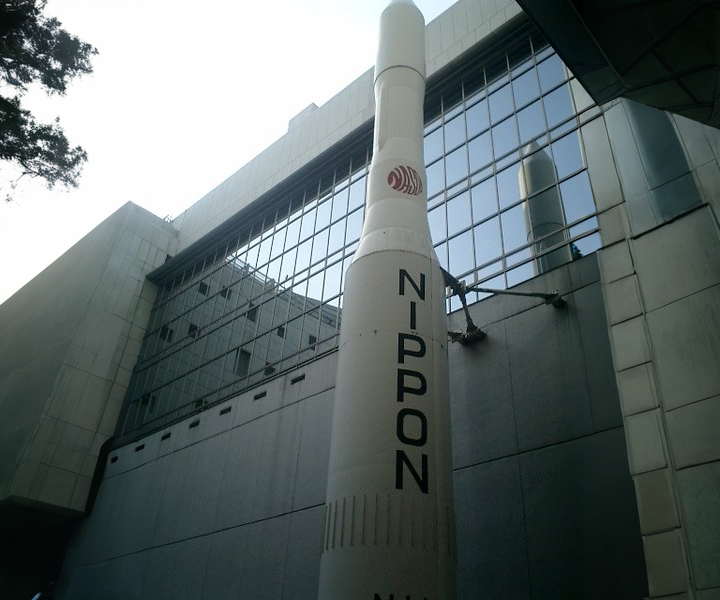
The Day Japan Joined the Geostationary Club
Forty-eight years ago, a pioneering satellite named Kiku 2 propelled Japan into the exclusive group of nations capable of operating satellites in geostationary orbit



Launch Date
July 6, 1966
Launch Site
Launch Pad
LC81/23
Launch Vehicle
UR-500
NORAD ID
02292
International Designator
1966-060D
Decay Date
7/11/1966
Name
SL-9 DEB
Alternative Name
UR-500 GO part
Type
Status
Owner
RVSN
Country
USSR
Constellation
N/A
Related Satellites
Major Events
N/A
Length
6
Diameter
4.1
Span
6
Dry Mass
0
Launch Mass
0
Shape
Half Cone
Radar Cross Section
Unknown
Visual Magnitude
Unknown
Color
Unknown
Material Composition
Unknown
Payload
Fairing
Purpose
Unknown
Mission
Unknown
Manufacturer
Unknown
Life Expectancy
Unknown
Bus
Unknown
Configuration
Unknown
Motor
Unknown
Equipment
Unknown
Power System
Unknown
ADCS
Unknown
Transmitter Frequency
Unknown
Learn more about satellites and other related topics.
Forty-eight years ago, a pioneering satellite named Kiku 2 propelled Japan into the exclusive group of nations capable of operating satellites in geostationary orbit
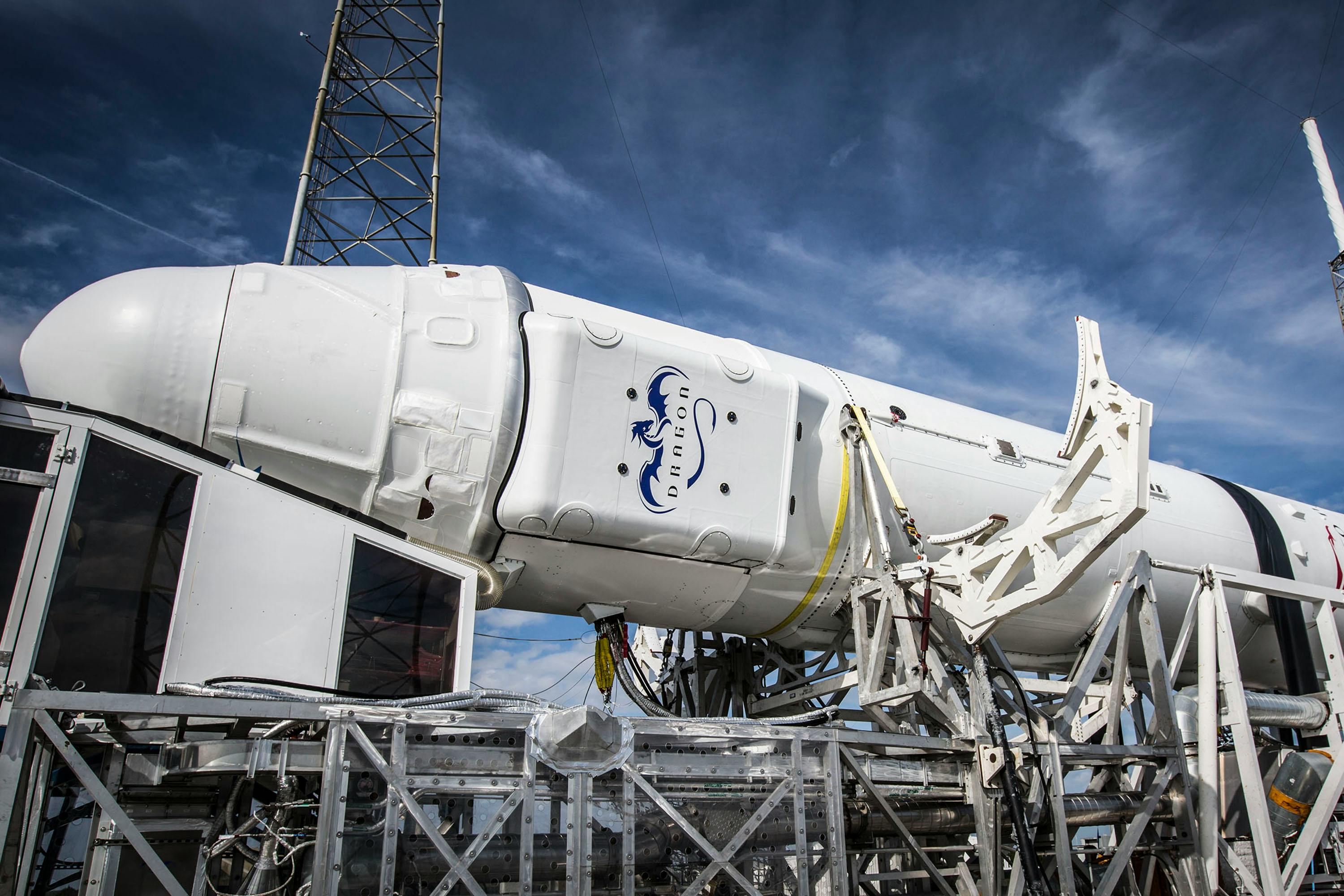
SpaceX successfully launched another batch of Starlink satellites and received approval for a new Starship launch site, while facing challenges with crew assignments on upcoming missions.

Discover the latest on China's Zhuque-3 launch, ISS crew updates, ESA's budget dealings, a strategic super-resolution partnership, and ACME Space's innovative plans.
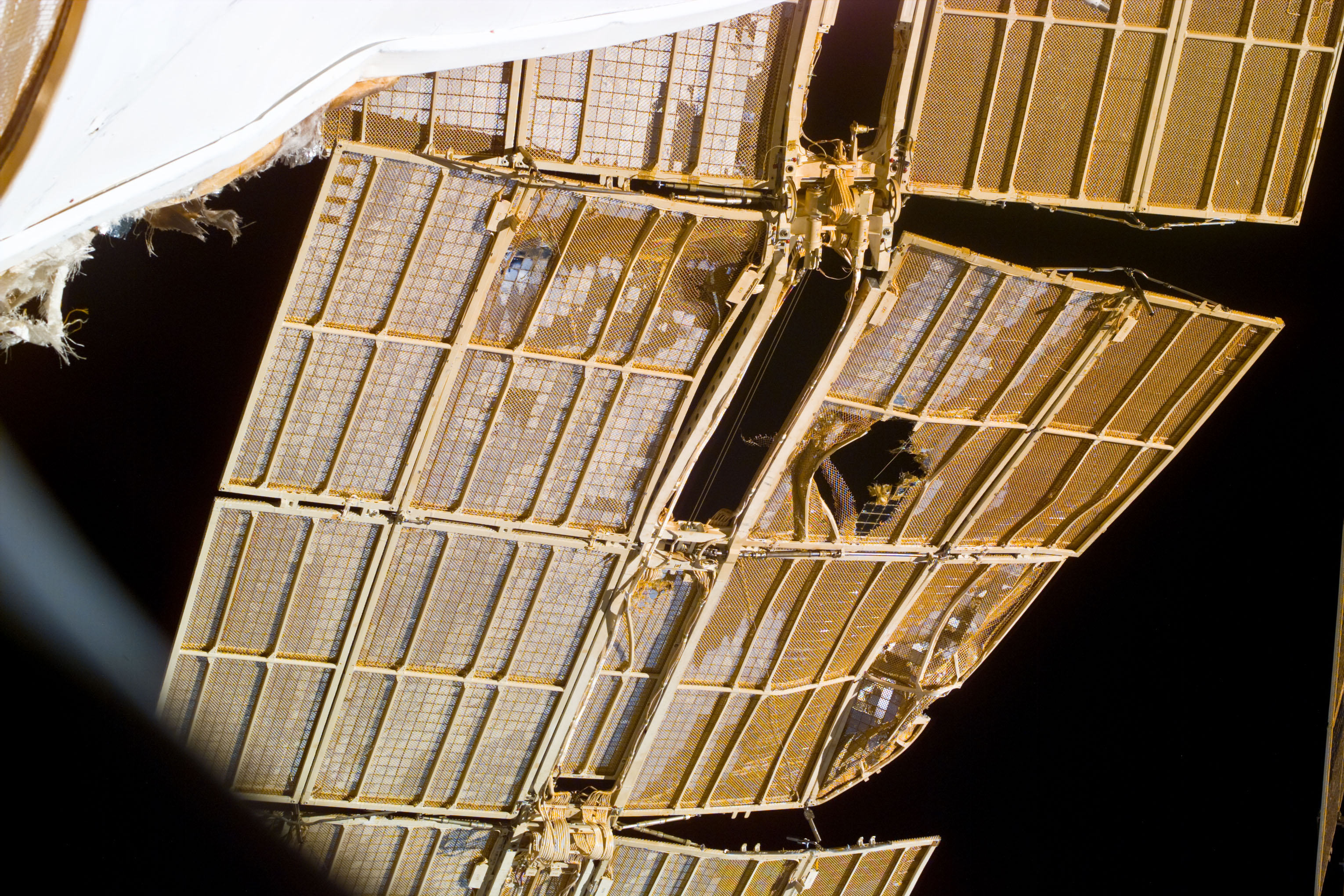
On 25 June 1997, a seven-ton cargo ship under hand control drifted into Mir's Spektr module, breached the hull, and left three crew members listening to their air hiss into space. It remains the worst collision in the history of human spaceflight.
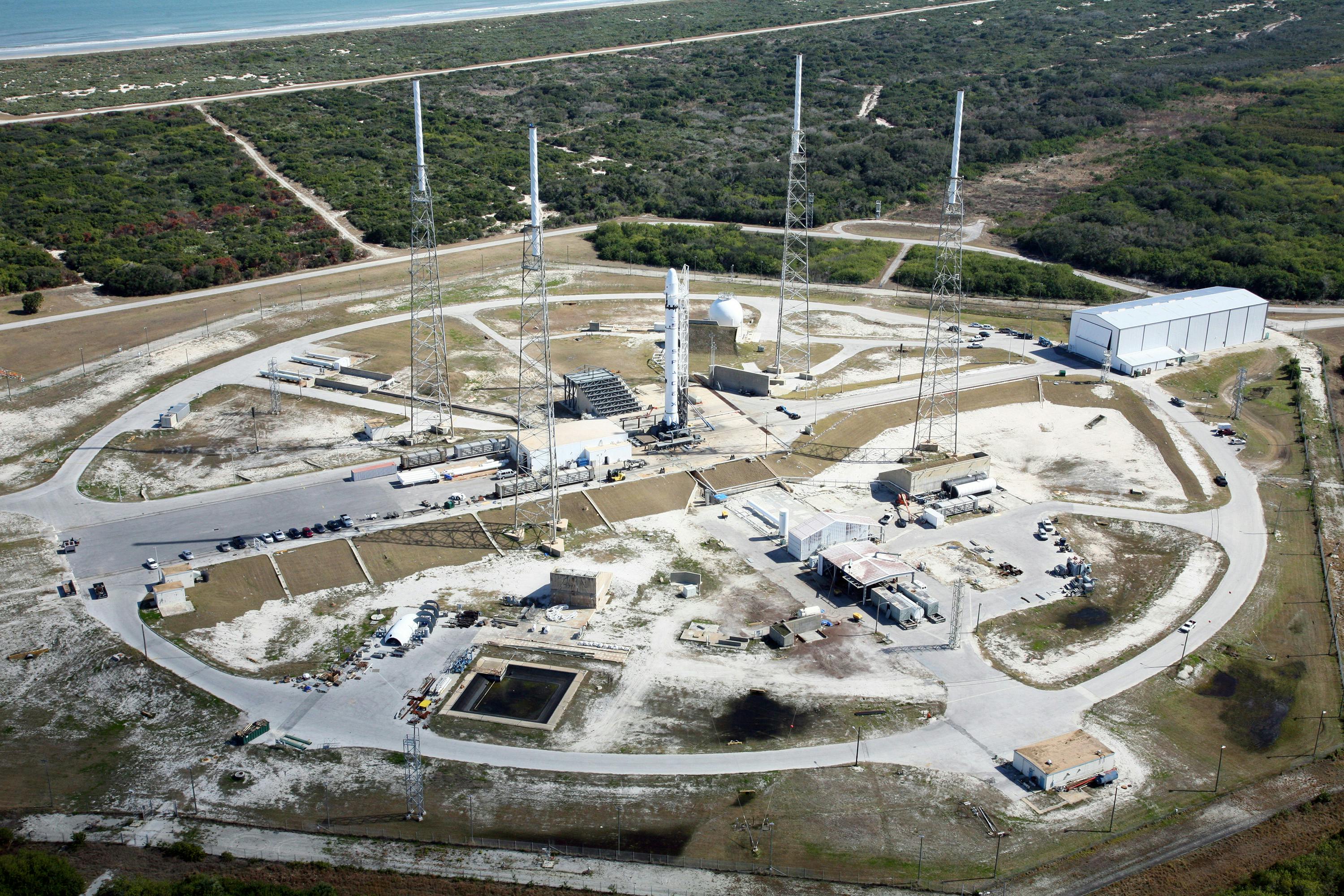
SpaceX's reported IPO structure grants Elon Musk unchecked control and forces 220,000-GPU Colossus AI deal into the spotlight.

SpaceX continues its collaboration with the NRO, while gearing up for lunar missions and a contract for NASA's Dragonfly mission to Titan.
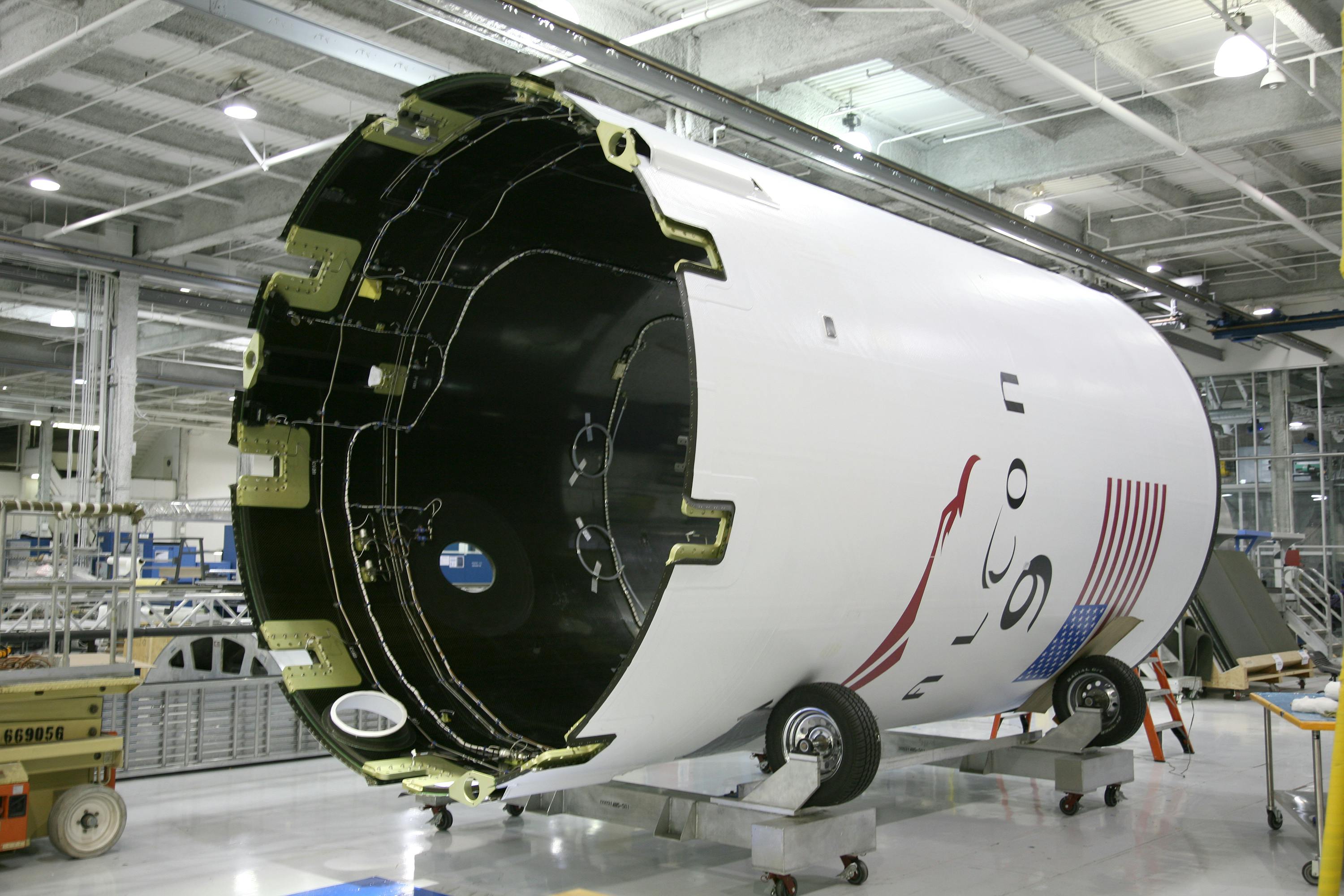
Starship V3's maiden flight is delayed as SpaceX rolls Booster 19 to Pad 2 for Flight 9, while Falcon 9 completes its 30th mission of 2026.
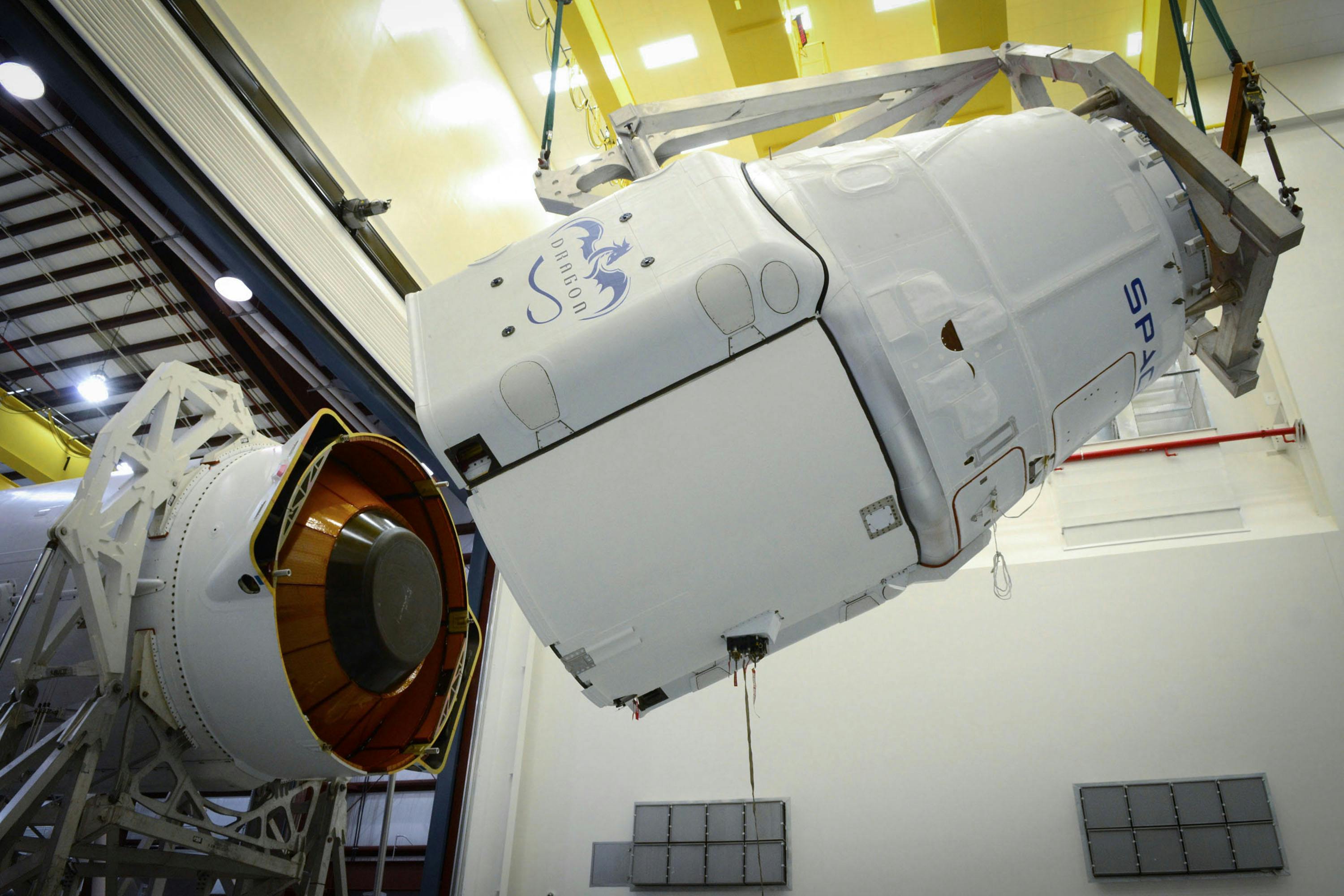
SpaceX advances with Starship, gains FCC approval for new services, and predicts a future shift in spacecraft dominance.