

X Report 10 Nov 2025
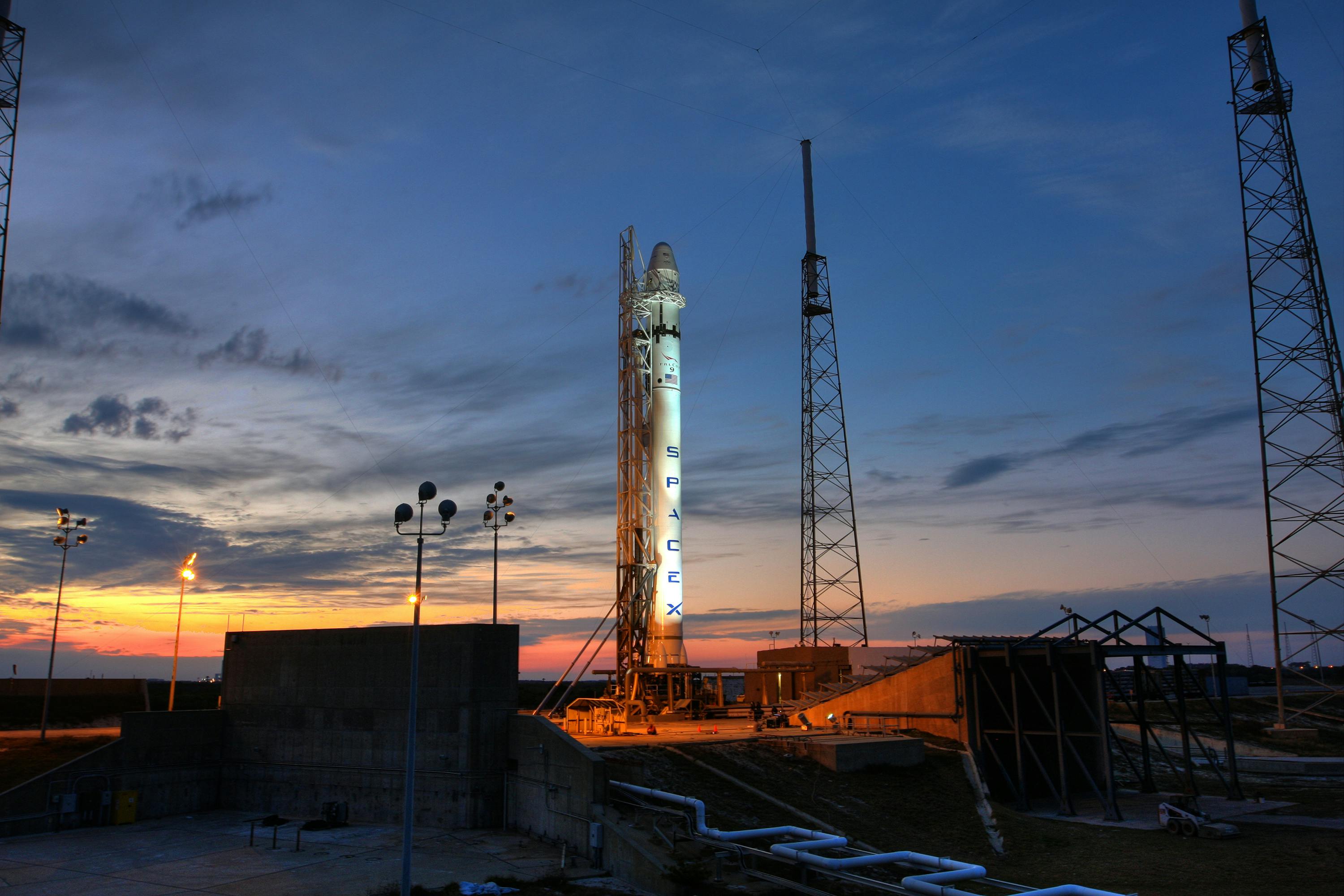
SpaceX successfully launched 29 Starlink satellites, bolstering its broadband network and expanding global internet coverage.


Launch Date
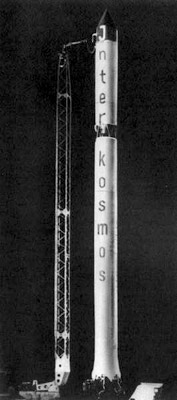
April 26, 1966
Launch Site
KYMSC
Launch Pad
LC86/1
Launch Vehicle
Kosmos 11K63
NORAD ID
02152
International Designator
1966-036A
Decay Date
12/3/1966
Name
COSMOS 116
Alternative Name
Kosmos-116
Type
Status
Owner
YUZH/PVO
Country
USSR
Constellation
N/A
Related Satellites
Major Events
N/A
Apologies, there is no summary for this satellite yet. I am working to generate these for every object in the catalog, but it is going to take time.
Length
1.2
Diameter
1.2
Span
1.2
Dry Mass
200
Launch Mass
200
Shape
Poly
Radar Cross Section
Unknown
Visual Magnitude
Unknown
Color
Unknown
Material Composition
Unknown
Payload
DS-P1-Yu No. 6L
Purpose
Unknown
Mission
Unknown
Manufacturer
YUZH
Life Expectancy
Unknown
Bus
DS-P1
Configuration
Unknown
Motor
Unknown
Equipment
Unknown
Power System
Unknown
ADCS
Unknown
Transmitter Frequency
Unknown
Learn more about satellites and other related topics.
SpaceX successfully launched 29 Starlink satellites, bolstering its broadband network and expanding global internet coverage.
Pentagon increases Golden Dome missile defense budget by $10B to $185B, funding HBTSS hypersonic tracking constellation expansion. Three acceleration priorities announced.
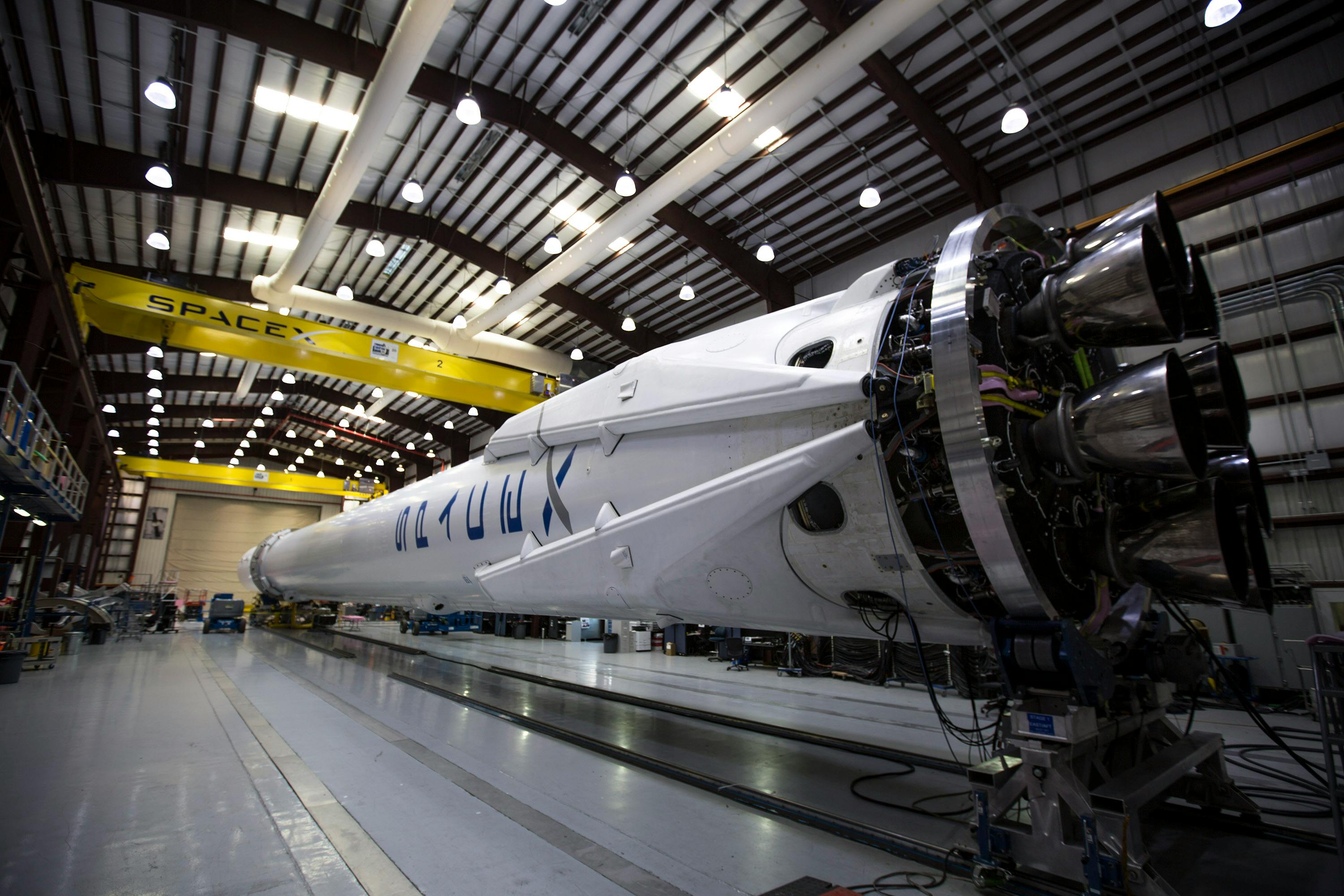
SpaceX continues to innovate as it nears peak Falcon 9 launch rates while refining technologies pivotal for future Mars missions.

Today's brief covers China's latest classified satellite launch, breakups in orbital refueling experiments, exciting advancements in microsatellites, and SpaceX's remarkable strides in spaceflight.
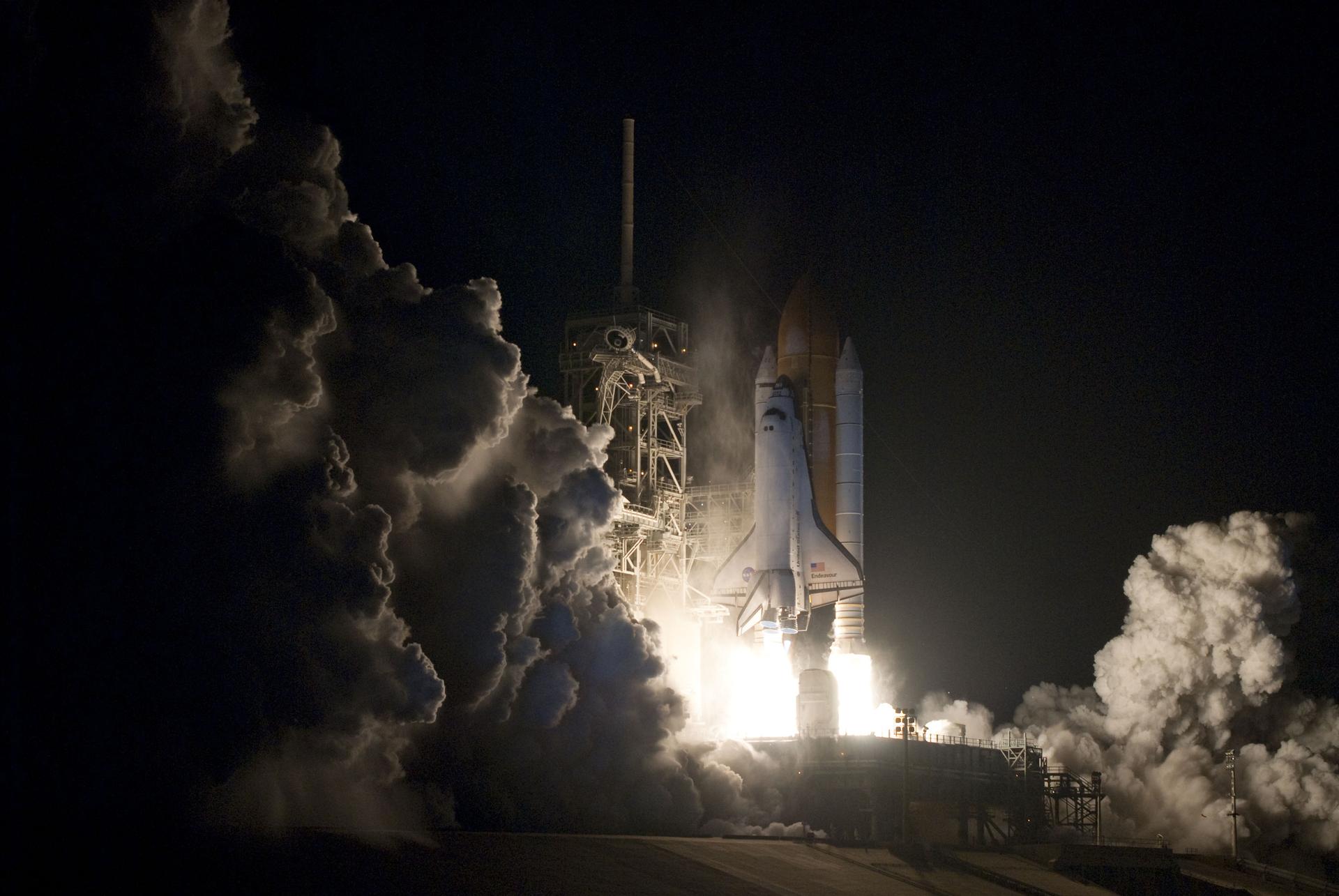
Fifteen years ago, Space Shuttle Endeavour launched on a mission that would give International Space Station astronauts their most spectacular view of Earth through the innovative Cupola observatory
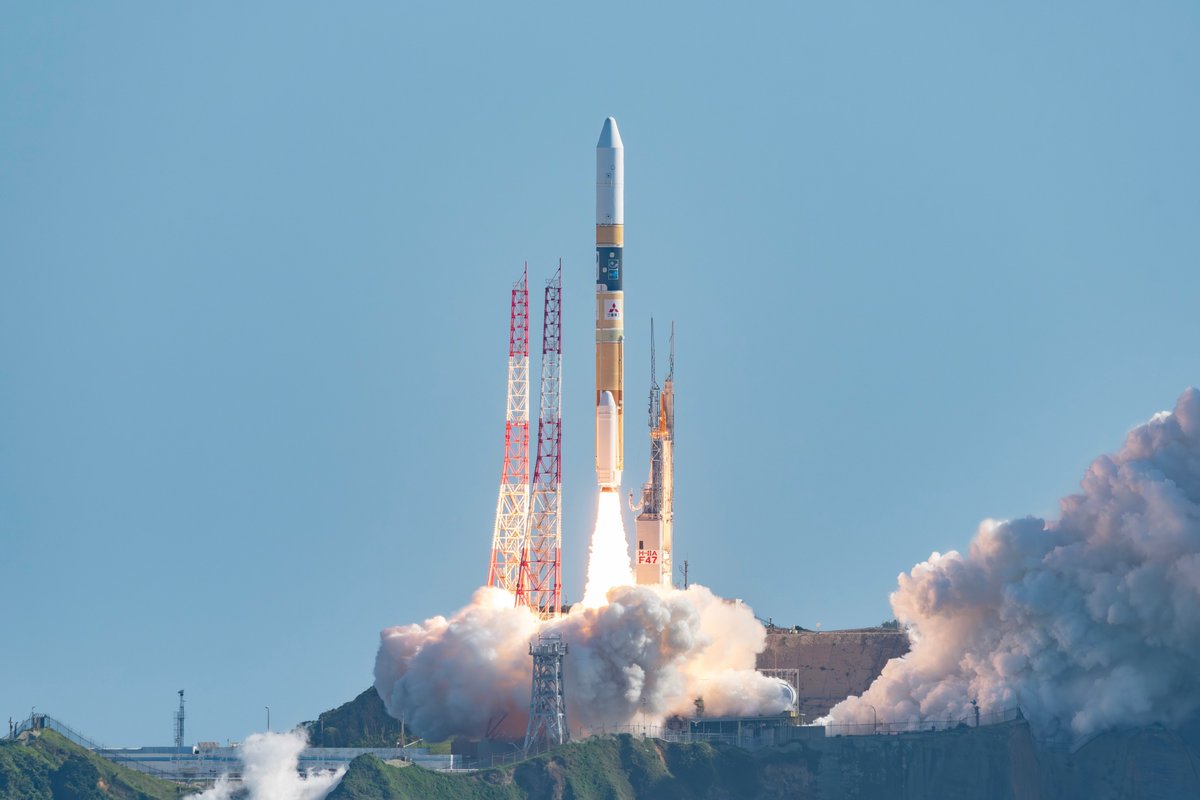
Today's updates cover crucial developments in satellite licensing reforms, defense cybersecurity, and AI integration within government sectors.
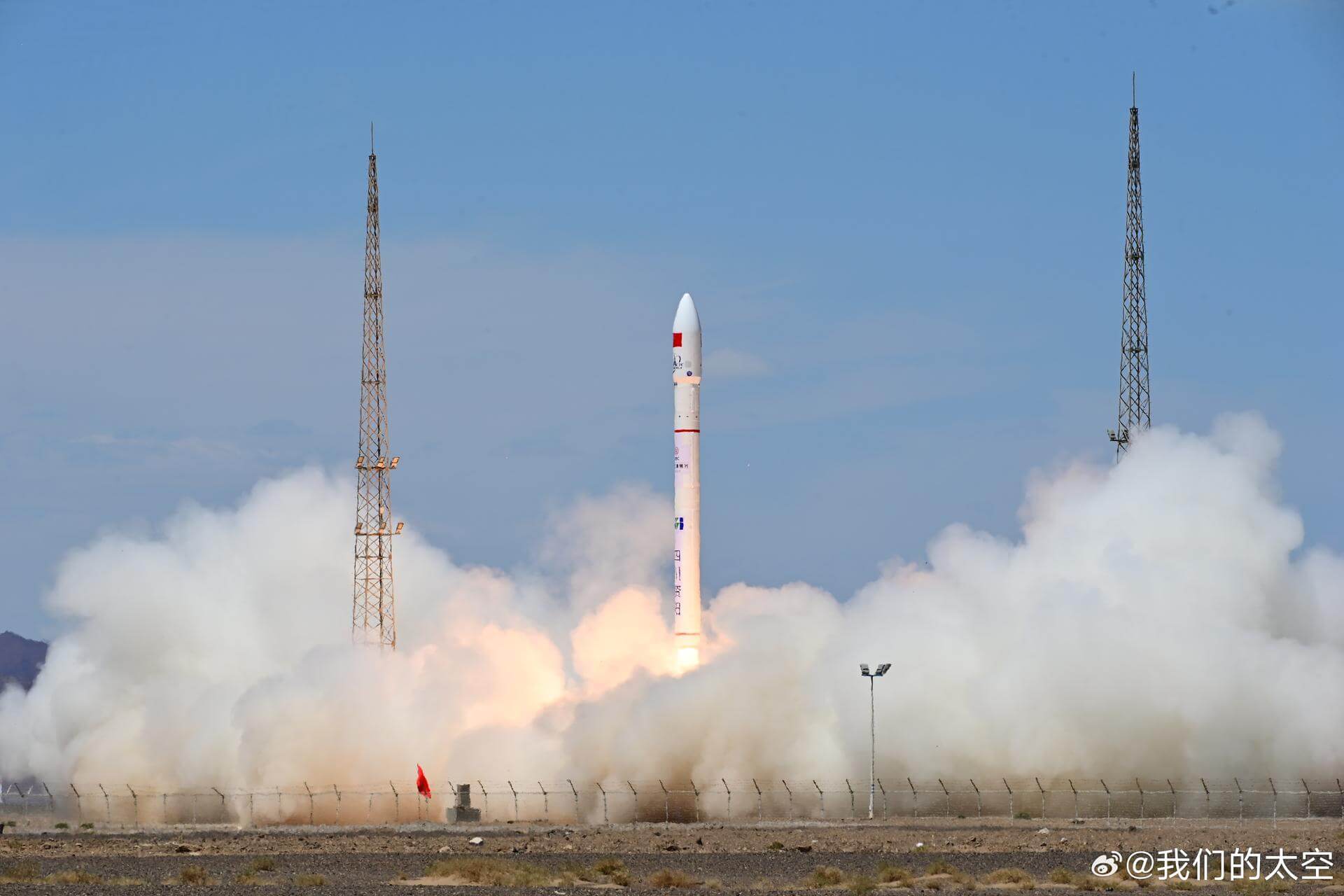
Today's brief covers developments in US military space initiatives, advancements in missile technology, and notable military contractor activities.

Falcon Heavy flew for the first time in eighteen months on April 29, 2026, expending its center core to push Viasat's final ViaSat-3 satellite toward geostationary orbit. The mission is a flagship rocket doing what only it can still do, for an operator betting six tons of high-throughput hardware on a market Starlink is rapidly redefining.