


ESA-China SMILE Mission Reaches Orbit After 10-Year Push | KeepTrack Space Brief
ESA-China SMILE spacecraft successfully launched from Kourou to image Earth's magnetosphere. First continuous global views of solar wind interaction now in orbit.


Launch Date
March 21, 1966
Launch Site
Launch Pad
Unknown
Launch Vehicle
Unknown
NORAD ID
02116
International Designator
N/A
Decay Date
3/30/1966
Name
SL-3 R/B
Alternative Name
Voskhod (N21) Blok-I
Type
Status
Owner
RVSN
Country
USSR
Constellation
N/A
Related Satellites
Major Events
N/A
Length
9.4
Diameter
2.7
Span
9.4
Dry Mass
3000
Launch Mass
3000
Shape
Cyl
Radar Cross Section
Unknown
Visual Magnitude
Unknown
Color
Unknown
Material Composition
Unknown
Payload
11A57I
Purpose
Unknown
Mission
Unknown
Manufacturer
PROG
Life Expectancy
Unknown
Bus
Blok-I
Configuration
Unknown
Motor
Unknown
Equipment
Unknown
Power System
Unknown
ADCS
Unknown
Transmitter Frequency
Unknown
Learn more about satellites and other related topics.
ESA-China SMILE spacecraft successfully launched from Kourou to image Earth's magnetosphere. First continuous global views of solar wind interaction now in orbit.
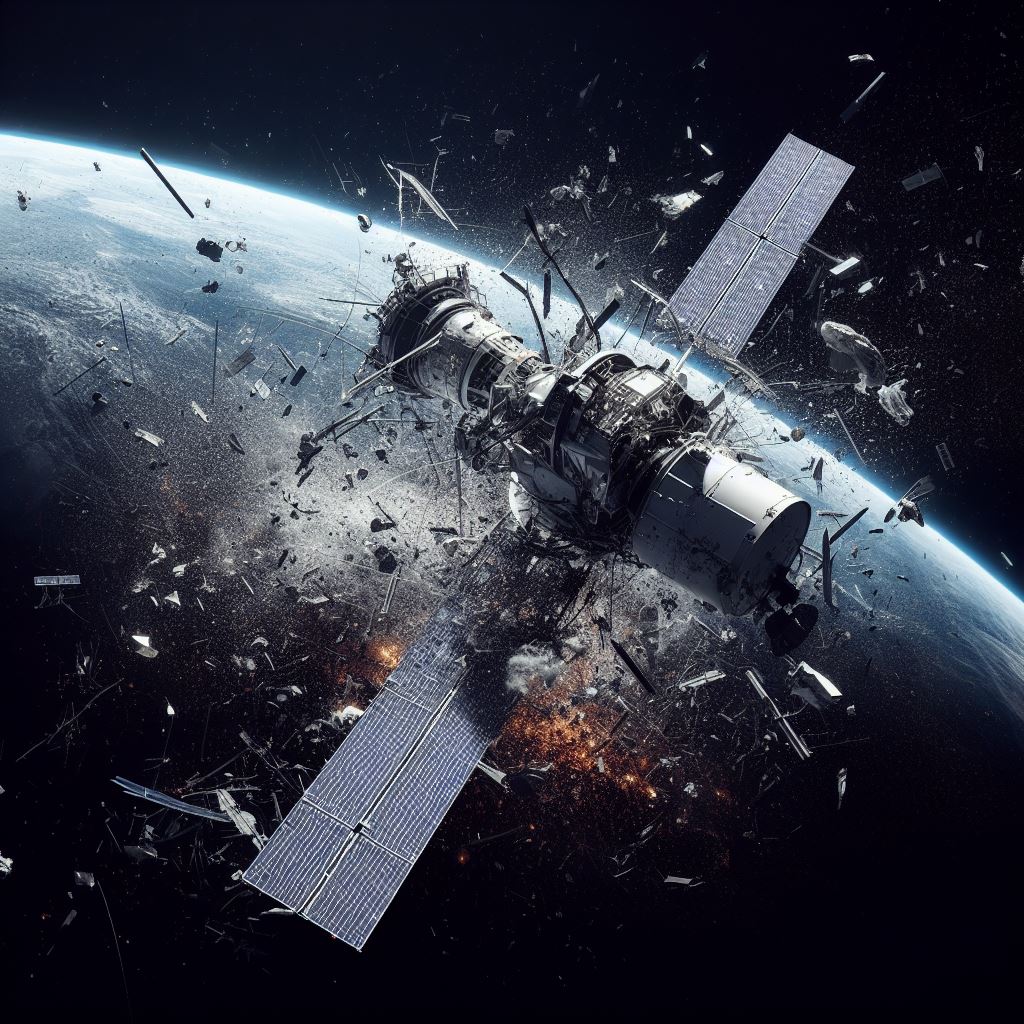
Over 27,000 high-speed pieces of space junk now threaten vital satellites, requiring sophisticated tracking and urgent innovation of orbital debris removal methods like harpoons and nets.
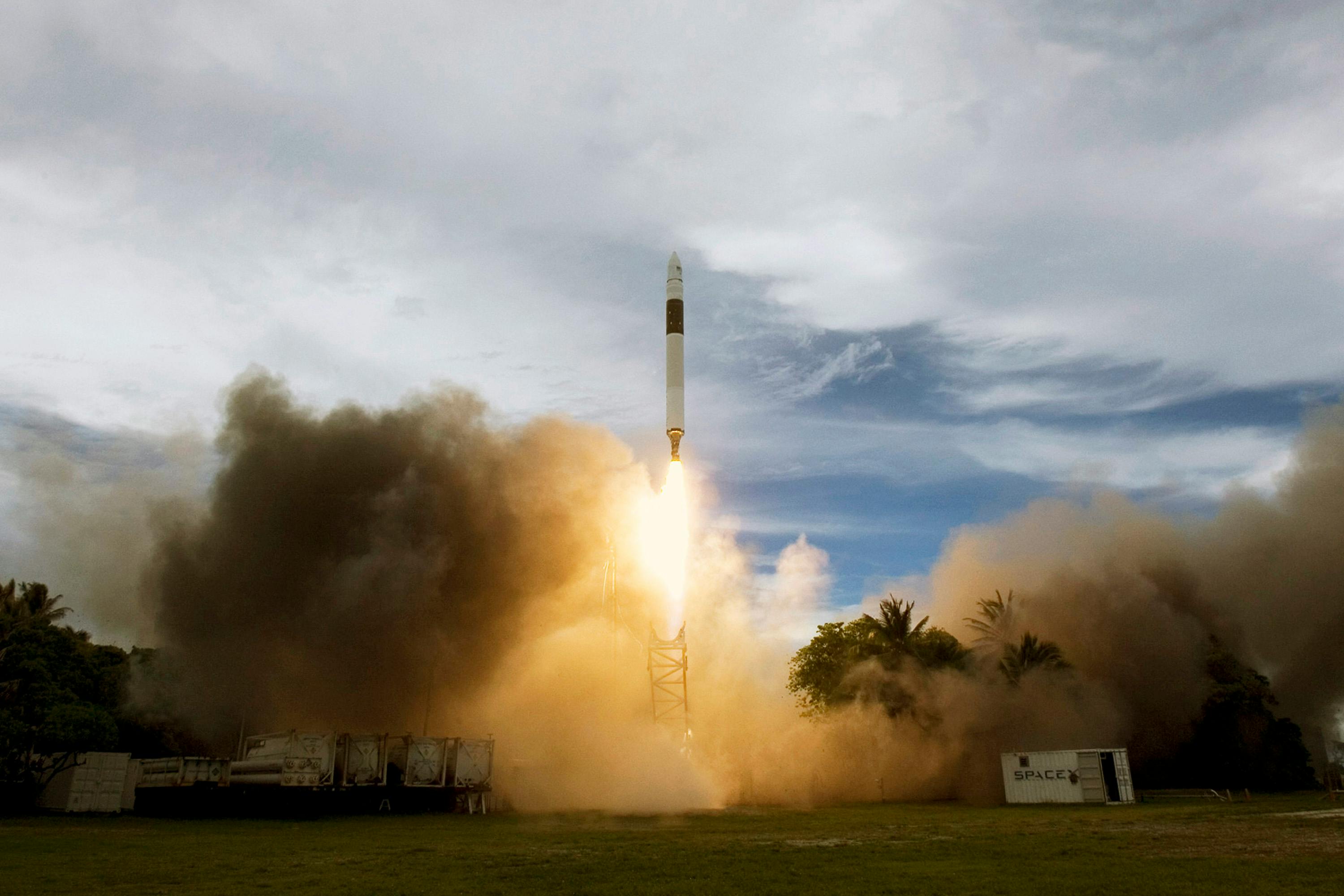
Gwynne Shotwell confirms Starlink V2 launches on Starship in 2027. Ship 39 preps Starship Flight 12; Falcon 9 lofts its 600th Starlink of 2026.
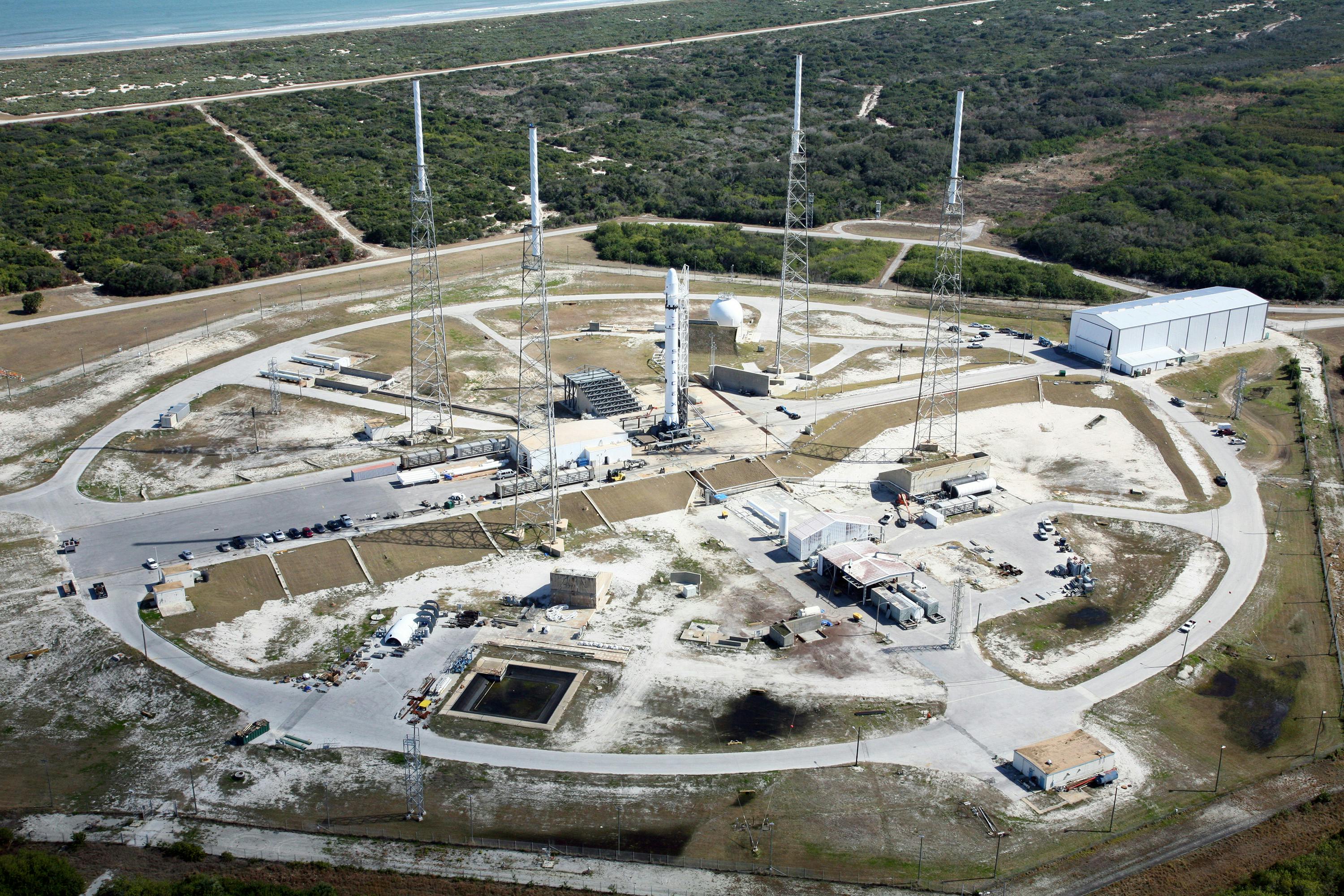
SpaceX's Transporter-17 rideshare carried 81 payloads including history's first nuclear-powered commercial satellite on July 7.
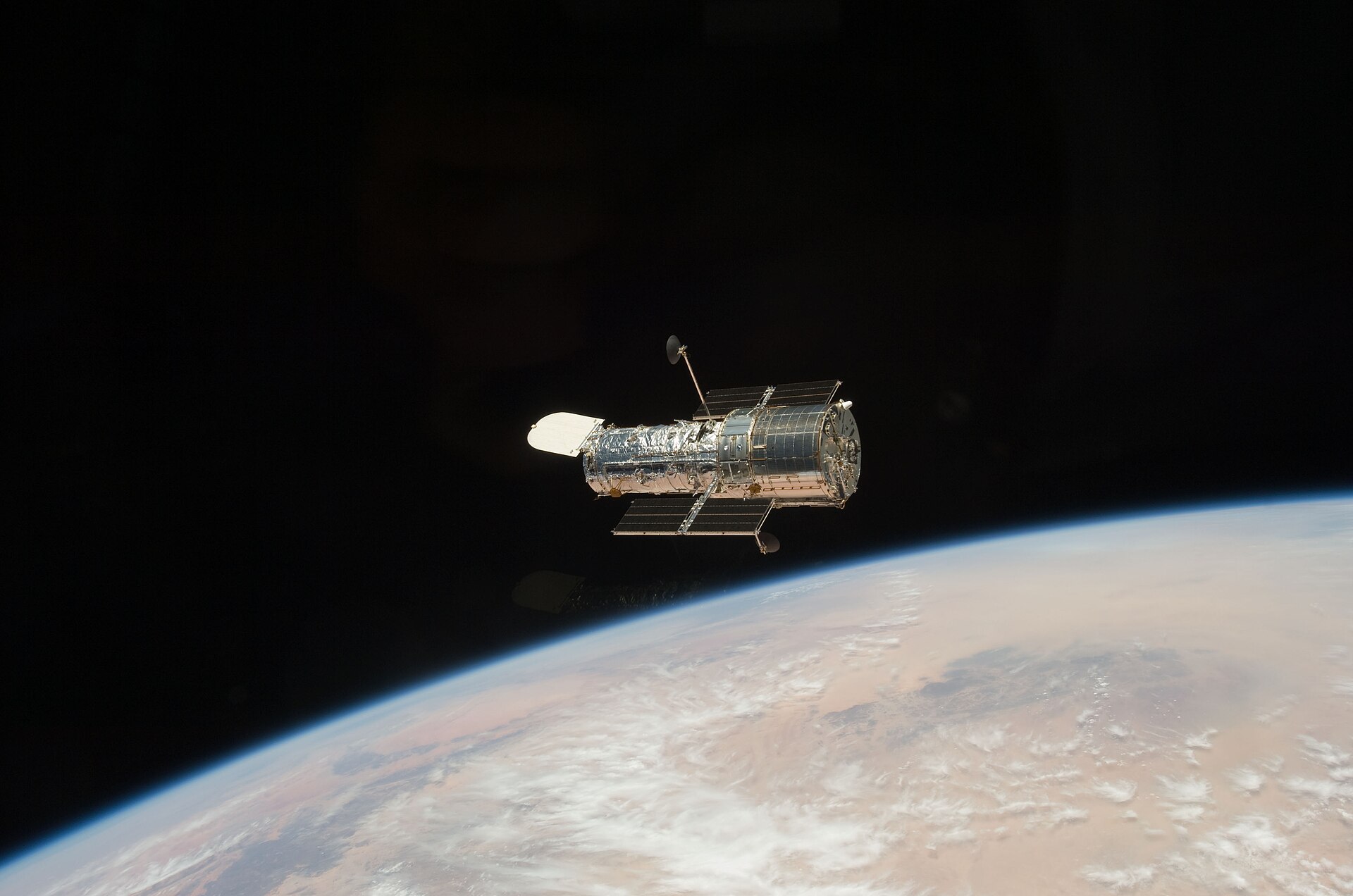
On April 25, 1990, the Space Shuttle Discovery's robotic arm lifted a 11,110-kilogram barrel of mirrors and instruments out of the payload bay and released it into orbit. Six weeks later, the first images came back badly out of focus. The Hubble Space Telescope had been ground to the wrong prescription, and America had just spent $2.5 billion on what the press was calling a 'technoturkey.'
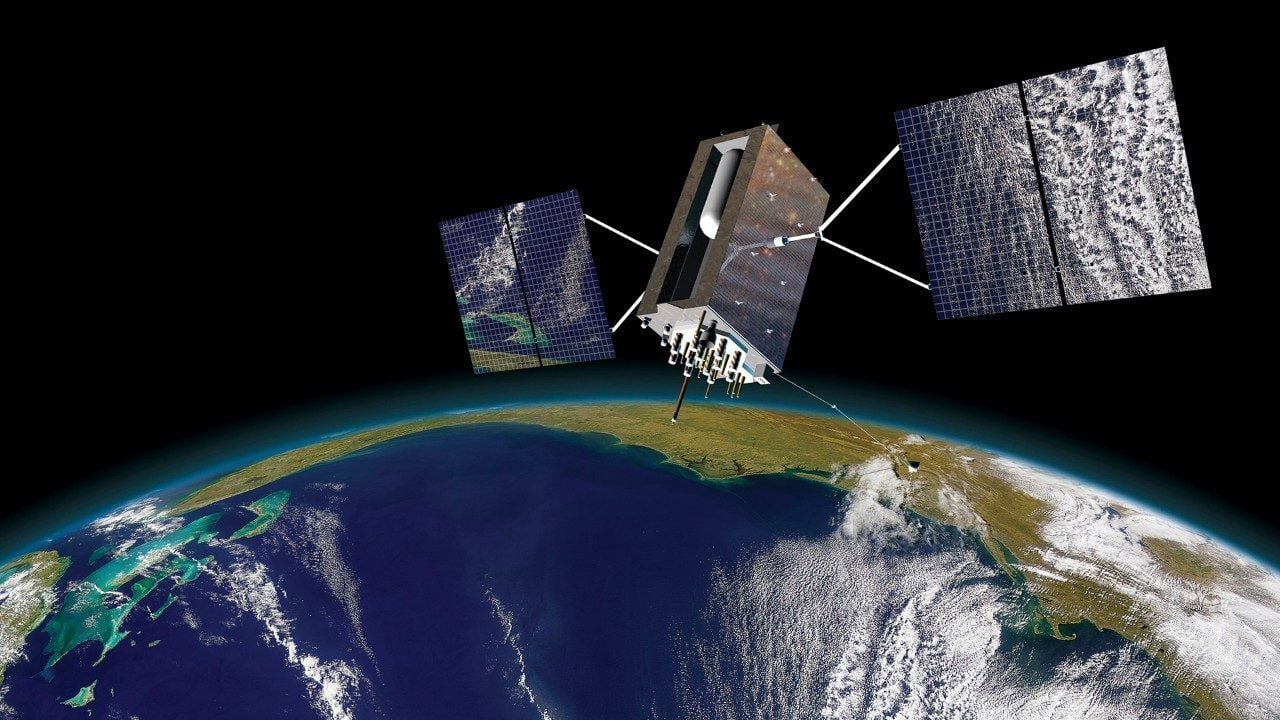
On April 17, 2026, the U.S. Space Force officially cancelled the Next Generation Operational Control System after sixteen years of development, cost overruns, and testing failures. The $8 billion program was supposed to unlock the military's encrypted GPS signal. Instead, the satellites are flying with capabilities the ground can't command.
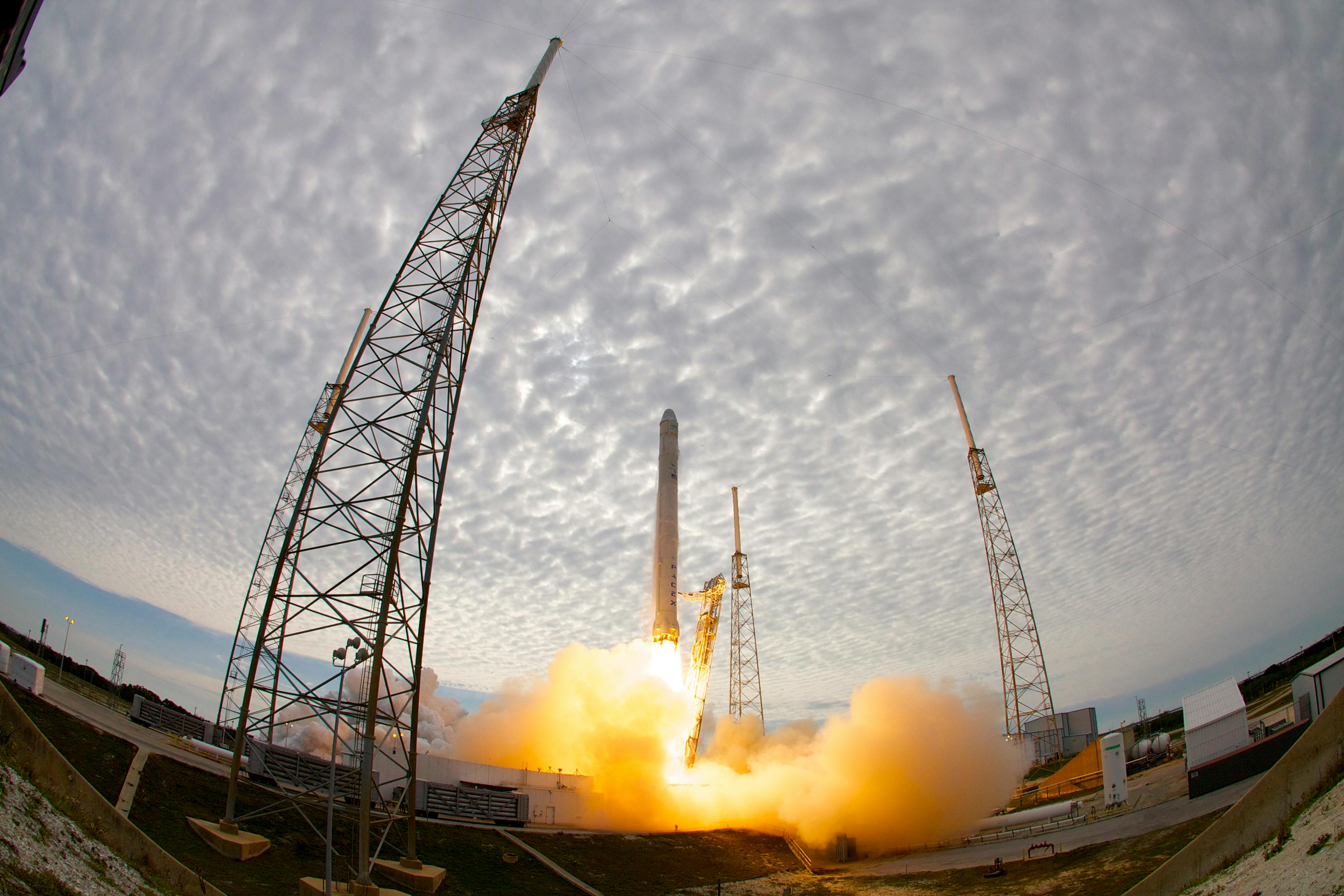
SpaceX successfully launches two lunar landers and clears another milestone with Transporter-12 rideshare mission.

Space highlights include a debut launch of ZhuQue-2E, Firefly's lunar lander timeline, semiconductor funding for satellites, and ISS debris avoidance.