

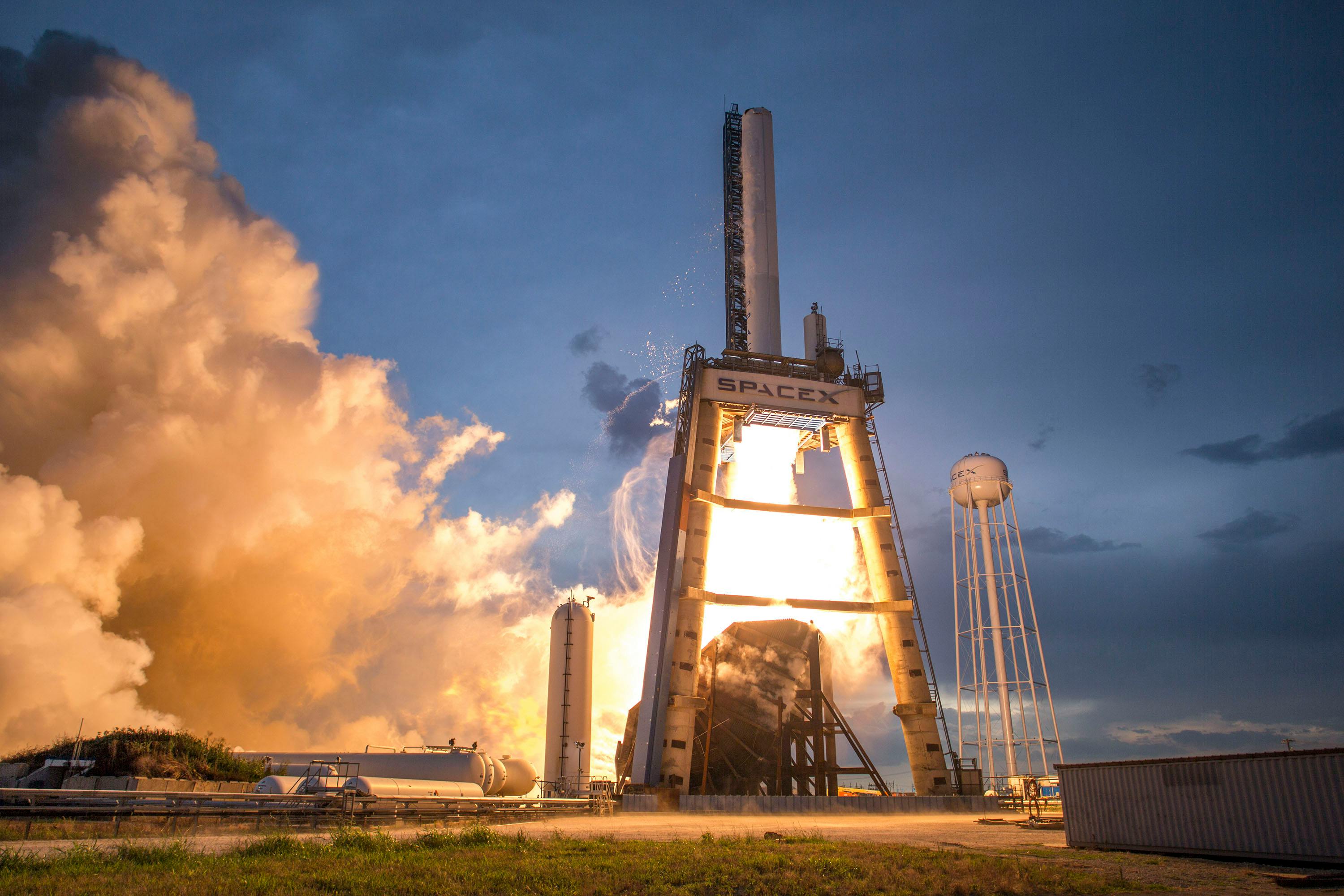
X Report 2 Oct 2025
Today's briefing covers Starlink's role in disaster recovery in the Philippines, insights into the evolving direct-to-device market, and news of European plans for a reusable upper stage rocket inspired by SpaceX's Starship.


![OPS 3031 [SPHERE] Satellite Image](/images/placeholder.svg)
Launch Date
February 15, 1966
Launch Site
AFWTR
Launch Pad
PALC2-4
Launch Vehicle
Atlas SLV-3 Agena D
NORAD ID
02015
International Designator
N/A
Decay Date
2/22/1966
Name
OPS 3031 [SPHERE]
Alternative Name
OPS 3031
Type
Status
Owner
AFSSD
Country
United States
Constellation
N/A
Related Satellites
Major Events
N/A
Apologies, there is no summary for this satellite yet. I am working to generate these for every object in the catalog, but it is going to take time.
Length
0.3
Diameter
0.3
Span
0.3
Dry Mass
4
Launch Mass
4
Shape
Inf Sphere
Radar Cross Section
Unknown
Visual Magnitude
Unknown
Color
Unknown
Material Composition
Unknown
Payload
Bluebell 2 Sphere
Purpose
Unknown
Mission
Unknown
Manufacturer
UNKUS
Life Expectancy
Unknown
Bus
Bluebell
Configuration
Unknown
Motor
Unknown
Equipment
Unknown
Power System
Unknown
ADCS
Unknown
Transmitter Frequency
Unknown
Learn more about satellites and other related topics.
Today's briefing covers Starlink's role in disaster recovery in the Philippines, insights into the evolving direct-to-device market, and news of European plans for a reusable upper stage rocket inspired by SpaceX's Starship.
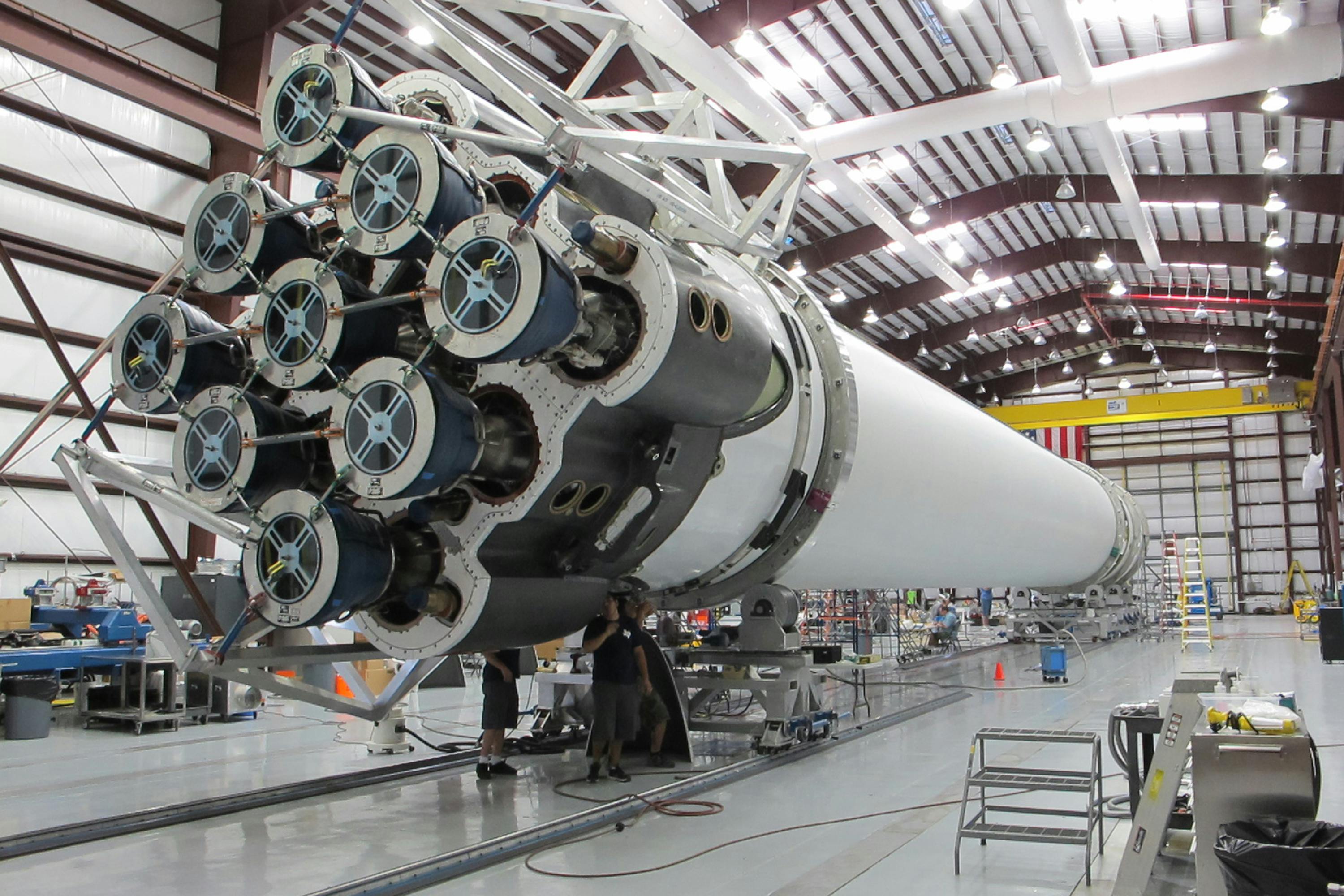
Booster B1067 hit 36 flights on July 9, while SpaceX files to expand Starlink to 100,000 satellites at 4,400 lbs each.

SpaceX rounds off a record-setting year with over 130 launches, achieving new milestones in Starship development and Starlink expansion.

NASA is adding 6 post-certification crew missions to SpaceX's contract as Boeing remains unable to certify Starliner for operational flights.
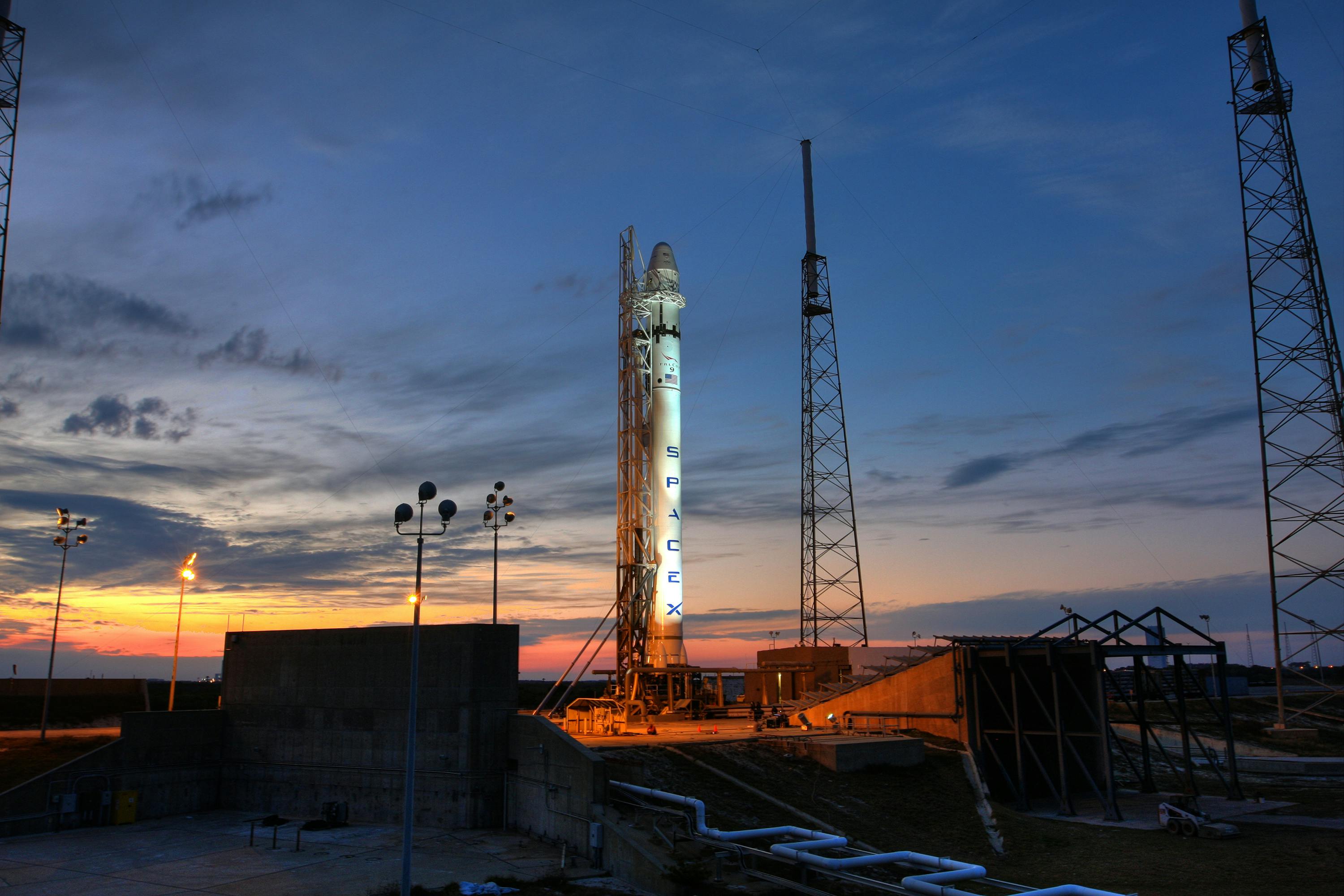
Important updates include SpaceX's $19 billion spectrum deal with EchoStar, a successful super heavy booster test, and recent setbacks in launching due to poor weather.

SpaceX confidentially files for a record-breaking IPO targeting a $1.75T valuation and $80B raise, while a Starlink satellite breaks apart in orbit.
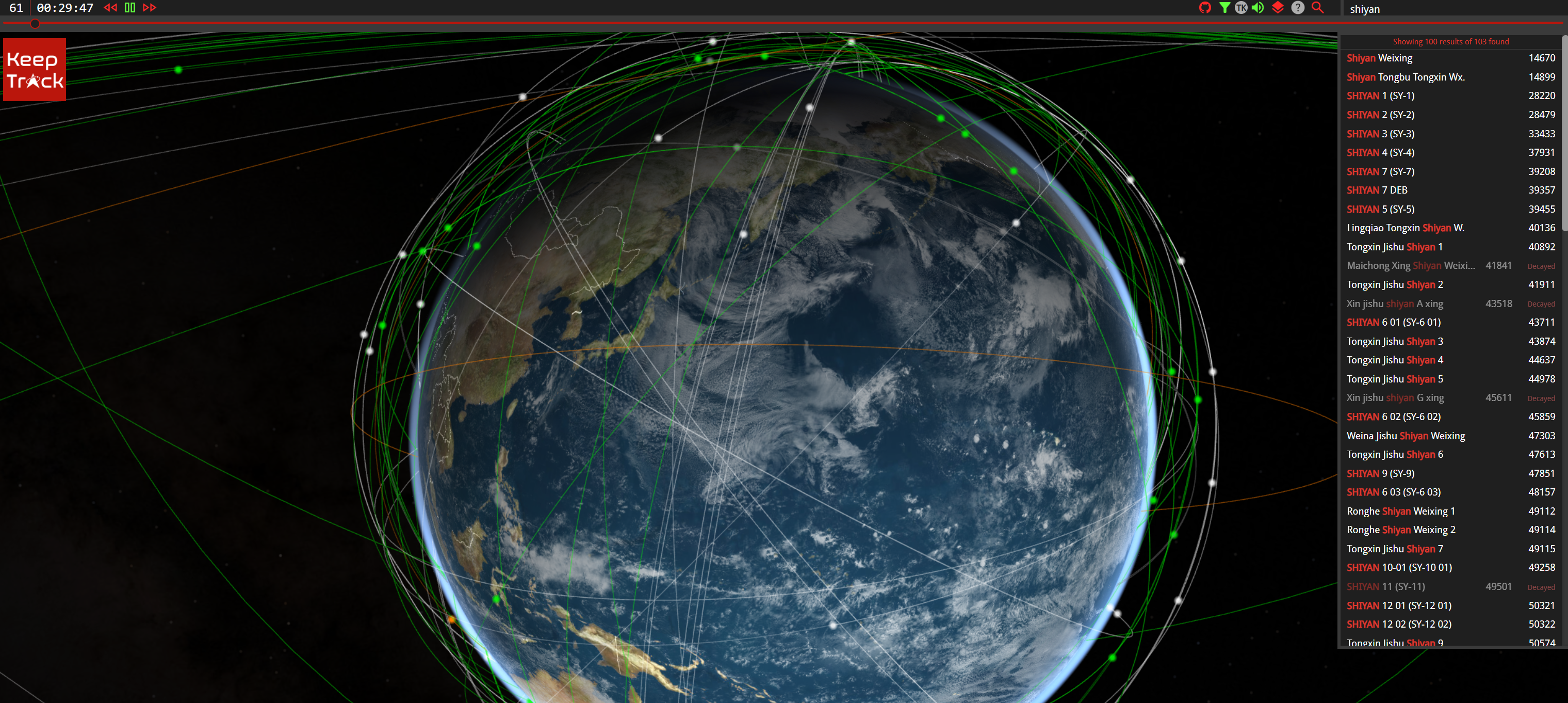
The master ledger of everything orbiting Earth: how tens of thousands of satellites, rocket bodies, and debris fragments are tracked and numbered

What happens when space objects come home: the fiery physics of returning from orbit and why predicting where debris lands is so difficult