

X Report 4 Dec 2025
SpaceX successfully launched another batch of Starlink satellites and received approval for a new Starship launch site, while facing challenges with crew assignments on upcoming missions.



Launch Date
October 15, 1965
Launch Site
Launch Pad
LC40
Launch Vehicle
Titan IIIC
NORAD ID
01857
International Designator
1965-082EQ
Decay Date
9/10/2016
Name
TITAN 3C TRANSTAGE DEB
Alternative Name
deb Transtage 4
Type
Status
Owner
AFSSD
Country
United States
Constellation
N/A
Related Satellites
Major Events
N/A
Length
0
Diameter
0
Span
0
Dry Mass
0
Launch Mass
0
Shape
N/A
Radar Cross Section
0.1754
Visual Magnitude
Unknown
Color
Unknown
Material Composition
Unknown
Payload
Unknown
Purpose
Unknown
Mission
Unknown
Manufacturer
Unknown
Life Expectancy
Unknown
Bus
Unknown
Configuration
Unknown
Motor
Unknown
Equipment
Unknown
Power System
Unknown
ADCS
Unknown
Transmitter Frequency
Unknown
Learn more about satellites and other related topics.
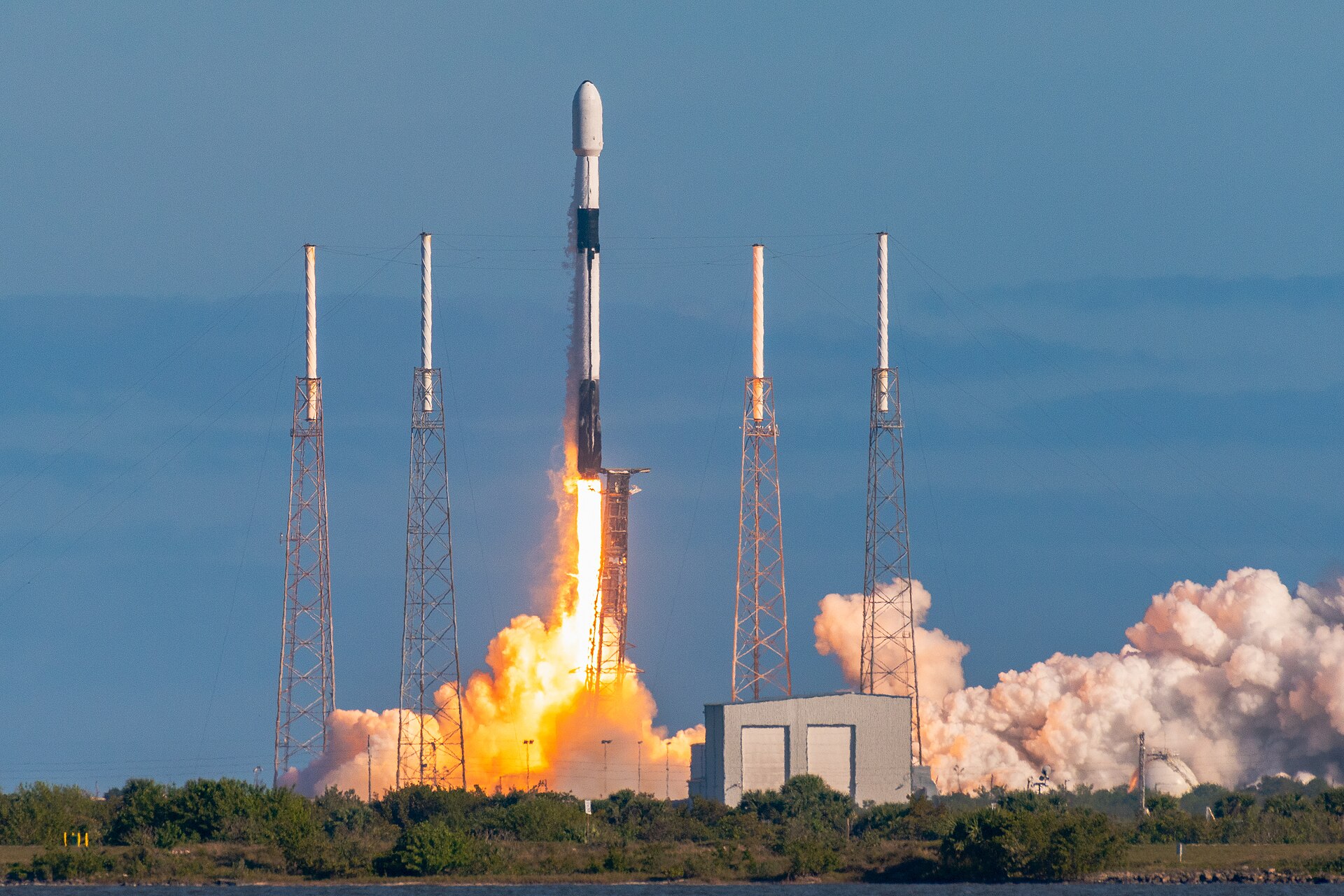
SpaceX successfully launched another batch of Starlink satellites and received approval for a new Starship launch site, while facing challenges with crew assignments on upcoming missions.
Today’s Space Brief covers the deployment of a new optical sensor for the Space Force, SpaceX's recent Starlink satellite launch, and significant investment in space cargo vehicles.
U.S. Space Force increased Andromeda contract ceiling to $6.2 billion for next-generation space situational awareness satellites replacing GSSAP and SILENTBARKER programs.
Object 55056 rode a SpaceX rideshare into orbit carrying more than customer satellites. It carried the survival of Momentus, a company that had already lost its founder to a national security review, settled SEC fraud charges, and watched its first space tug die in orbit.

South Korea's sophisticated network of robotic telescopes provides critical space situational awareness while strengthening the nation's position in space security amid regional tensions
SpaceX successfully launched 27 Starlink satellites, marking another milestone for its broadband internet service. Meanwhile, the latest GPS III satellite was also launched for the U.S. military, showcasing SpaceX's multifaceted capabilities.

Today's highlights include the ongoing Crew-11 mission launch and Starship preparations for its upcoming test flight.

In today's briefing: China accelerates its satellite megaconstellation. A comprehensive ESA-led optical data network is in the works, marking a key step in satellite communications. NASA's Artemis II crew visits Ohio in preparation for their lunar journey. SpaceX's record-breaking rocket launches continue. Plus, insights into nuclear rockets that could drastically shorten Mars missions.