


X Report 12 Nov 2025
SpaceX breaks records with its 94th launch of the year while planning to ramp up Starship production to unprecedented levels.



Launch Date
November 4, 1965
Launch Site
KYMSC
Launch Pad
Unknown
Launch Vehicle
Unknown
NORAD ID
01789
International Designator
N/A
Decay Date
11/28/1965
Name
COSMOS 95 DEB
Alternative Name
deb Blok Kosmos R-12
Type
Status
Owner
RVSN
Country
USSR
Constellation
N/A
Related Satellites
Major Events
N/A
Length
0
Diameter
0
Span
0
Dry Mass
0
Launch Mass
0
Shape
N/A
Radar Cross Section
Unknown
Visual Magnitude
Unknown
Color
Unknown
Material Composition
Unknown
Payload
Unknown
Purpose
Unknown
Mission
Unknown
Manufacturer
Unknown
Life Expectancy
Unknown
Bus
Unknown
Configuration
Unknown
Motor
Unknown
Equipment
Unknown
Power System
Unknown
ADCS
Unknown
Transmitter Frequency
Unknown
Learn more about satellites and other related topics.
SpaceX breaks records with its 94th launch of the year while planning to ramp up Starship production to unprecedented levels.
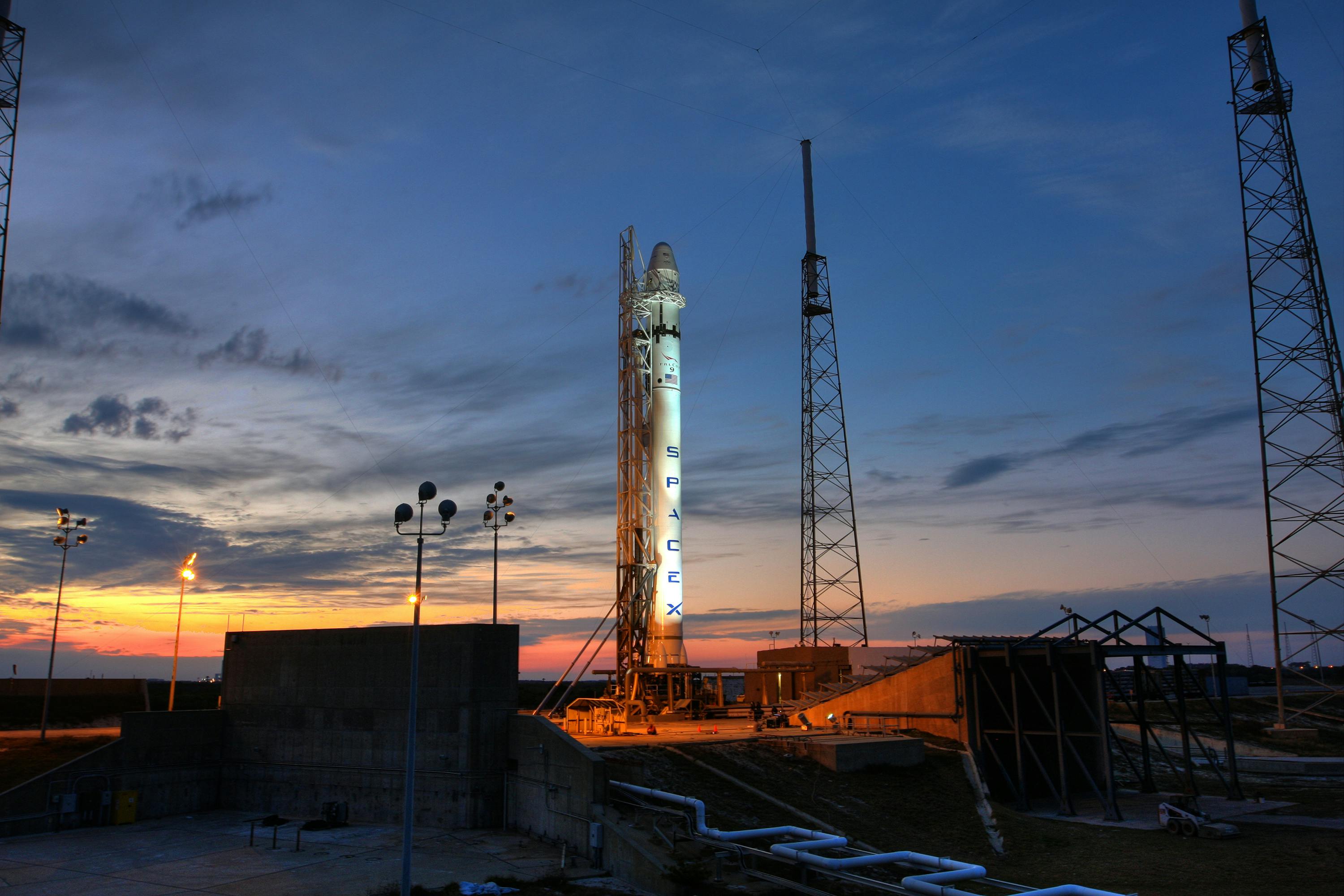
SpaceX successfully launched 29 Starlink satellites, bolstering its broadband network and expanding global internet coverage.
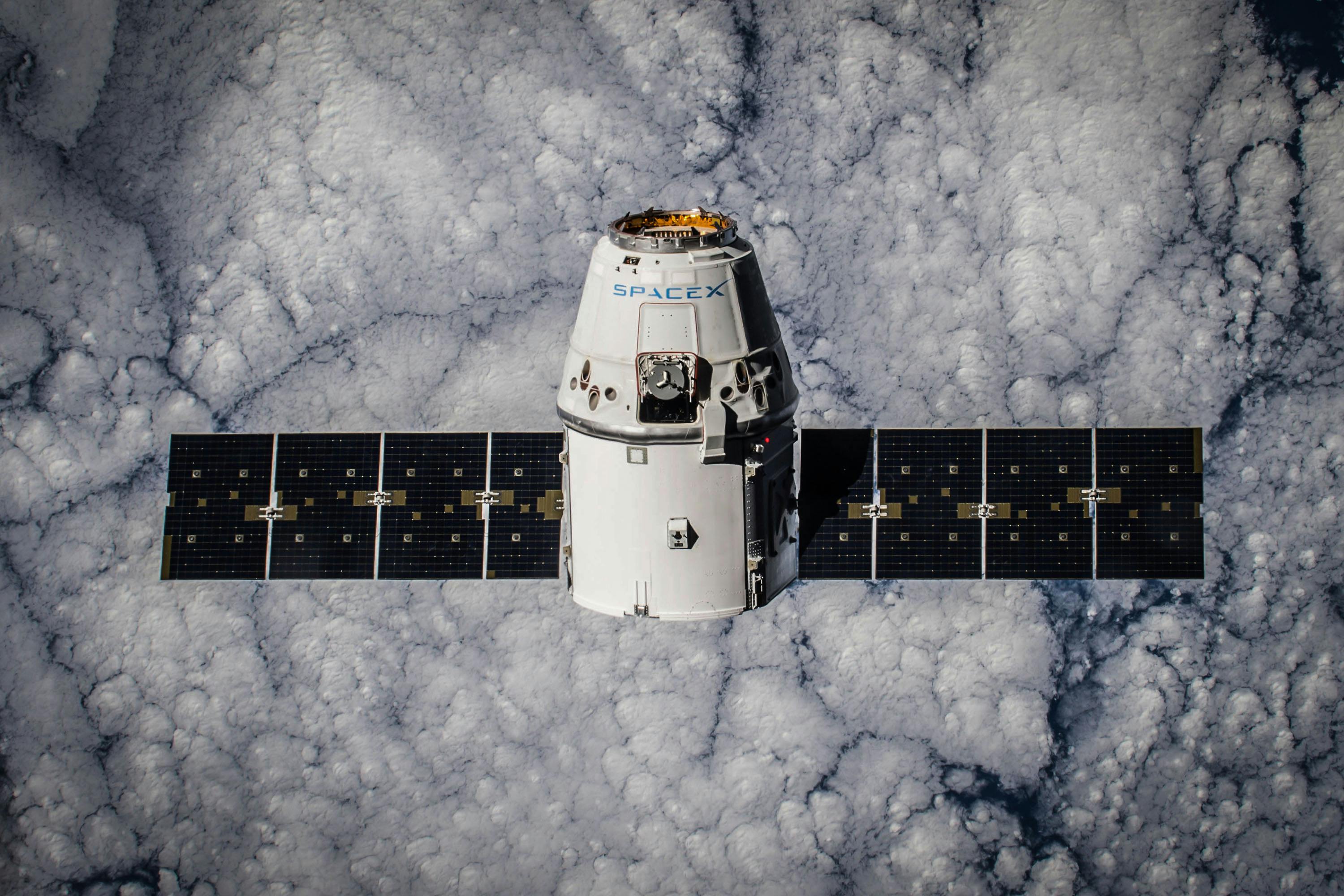
SpaceX prepares for a new cargo-return mission with Atmos, deploys imaging satellites, and gears up for Axiom-4 private astronaut launch.
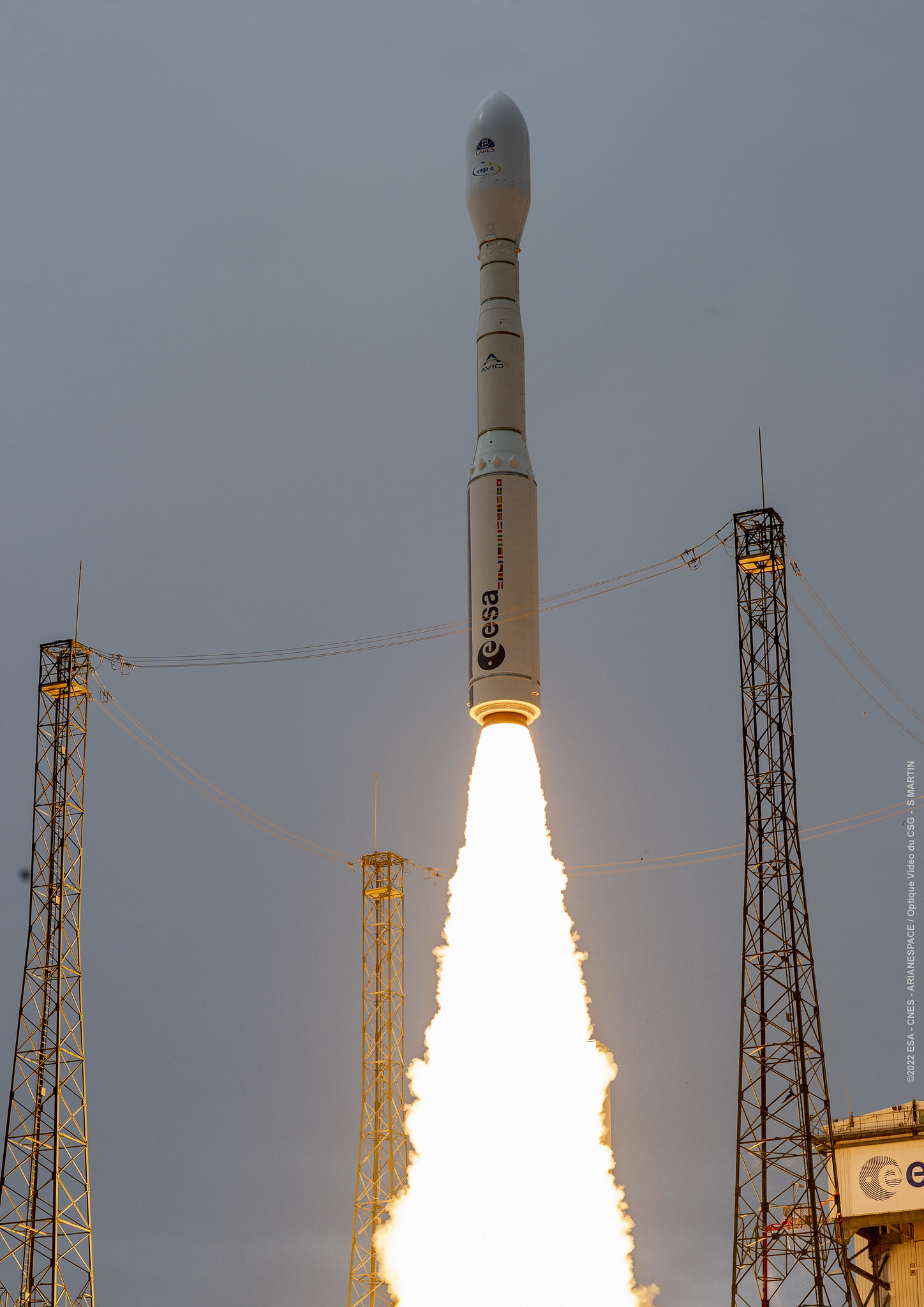
Today's Space Brief covers key topics including new defense mandates for space, Firefly Aerospace's public filing, major funding for Varda Space Industries, and updates on SpaceX's Crew-11 mission and a mystery satellite launch.
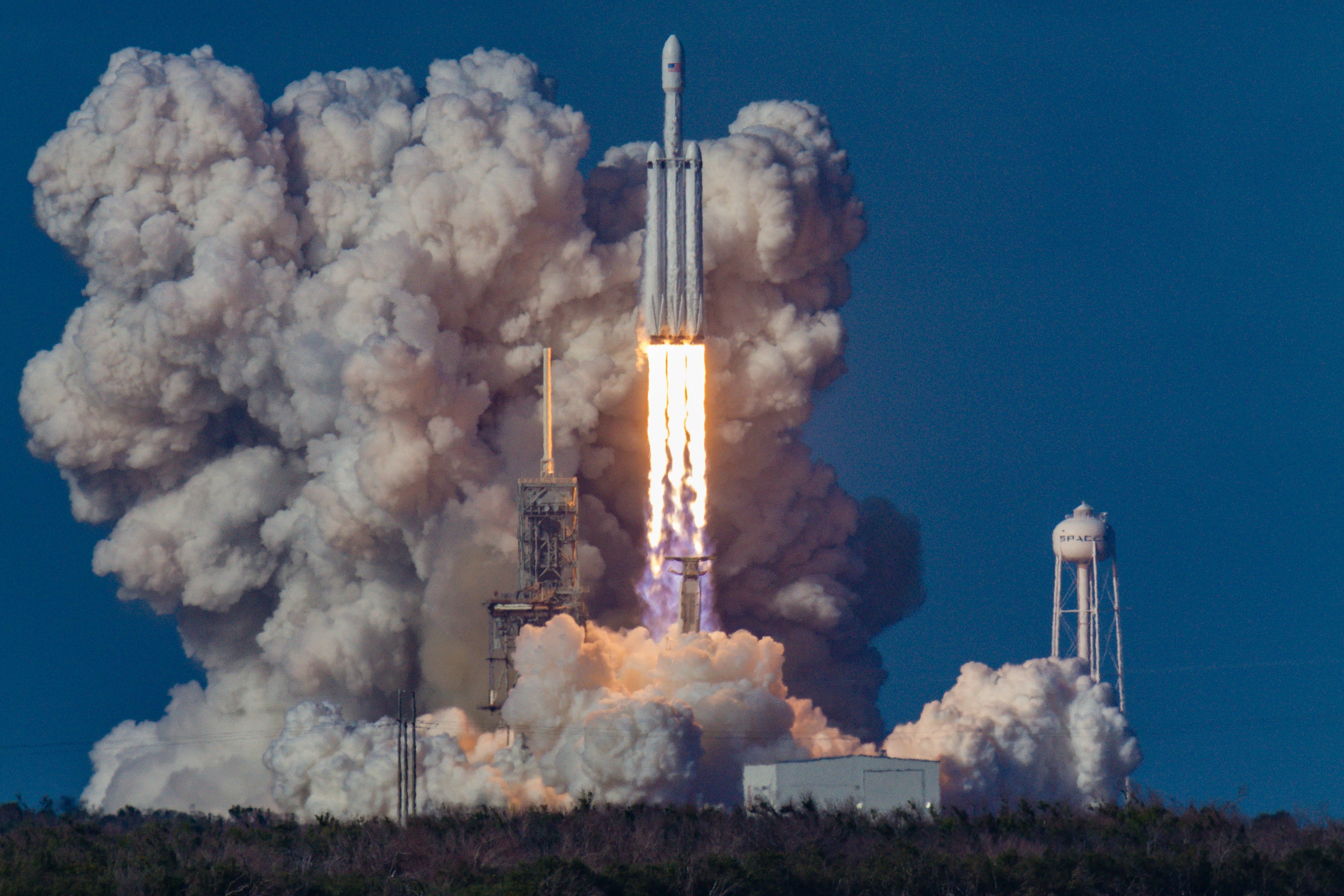
Trump reportedly asked Musk to donate SpaceX equity to seed children's savings accounts as Starlink tops 10,706 working satellites in orbit.
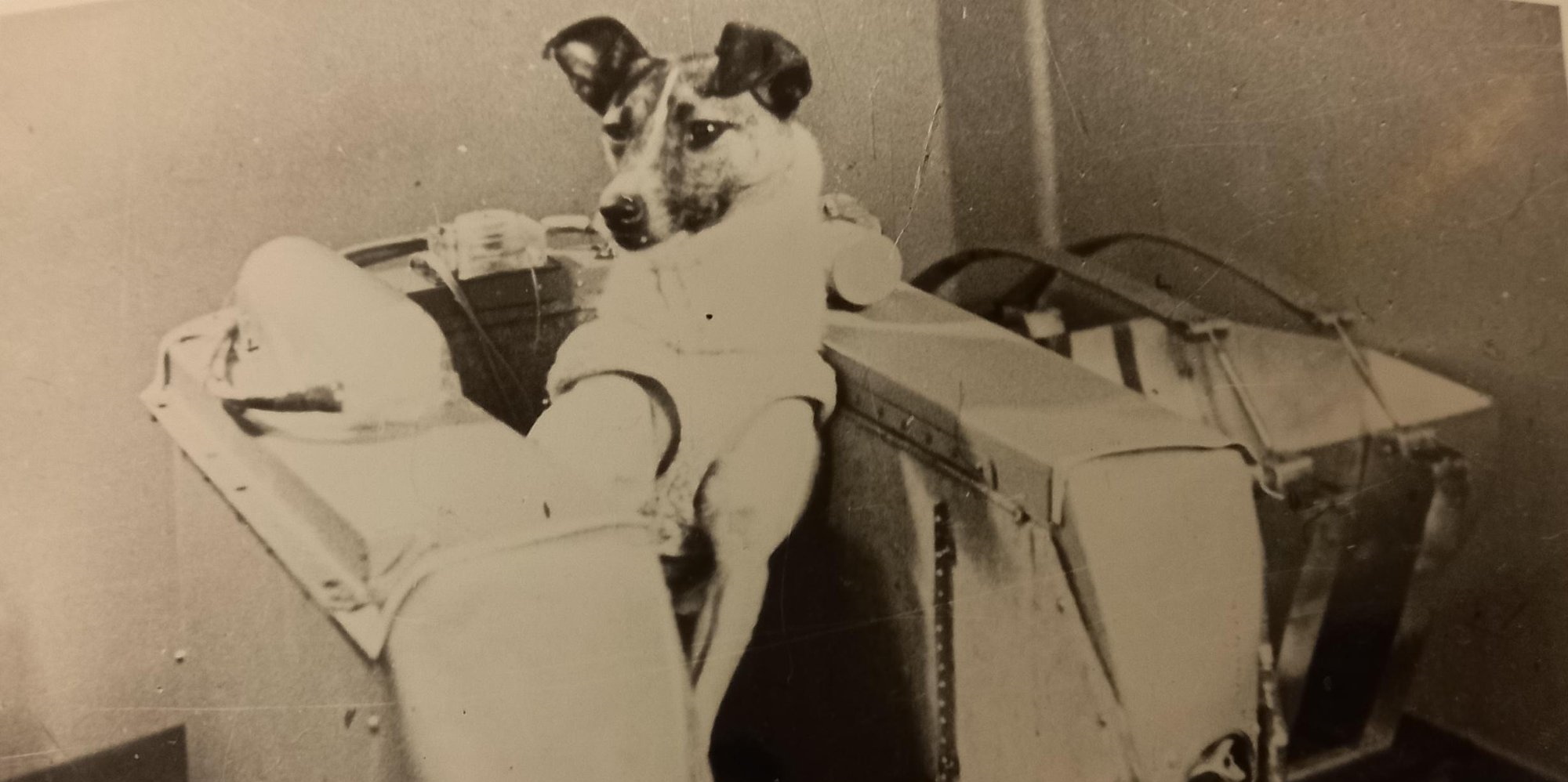
On April 14, 1958, Sputnik 2 burned up over the North Atlantic, carrying the remains of a stray dog from Moscow who had been dead for five months. The Soviet Union told the world she survived for days. It took forty-five years for the truth to come out.
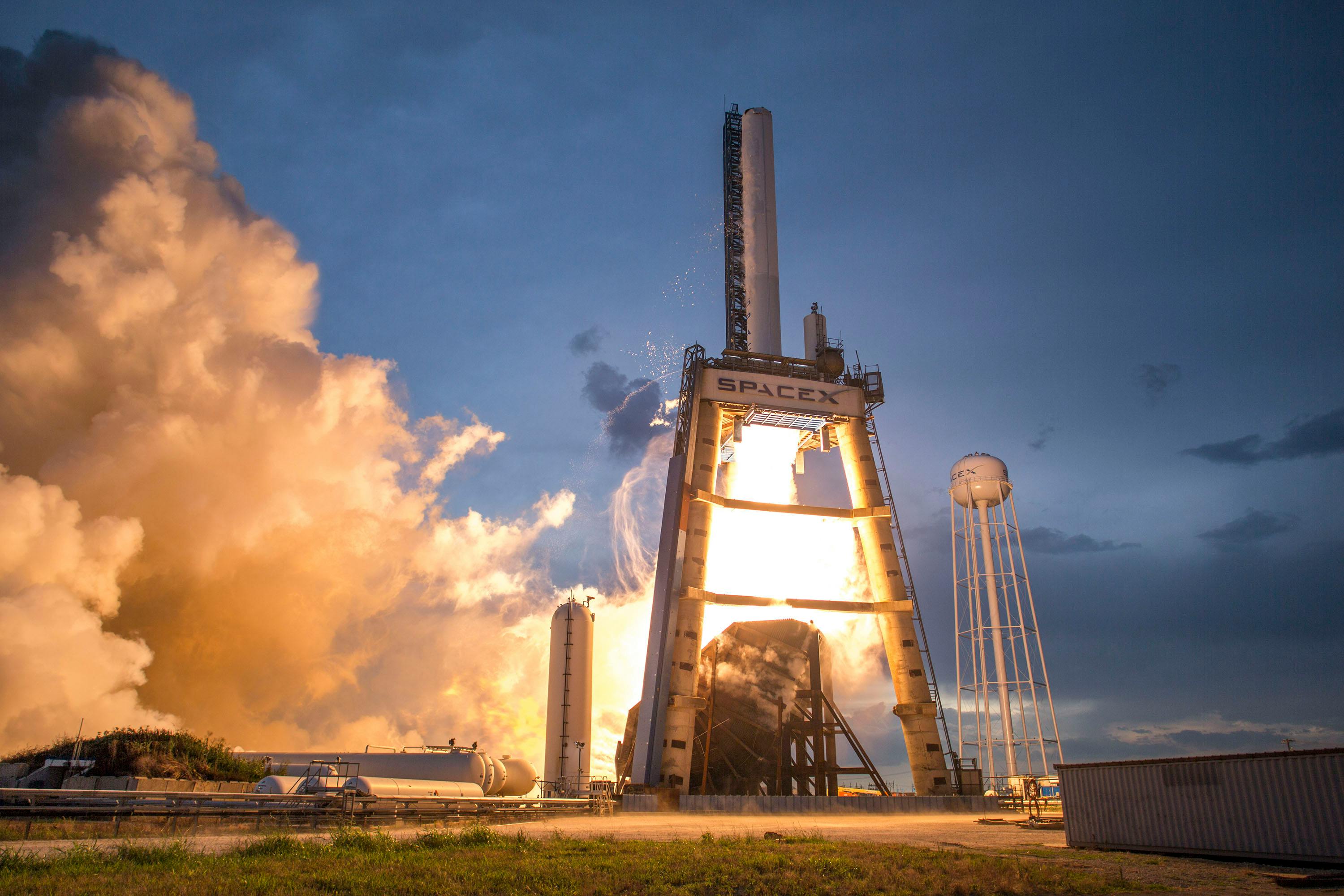
SpaceX wins a $4.16B Pentagon contract for missile-tracking satellites, while hitting its 50th Starlink launch of 2026 in a landmark May.
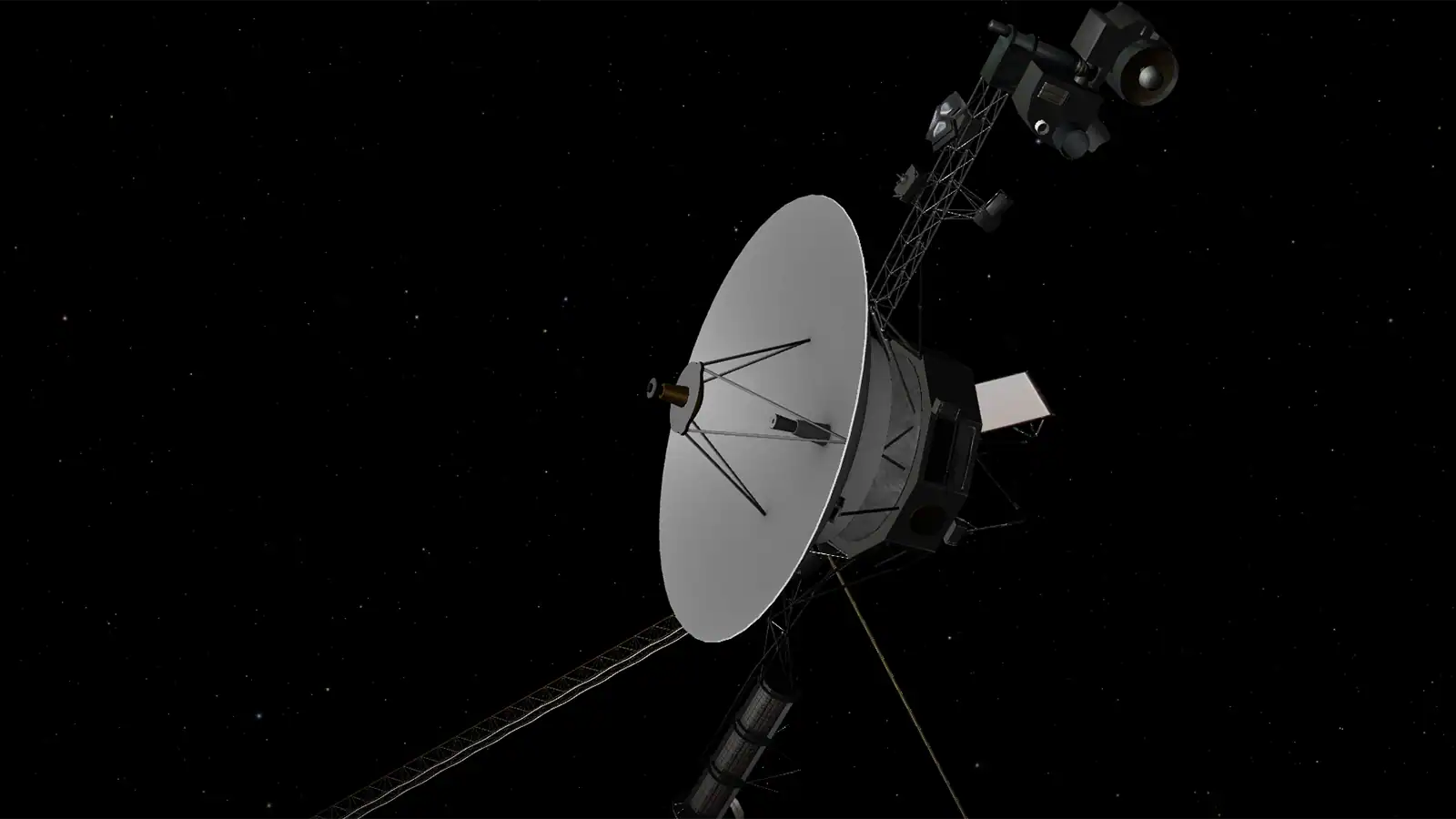
In November 2023, Earth's most distant spacecraft started speaking gibberish. Five months, one dead memory chip, and 30 billion miles of round-trip troubleshooting later, engineers got it talking again - using code written before most of them were born.