SL-8 DEB (01544)

COSPAR: 1965-020CQ | Alt Name: deb Kosmos 65S3 No. 4L
DECAYED

Image
SL-8 DEB Satellite Image
Additional Sources
Launch Details

Launch Date

March 15, 1965

Launch Pad

LC41/15

Launch Vehicle

Kosmos 65S3

Orbital Elements

NORAD ID

01544

International Designator

1965-020CQ

Decay Date

2/22/1967

Explore in the Catalog
Basic Satellite Info

Name

SL-8 DEB

Alternative Name

deb Kosmos 65S3 No. 4L

Type

Debris

Status

Space Junk

Owner

RVSN

Country

USSR

Constellation

N/A

Related Satellites

Major Events

N/A

Summary
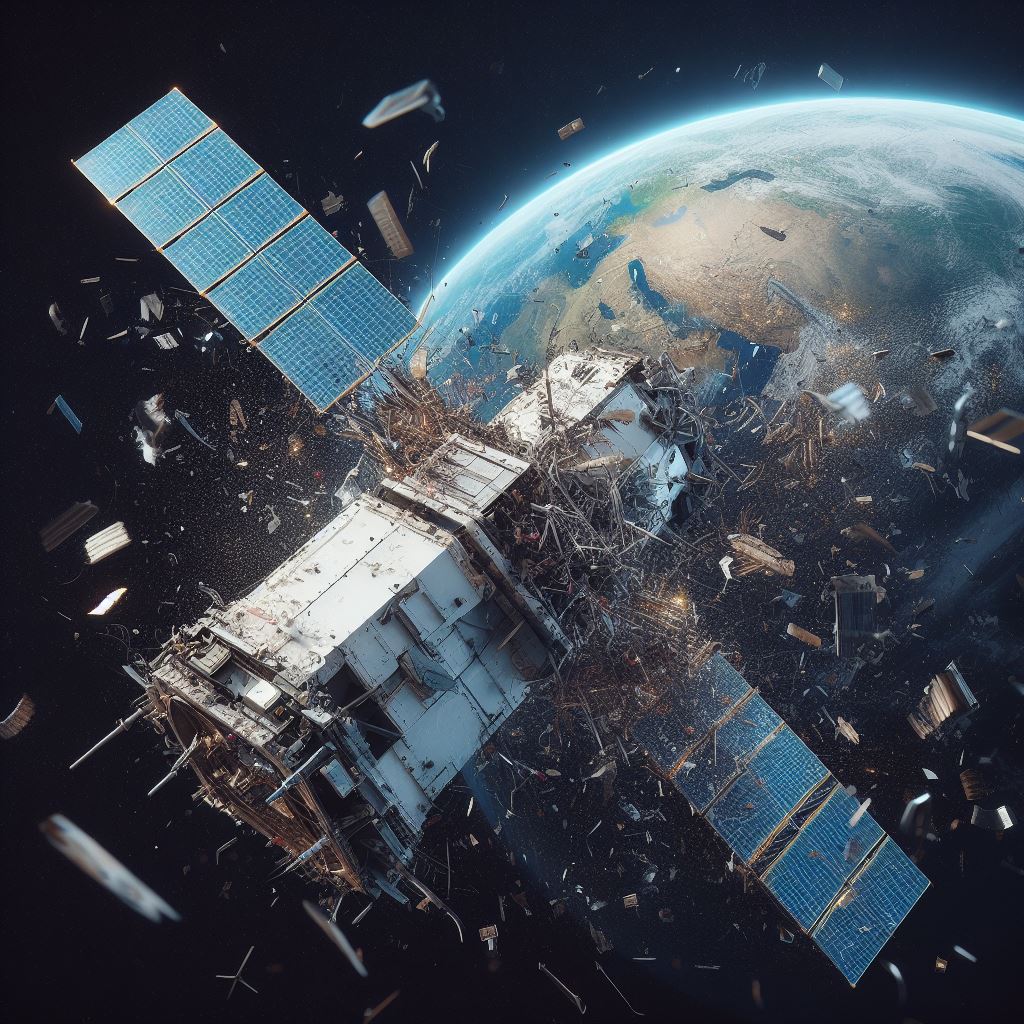
Space debris, also known as space junk, encompasses all non-functional objects orbiting Earth such as defunct satellites, spent rocket stages, and fragments from collisions or disintegrations. Over time, this debris can accumulate and create an increasingly hazardous environment in orbit. Even tiny fragments, traveling at extremely high velocities, can inflict significant damage on operational satellites and spacecraft. If left unmanaged, the density of debris raises the risk of catastrophic collisions and further fragmentation, compounding the problem and threatening the safety and sustainability of space activities.
Physical Characteristics

Length

0

Diameter

0

Span

0

Dry Mass

0

Launch Mass

0

Shape

N/A

Radar Cross Section

Unknown

Visual Magnitude

Unknown

Color

Unknown

Material Composition

Unknown

Technical Details

Payload

Unknown

Purpose

Unknown

Mission

Unknown

Manufacturer

Unknown

Life Expectancy

Unknown

Bus

Unknown

Configuration

Unknown

Motor

Unknown

Equipment

Unknown

Power System

Unknown

ADCS

Unknown

Transmitter Frequency

Unknown

Satellite Articles

View All Posts »

Learn more about satellites and other related topics.

The Moon Landing That Almost Didn't Happen

The Moon Landing That Almost Didn't Happen

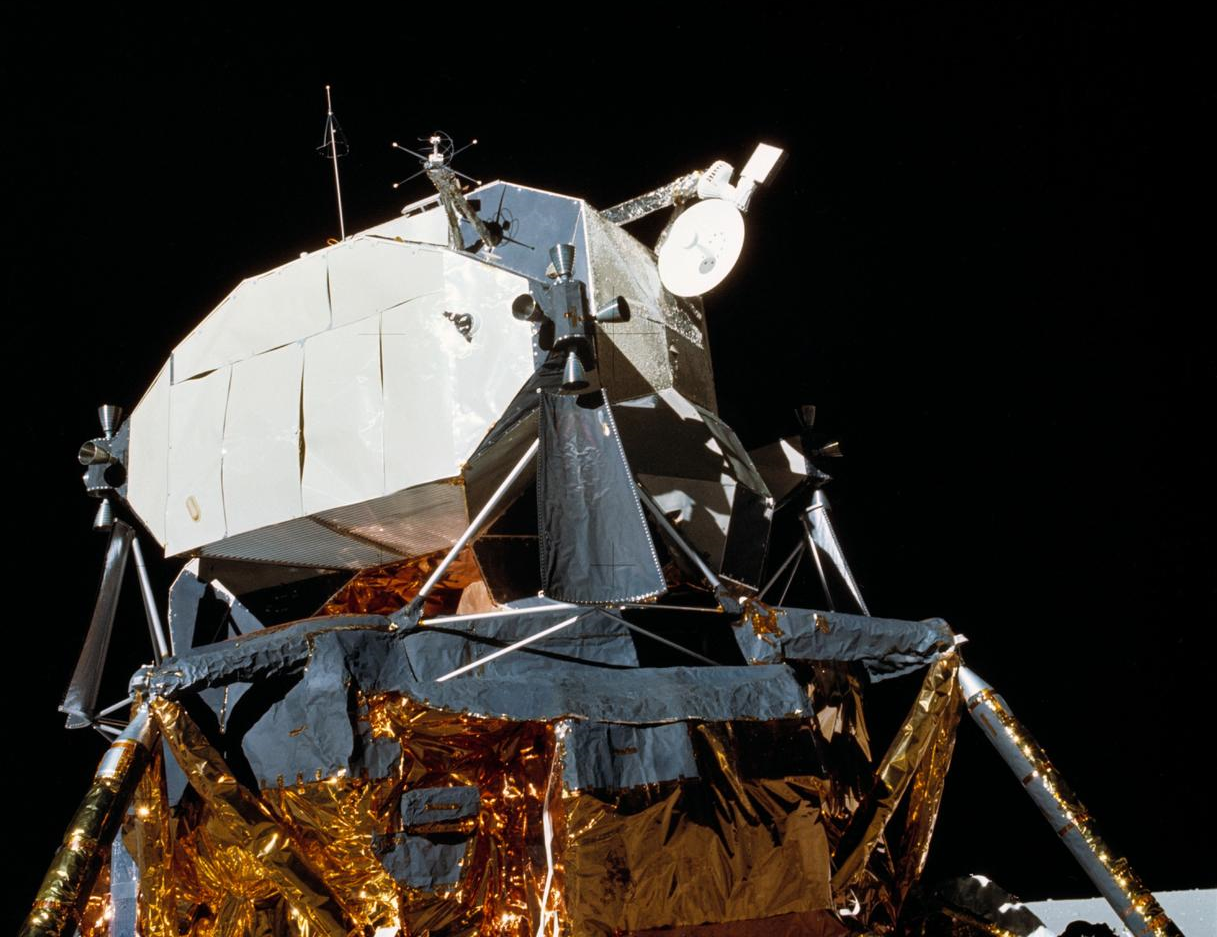
Six hours behind schedule, with a backup engine system shuddering in lunar orbit and mission controllers in Houston running out of options, Apollo 16 came within one meeting of being sent home without landing. The problem was a wobble in a gimbal. The solution was math done under pressure.
X Report 5 Nov 2025

X Report 5 Nov 2025

Today's key development highlights SpaceX's upcoming launch of 29 Starlink satellites from Cape Canaveral, marking the start of an active month for the satellite constellation.

NASA Ends MAVEN After 6-Month Contact Loss; Falcon 9 Sets 35th Reuse Record | KeepTrack Space Brief

NASA Ends MAVEN After 6-Month Contact Loss; Falcon 9 Sets 35th Reuse Record | KeepTrack Space Brief

NASA concludes MAVEN mission after six months attempting to restore contact with Mars probe. Meanwhile, Falcon 9 booster flies record 35th flight on Starlink 10-35 mission.

Starship Launch Site Construction Advances at Kennedy Space Center | KeepTrack X Report

Starship Launch Site Construction Advances at Kennedy Space Center | KeepTrack X Report

Starship launch site construction progresses at Kennedy Space Center and Cape Canaveral. Elon Musk trolls Ryanair after budget airline refuses to install Starlink on its fleet.

X Report 31 Jul 2025

X Report 31 Jul 2025

Today's highlights include the ongoing Crew-11 mission launch and Starship preparations for its upcoming test flight.

New Glenn Damaged in Hotfire Anomaly at LC-36 | KeepTrack Space Brief

New Glenn Damaged in Hotfire Anomaly at LC-36 | KeepTrack Space Brief

Blue Origin's New Glenn suffered a damaging anomaly during hotfire testing at Launch Complex 36, grounding the heavy-lift rocket indefinitely with no return-to-flight timeline announced.

X Report 15 Nov 2024

X Report 15 Nov 2024

SpaceX preps for its sixth Starship test flight, moving the Super Heavy rocket to the pad. China's unveils a Starship-like reusable rocket concept, while Starlink expands with 24 new satellites launched.

The Day Superpowers Shared Space

The Day Superpowers Shared Space

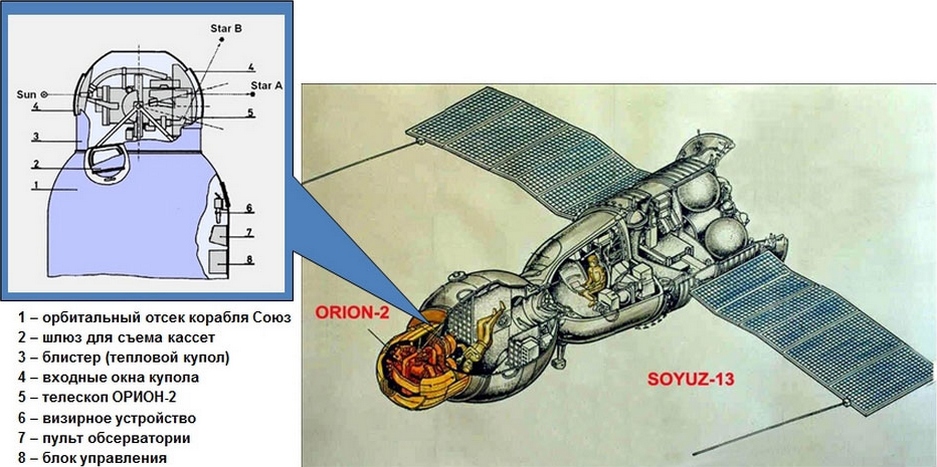
Exactly 52 years ago today, the Soviet Union launched Soyuz 13 - a scientific mission that marked the first time American astronauts and Soviet cosmonauts orbited Earth simultaneously. Armed with a revolutionary ultraviolet telescope, Pyotr Klimuk and Valentin Lebedev would discover elements never before seen in distant nebulae.