

X Report 25 Feb 2025
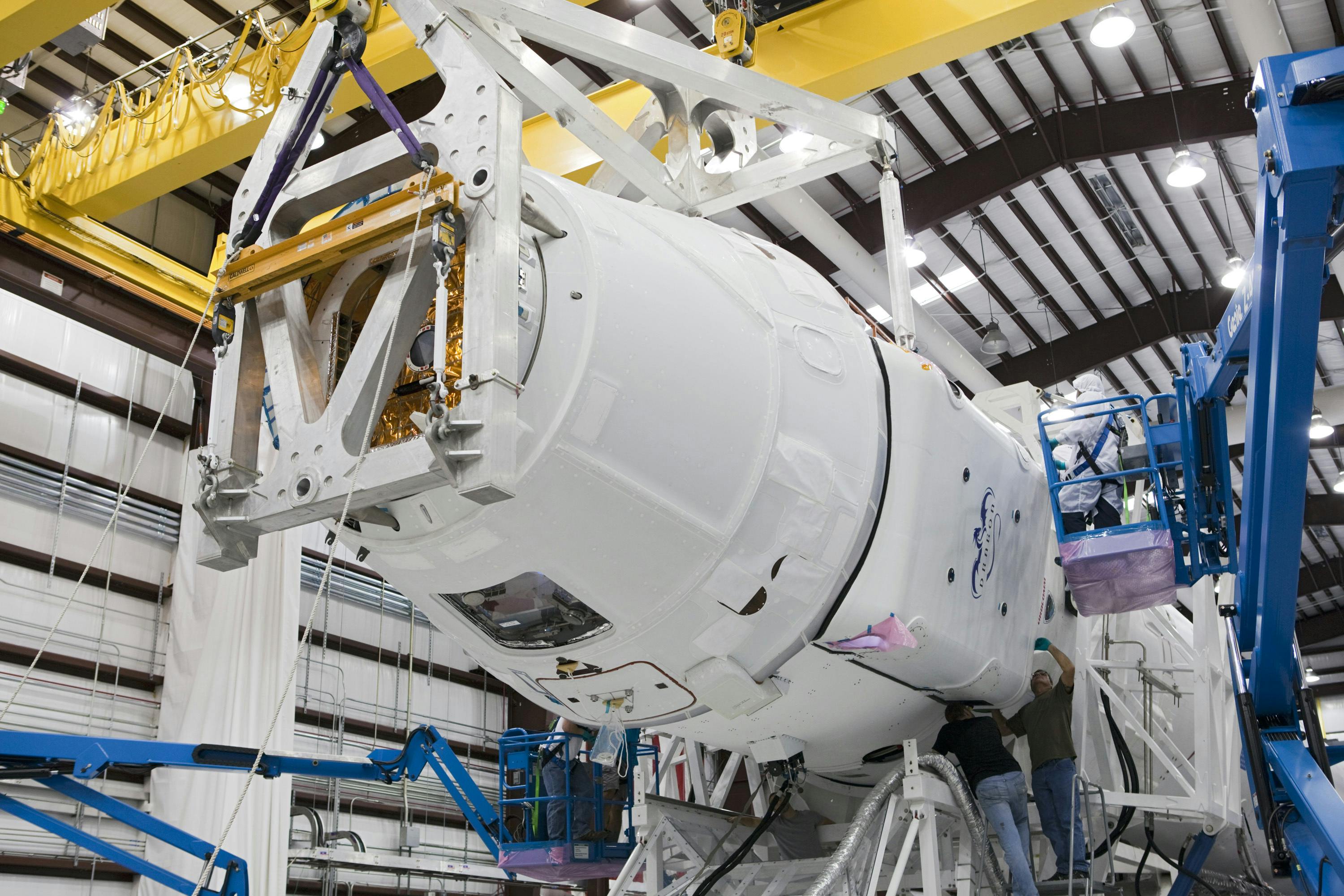
SpaceX has completed the investigation into Starship Flight 7, announcing causes ahead of the next planned launch, while numerous missions are lined up for launch this week.


Launch Date
May 9, 1965
Launch Site
Launch Pad
Unknown
Launch Vehicle
Unknown
NORAD ID
01369
International Designator
N/A
Decay Date
5/10/1965
Name
SL-6 R/B
Alternative Name
Molniya 8K78(M) (N26) Blok-I
Type
Status
Owner
RVSN
Country
USSR
Constellation
N/A
Related Satellites
Major Events
N/A
Length
9.4
Diameter
2.7
Span
9.4
Dry Mass
2000
Launch Mass
2000
Shape
Cyl
Radar Cross Section
Unknown
Visual Magnitude
Unknown
Color
Unknown
Material Composition
Unknown
Payload
8K78I
Purpose
Unknown
Mission
Unknown
Manufacturer
PROG
Life Expectancy
Unknown
Bus
Blok-I
Configuration
Unknown
Motor
Unknown
Equipment
Unknown
Power System
Unknown
ADCS
Unknown
Transmitter Frequency
Unknown
Learn more about satellites and other related topics.
SpaceX has completed the investigation into Starship Flight 7, announcing causes ahead of the next planned launch, while numerous missions are lined up for launch this week.
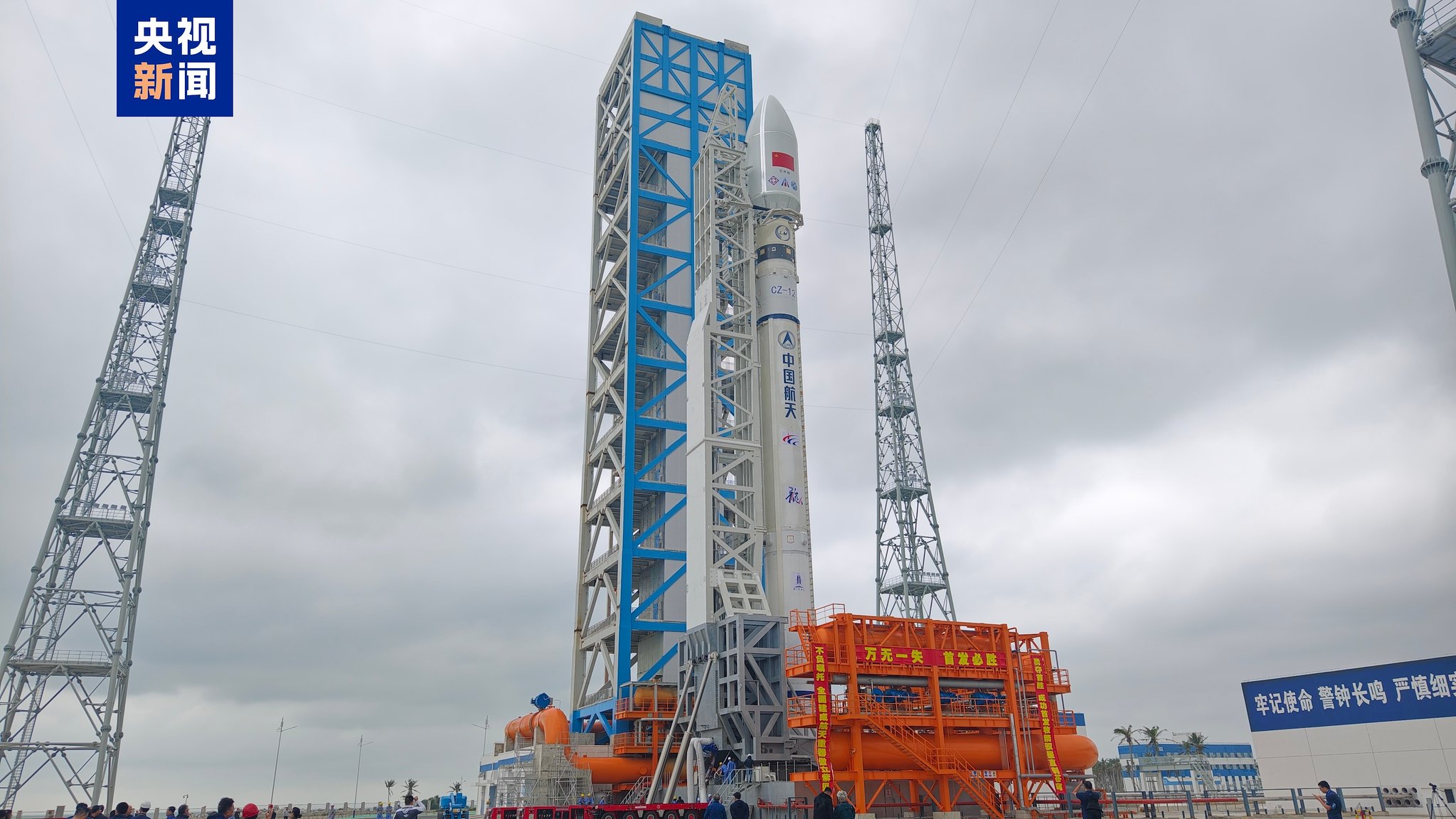
Today's brief covers China's new GEO Yaogan satellite launch, India's record-mass commsat, military tech updates, autonomous systems for maritime security, and insights from satellite imagery of Hurricane Melissa's impact in Jamaica.
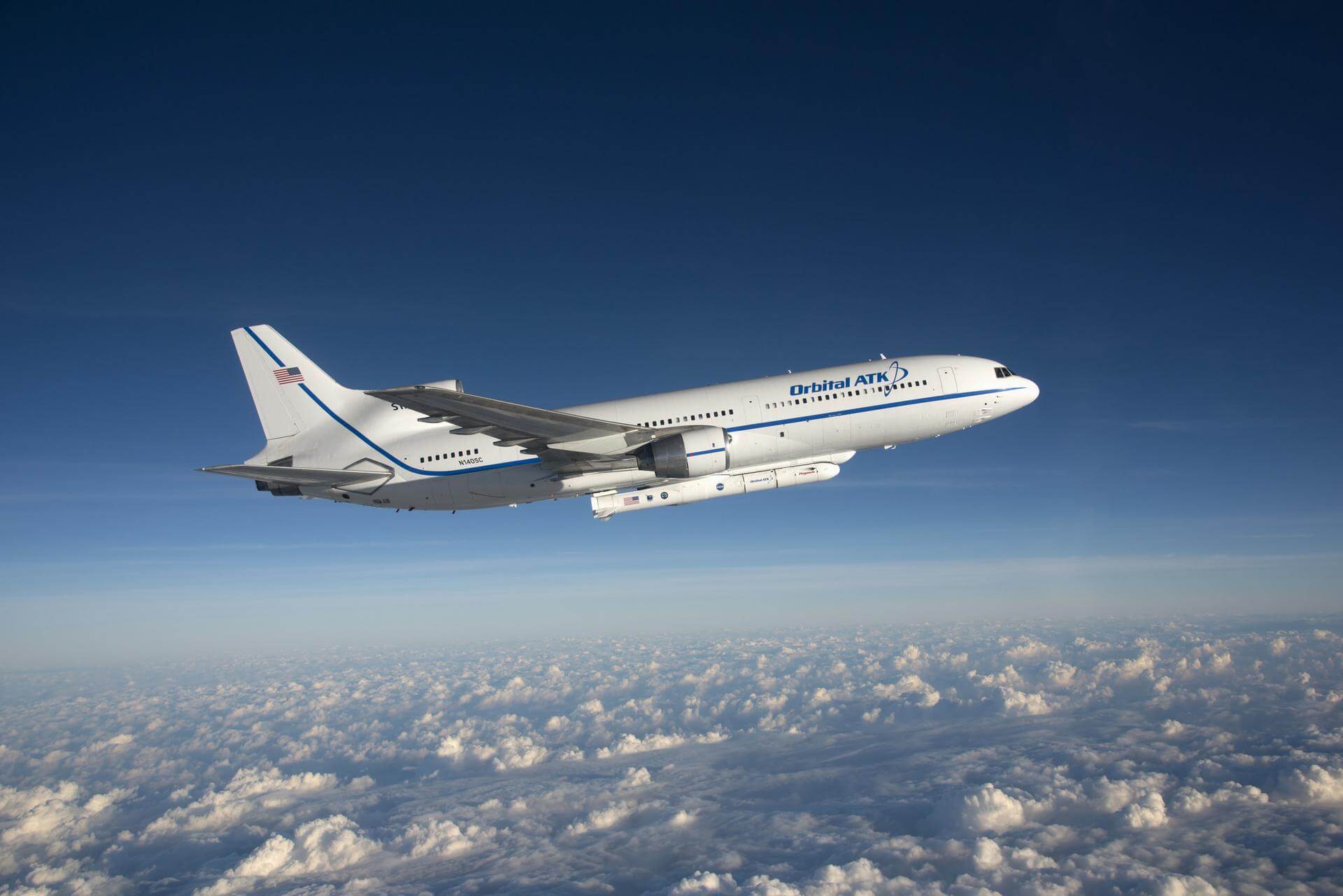
Space Force terminated its $1.7B SCAR ground antenna modernization contract and is relaunching competition. Delays extend reliance on aging legacy systems for MEO and GEO satellite command.
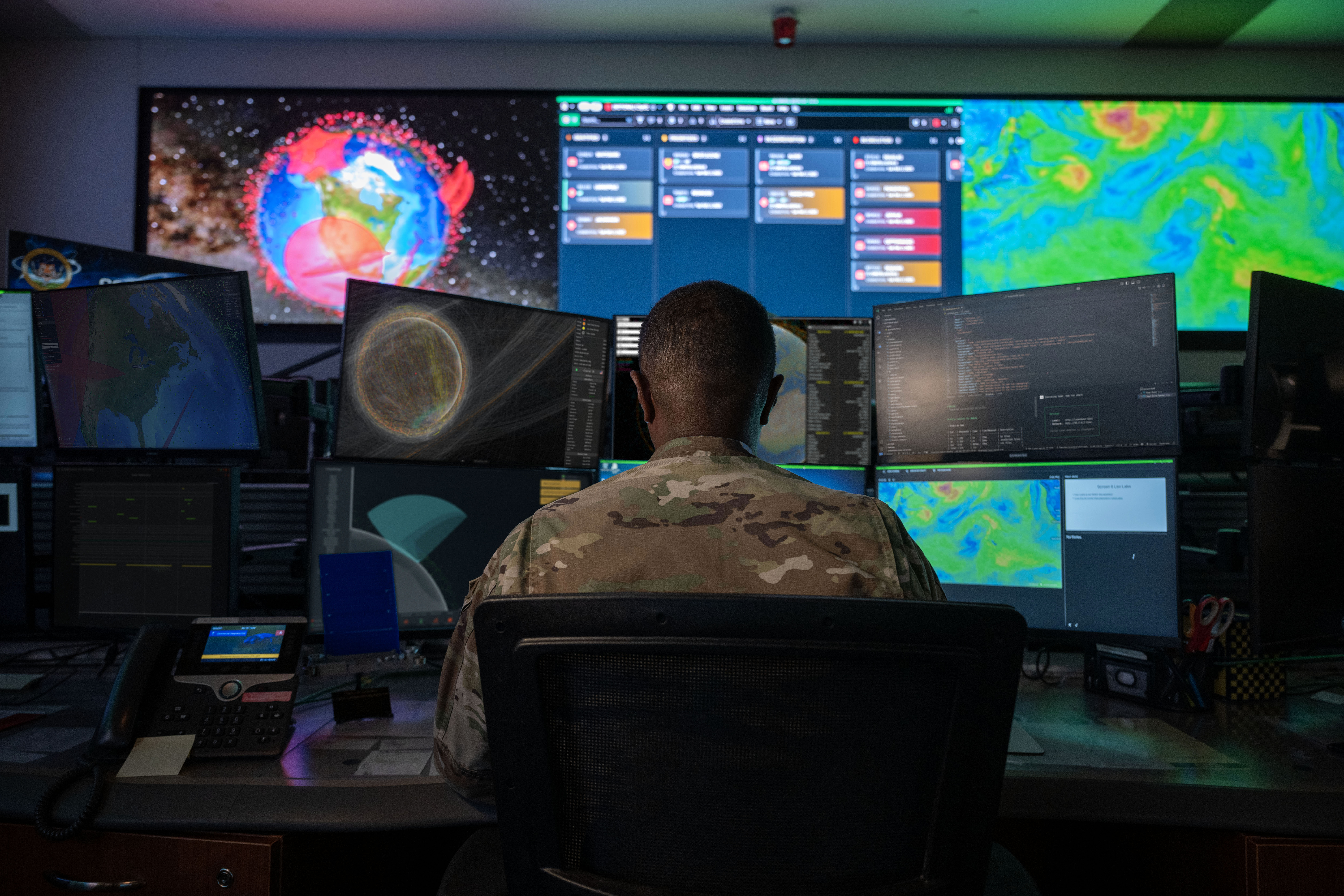
Pentagon gives Anthropic Friday deadline to loosen military AI policy. Space Force keeps Vulcan grounded over booster issue. Funding boost speeds missile-tracking satellites.

Elon Musk confirms Starship V3 tower catch attempt plans with SN1 headed for ground tests. SpaceX wraps February with 83 Starlink satellites across three launches. 9,826 sats on orbit.
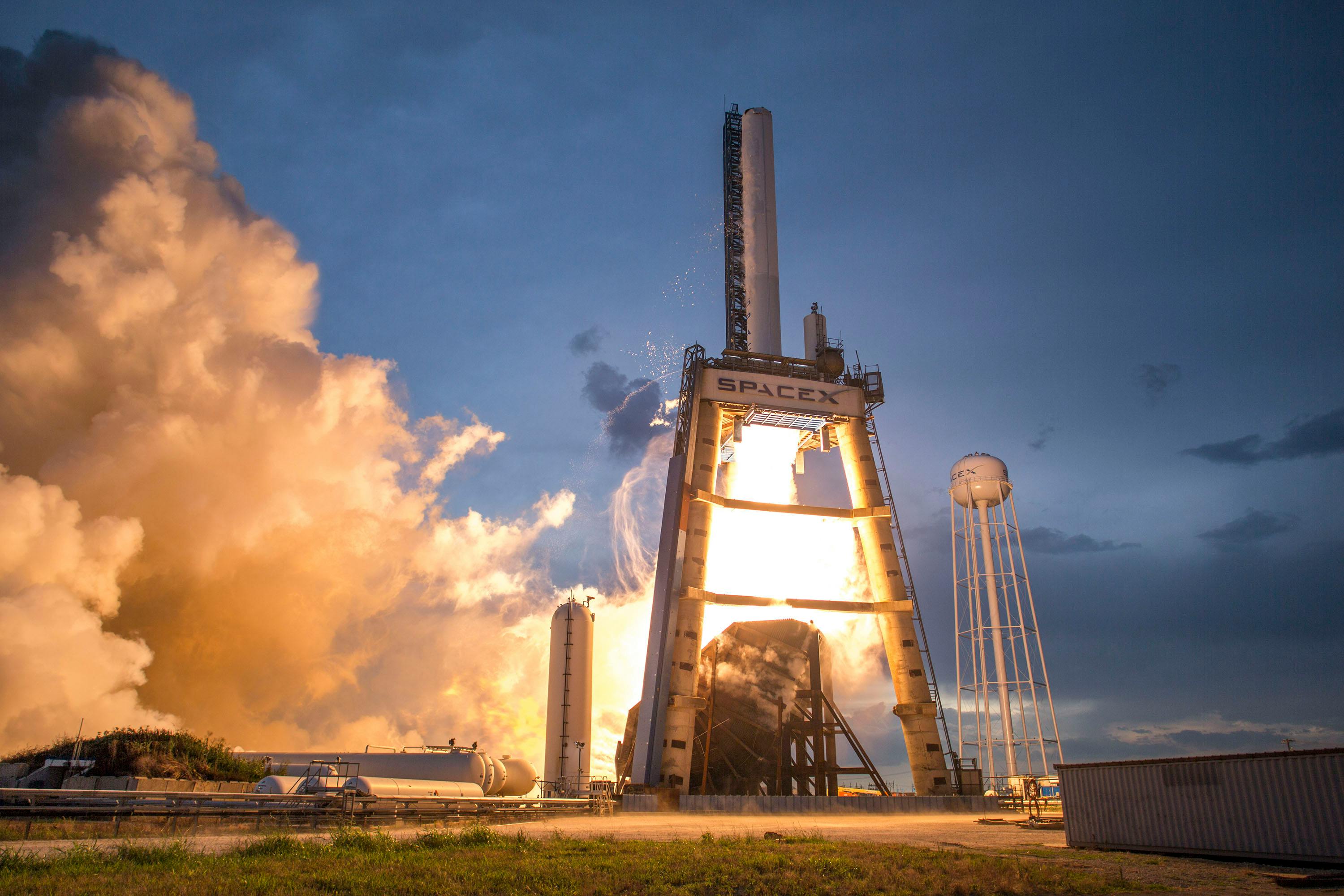
Today's briefing covers Starlink's role in disaster recovery in the Philippines, insights into the evolving direct-to-device market, and news of European plans for a reusable upper stage rocket inspired by SpaceX's Starship.
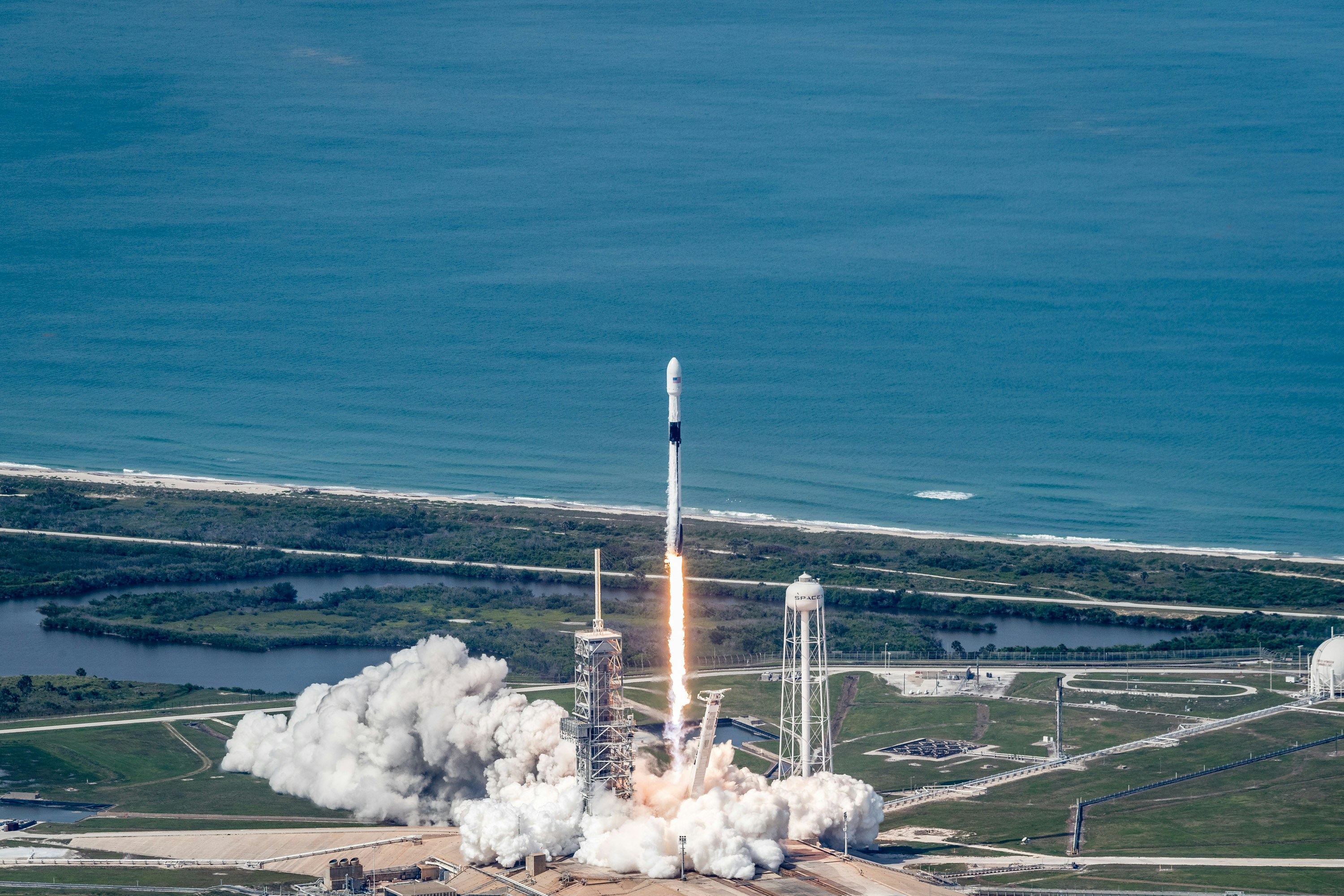
SpaceX's Falcon 9 rideshare lifted 45 satellites including South Korea's CAS500-2 Earth observer from Vandenberg at 0700 UTC May 3.
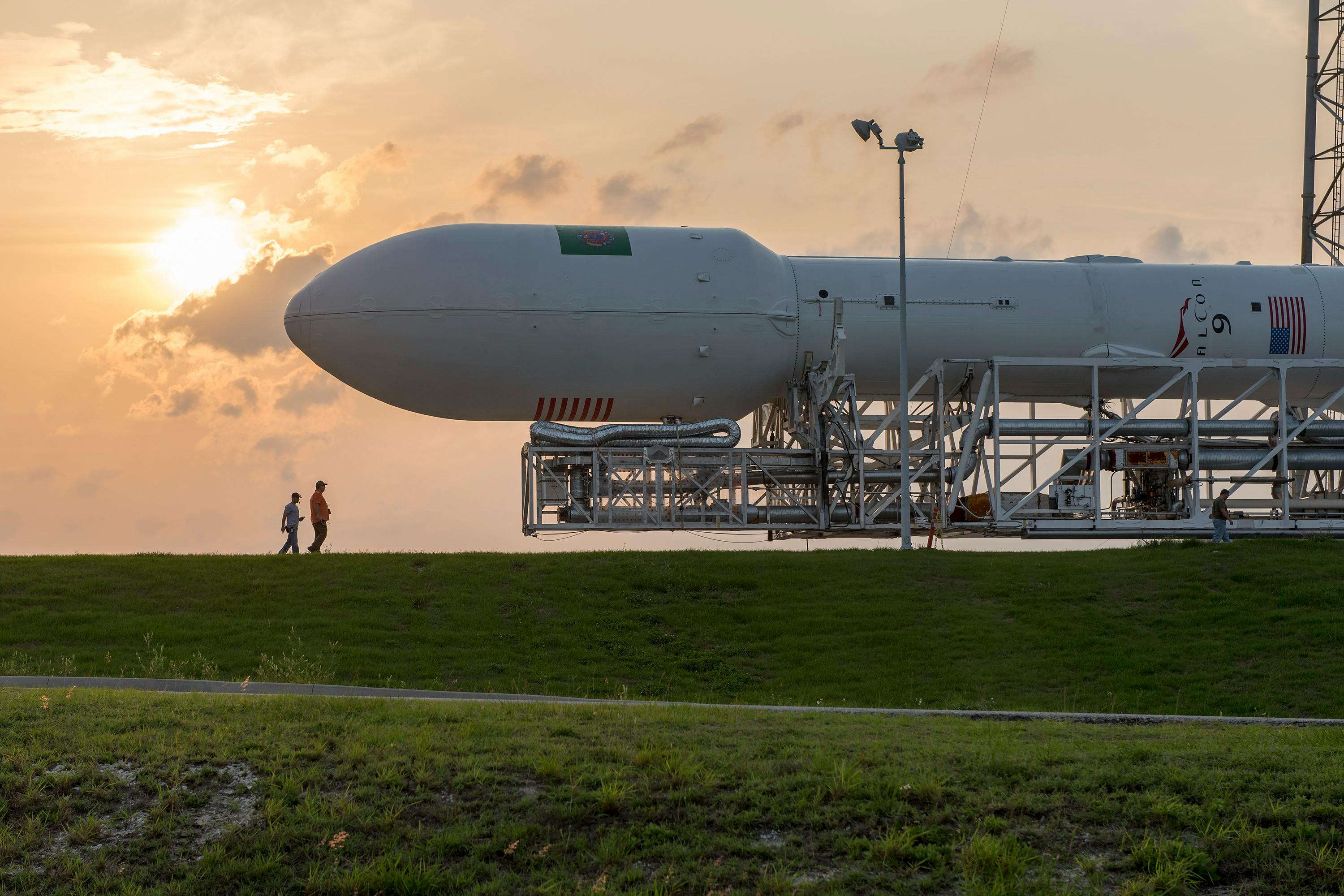
SpaceX's Falcon 9 delivered Northrop Grumman's second Cygnus XL — carrying over 5 tons of cargo — to the ISS on April 11, 2026.