


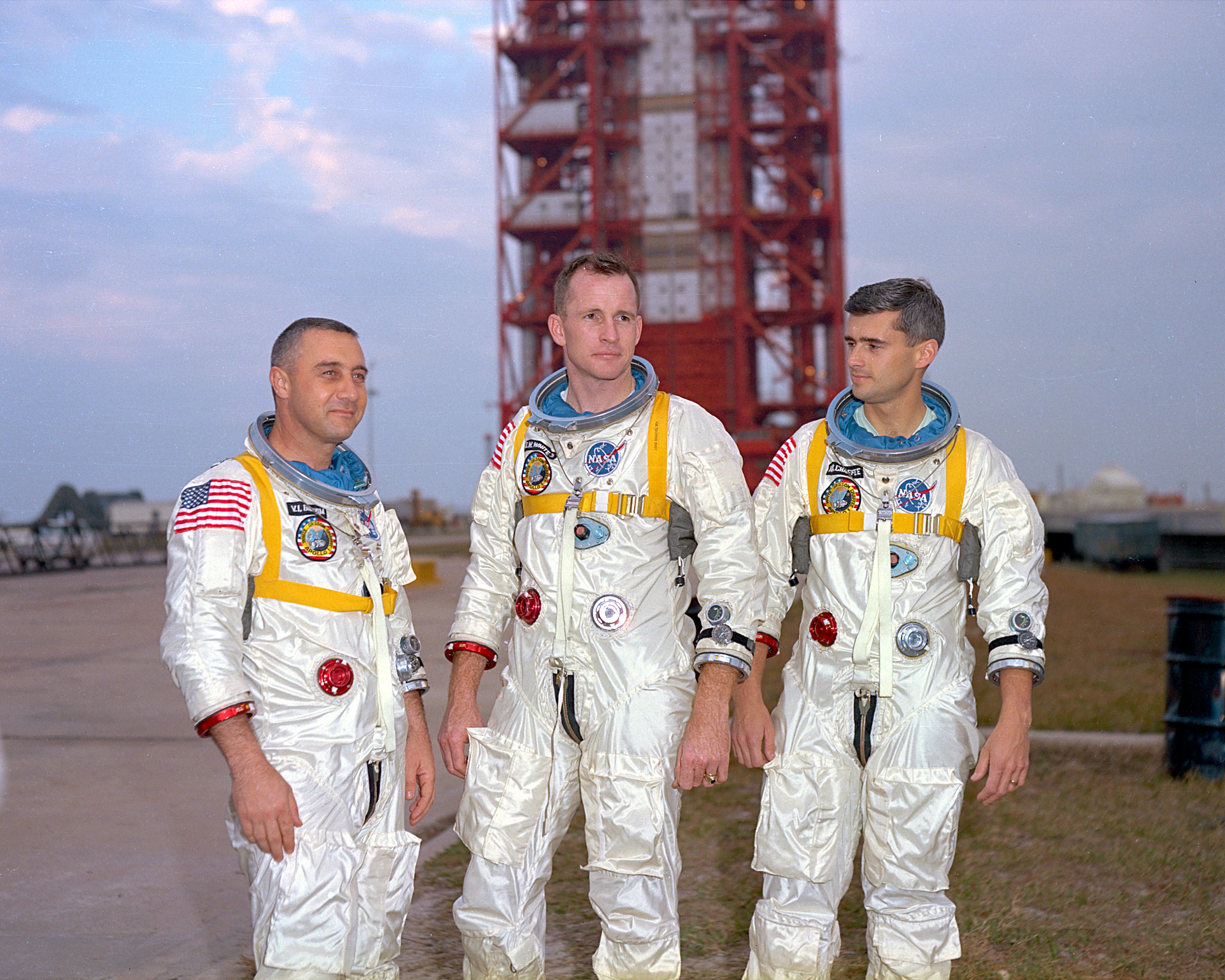
The Day We Lost Apollo 1
Fifty-eight years ago, a tragic fire during a routine test transformed spacecraft design and created the foundation of modern spaceflight safety culture


Launch Date
May 6, 1965
Launch Site
Launch Pad
LC20
Launch Vehicle
Titan IIIA
NORAD ID
01361
International Designator
1965-034C
Epoch
Sun, 19 Jul 2026 18:54:00 GMT
Apogee
Calculating...
Perigee
Calculating...
Inclination
32.14°
Right Ascension
99.61°
Eccentricity
Calculating...
Argument of Perigee
238.23°
Period
145.56 min
Mean Motion
9.89 rev/day
Latitude
Calculating...
Longitude
Calculating...
Altitude
Calculating...
Velocity
Calculating...
Name
LCS 1
Alternative Name
LCS 1
Type
Status
Owner
AFSSD/MITLL
Country
United States
Constellation
N/A
Related Satellites
Major Events
N/A
1 01361U 65034C 26200.78750750 .00000015 00000+0 86114-3 0 9996
2 01361 32.1412 99.6143 0012371 238.2303 121.6989 09.89310663213112
Source: Celestrak
Apologies, there is no summary for this satellite yet. I am working to generate these for every object in the catalog, but it is going to take time.
Length
1.1
Diameter
1.1
Span
1.1
Dry Mass
34
Launch Mass
34
Shape
Sphere
Radar Cross Section
0.8083
Visual Magnitude
Unknown
Color
Unknown
Material Composition
Unknown
Payload
LCS 1
Purpose
Radar Calibration
Mission
Radar Calibration
Manufacturer
ROHR/MITLL
Life Expectancy
~ 30000 years (#1); ~75 years (#4)
Bus
LCS
Configuration
Sphere
Motor
None
Equipment
None
Power System
None
ADCS
Unknown
Transmitter Frequency
Unknown
Learn more about satellites and other related topics.
Fifty-eight years ago, a tragic fire during a routine test transformed spacecraft design and created the foundation of modern spaceflight safety culture

SpaceX continues its historic launch cadence, includes Starlink expansion and business strategies in focus.

SpaceX delivered 3 Block 2 BlueBird satellites for AST SpaceMobile from Pad 40, advancing direct-to-cell broadband with 10,650 Starlink craft now active.
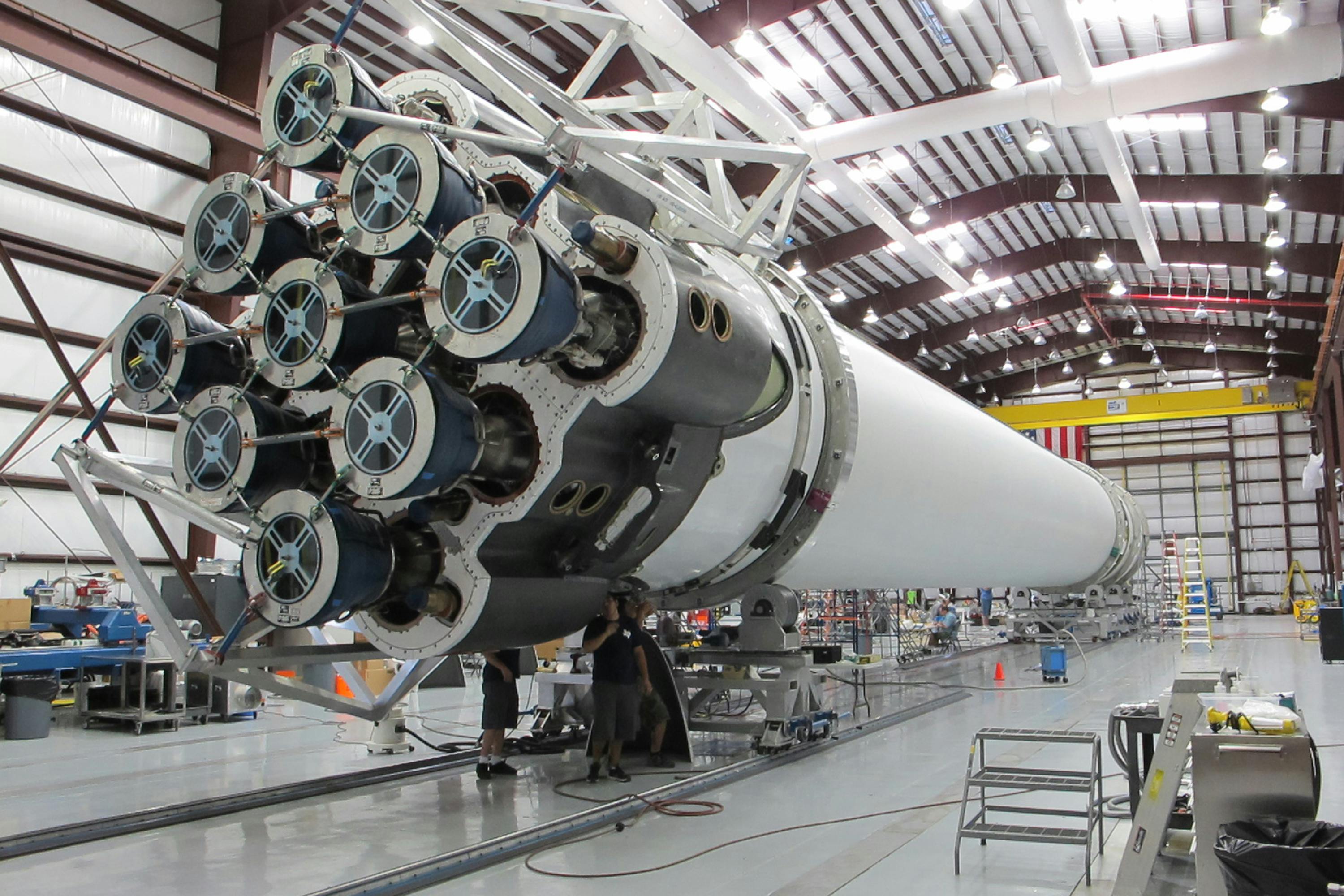
Booster B1067 hit 36 flights on July 9, while SpaceX files to expand Starlink to 100,000 satellites at 4,400 lbs each.
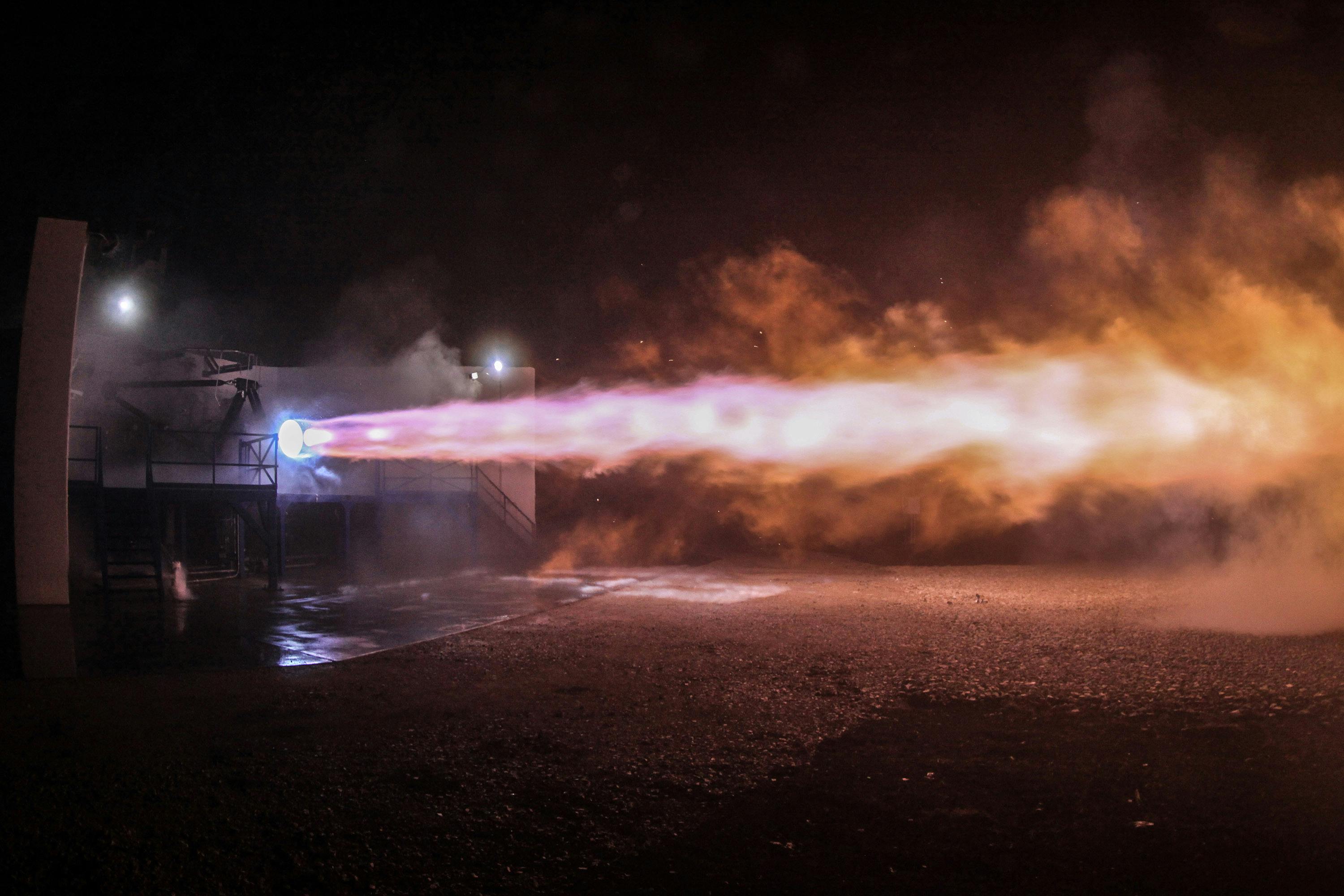
A Falcon 9 booster sets a reusability record on its 35th flight during the Starlink 10-35 mission, the constellation's 53rd dedicated launch.
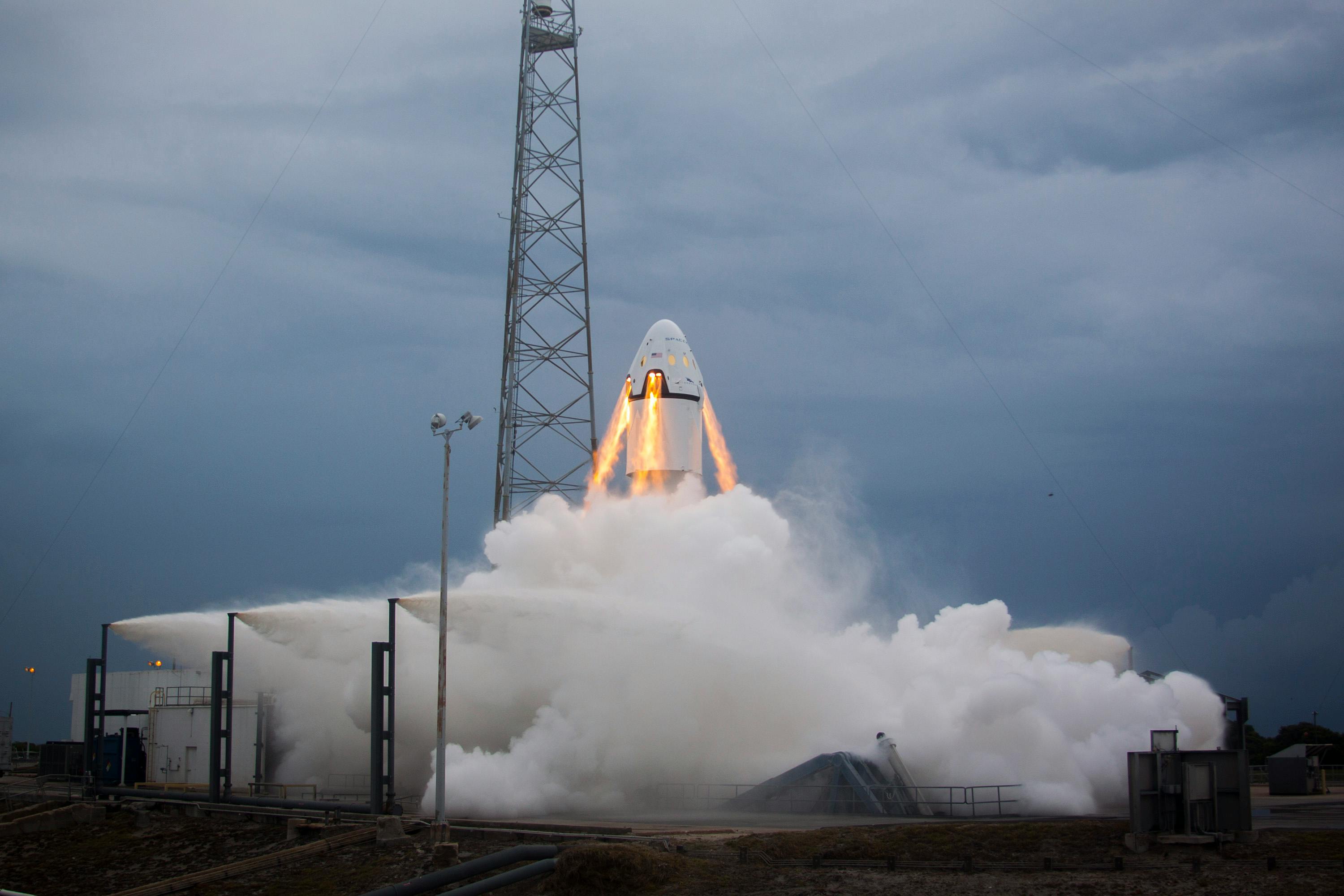
SpaceX continues strong momentum in June with successful satellite launches, a new service from Telstra, and updates on upcoming missions. Key developments are shaping the future of both space travel and satellite communications.
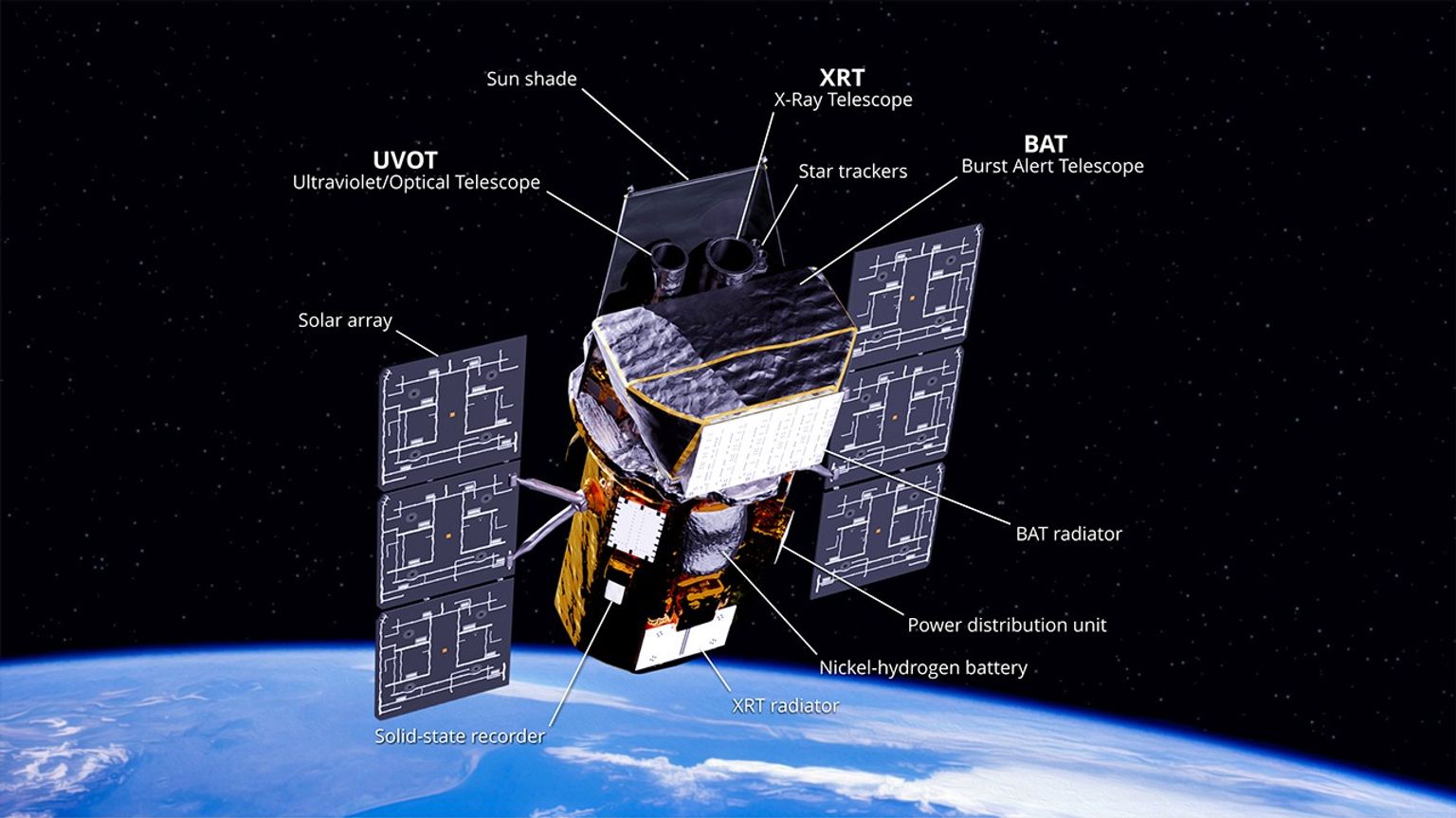
Designed for a two-year mission to catch gamma-ray bursts in the act, Swift is now 21 years old, slowly falling out of the sky, and the subject of an unprecedented private rescue mission. Nobody planned for it to be this hard to let go.

Today's brief covers Blue Origin’s new defense launch contracts, the ISS launch of a Navy SEAL astronaut, Sierra Space’s GPS security advancements for the U.S. Space Force, and the Space Force's 'Orbital Watch' initiative.