


X Report 29 Mar 2025
Starlink gains ground in geopolitical shifts, while SpaceX makes progress on next-gen facilities and prepares for Crew-11 mission to ISS.



Launch Date
March 15, 1965
Launch Site
Launch Pad
LC41/15
Launch Vehicle
Kosmos 65S3
NORAD ID
01352
International Designator
1965-020X
Decay Date
7/3/1967
Name
SL-8 DEB
Alternative Name
deb Kosmos 65S3 No. 4L
Type
Status
Owner
RVSN
Country
USSR
Constellation
N/A
Related Satellites
Major Events
N/A
Length
0
Diameter
0
Span
0
Dry Mass
0
Launch Mass
0
Shape
N/A
Radar Cross Section
Unknown
Visual Magnitude
Unknown
Color
Unknown
Material Composition
Unknown
Payload
Unknown
Purpose
Unknown
Mission
Unknown
Manufacturer
Unknown
Life Expectancy
Unknown
Bus
Unknown
Configuration
Unknown
Motor
Unknown
Equipment
Unknown
Power System
Unknown
ADCS
Unknown
Transmitter Frequency
Unknown
Learn more about satellites and other related topics.
Starlink gains ground in geopolitical shifts, while SpaceX makes progress on next-gen facilities and prepares for Crew-11 mission to ISS.

DARPA's robotic satellite servicing mission targets GEO orbit by summer 2026. NASA adds six SpaceX crew missions as Boeing Starliner remains uncertified.
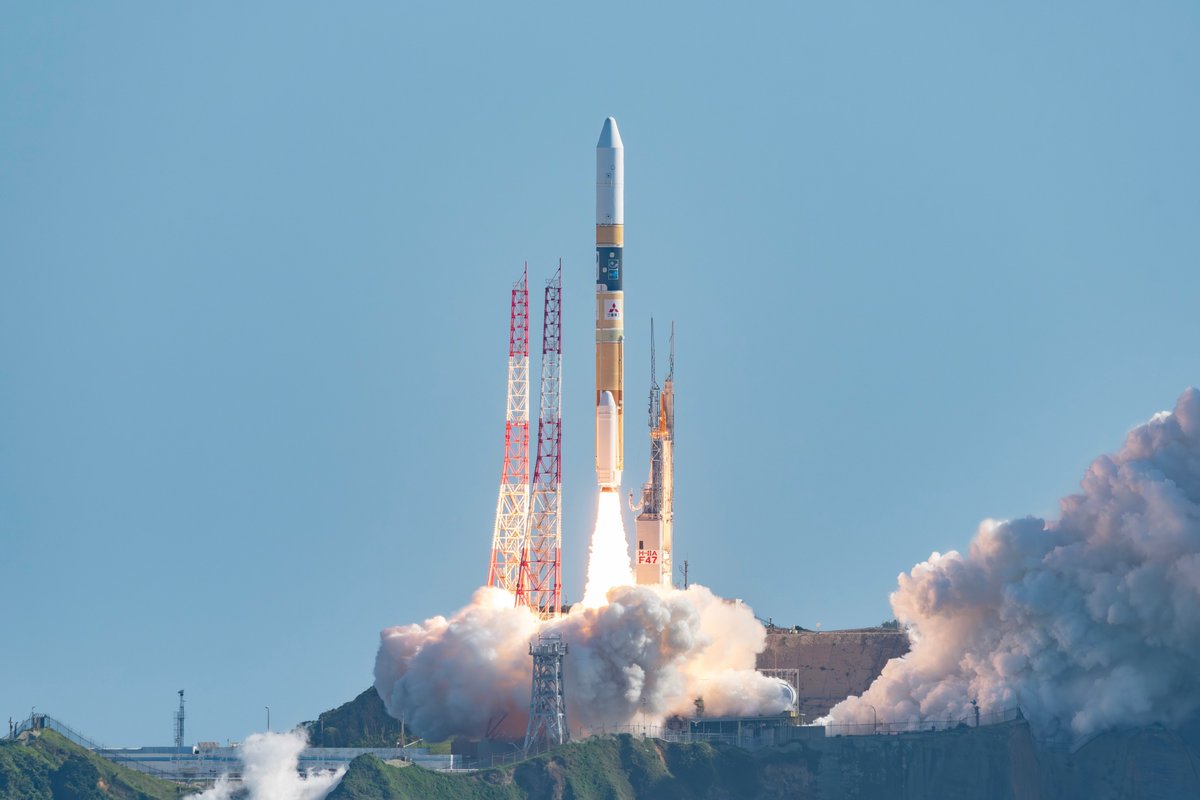
Today's edition covers SpaceX's Starlink launch delay, a breakthrough in ceramic manufacturing for space, and Momentus's orbital tech demo, among other headlines.
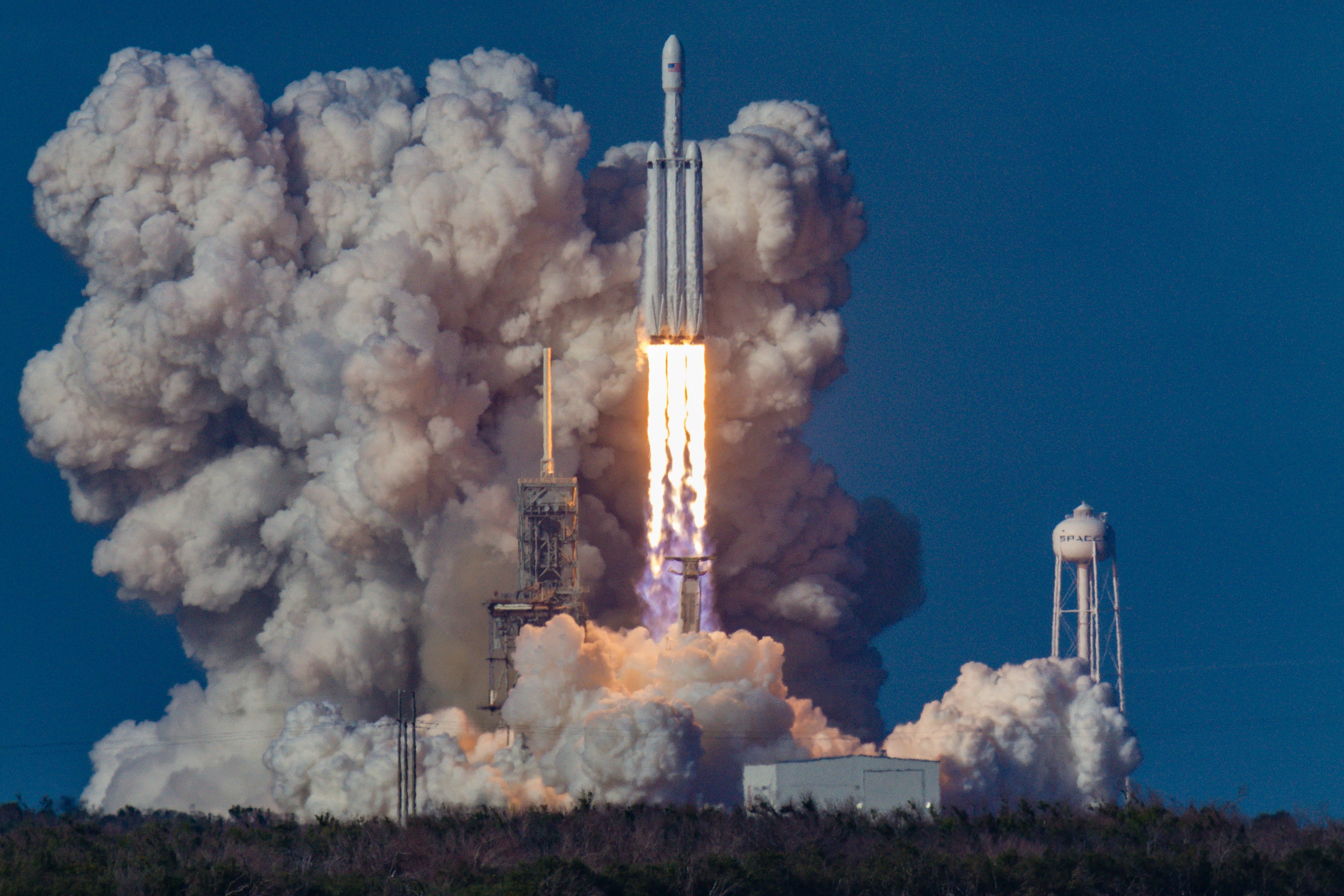
SpaceX gears up for an exciting July with a doubleheader launch planned for the east coast and ongoing advancements in Starlink technology.
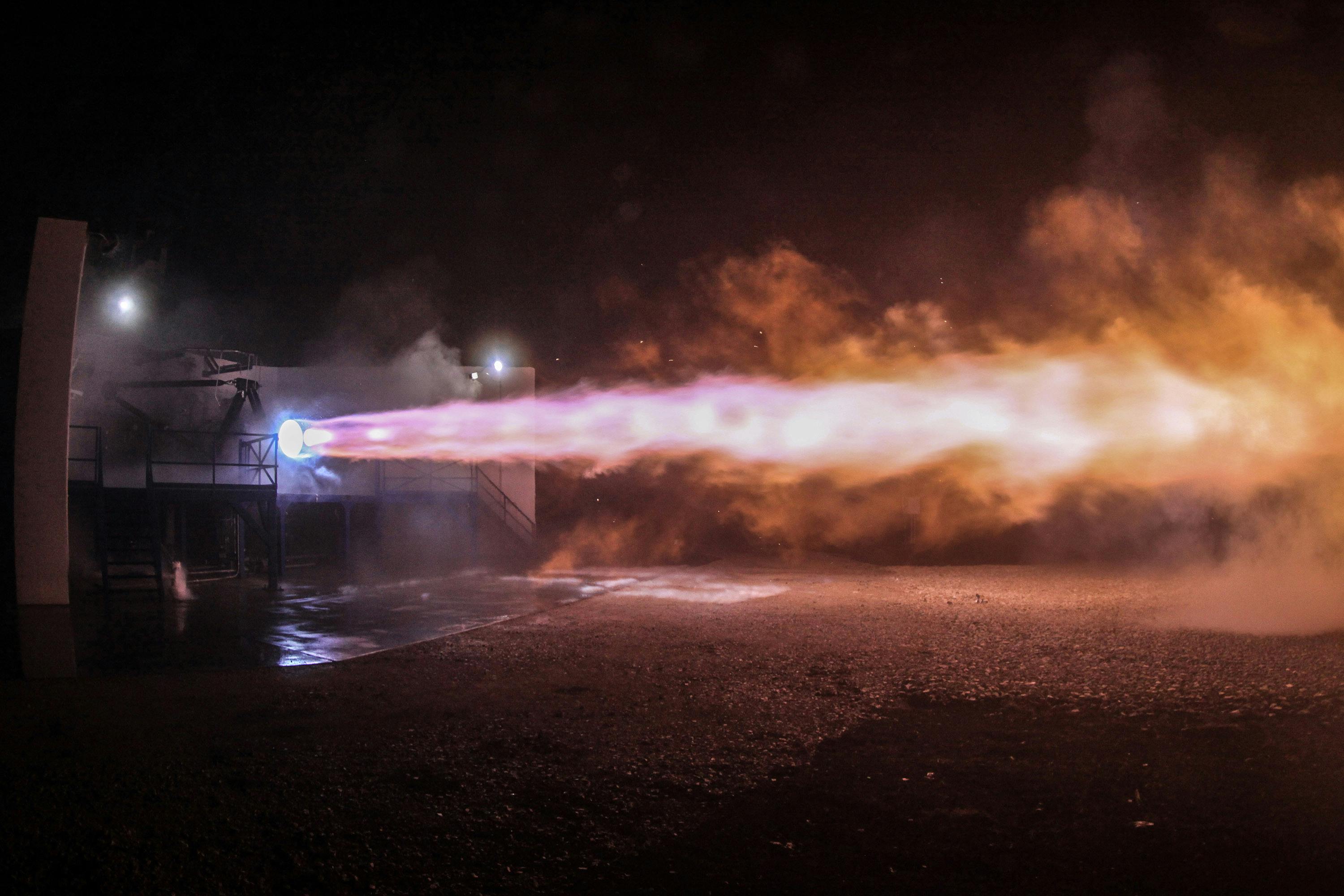
SpaceX's Crew-10 astronauts are set to return to Earth after a five-month mission, while the company prepares for the launch of 24 new Starlink satellites from Vandenberg Space Force Base.

Today's brief covers the integration of commercial and military space capabilities, a notable change in Crew 12 mission, advancements in digital training for space operations, and more.

SpaceX successfully launched the SXM-10 satellite for SiriusXM and prepares for the Ax-4 mission to the ISS amid political tensions involving Elon Musk and President Trump.
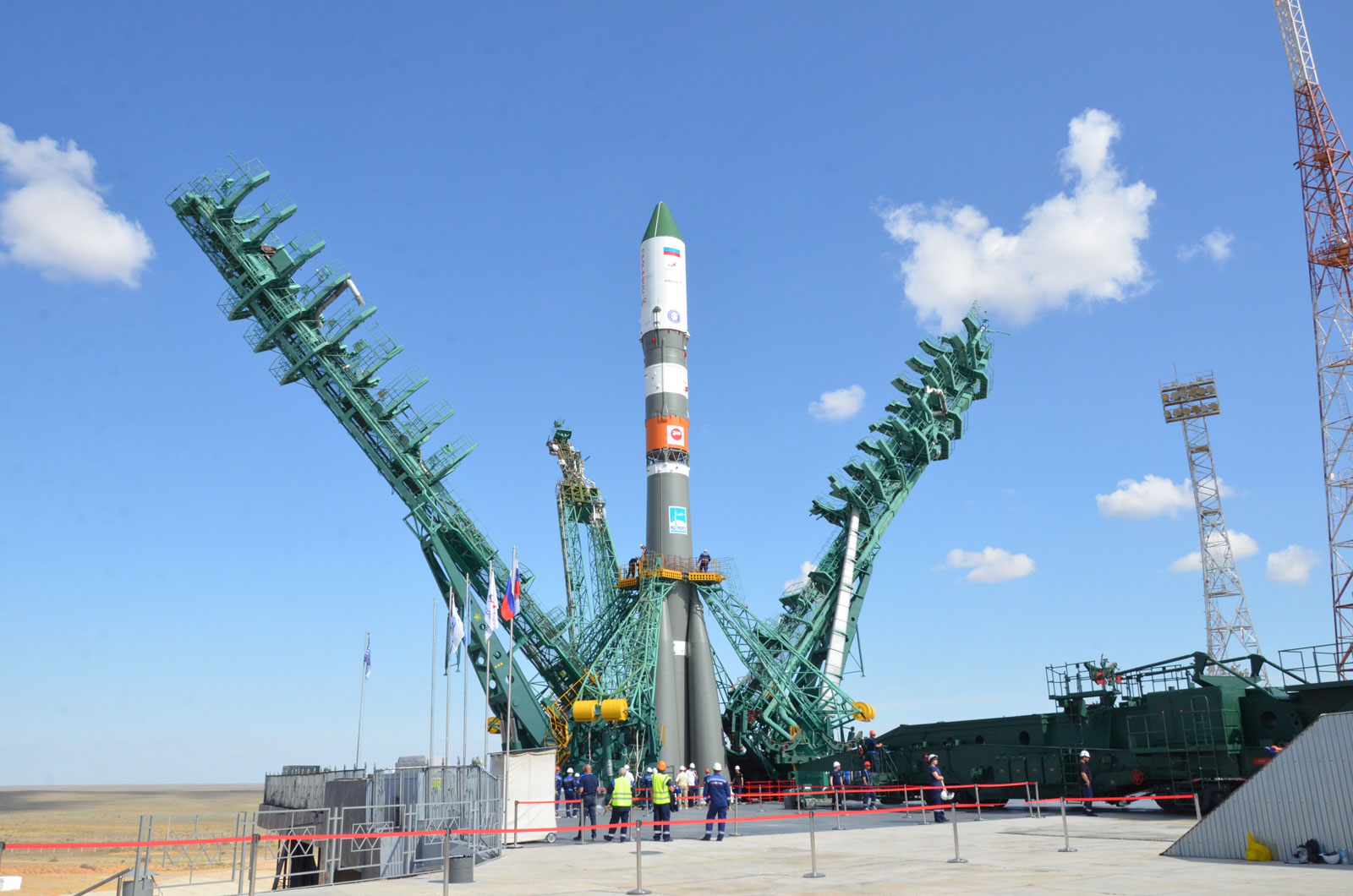
Today's brief highlights significant shifts in military space spending due to the Golden Dome program, the U.S. Space Force's advancements in tactical satellite communications, and NASA's race to nuclear power in space.