

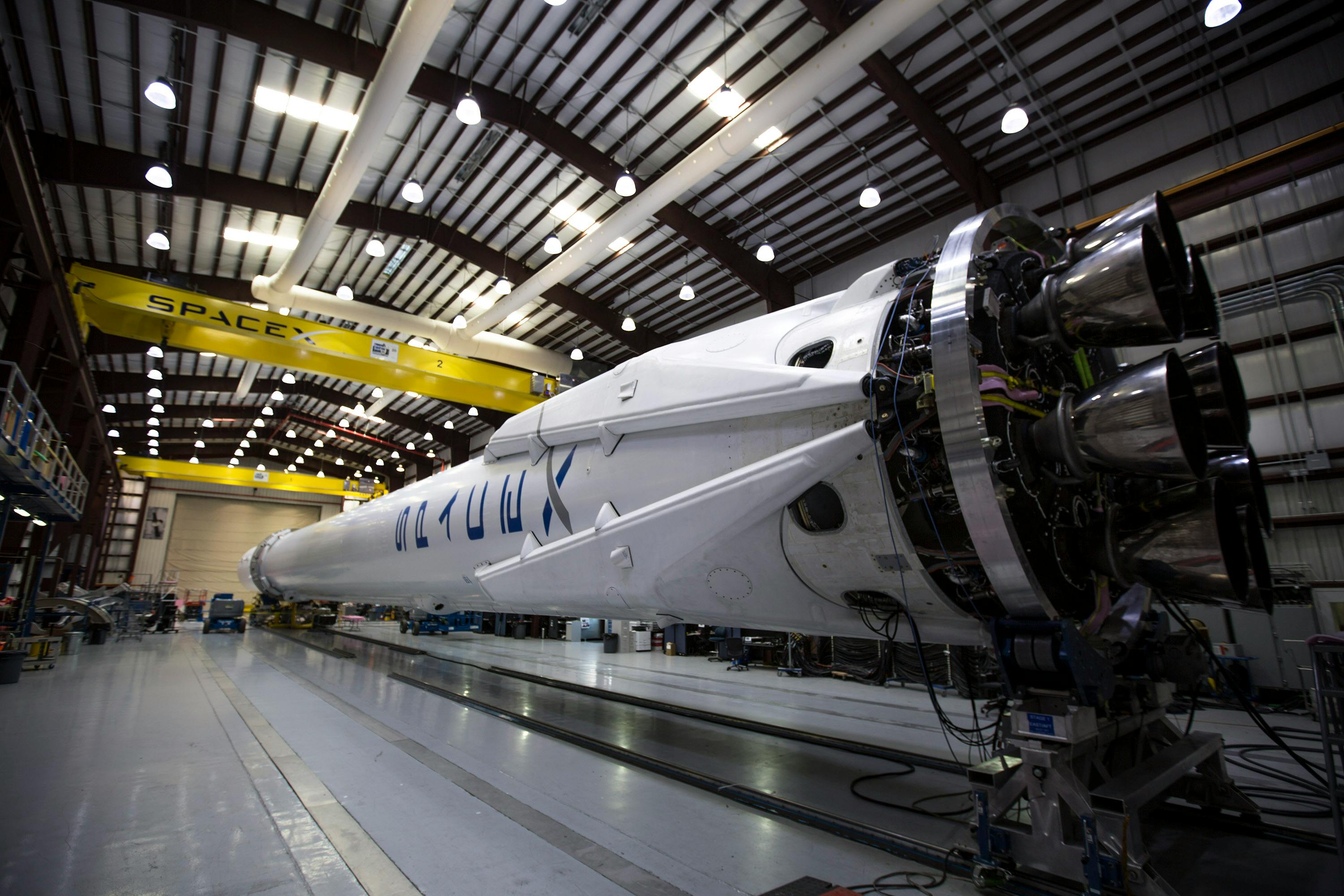
Falcon 9 Lifts 11,000 lbs of ISS Cargo on NG-24 | KeepTrack X Report
SpaceX's Falcon 9 launches Northrop Grumman's Cygnus NG-24 to the ISS carrying 11,000 lbs of critical cargo this weekend.



Launch Date
February 22, 1965
Launch Site
Launch Pad
Unknown
Launch Vehicle
Unknown
NORAD ID
01254
International Designator
N/A
Decay Date
3/12/1965
Name
COSMOS 57 DEB
Alternative Name
deb Kosmos-57
Type
Status
Owner
Country
USSR
Constellation
N/A
Related Satellites
Major Events
N/A
Length
0
Diameter
0
Span
0
Dry Mass
0
Launch Mass
0
Shape
N/A
Radar Cross Section
Unknown
Visual Magnitude
Unknown
Color
Unknown
Material Composition
Unknown
Payload
Unknown
Purpose
Unknown
Mission
Unknown
Manufacturer
Unknown
Life Expectancy
Unknown
Bus
Unknown
Configuration
Unknown
Motor
Unknown
Equipment
Unknown
Power System
Unknown
ADCS
Unknown
Transmitter Frequency
Unknown
Learn more about satellites and other related topics.
SpaceX's Falcon 9 launches Northrop Grumman's Cygnus NG-24 to the ISS carrying 11,000 lbs of critical cargo this weekend.
Tesla's Cybertruck fleet integrates with SpaceX operations at Starbase, showcasing synergy between Musk's companies.
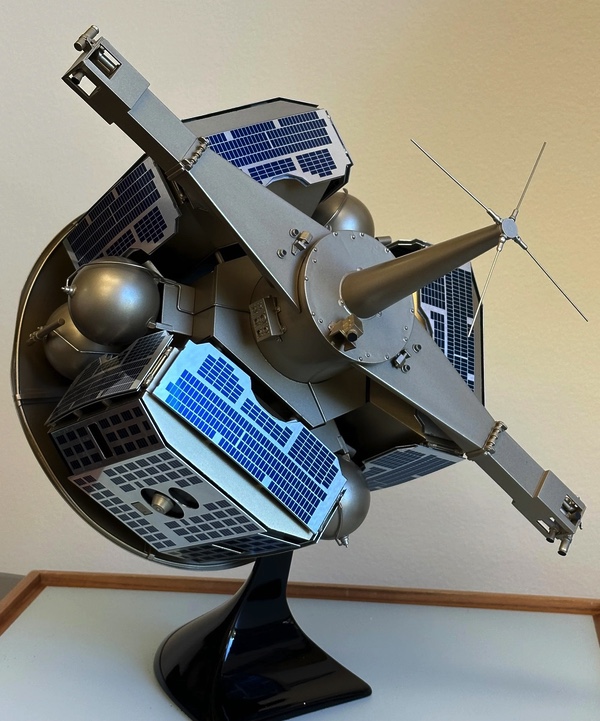
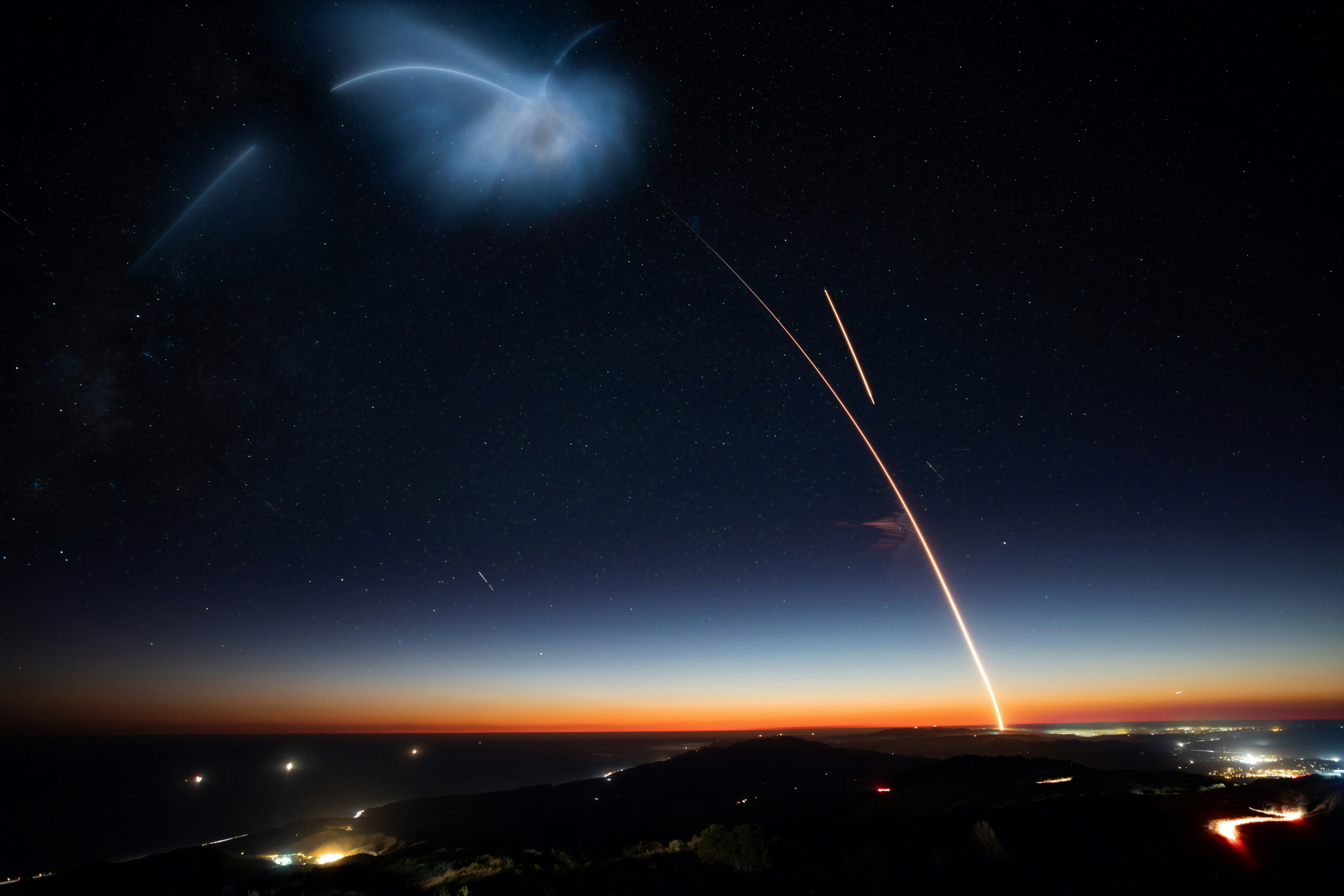
Forty-two years ago, an Atlas H rocket climbed into the California sky carrying four objects that would help the U.S. Navy track every Soviet warship on the planet - a mission so secret that even the satellites' true name wasn't declassified until 2023

Air Force awards CCA contracts to General Atomics and Anduril for autonomous fighter wingmen. Autonomy layer split across Anduril, Shield AI, and Collins Aerospace.

Today's edition covers SpaceX scrubbing and successfully launching Starlink satellites, AI innovations in spacecraft propulsion, and the impact of SPHERE's debris disk survey in discovering hidden asteroid belts.
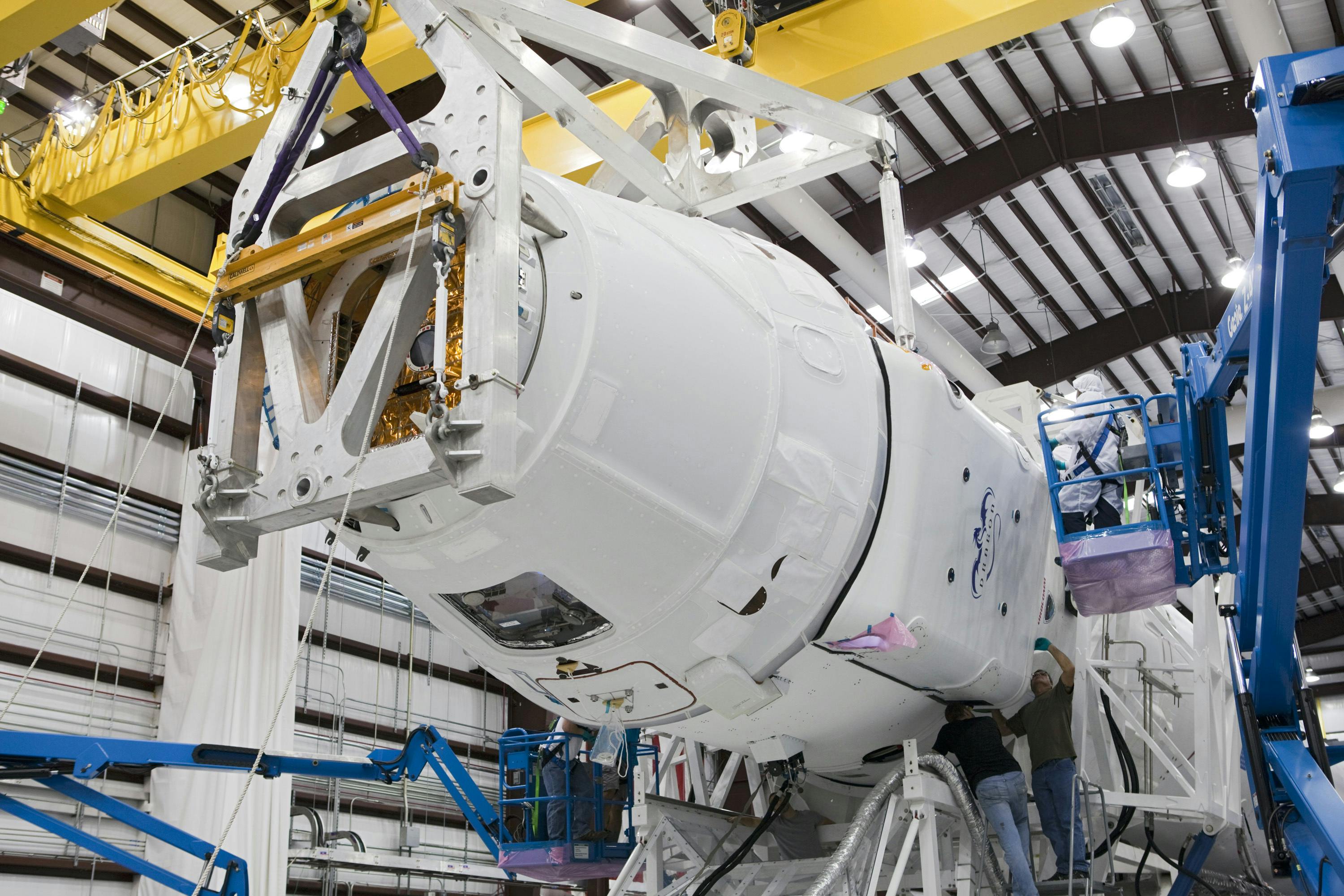
SpaceX impresses with the successful launch of 24 Starlink satellites and shares stunning visuals from the recent Starship Flight 10, which demonstrated remarkable landing precision.
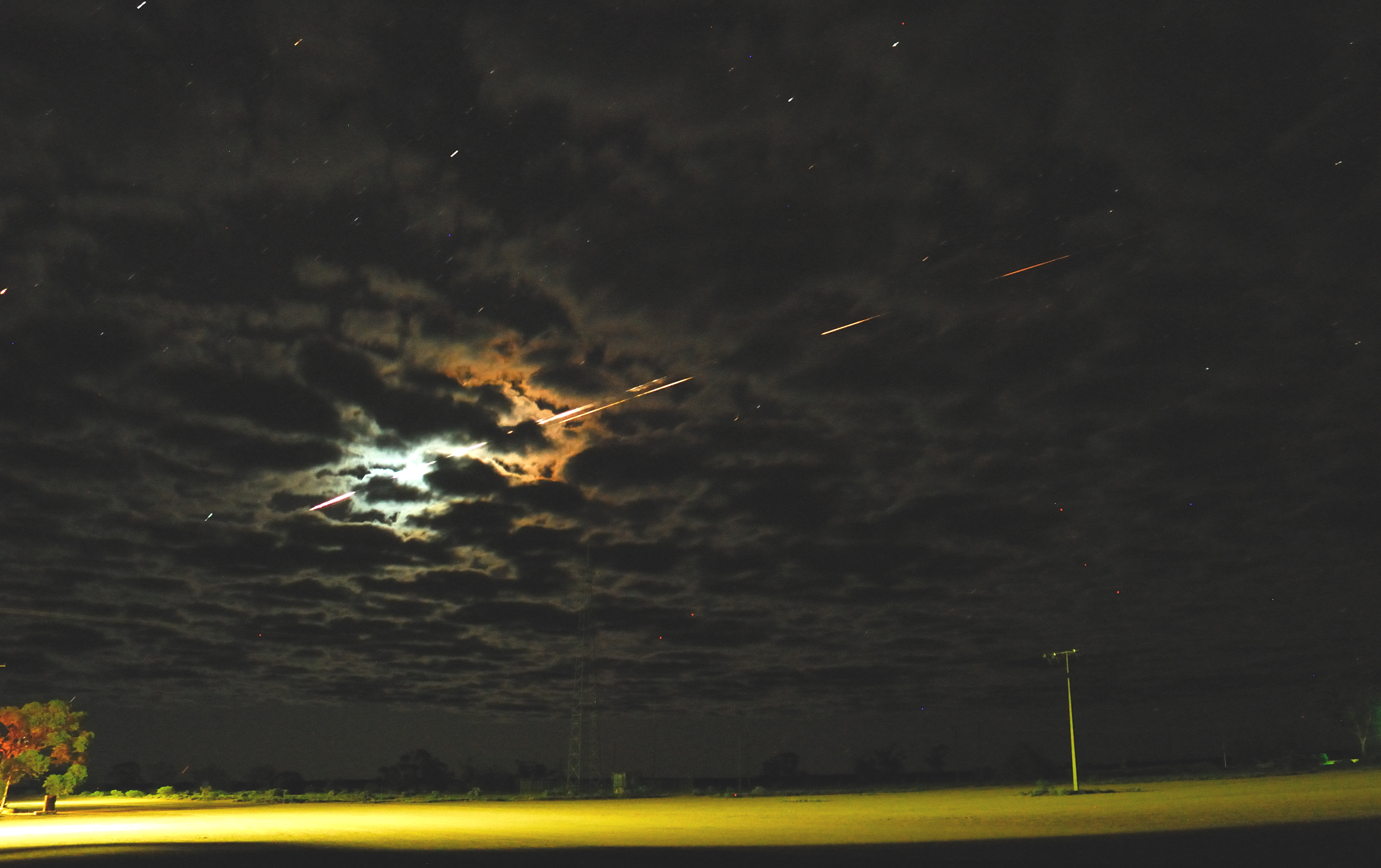
Sixteen years ago today, a fireball tore across the Australian outback. Most of it was a dying Japanese spacecraft burning up after a seven-year ordeal. The bright dot racing ahead of the wreckage was a capsule holding the first grains of an asteroid ever returned to Earth.

Falcon Heavy flew for the first time in eighteen months on April 29, 2026, expending its center core to push Viasat's final ViaSat-3 satellite toward geostationary orbit. The mission is a flagship rocket doing what only it can still do, for an operator betting six tons of high-throughput hardware on a market Starlink is rapidly redefining.