


Space Force Awards $1.8B Andromeda Program to 14 Firms | KeepTrack Space Brief
Space Force selects 14 companies for $1.8 billion Andromeda program to replace GSSAP geosynchronous surveillance satellites with commercial alternatives through 2036.



Launch Date
February 22, 1965
Launch Site
Launch Pad
Unknown
Launch Vehicle
Unknown
NORAD ID
01161
International Designator
N/A
Decay Date
3/5/1965
Name
COSMOS 57 DEB
Alternative Name
deb Kosmos-57
Type
Status
Owner
Country
USSR
Constellation
N/A
Related Satellites
Major Events
N/A
Length
0
Diameter
0
Span
0
Dry Mass
0
Launch Mass
0
Shape
N/A
Radar Cross Section
Unknown
Visual Magnitude
Unknown
Color
Unknown
Material Composition
Unknown
Payload
Unknown
Purpose
Unknown
Mission
Unknown
Manufacturer
Unknown
Life Expectancy
Unknown
Bus
Unknown
Configuration
Unknown
Motor
Unknown
Equipment
Unknown
Power System
Unknown
ADCS
Unknown
Transmitter Frequency
Unknown
Learn more about satellites and other related topics.
Space Force selects 14 companies for $1.8 billion Andromeda program to replace GSSAP geosynchronous surveillance satellites with commercial alternatives through 2036.
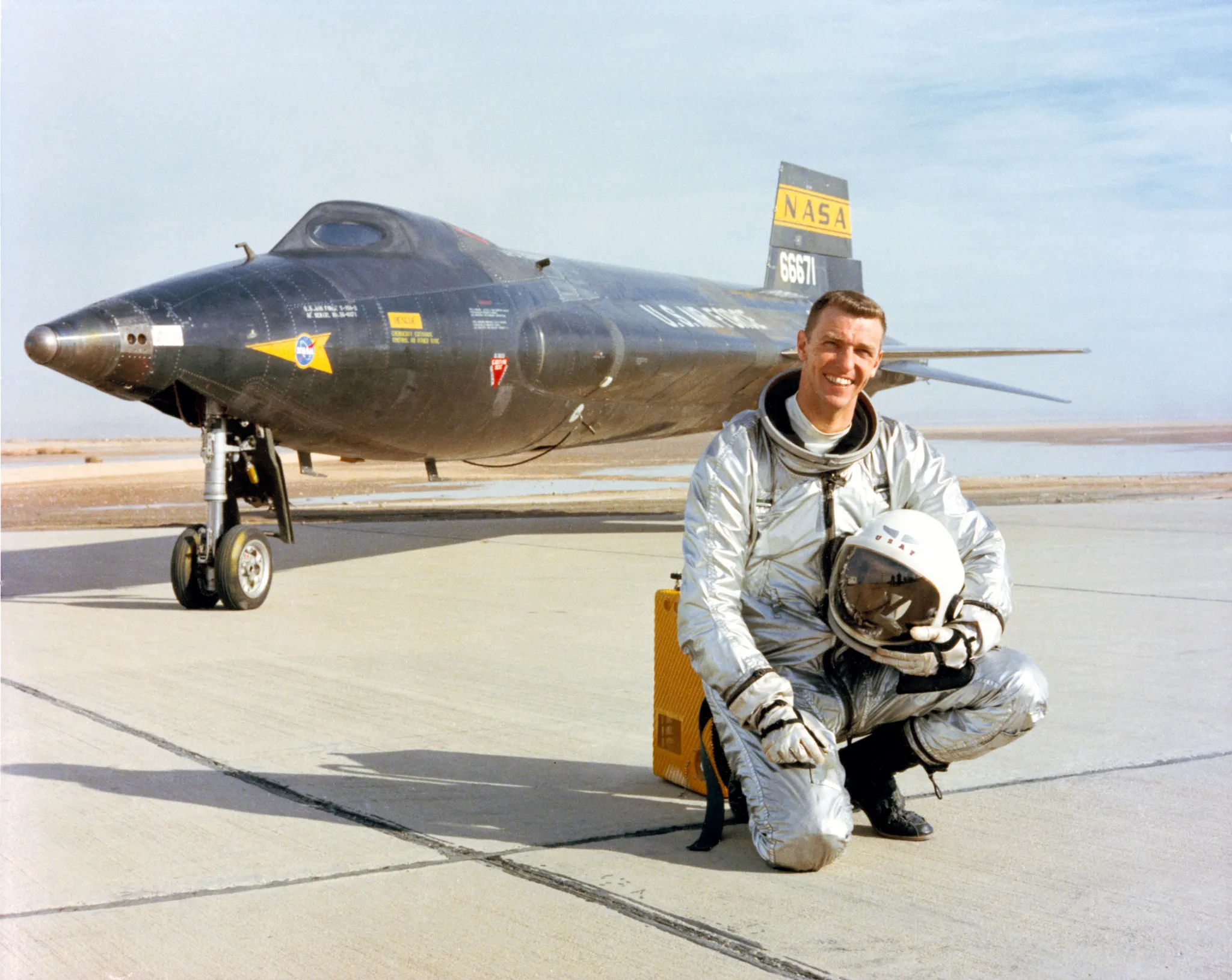
On 29 June 1965, a young Air Force test pilot rode a rocket-powered airplane to 280,600 feet above the California desert. He landed ten minutes later as the youngest person ever to earn astronaut wings.
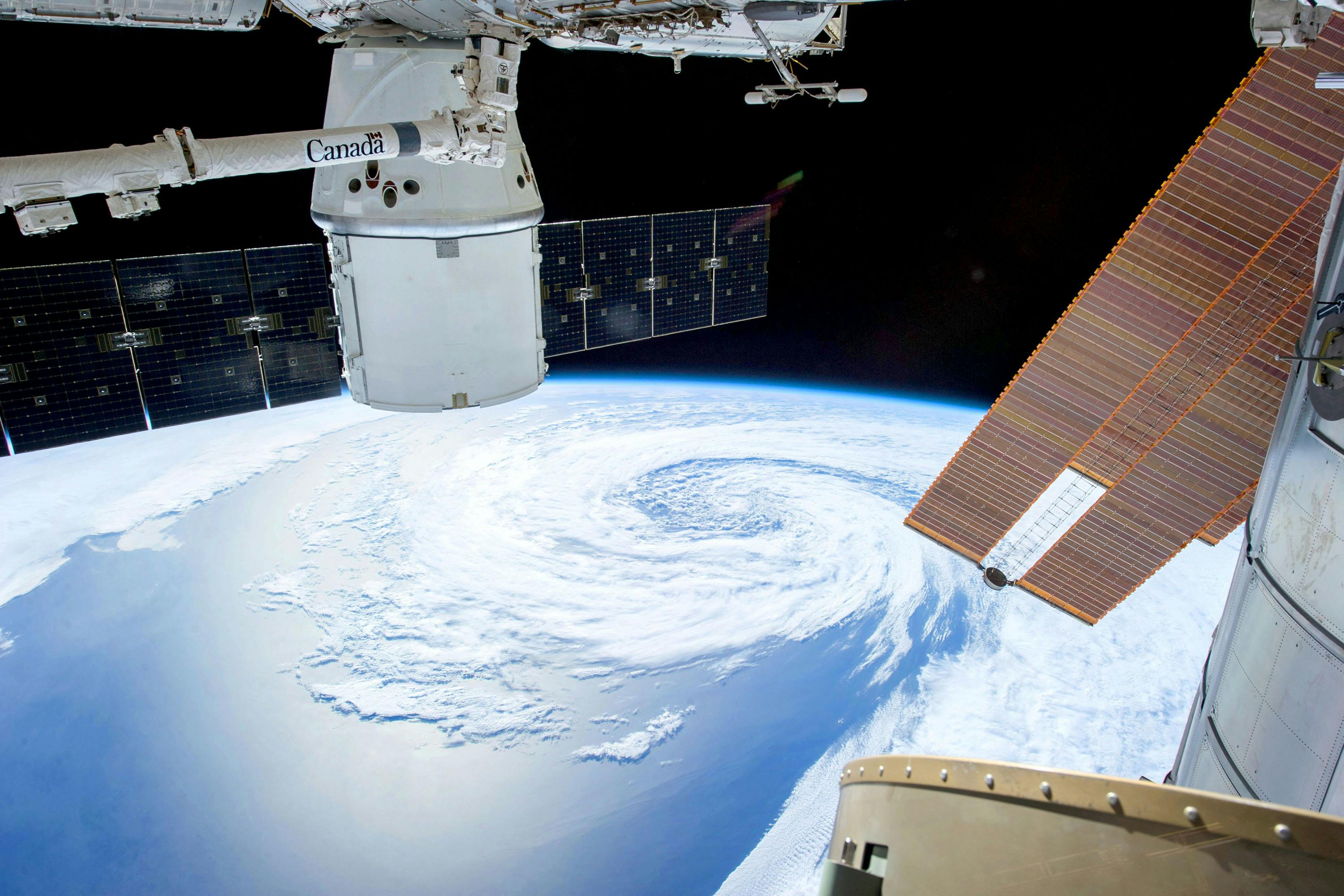
Critical updates from SpaceX include a scrubbed satellite launch and a busy launch schedule for the week, featuring multiple Falcon 9 missions.
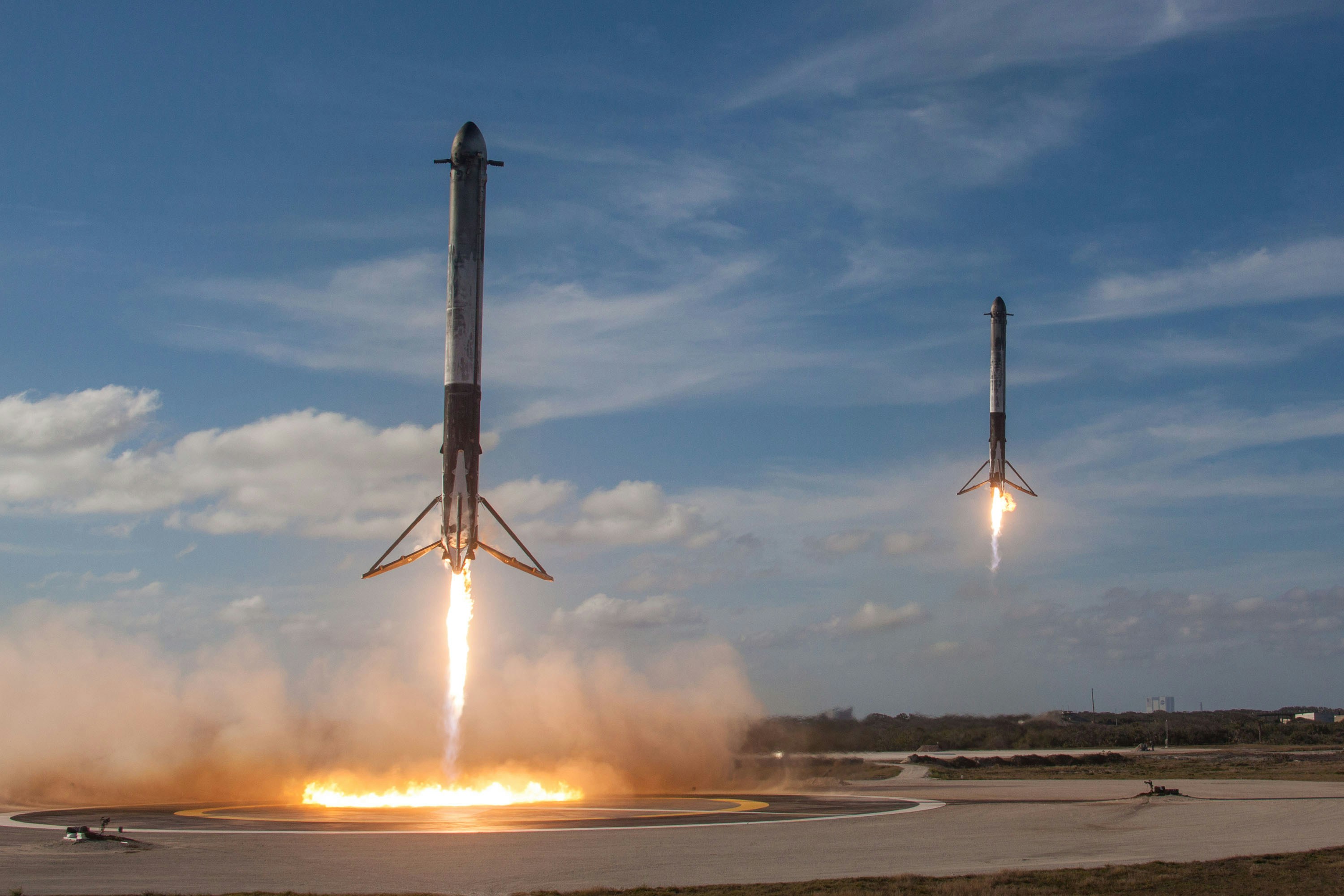
SpaceX launches 500th Starlink satellite of 2026 on 540th reused booster flight. Microsoft partners with Starlink for rural internet expansion. NASA reveals first ISS medical evacuation details.

Vandenberg Space Force Base opens a new launch site that may accommodate SpaceX's Starship. Meanwhile, Starlink continues to expand its service capabilities.
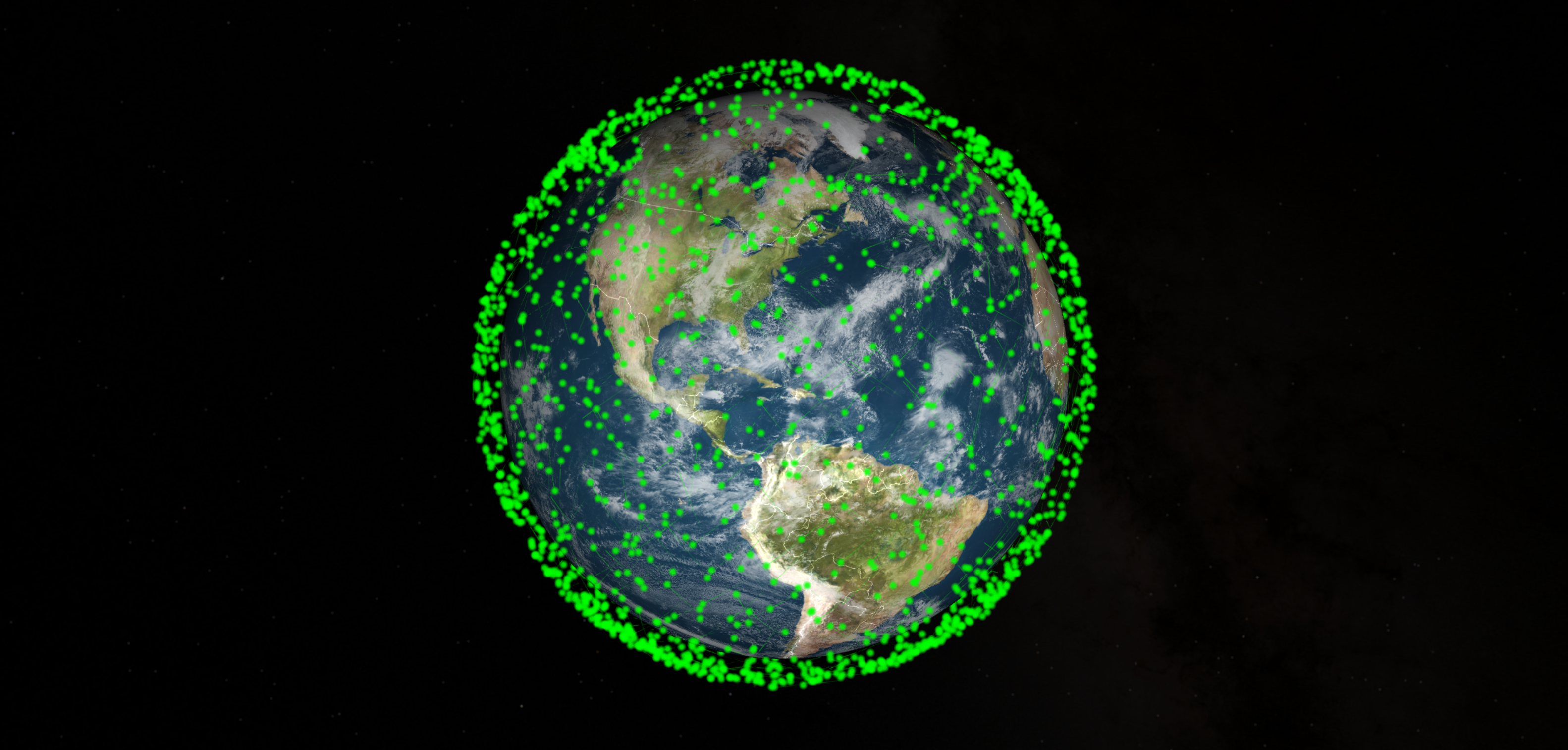
SpaceX quietly built the world's largest 4G network without a single cell tower. Over 650 satellites now connect standard smartphones directly from orbit, and most people carrying compatible phones don't know the service exists.

Today's briefing covers the ULA's military application for Vulcan's upper stage, FAA's efforts to expedite launch licensing, and a fascinating flyby of Mercury by BepiColombo.
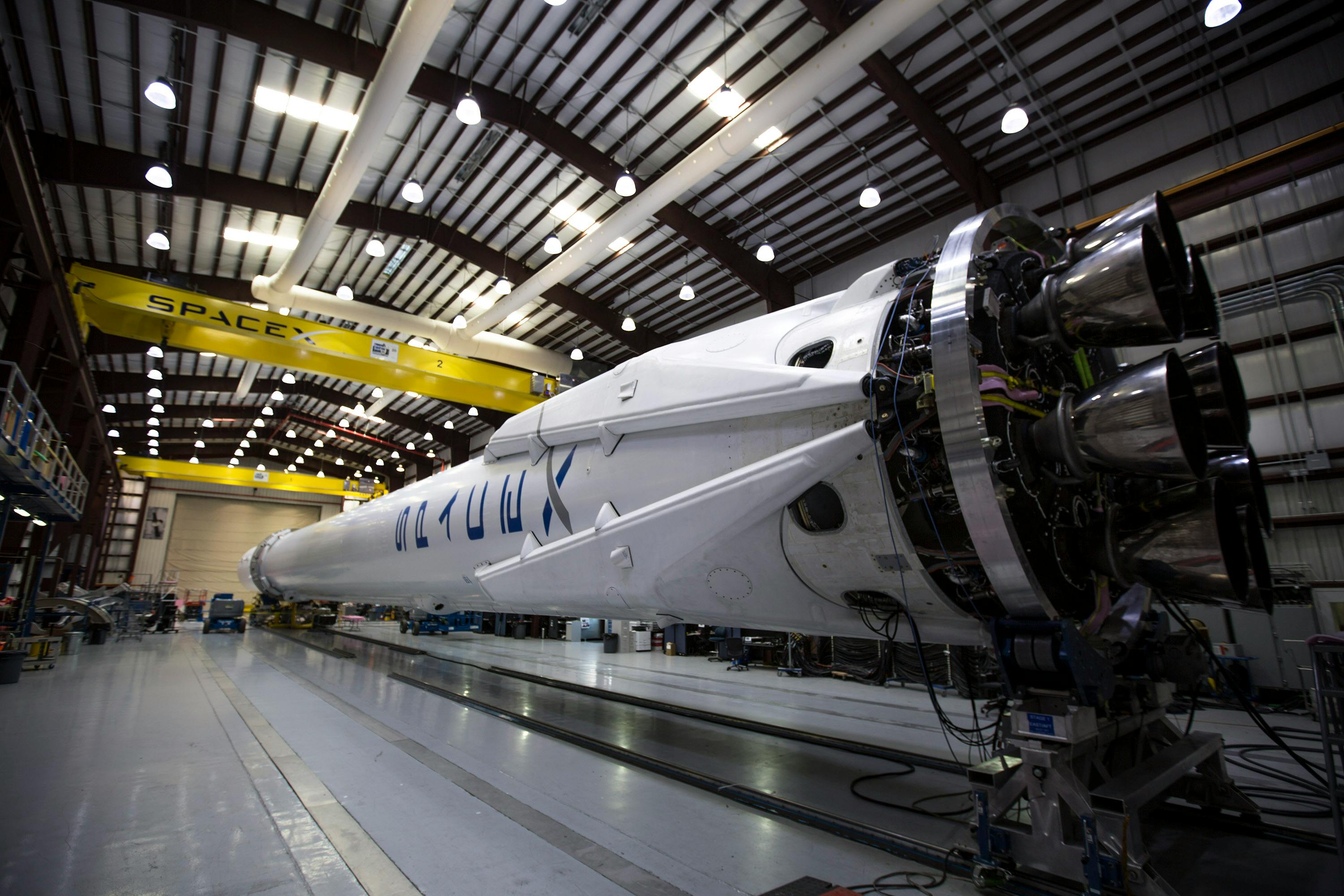
SpaceX continues to innovate as it nears peak Falcon 9 launch rates while refining technologies pivotal for future Mars missions.