


Space Force Awards $1.8B Andromeda Program to 14 Firms | KeepTrack Space Brief
Space Force selects 14 companies for $1.8 billion Andromeda program to replace GSSAP geosynchronous surveillance satellites with commercial alternatives through 2036.


Launch Date
January 11, 1965
Launch Site
Launch Pad
LC31
Launch Vehicle
Vostok 8A92
NORAD ID
00969
International Designator
1965-001B
Decay Date
1/29/1965
Name
SL-3 R/B
Alternative Name
Vostok-2 (N23) Stage 3
Type
Status
Owner
RVSN
Country
USSR
Constellation
N/A
Related Satellites
Major Events
N/A
Length
3.8
Diameter
2.6
Span
3.8
Dry Mass
1440
Launch Mass
1440
Shape
Cyl
Radar Cross Section
Unknown
Visual Magnitude
Unknown
Color
Unknown
Material Composition
Unknown
Payload
8A92E
Purpose
Unknown
Mission
Unknown
Manufacturer
PROG
Life Expectancy
Unknown
Bus
Blok-E
Configuration
Unknown
Motor
Unknown
Equipment
Unknown
Power System
Unknown
ADCS
Unknown
Transmitter Frequency
Unknown
Learn more about satellites and other related topics.
Space Force selects 14 companies for $1.8 billion Andromeda program to replace GSSAP geosynchronous surveillance satellites with commercial alternatives through 2036.

Today's highlights include China's launch of a mystery spysat, Maxar's terrain data for U.S. Army systems, and multiple U.S. defense firms enhancing satellite capabilities.
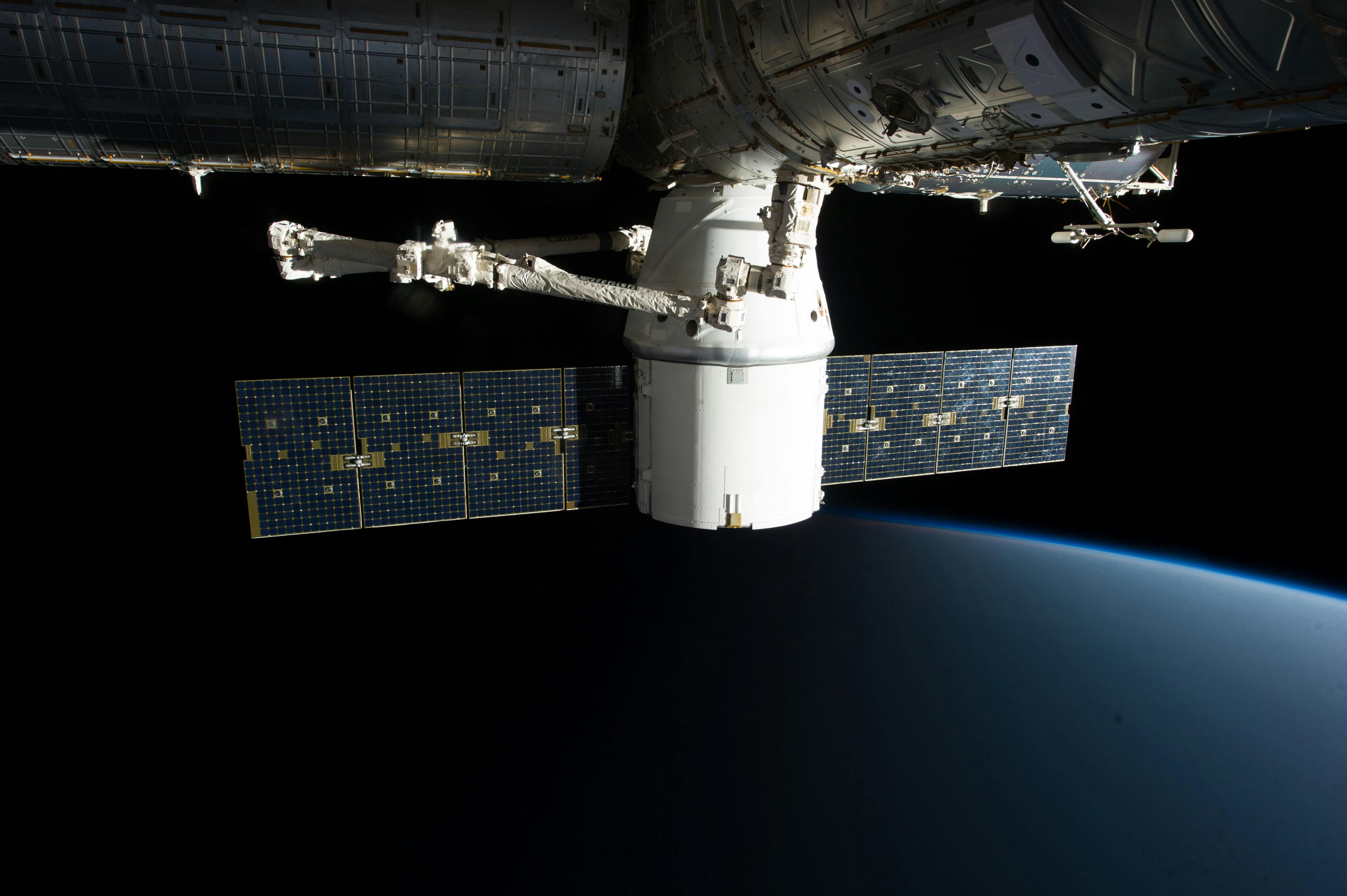
SpaceX successfully launched 26 Starlink satellites from California, preparing for upcoming crewed missions to the ISS.

The Middle East's first commercial spaceport is building launch heritage one rocket at a time. How Oman is positioning Duqm as a global launch hub - and what the 2025 delays tell us about the real pace of spaceport development.
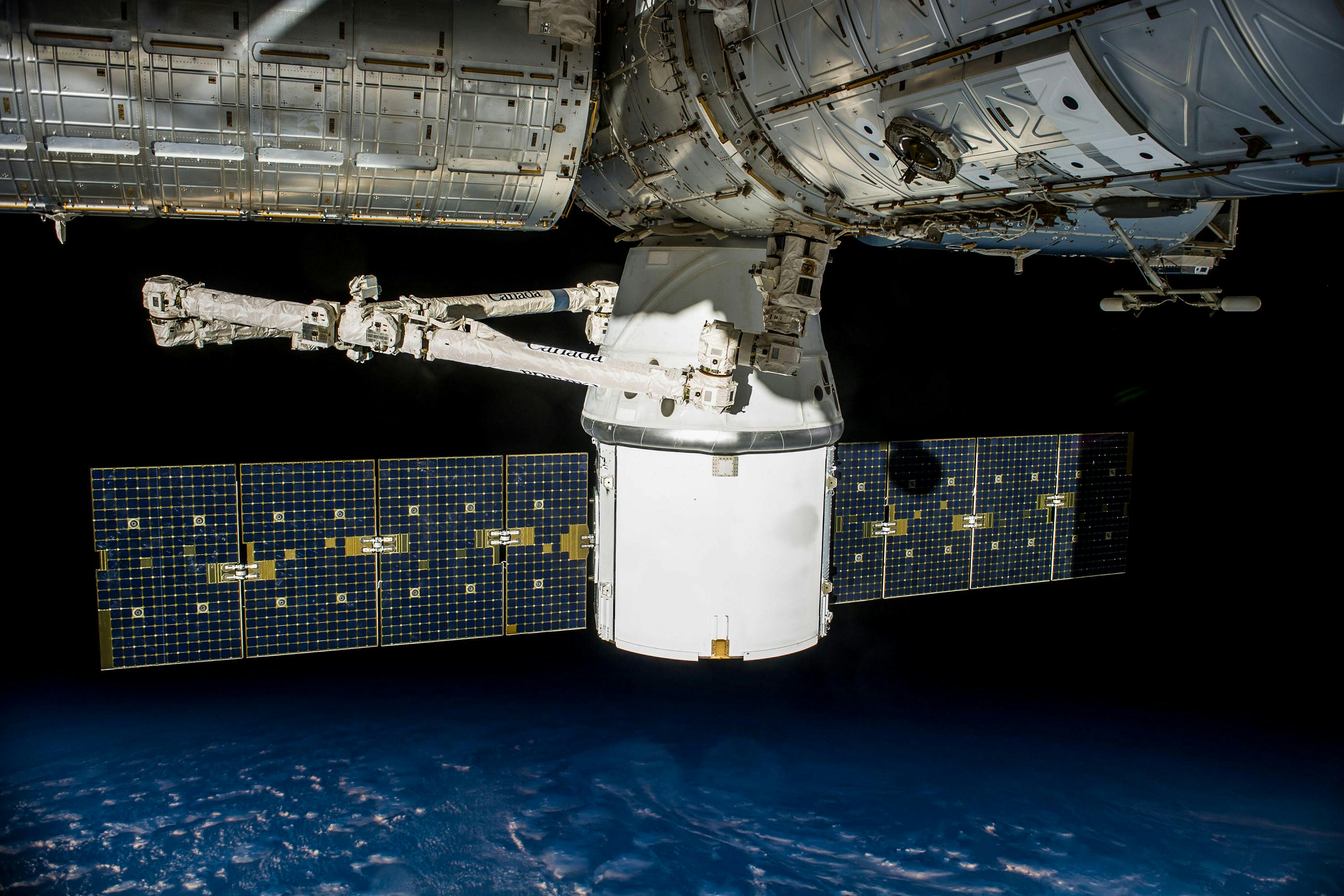
SpaceX launches 600th Falcon 9 rocket with Starlink 17-13 mission. Crew Dragon docks at ISS restoring crew to seven. Crew-12 launched on Friday the 13th in a first for NASA.

Today's brief covers significant advancements in national security space launches, ongoing rocket developments, and critical updates from the space industry.

NASA's Van Allen Probe A (1,300 lbs) reenters today after 14 years studying Earth's radiation belts. Most debris will burn up; ocean impact statistically likely.
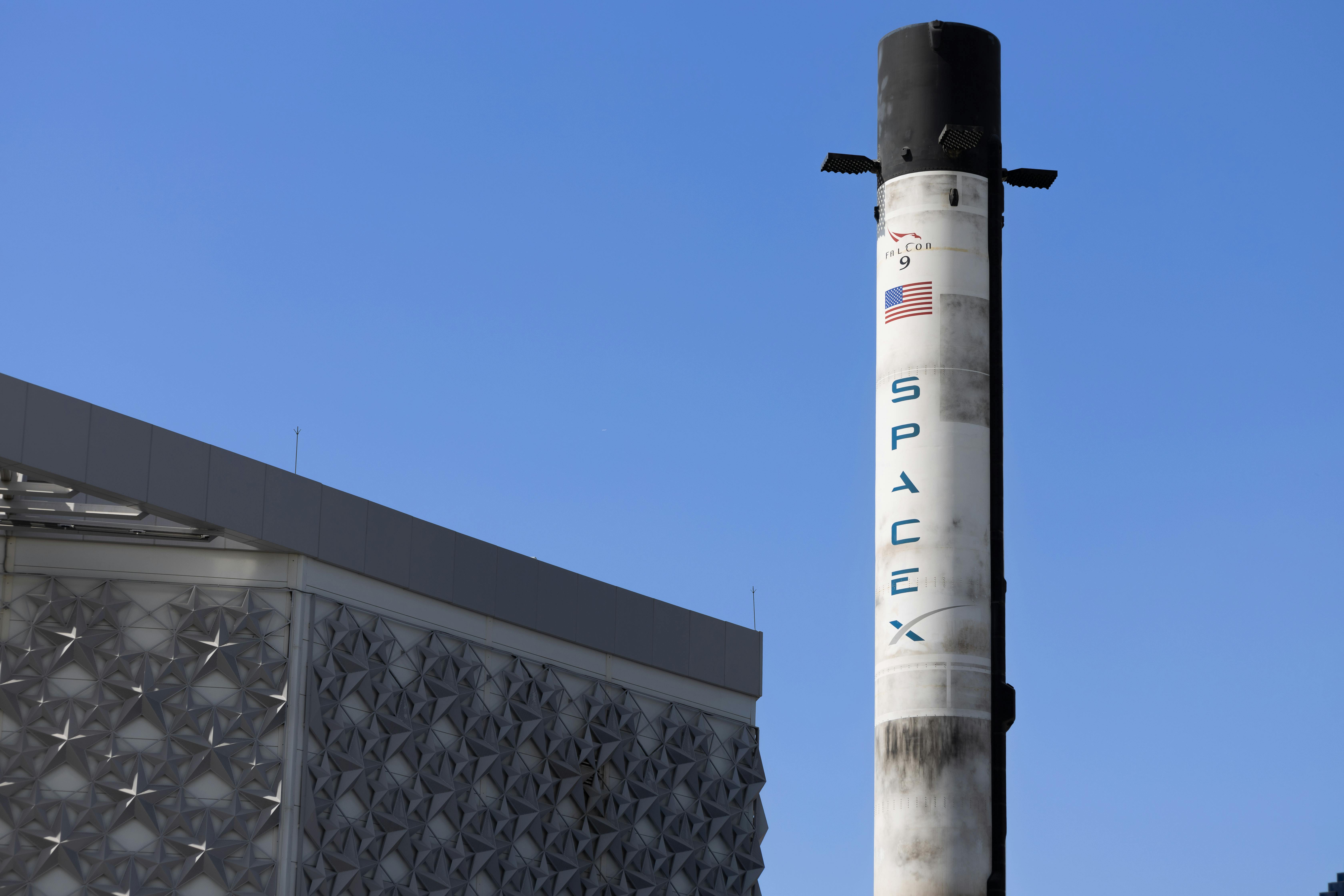
SpaceX successfully launches two rideshare missions to mid-inclination orbits, expanding their satellite deployment capabilities.