


Space Brief 4 Apr 2025
Today's highlights include the release of a mystery object by Russian military satellites, SpaceX Fram2 mission insights, Amazon's upcoming satellite launch, and more.



Launch Date
November 4, 1964
Launch Site
AFWTR
Launch Pad
75-3-5
Launch Vehicle
Thor SLV-2A Agena D
NORAD ID
00927
International Designator
1964-072D
Decay Date
6/30/1966
Name
OPS 3062 DEB
Alternative Name
Ferret sensor cover
Type
Status
Owner
SAFSP
Country
United States
Constellation
N/A
Related Satellites
Major Events
N/A
Length
0
Diameter
0
Span
0
Dry Mass
0
Launch Mass
0
Shape
N/A
Radar Cross Section
Unknown
Visual Magnitude
Unknown
Color
Unknown
Material Composition
Unknown
Payload
Unknown
Purpose
Unknown
Mission
Unknown
Manufacturer
Unknown
Life Expectancy
Unknown
Bus
Unknown
Configuration
Unknown
Motor
Unknown
Equipment
Unknown
Power System
Unknown
ADCS
Unknown
Transmitter Frequency
Unknown
Learn more about satellites and other related topics.
Today's highlights include the release of a mystery object by Russian military satellites, SpaceX Fram2 mission insights, Amazon's upcoming satellite launch, and more.

An analysis of Russia's independent space tracking system and how it compares to the established U.S. Space Surveillance Network

Blue Origin's New Glenn rocket exploded hours after USSF and NRO awarded national security launch contract. Impact on NSSL competition unclear.
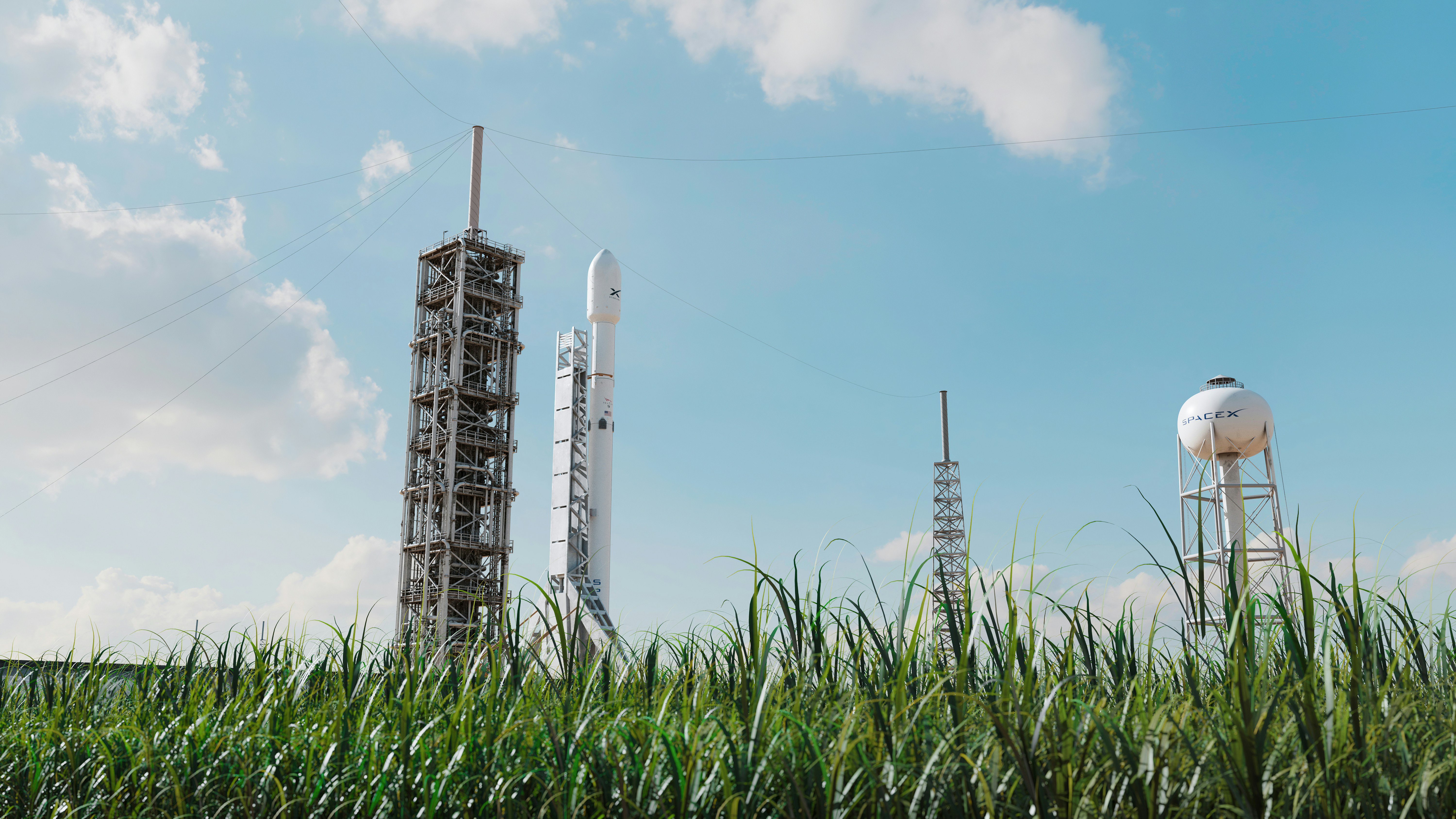
Starlink mobile service is planned for the US as SpaceX fires Ship 40's single Raptor in a prelaunch test, with 10,689 Starlink satellites working.
Keck Foundation team proposes first-ever graviton detector concept. Space Force shelves Resilient GPS program. China advances Long March 12B reusable rocket with static fire test at Jiuquan.

Today's highlights include China's launch of Shijian-25 for on-orbit refueling tests, Pentagon's investment in defense technologies, and key military upgrades.

SpaceX launches NROL-105 spy satellite from Vandenberg in first national security mission of 2026. GE and Lockheed validate compact rotating detonation ramjet for hypersonic missiles.
The satellite industry's biggest operators are betting on multi-orbit architectures that combine LEO, MEO, and GEO into unified networks. A San Francisco startup called Contrivian thinks they've overcomplicated the problem, and the physics might be on its side.