


X Report 6 Apr 2025
SpaceX's Fram2 mission lands in the Pacific, SpaceX secures U.S. military contracts, and Starlink expands with latest satellite launch.


Launch Date
June 4, 1964
Launch Site
AFWTR
Launch Pad
LC-D
Launch Vehicle
Scout X-4
NORAD ID
00809
International Designator
1964-026D
Epoch
Sun, 19 Jul 2026 21:27:45 GMT
Apogee
Calculating...
Perigee
Calculating...
Inclination
90.44°
Right Ascension
179.48°
Eccentricity
Calculating...
Argument of Perigee
321.82°
Period
102.07 min
Mean Motion
14.11 rev/day
Latitude
Calculating...
Longitude
Calculating...
Altitude
Calculating...
Velocity
Calculating...
Name
SCOUT X-4 R/B
Alternative Name
Scout S125R Stage 4
Type
Status
Owner
LARCN
Country
United States
Constellation
N/A
Related Satellites
Major Events
N/A
1 00809U 64026D 26200.89427869 .00000051 00000+0 23257-4 0 9996
2 00809 90.4434 179.4772 0038363 321.8182 38.0286 14.10801753182758
Source: Celestrak
Length
1.5
Diameter
0.5
Span
1.5
Dry Mass
33
Launch Mass
33
Shape
Cyl
Radar Cross Section
0.3358
Visual Magnitude
Unknown
Color
Unknown
Material Composition
Unknown
Payload
Altair 2 X-258C1 RH-55L
Purpose
Unknown
Mission
Unknown
Manufacturer
ABL
Life Expectancy
Unknown
Bus
Altair
Configuration
Unknown
Motor
Unknown
Equipment
Unknown
Power System
Unknown
ADCS
Unknown
Transmitter Frequency
Unknown
Learn more about satellites and other related topics.
SpaceX's Fram2 mission lands in the Pacific, SpaceX secures U.S. military contracts, and Starlink expands with latest satellite launch.
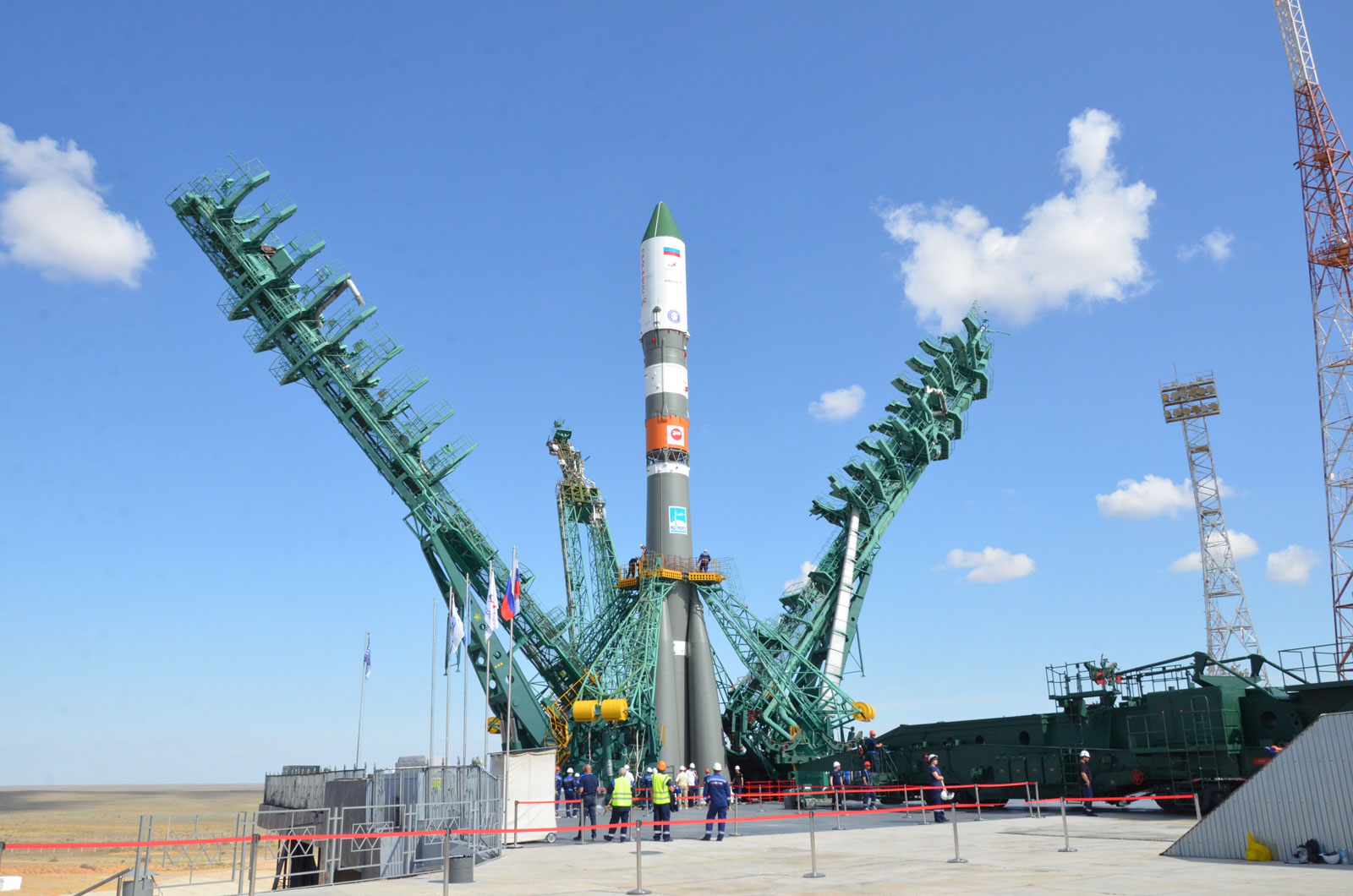
Today's brief covers potential shifts in Space Force's strategy, new milestones in military satellite programs, and advancements in ground systems for missile defense. We'll also highlight Rocket Lab's latest contract win and critical design reviews in drone technology.
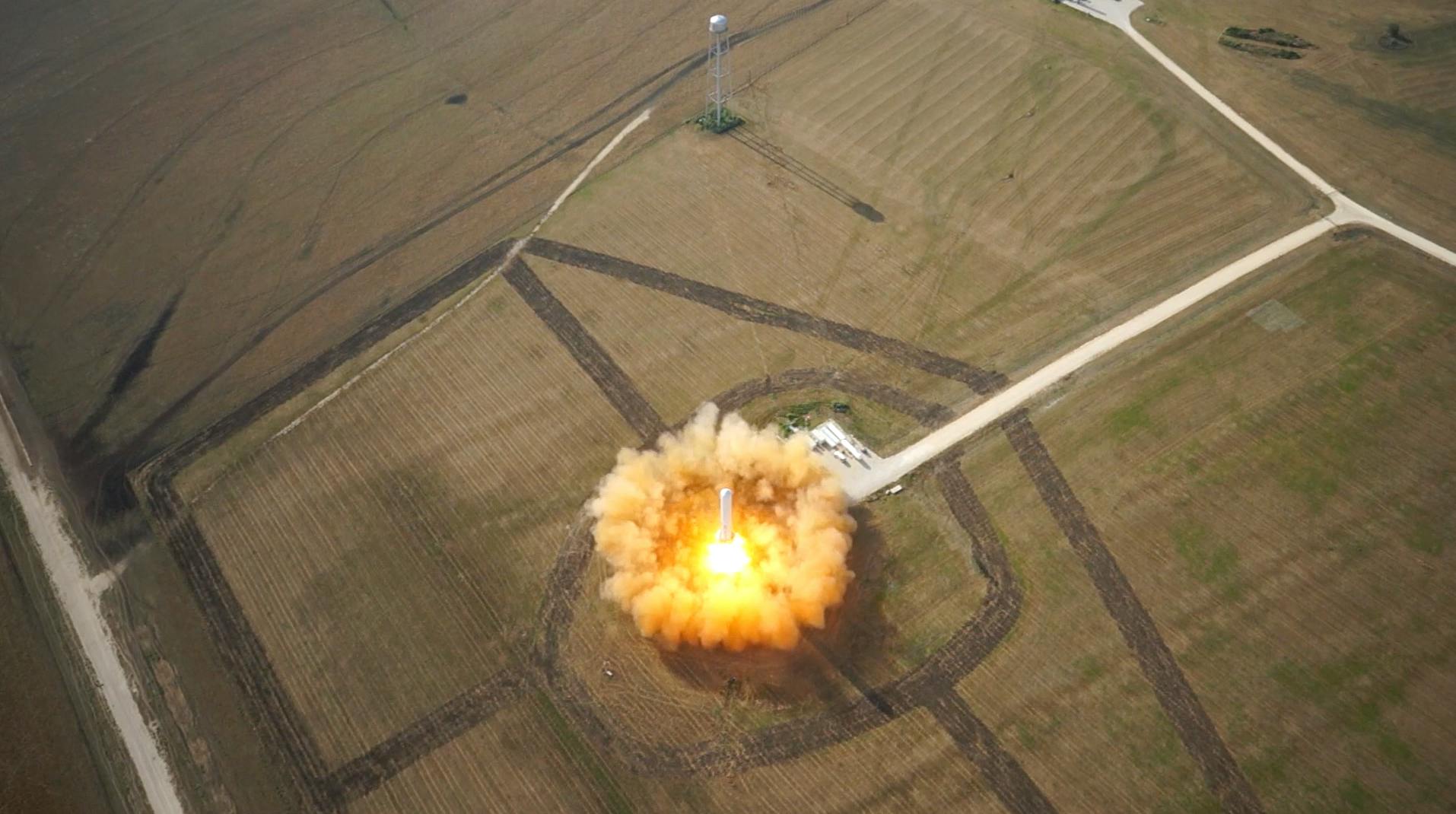
SpaceX swaps Crew Dragon capsules with NASA to accelerate Crew-10 launch, and successfully launches multiple Starlink satellites into orbit.
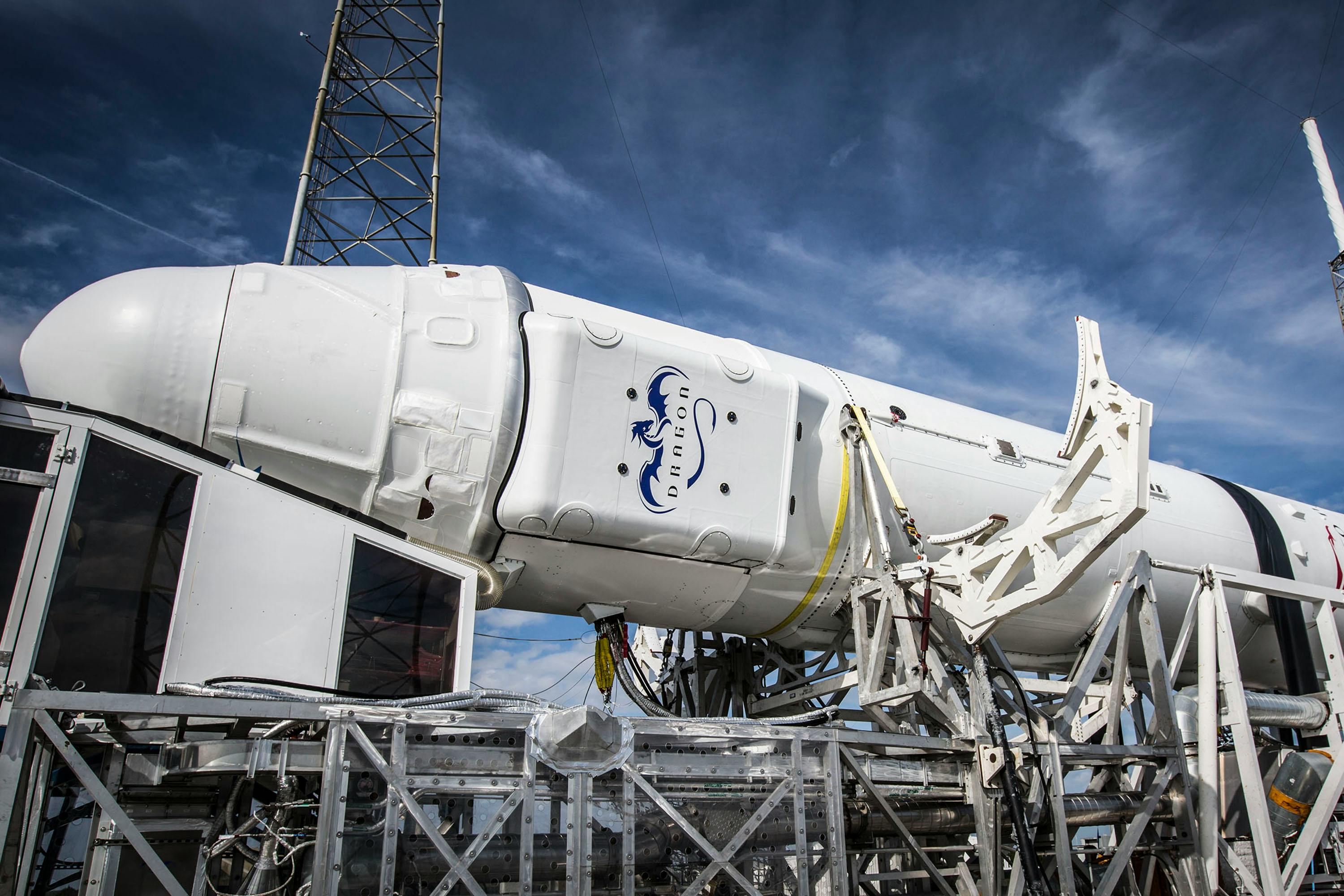
Today's brief highlights the need for better space debris management, multiple SpaceX Starlink launches, and NASA's upcoming lunar cargo delivery plans.

The bustling downtown of space: where most satellites operate, communication networks bloom, and the challenges of atmospheric drag and radiation shape our approach to space operations
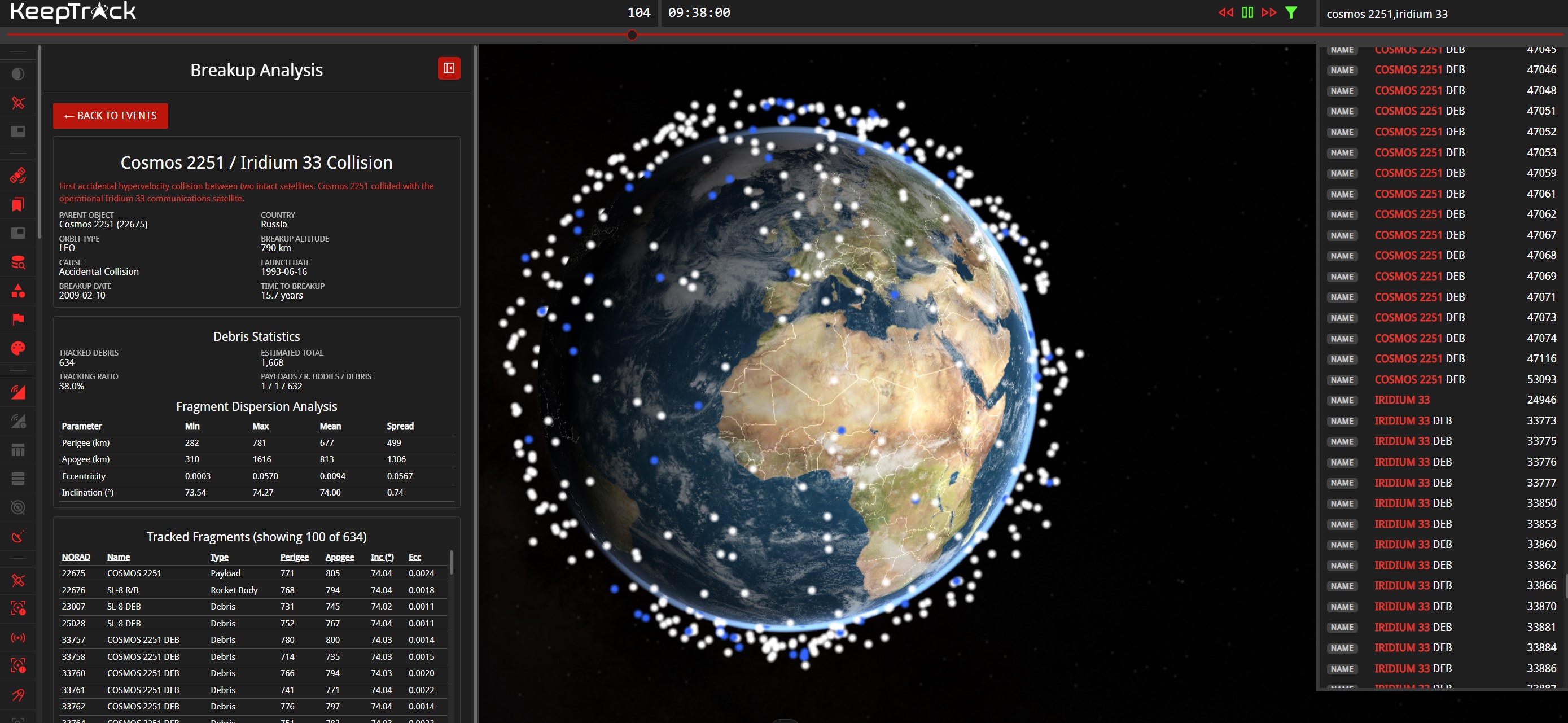
On February 10, 2009, an active Iridium communications satellite and a derelict Soviet military spacecraft slammed into each other 789 kilometers above Siberia. The collision produced more than 2,300 pieces of trackable debris that are still up there. Seventeen years later, the Iridium-Cosmos collision remains the event that made space debris a policy problem the world could no longer ignore.

Today's recap covers SpaceX's role in record launch numbers, the FCC's spectrum allocation for launches, and the historical portrayal of the Ingenuity helicopter.

The White House wants to cut NASA's science budget nearly in half for the second year running. Administrator Jared Isaacman says it's enough. Congress already rejected this exact idea once.