


Air Force One Gets Starlink, Astrobotic Acquired | KeepTrack Space Brief
Trump's interim Air Force One—a $400M Boeing 747-8—equipped with Starlink for presidential communications. First confirmed LEO constellation use for White House comms.



Launch Date
December 21, 1963
Launch Site
Launch Pad
LC17B
Launch Vehicle
Thor Delta B
NORAD ID
00720
International Designator
1963-054C
Epoch
Sun, 19 Jul 2026 19:57:13 GMT
Apogee
Calculating...
Perigee
Calculating...
Inclination
58.47°
Right Ascension
12.80°
Eccentricity
Calculating...
Argument of Perigee
97.73°
Period
99.26 min
Mean Motion
14.51 rev/day
Latitude
Calculating...
Longitude
Calculating...
Altitude
Calculating...
Velocity
Calculating...
Name
DELTA 1 DEB
Alternative Name
Tiros VIII despin weight
Type
Status
Owner
GSFC
Country
United States
Constellation
N/A
Related Satellites
Major Events
N/A
1 00720U 63054C 26200.83140200 .00000198 00000+0 87331-4 0 9998
2 00720 58.4720 12.7994 0112492 97.7285 263.6534 14.50719529286228
Source: Celestrak
Length
3.5
Diameter
0
Span
3.5
Dry Mass
1
Launch Mass
1
Shape
Cable + Box
Radar Cross Section
0.0453
Visual Magnitude
Unknown
Color
Unknown
Material Composition
Unknown
Payload
Unknown
Purpose
Unknown
Mission
Unknown
Manufacturer
Unknown
Life Expectancy
Unknown
Bus
Unknown
Configuration
Unknown
Motor
Unknown
Equipment
Unknown
Power System
Unknown
ADCS
Unknown
Transmitter Frequency
Unknown
Learn more about satellites and other related topics.
Trump's interim Air Force One—a $400M Boeing 747-8—equipped with Starlink for presidential communications. First confirmed LEO constellation use for White House comms.

Today's brief covers the recent surge in SpaceX launches, Eutelsat's resolution of a OneWeb software issue, and various strategic previews for U.S. military branches in 2025.
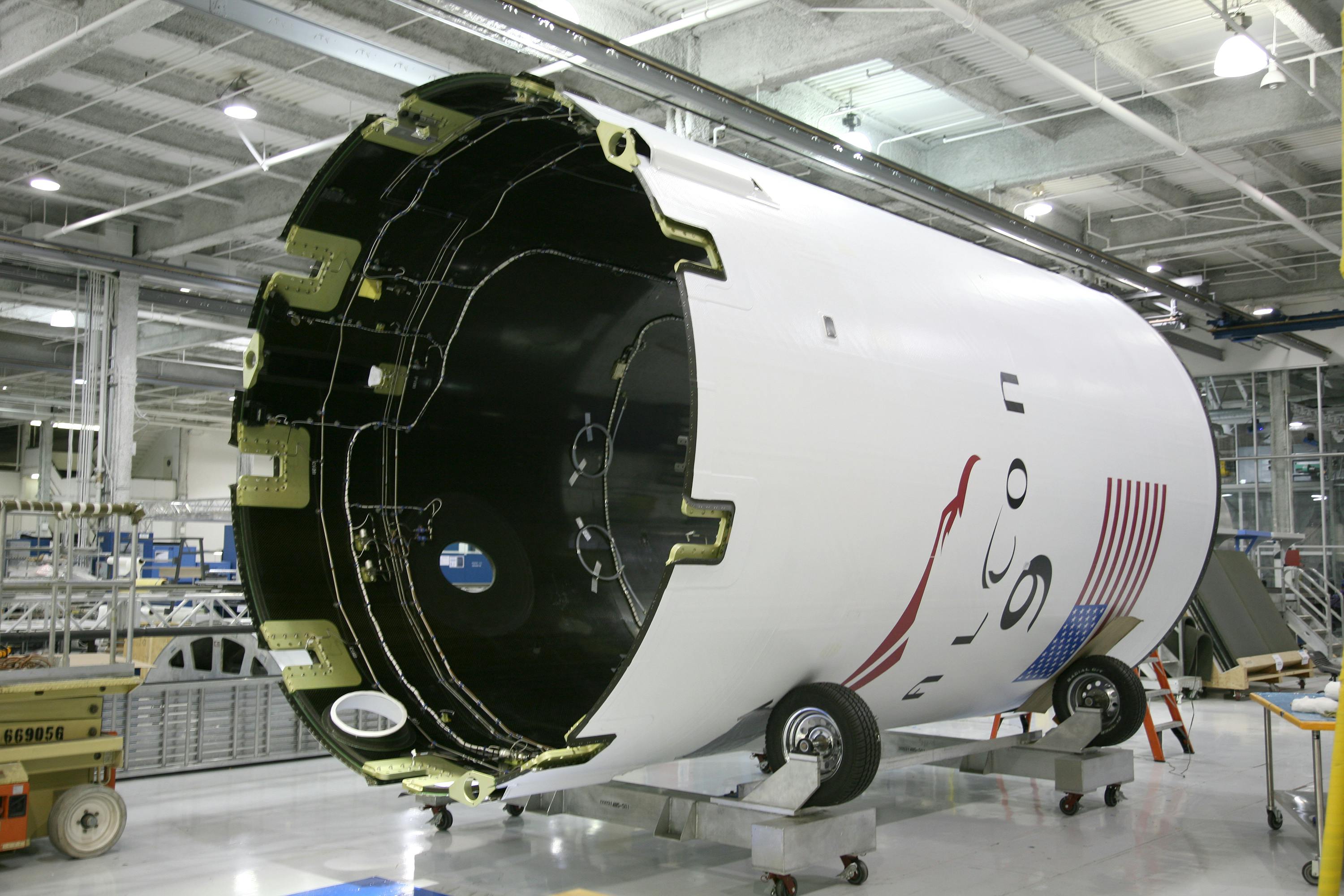
SpaceX gears up for distinctive Starship tests and milestone Starlink deployments as the new year takes off.
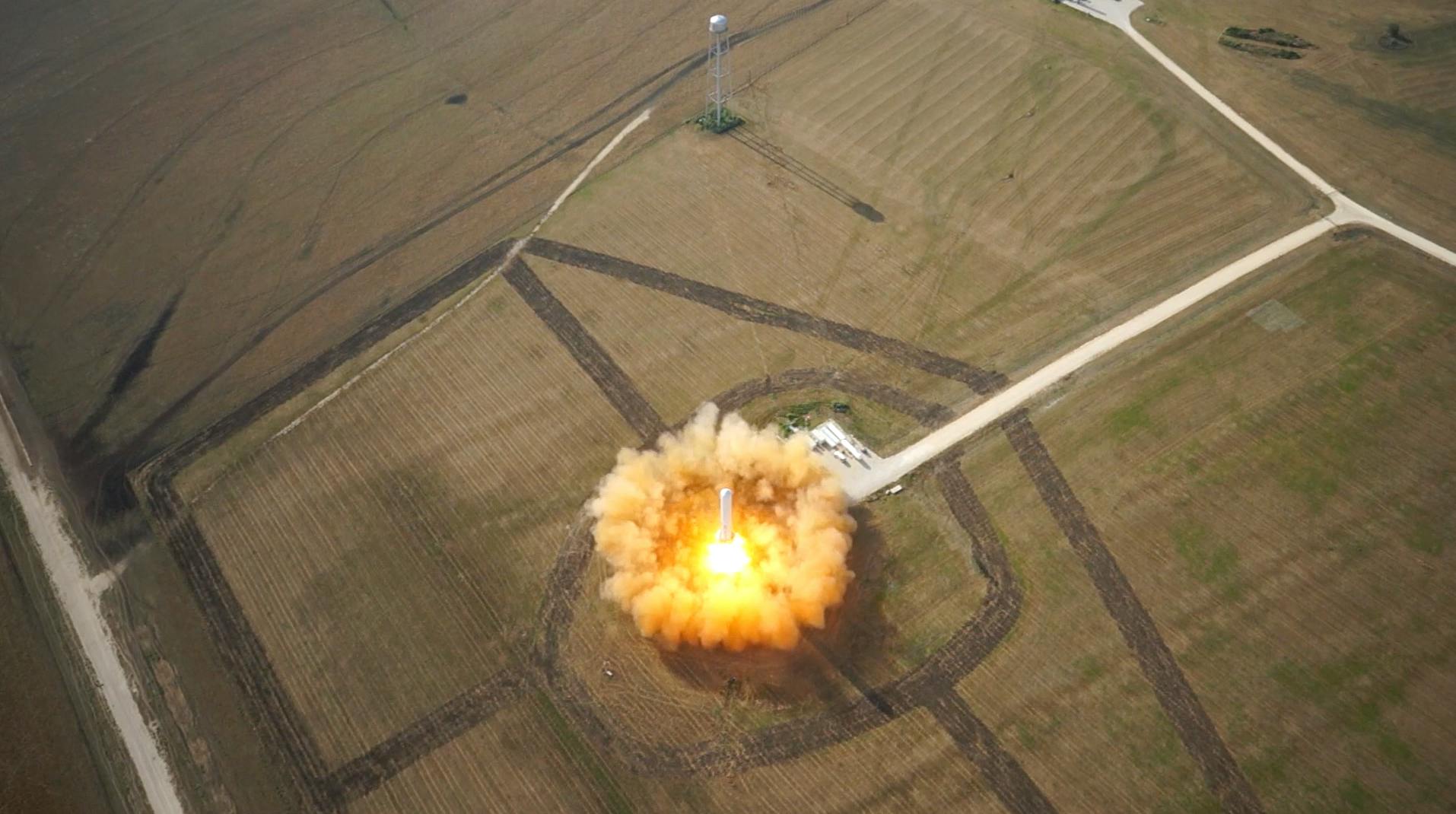
SpaceX progresses with plans for Starship launches from a ULA site while continuing its Starlink expansion. New satellite tracking update enhances user engagement.

A fatality at SpaceX's Starbase shakes the program as Starship V3, standing 124 m tall with Raptor 3 engines, nears its maiden flight.
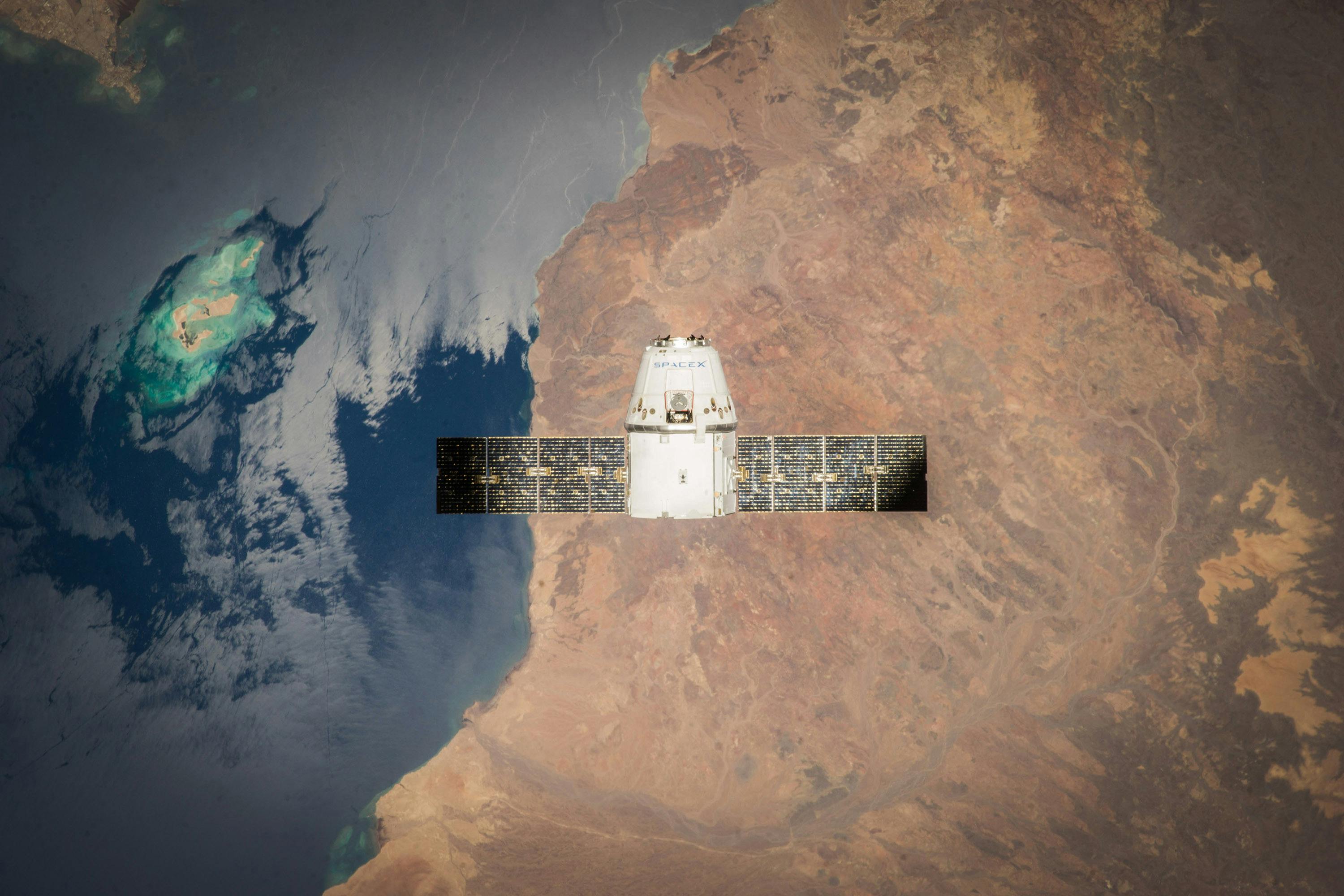
SpaceX executes dual Starlink launches and secures Dragonfly mission contract while managing NRO satellite deployment.
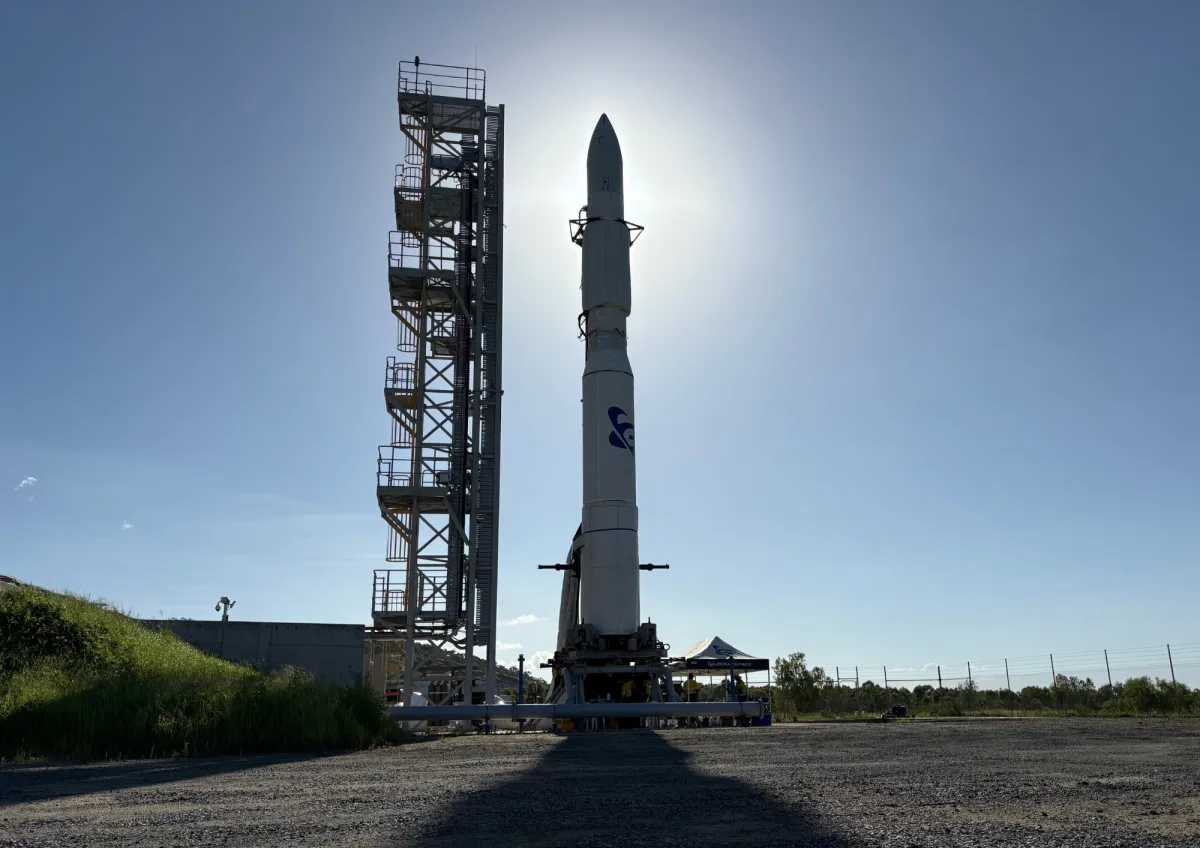
Today's brief covers a Pentagon review of satellite launch options, Kongsberg's completed maritime satellite network, York's new satellite launch, DARPA's project cancellation, and more.
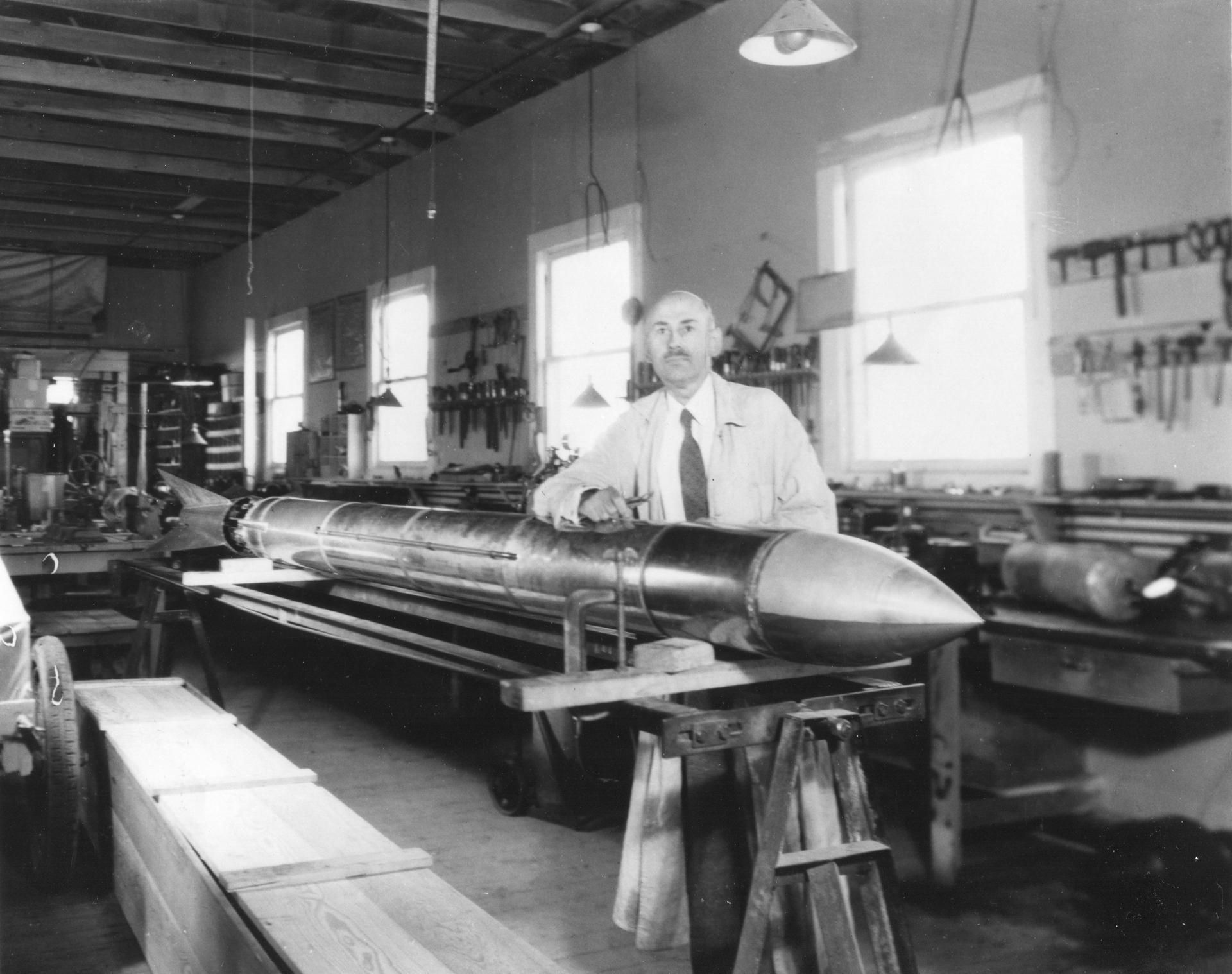
On February 2, 1909, Robert Goddard made a revolutionary breakthrough in his notebook: liquid oxygen and liquid hydrogen could achieve 50% efficiency in converting heat energy to kinetic energy for rocket propulsion