


Space Brief 23 Jan 2025
Today's briefing covers the U.S. Space Force's substantial investments in commercial satellite services, a strategic military shift, Chinese space station upgrades, and NASA's policy changes.


Launch Date
September 12, 1962
Launch Site
Launch Pad
LC1
Launch Vehicle
Molniya 8K78
NORAD ID
00389
International Designator
N/A
Decay Date
9/14/1962
Name
SPUTNIK 21
Alternative Name
AMS
Type
Status
Owner
Country
USSR
Constellation
N/A
Related Satellites
Major Events
N/A
Apologies, there is no summary for this satellite yet. I am working to generate these for every object in the catalog, but it is going to take time.
Length
3.2
Diameter
1.1
Span
4
Dry Mass
900
Launch Mass
900
Shape
Step Cyl + 2 Pan
Radar Cross Section
0.66
Visual Magnitude
Unknown
Color
Unknown
Material Composition
Unknown
Payload
2MV-2 No. 1
Purpose
Unknown
Mission
Unknown
Manufacturer
OKB-1 of NII-88
Life Expectancy
Unknown
Bus
MV
Configuration
Unknown
Motor
KDU-414
Equipment
Unknown
Power System
Unknown
ADCS
Unknown
Transmitter Frequency
Unknown
Learn more about satellites and other related topics.
Today's briefing covers the U.S. Space Force's substantial investments in commercial satellite services, a strategic military shift, Chinese space station upgrades, and NASA's policy changes.
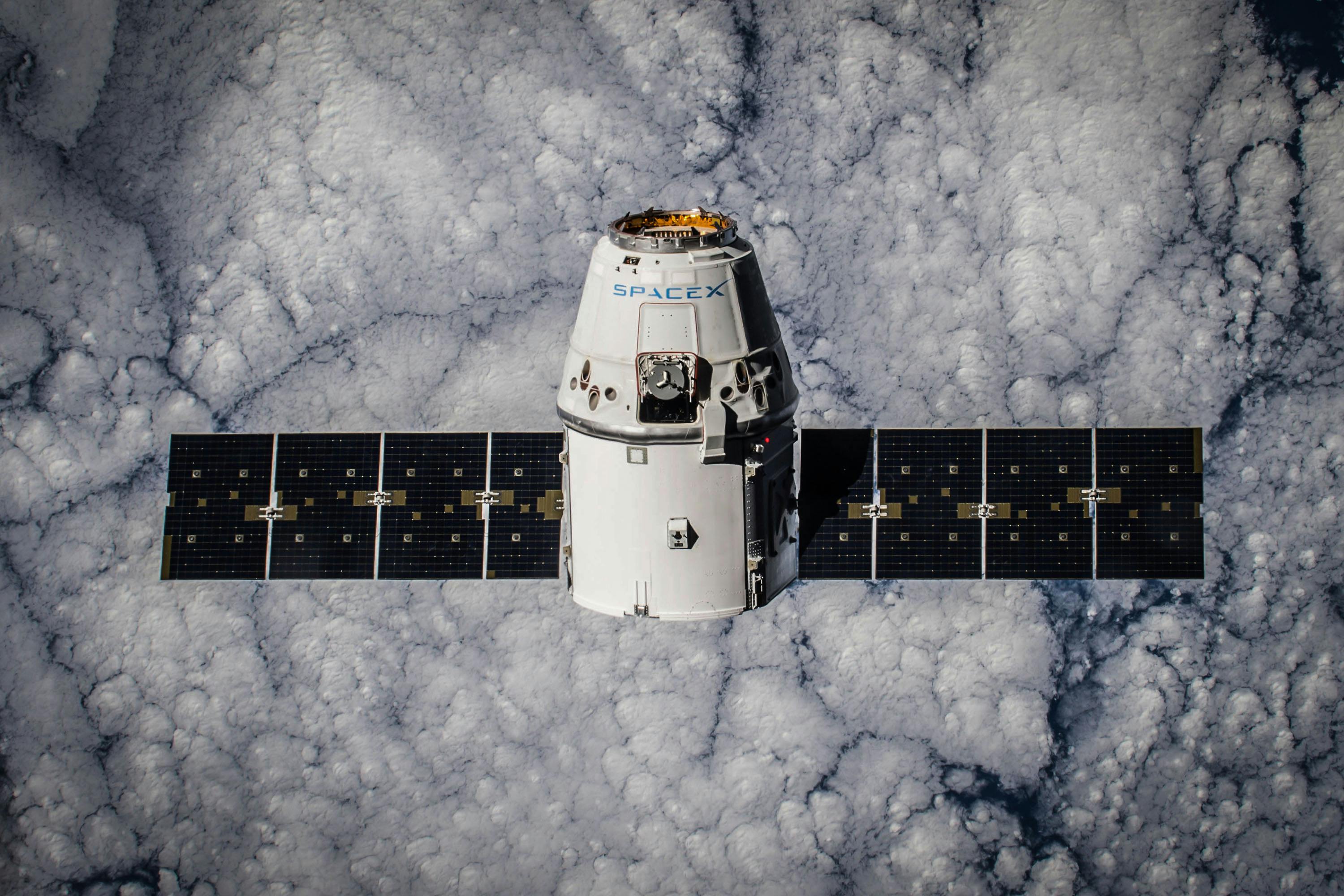
Exciting advancements from SpaceX include the debut of a new Dragon capsule for Axiom Space, continued Starlink deployments, and significant shifts in U.S. rural broadband funding that could benefit Starlink.

SpaceX achieves new milestones with back-to-back launches for the NRO while preparing for groundbreaking crewed polar mission FRAM2.
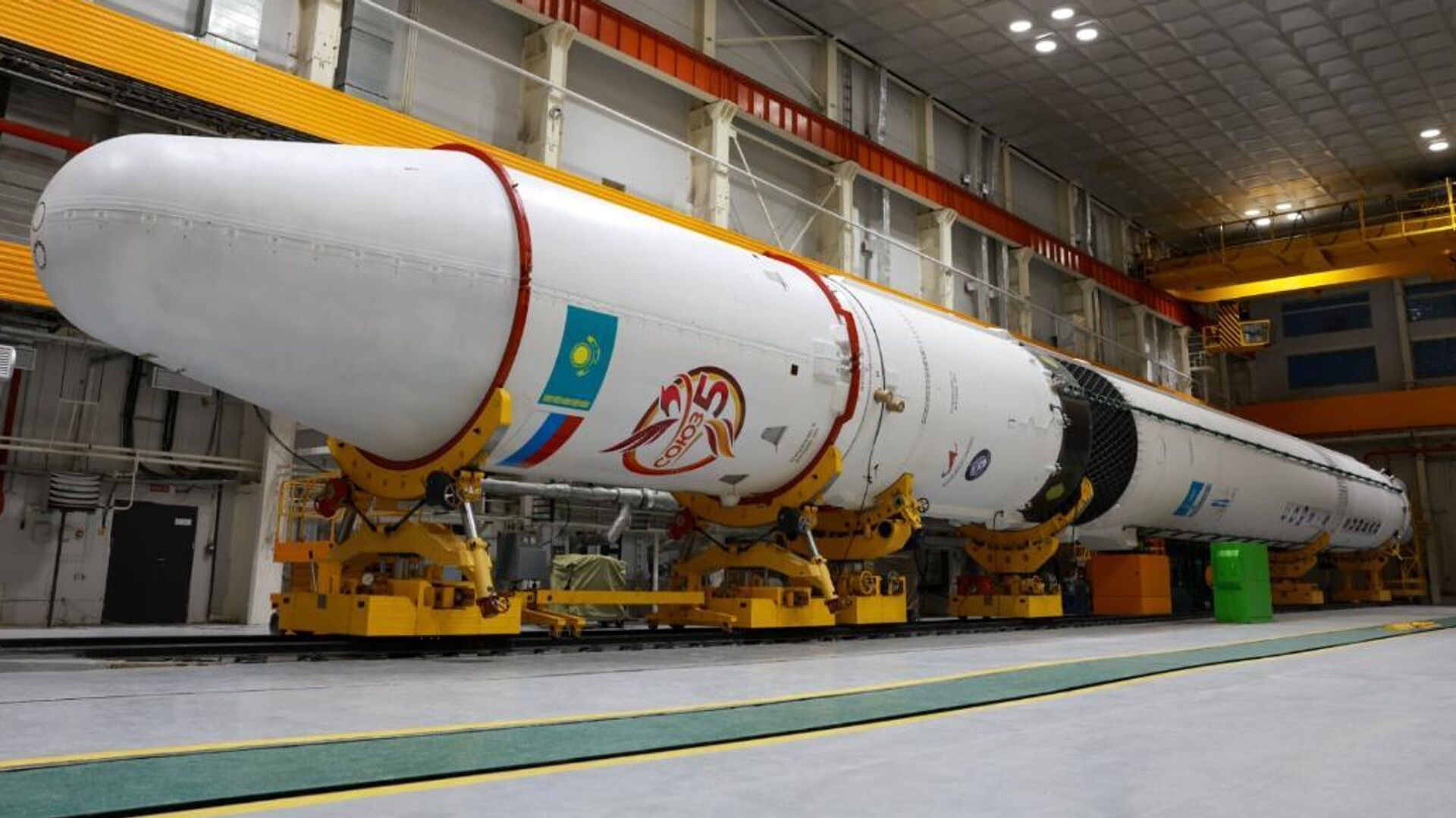
NASA's Artemis 2 launches April 1 with Commander Reid Wiseman and 3 crew members for first crewed lunar flyby since Apollo 17 in 1972.
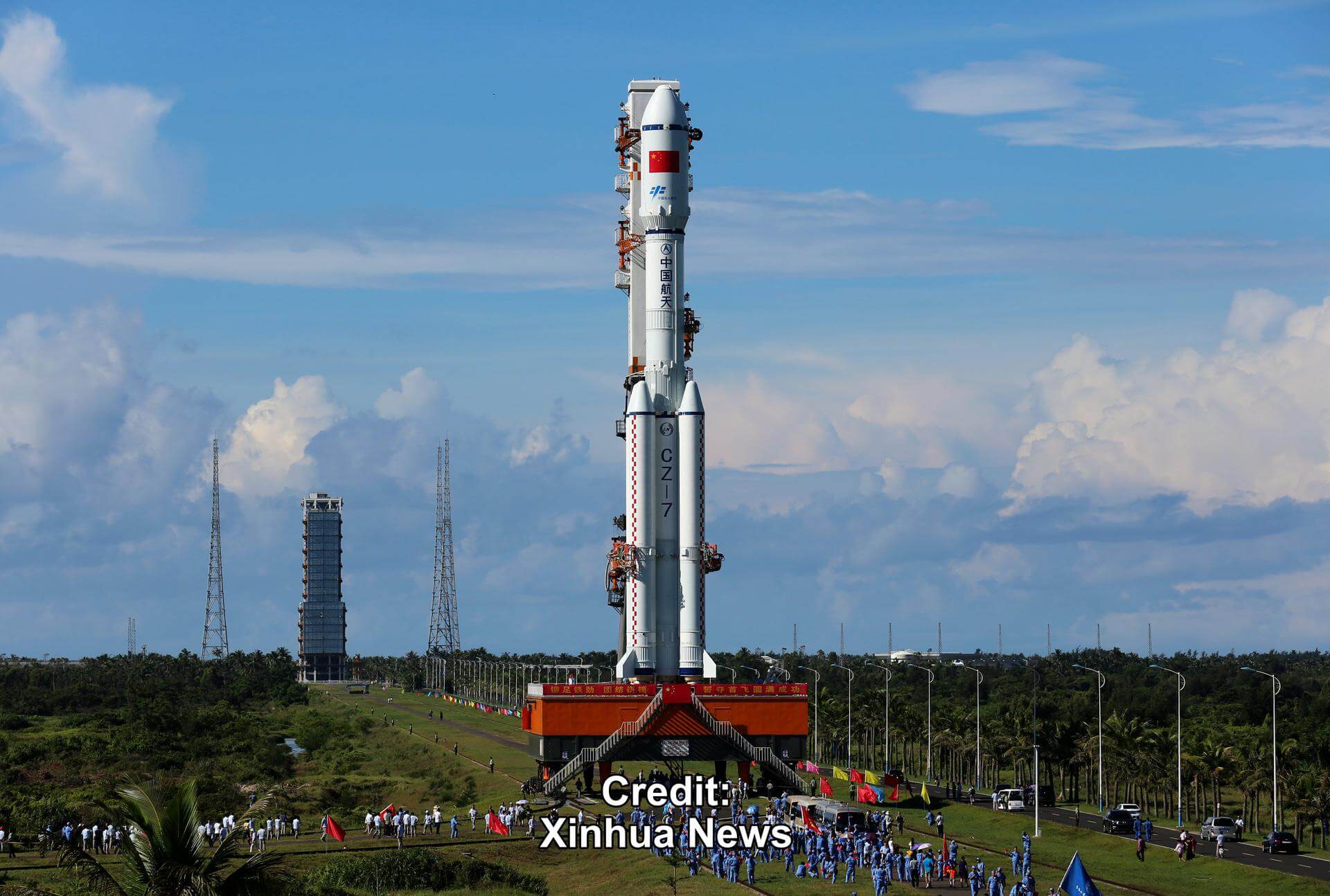
Today's key topics include the halting of the U.S. Air Force's rocket landing pad plans, the Space Force's shift to a flexible satellite strategy, delays in Australia's Eris 1 rocket launch, and the controversial cut of satellite sea-ice data to climate scientists.
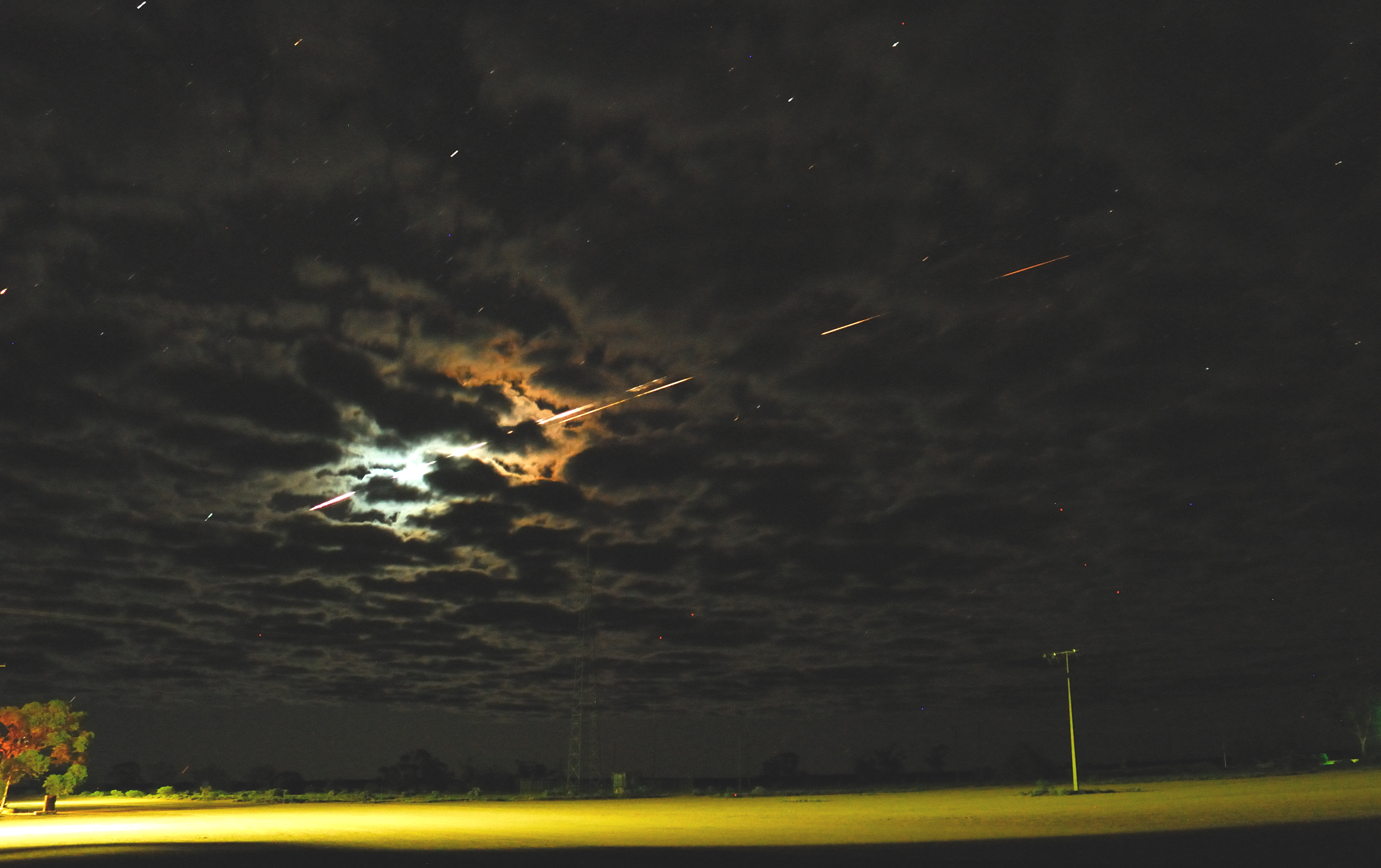
Sixteen years ago today, a fireball tore across the Australian outback. Most of it was a dying Japanese spacecraft burning up after a seven-year ordeal. The bright dot racing ahead of the wreckage was a capsule holding the first grains of an asteroid ever returned to Earth.
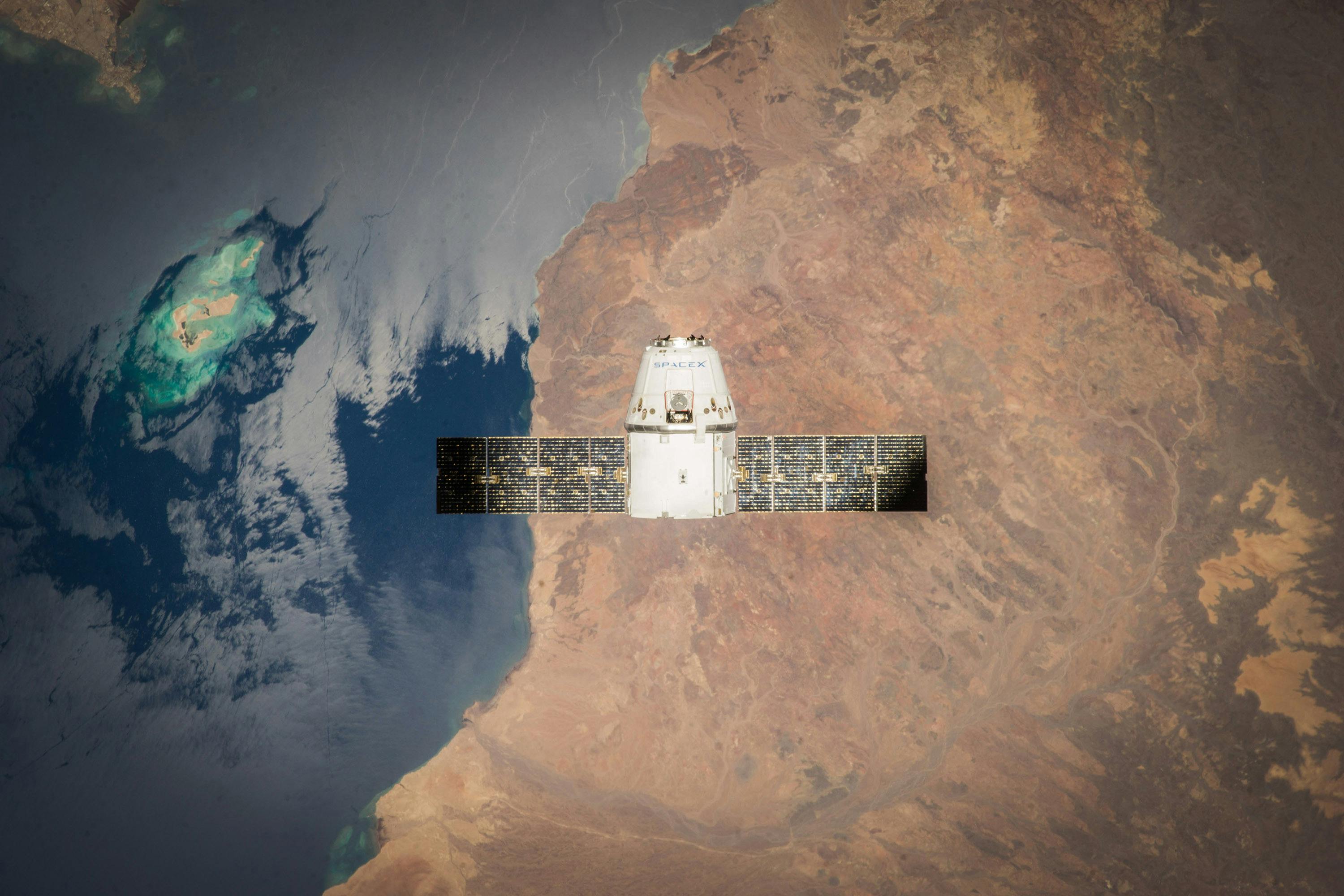
SpaceX executes dual Starlink launches and secures Dragonfly mission contract while managing NRO satellite deployment.

For nearly two decades, the U.S. Air Force and Space Force have been the world's unofficial civilian space traffic control system. The Department of Commerce's Traffic Coordination System for Space (TraCSS) is now taking over that job for commercial satellite operators - in stages, against persistent congressional pressure to kill the program, and with Department of Defense advocates pushing to make it happen before it is too late.