


Falcon 9 Booster B1067 Flies Record 35th Time | KeepTrack X Report
Booster B1067 set a Falcon 9 reuse record on its 35th flight, lofting 29 Starlink satellites as SpaceX eyes three more launches this week.


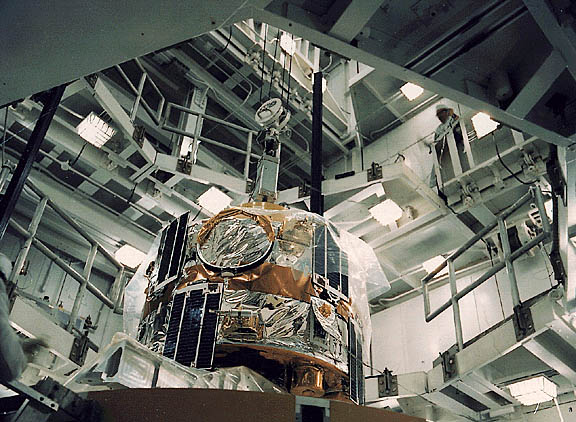
Launch Date
June 22, 1960
Launch Site
Launch Pad
LC-17B
Launch Vehicle
Thor-Ablestar
NORAD ID
00046
International Designator
1960-007B
Epoch
Sun, 19 Jul 2026 20:09:19 GMT
Apogee
Calculating...
Perigee
Calculating...
Inclination
66.69°
Right Ascension
139.21°
Eccentricity
Calculating...
Argument of Perigee
268.85°
Period
98.97 min
Mean Motion
14.55 rev/day
Latitude
Calculating...
Longitude
Calculating...
Altitude
Calculating...
Velocity
Calculating...
Name
SOLRAD 1 (GREB)
Alternative Name
GRAB 1
Type
Status
Country
United States
Constellation
SOLRAD
Related Satellites
Major Events
First satellite to observe solar X-rays and conduct orbital surveillance; deactivated in April 1961.
1 00046U 60007B 26200.83980699 .00000217 00000+0 59928-4 0 9991
2 00046 66.6878 139.2129 0202304 268.8518 88.9411 14.54913101461752
Source: Celestrak
Length
0.508
Diameter
0.508
Span
0.508
Dry Mass
11.3
Launch Mass
11.3
Shape
Spherical
Radar Cross Section
0.3563
Visual Magnitude
5
Color
Silver
Material Composition
Aluminum, glass, plastic, copper, steel, stainless steel, nylon, synthetic fabric, phenolic resin, ceramic plate, rubber (silicone), adhesive.
Payload
SOLRAD scientific instruments and GRAB electronic surveillance equipment.
Purpose
ELINT, SIGINT, Research
Mission
Conducted solar X-ray observations and electronic intelligence (ELINT) to map Soviet air defense radar networks.
Manufacturer
Naval Research Laboratory (NRL)
Life Expectancy
Operated for approximately 10 months; scientific instruments functioned until November 1960, and surveillance equipment until September 1960.
Bus
NRL 20
Configuration
NRL 20in sphere
Motor
None
Equipment
Two Lyman-alpha photometers for ultraviolet light study, one X-ray photometer for 2-8Ã… wavelength range, S-band radar receiver for electronic intelligence.
Power System
Six circular patches of solar cells powering nine D cell batteries, providing 6 watts.
ADCS
Spin-stabilized
Transmitter Frequency
108 MHz for scientific telemetry; 139 MHz for surveillance data.
Learn more about satellites and other related topics.
Booster B1067 set a Falcon 9 reuse record on its 35th flight, lofting 29 Starlink satellites as SpaceX eyes three more launches this week.
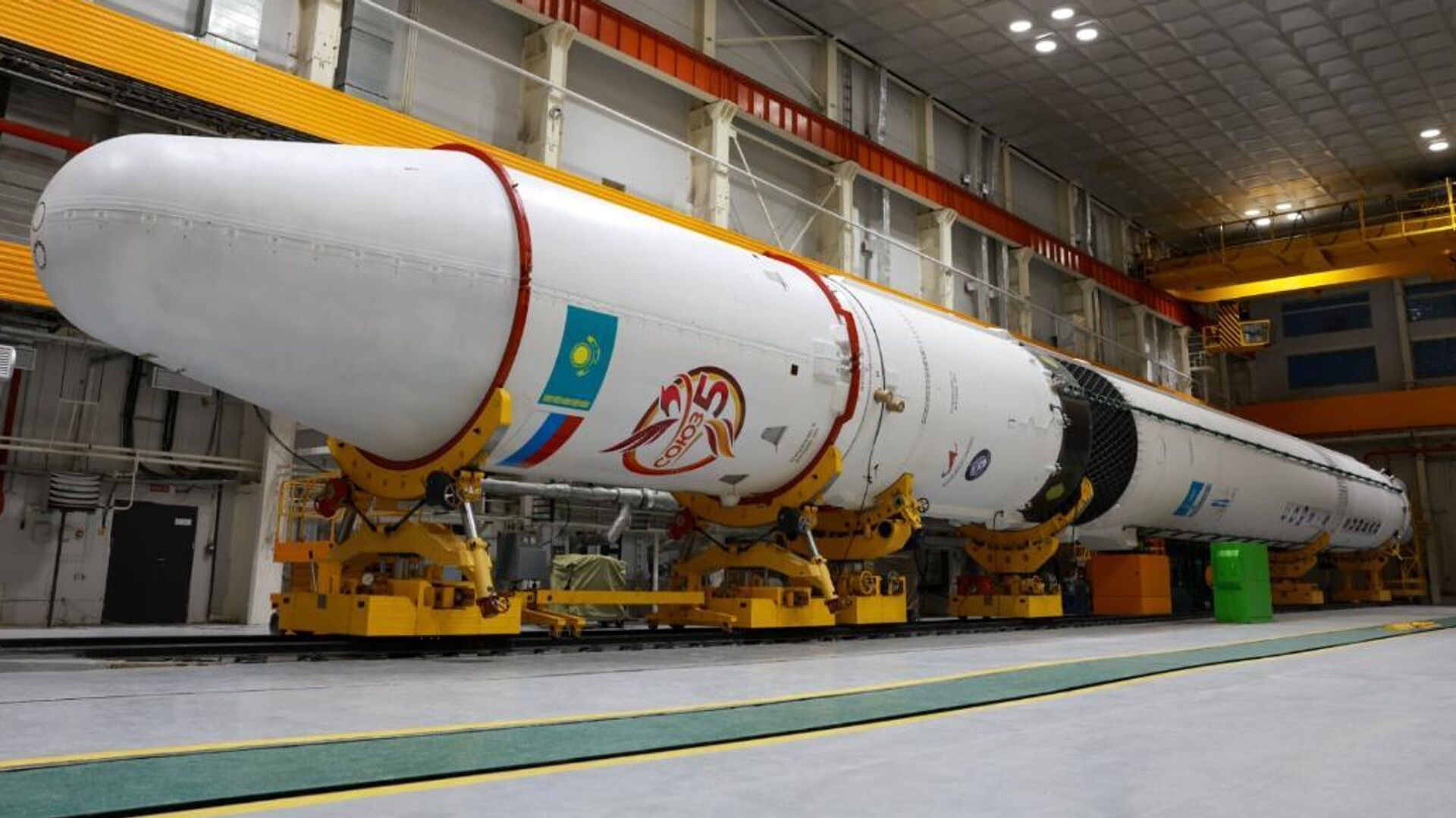
NASA's Artemis 2 launches April 1 with Commander Reid Wiseman and 3 crew members for first crewed lunar flyby since Apollo 17 in 1972.
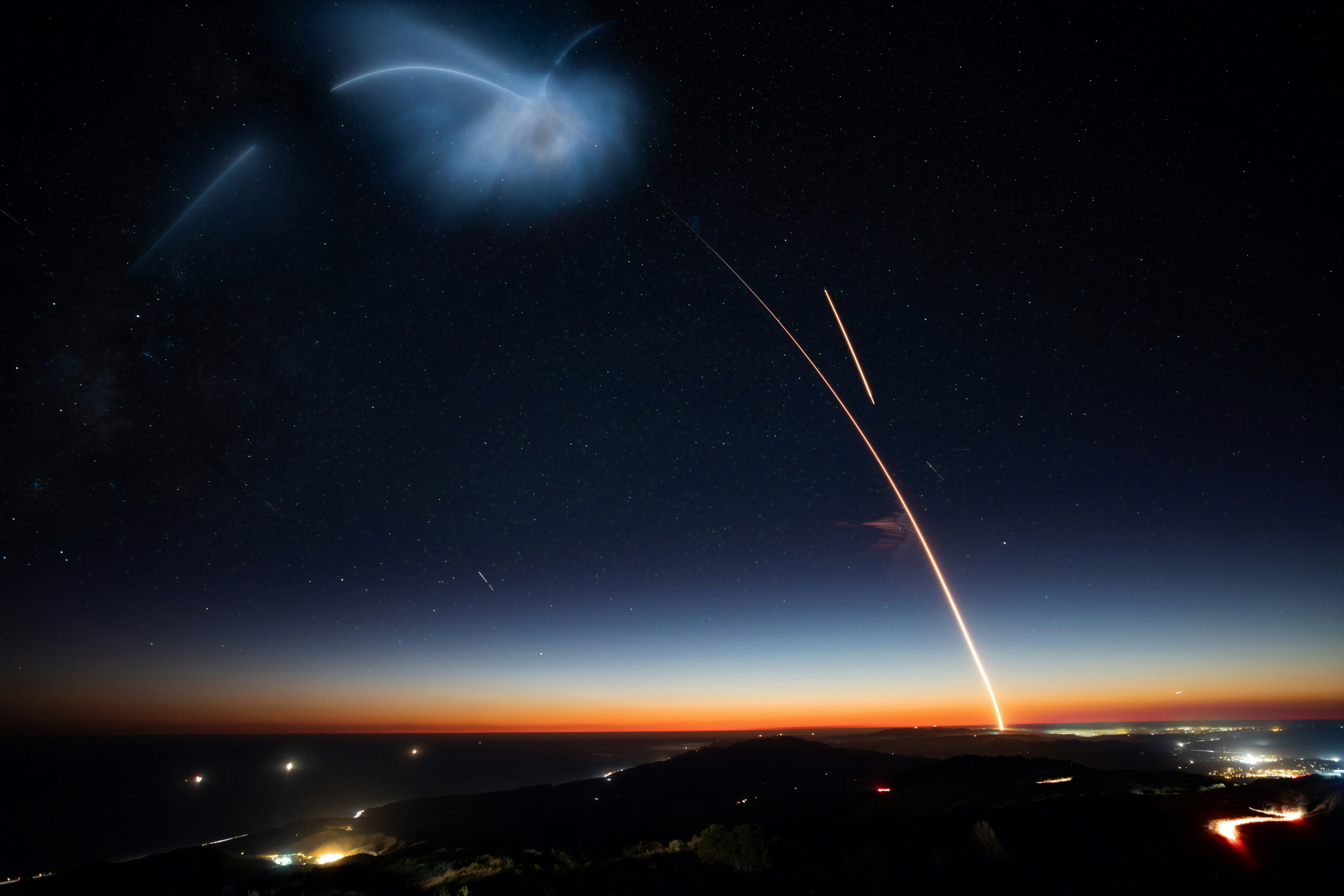
Starship Flight 12 status for May 2026: SpaceX targets mid-May with a revised trajectory, while Starlink 10-38 lofts 29 satellites from Cape Canaveral.
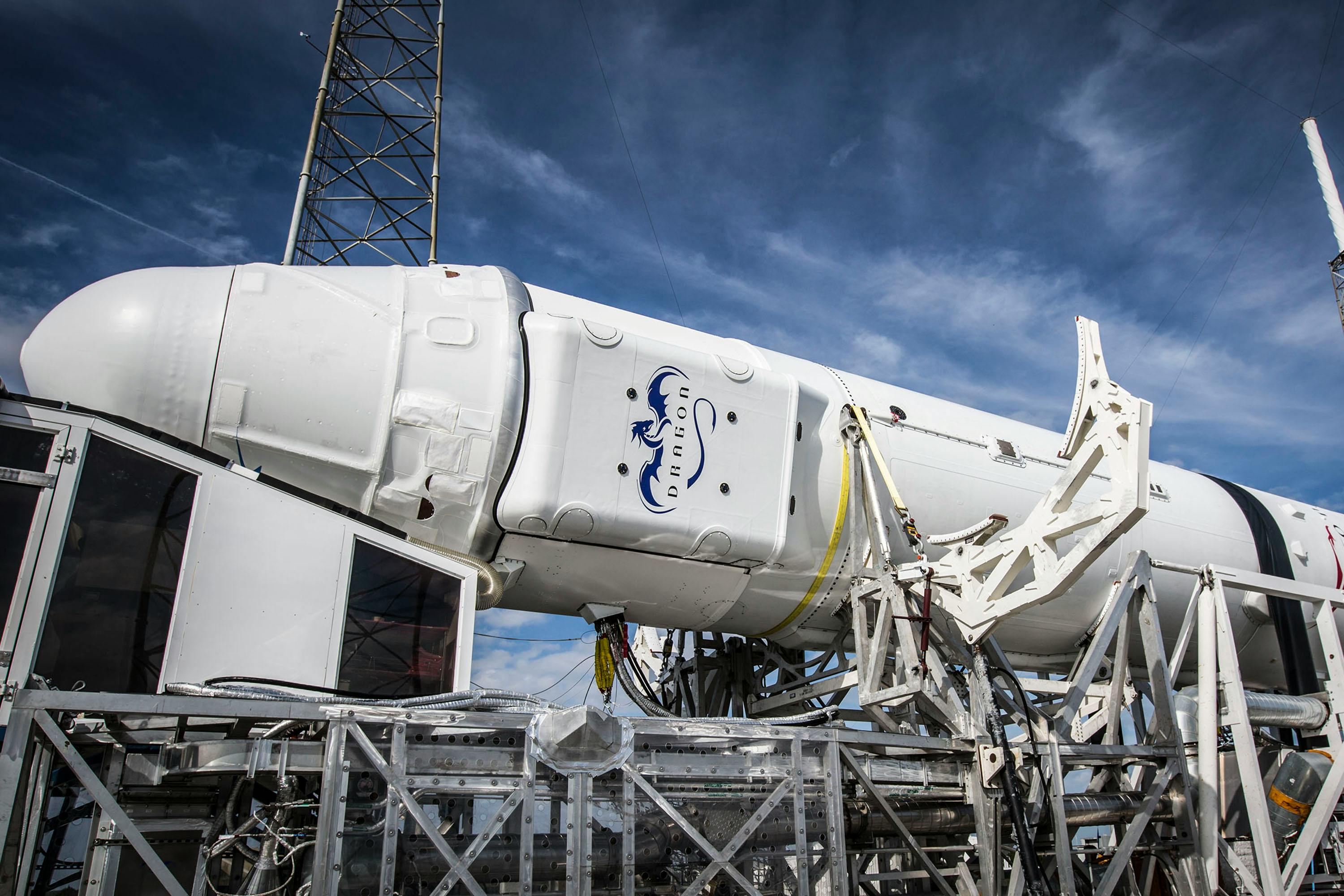
New experiments in space agriculture begin with Fram2 mission, a historic polar orbit flight, and a Starlink launch postponement.

Kratos Defense awarded $446M Space Force contract for RMWT missile-warning ground systems. Rocket Lab secures $190M Pentagon deal for 20 hypersonic test flights.

Today's brief covers a significant hypersonic flight by Stratolaunch, the US Space Force's missile warning upgrades, and major government space investments.

Pentagon selects SpaceX and xAI for $100M autonomous drone competition. Two Falcon 9 rockets launch Starlink sats from California and Florida. 11,215 total Starlink satellites launched.
Today's briefing covers the largest-ever spectrum sharing demo planned by the Pentagon, innovative strategies for drone deployment in the Air Force, and significant military procurement developments.