· x report · 3 min read
Falcon 9 Booster Hits Record 35th Flight | KeepTrack X Report
A Falcon 9 booster sets a reusability record on its 35th flight during the Starlink 10-35 mission, the constellation's 53rd dedicated launch.
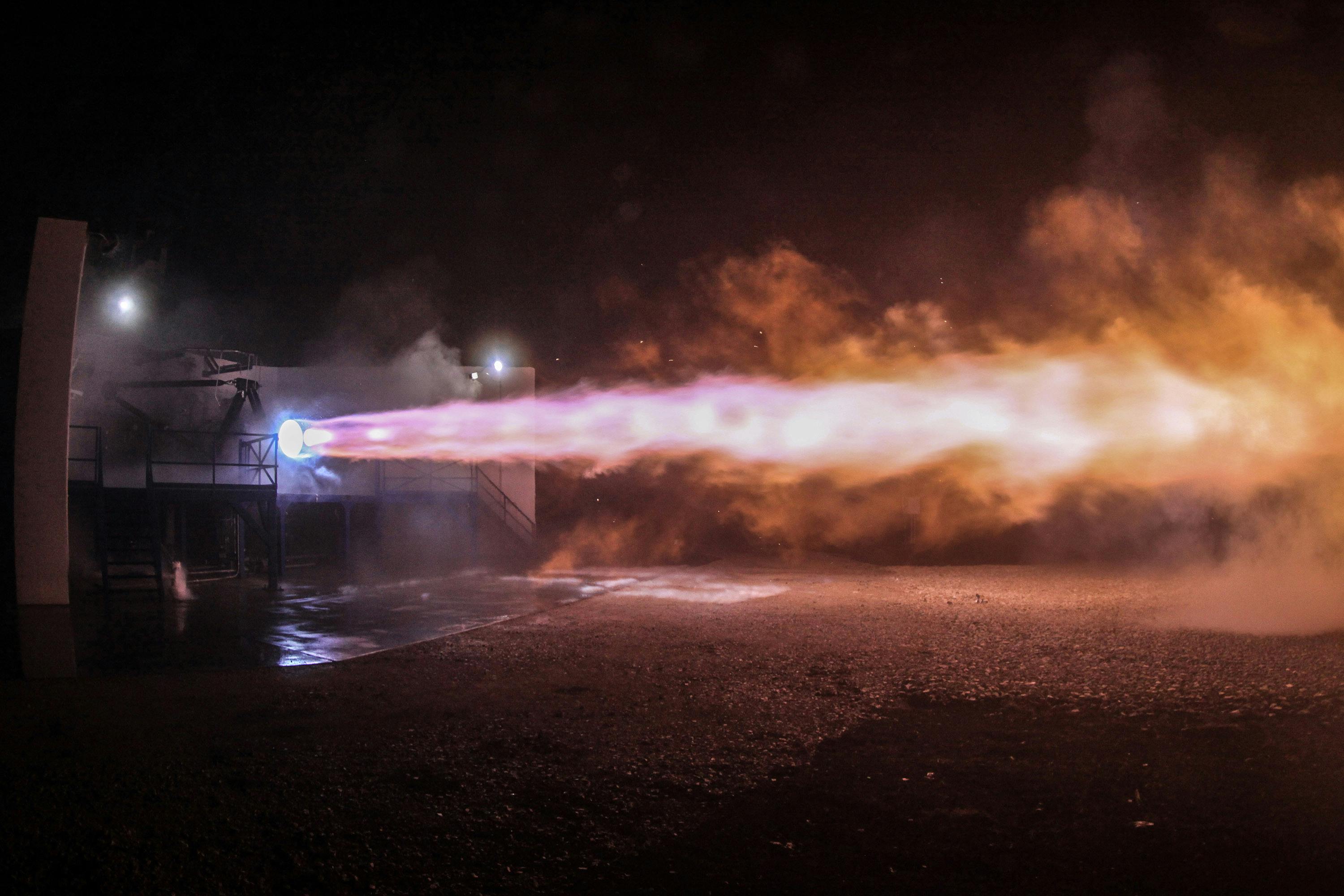
Latest Developments
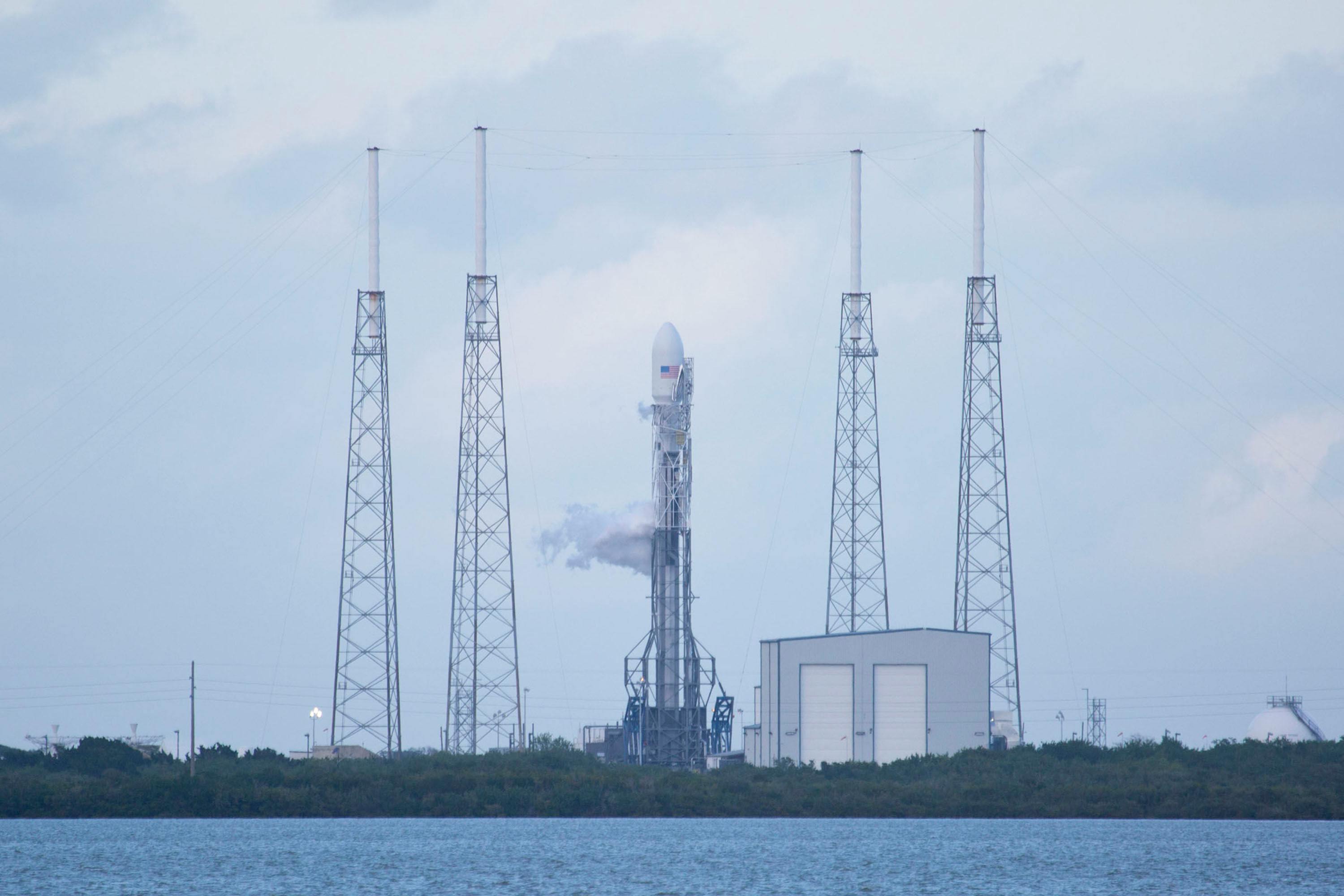
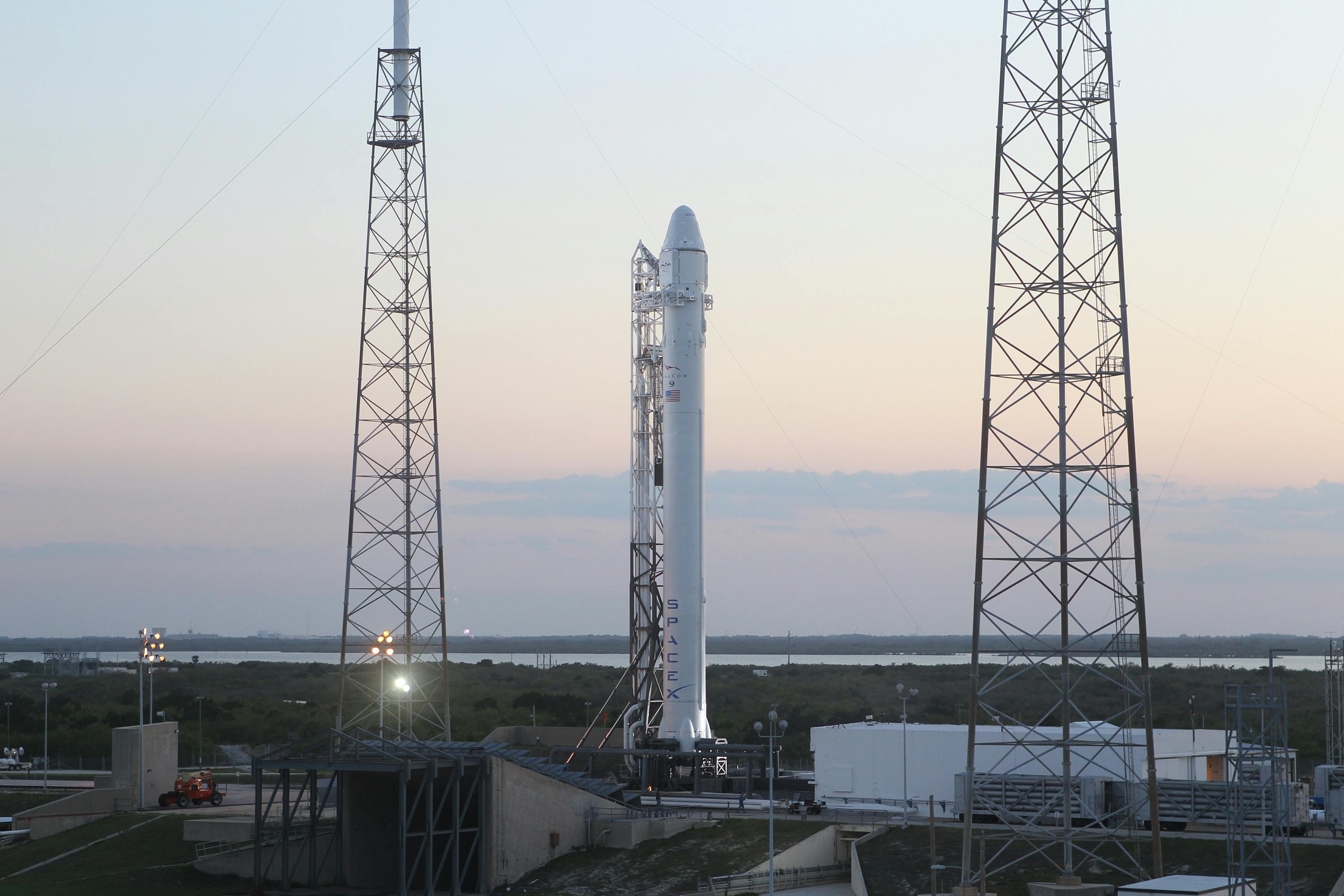
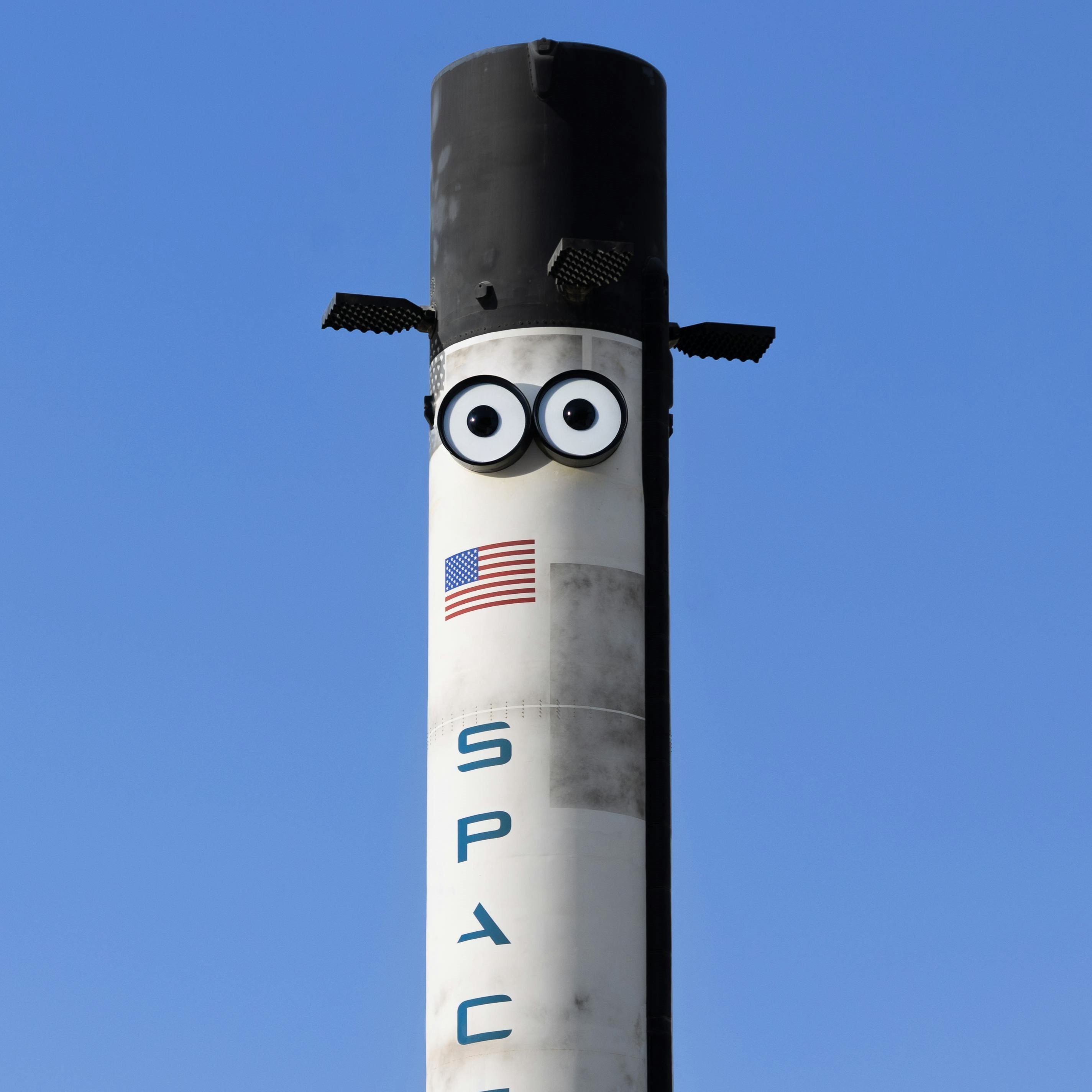
A SpaceX Falcon 9 booster is poised to shatter its own reusability record with a 35th flight on the Starlink 10-35 mission, marking a historic milestone in the rapid-reuse program that underpins SpaceX’s economics. Liftoff from Launch Complex 40 at Cape Canaveral Space Force Station was scheduled during a window opening at 6:07 a.m. EDT (1007 UTC) on June 7, 2026. The mission is the 53rd dedicated Starlink launch, continuing to build a constellation that now stands at 12,212 satellites launched, with 10,574 in orbit and 10,558 operational. Each new batch further densifies the network’s orbital shell and raises the stakes for debris tracking and space traffic coordination.
Space Safety
The current Starlink conjunction picture shows 10 tracked events over a six-day period (June 7-13, 2026), with two MODERATE-risk conjunctions warranting continued monitoring: STARLINK-30526 approaching STARLINK-35247 on Jun 10 at 18:10 UTC (max probability 0.30), and STARLINK-1133 with STARLINK-34975 on Jun 7 at 16:23 UTC (max probability 0.10). Reentry predictions indicate four Starlink satellites in decay phase with predicted reentry windows between June 8-10, 2026. The conjunction risk profile remains manageable with no HIGH-risk events identified, though the two MODERATE events involve partially operational Starlink assets that may have limited maneuvering capability.
| Risk | Starlink Sat | Other Object | Status | Min Range (km) | Rel Speed (km/s) | Max Prob | Time of Closest Approach |
|---|---|---|---|---|---|---|---|
| MODERATE | STARLINK-30526 | STARLINK-35247 | Operational | 0.029 | 1.352 | 0.3026 | Jun 10, 18:10 UTC |
| MODERATE | STARLINK-1133 | STARLINK-34975 | Operational | 0.054 | 9.686 | 0.1047 | Jun 7, 16:23 UTC |
| LOW | STARLINK-30585 | FALCONSAT-6 | Operational | 0.034 | 7.762 | 0.0864 | Jun 13, 01:24 UTC |
| LOW | STARLINK-3060 | COSMOS 2221 | Unknown | 0.027 | 14.628 | 0.0752 | Jun 9, 06:53 UTC |
| LOW | STARLINK-6263 | FLOCK 4G-7 | Operational | 0.029 | 14.277 | 0.0743 | Jun 11, 23:42 UTC |
| LOW | STARLINK-30385 | ELECTRON KICK STAGE R/B | Non-operational | 0.031 | 13.435 | 0.0740 | Jun 11, 04:00 UTC |
| LOW | STARLINK-36171 | COSMOS 1275 DEB | Non-operational | 0.036 | 11.423 | 0.0659 | Jun 11, 08:28 UTC |
| LOW | STARLINK-36648 | QMR-KWT-2 (RS95S) | Operational | 0.037 | 12.875 | 0.0554 | Jun 8, 05:44 UTC |
| LOW | STARLINK-1262 | STARLINK-35484 | Operational | 0.085 | 0.077 | 0.0551 | Jun 9, 13:02 UTC |
| LOW | STARLINK-35892 | YAOGAN-35 01A | Operational | 0.049 | 3.857 | 0.0492 | Jun 9, 13:34 UTC |
| Satellite | NORAD ID | Predicted Decay | Window (min) | Inclination | Lat | Lon |
|---|---|---|---|---|---|---|
| STARLINK-1795 | 46696 | Jun 8, 12:44 UTC | 1020 | 53.0° | 50.8° | 65.1° |
| STARLINK-2171 | 47754 | Jun 9, 00:03 UTC | 540 | 53.0° | 44.2° | 215.2° |
| STARLINK-4508 | 53559 | Jun 9, 13:25 UTC | 600 | 53.2° | -24.3° | 86.5° |
| STARLINK-1366 | 45569 | Jun 10, 04:03 UTC | 840 | 53.0° | 46.2° | 96.7° |
Detailed Coverage
One Booster, 35 Flights: Falcon 9 Rewrites the Reusability Record Book
A single Falcon 9 first stage is set to fly for the 35th time on the Starlink 10-35 mission — a figure that would have seemed implausible when SpaceX first landed a booster in 2015. The milestone underscores how aggressively SpaceX has pushed rapid turnaround inspections, refurbishment cadences, and landing reliability to squeeze maximum utility from each core. For satellite trackers and launch analysts, the flight also adds another data point to the growing population of Starlink v2 Mini satellites in low Earth orbit, where conjunction analysis and slot management are becoming increasingly complex as the constellation surpasses 10,500 working spacecraft.
The booster’s record-breaking 35th mission launches from Pad 40 at Cape Canaveral Space Force Station, a pad that has itself become a workhorse for the relentless Starlink manifest. With 53 dedicated Starlink missions now on the books, SpaceX’s launch tempo shows no signs of slowing, and each recovered booster represents tens of millions of dollars in hardware flown again rather than discarded in the Atlantic. For the KeepTrack community, the fresh batch of satellites will require updated TLE cataloging within hours of deployment as they begin their phased drift to operational altitude.
Read the full story: Spaceflight Now
Constellation Status
No changes have occurred in the Starlink constellation since the last check. The constellation maintains 12,212 total launched satellites, with 10,574 currently in orbit, 10,558 of which are operational, while 1,638 have decayed.
- Total Launched: 12212
- Total On Orbit: 10574
- Total Working: 10558
Track Starlink satellites in real-time: Track Starlink
B1049