· x report · 3 min read
Starlink 17-18 Adds 25 Satellites to 9,931-Strong Constellation | KeepTrack X Report
SpaceX's Starlink 17-18 mission launches 25 new satellites from Vandenberg SFB, pushing the active constellation toward 9,945 operational spacecraft.
Latest Developments
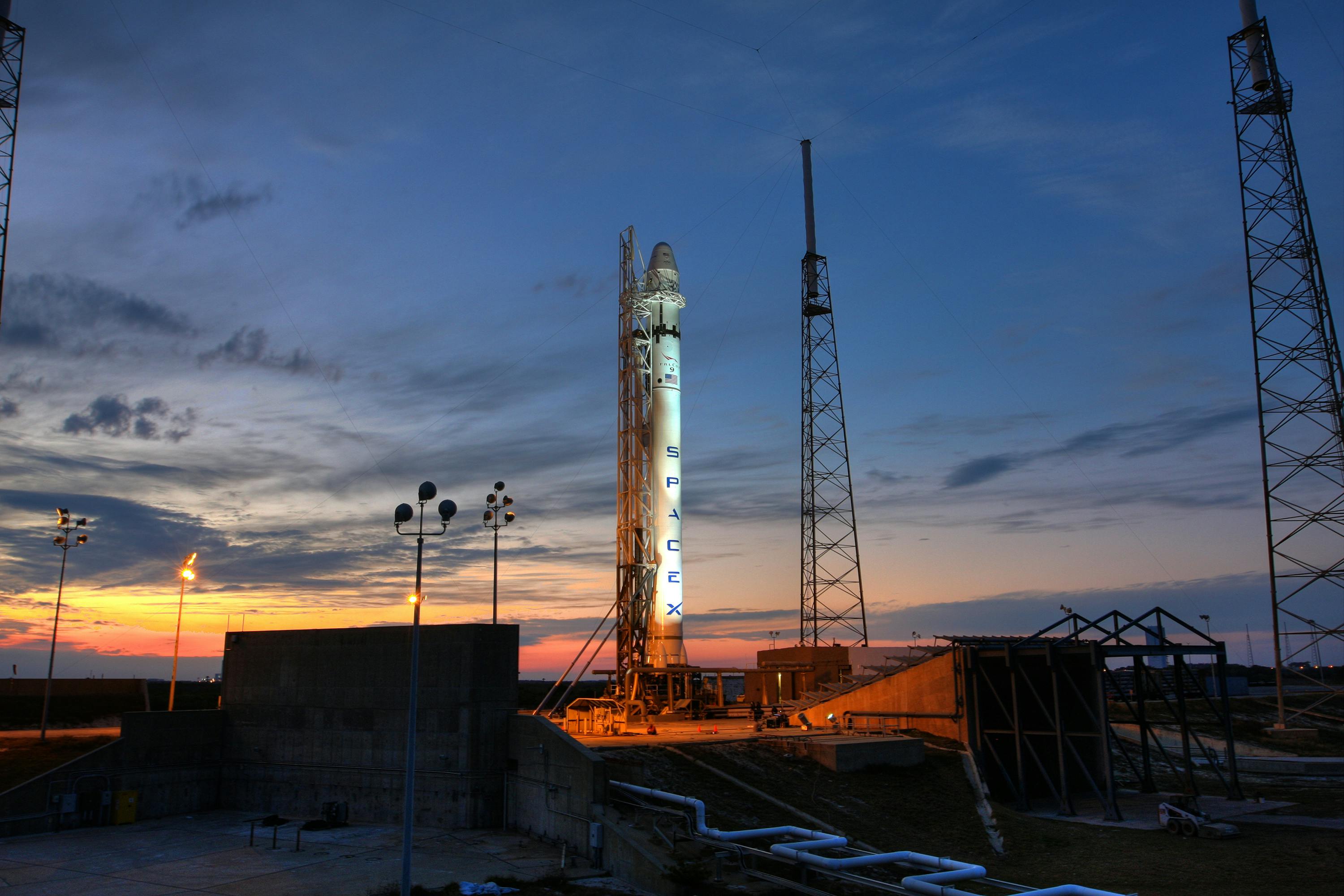
SpaceX pressed forward with another cadenced Starlink deployment on March 6, 2026, sending 25 additional satellites aloft aboard a Falcon 9 from Vandenberg Space Force Base’s pad 4E, targeting a liftoff window opening at 14:33:30 UTC. The mission, designated Starlink 17-18, slots into Shell 17’s growing orbital plane architecture and incrementally expands a constellation that now counts 11,463 spacecraft launched, 9,931 in orbit, and 9,920 actively working. With competitors still measuring their broadband constellations in the hundreds, SpaceX’s operational tempo — sustaining dozens of launches per year — continues to widen an already commanding lead. Observers tracking the newly deployed batch via tools such as KeepTrack can expect the satellites to complete their phasing maneuvers and reach operational altitude within the coming weeks.
Space Safety
The current Starlink conjunction threat picture shows moderate activity with two MODERATE risk events identified in early March 2026, alongside six lower-risk conjunctions. The highest-concern event involves STARLINK-30172 with operational Chinese satellite JILIN-1 KUANFU 02A on Mar 9, 18:43 UTC, presenting a 22% collision probability at just 18 meters minimum range. Meanwhile, reentry predictions remain minimal with only one Starlink satellite (STARLINK-6151) predicted to decay in early March 2026, indicating the constellation’s current stability in terms of uncontrolled atmospheric returns.
| Risk | Starlink Sat | Other Object | Status | Min Range (km) | Rel Speed (km/s) | Max Prob | Time of Closest Approach |
|---|---|---|---|---|---|---|---|
| MODERATE | STARLINK-30172 | JILIN-1 KUANFU 02A | Operational | 0.018 | 10.87 | 22.02% | Mar 9, 17:43 UTC |
| MODERATE | STARLINK-34925 | CZ-6A DEB | Non-operational | 0.020 | 15.06 | 12.03% | Mar 8, 01:23 UTC |
| LOW | STARLINK-30414 | GEOSCAN 4 (RS92S4) | Operational | 0.028 | 13.16 | 9.09% | Mar 11, 01:31 UTC |
| LOW | STARLINK-4589 | EAGLET-I | Operational | 0.033 | 13.57 | 6.37% | Mar 11, 23:03 UTC |
| LOW | STARLINK-32208 | TIANMU-1 19 | Operational | 0.034 | 14.04 | 5.63% | Mar 6, 09:15 UTC |
| LOW | STARLINK-3906 | OBJECT H | Operational | 0.045 | 5.87 | 5.54% | Mar 6, 17:56 UTC |
| LOW | STARLINK-1454 | STARLINK-32335 | Unknown | 0.086 | 9.25 | 4.59% | Mar 5, 05:29 UTC |
| LOW | STARLINK-31017 | CXBN | Non-operational | 0.050 | 8.44 | 4.36% | Mar 10, 10:51 UTC |
| Satellite | NORAD ID | Predicted Decay | Window (min) | Inclination | Lat | Lon |
|---|---|---|---|---|---|---|
| STARLINK-6151 | 57118 | Mar 7, 20:09 UTC | 900 | 43° | -27.3° | 265.3° |
Detailed Coverage
Falcon 9 Lifts Off from Vandenberg with 25 Starlink Satellites on Starlink 17-18
SpaceX targeted a 14:33:30 UTC liftoff from Space Launch Complex 4E at Vandenberg Space Force Base for the Starlink 17-18 mission, continuing the company’s relentless pace of constellation buildout through early 2026. The 25-satellite payload is destined for low Earth orbit as part of Shell 17, one of the newer orbital shells SpaceX has been populating to expand geographic coverage and increase capacity for Starlink’s growing residential, maritime, and government customer base.
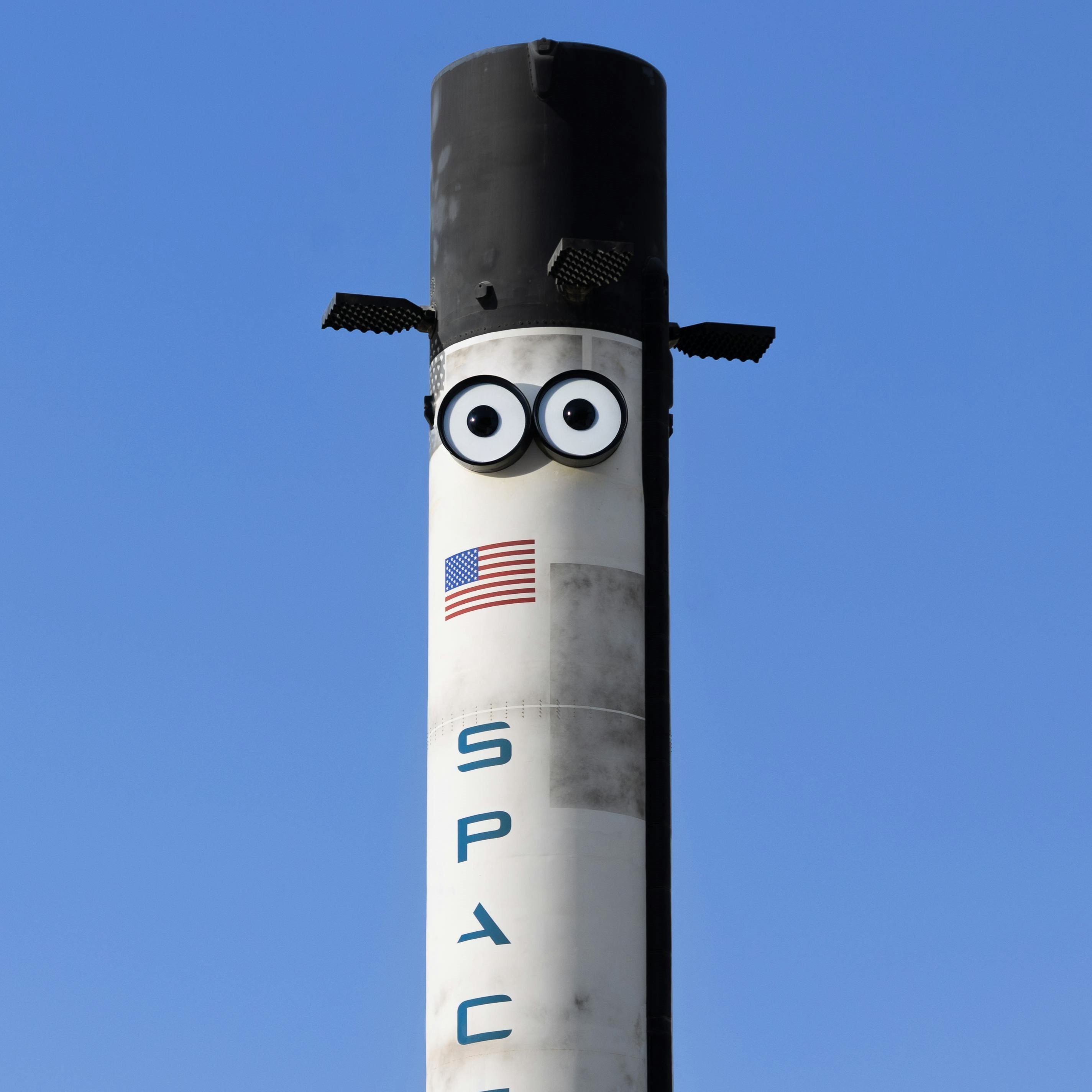
The Falcon 9 booster supporting this flight — like most in the fleet — is expected to return to a drone ship or landing zone for its next recovery, further demonstrating the operational maturity of SpaceX’s reusable launch architecture. Once the freshly deployed batch completes on-orbit checkouts and orbital raising maneuvers, they will join the 9,920 satellites already providing active service, nudging the working count closer to 9,945 and reinforcing Starlink’s position as the world’s largest active satellite constellation by a factor of several times over.
Read the full story: Spaceflight Now
Constellation Status
There have been no changes to the Starlink constellation since the last check. The constellation currently consists of 11,463 total satellites launched, with 9,931 in orbit, 9,920 operational, and 1,532 decayed.
- Total Launched: 11463
- Total On Orbit: 9931
- Total Working: 9920
Track Starlink satellites in real-time: Track Starlink
B1049