🚀 Latest Developments
Today, SpaceX achieved yet another dual launch milestone, deploying a total of 54 Starlink satellites across two missions in just over a day. The latest launches mark significant progress in the company’s efforts to enhance global internet connectivity through its satellite constellation.
📰 Detailed Coverage
SpaceX Launches 28 Starlink Satellites to Orbit from Florida
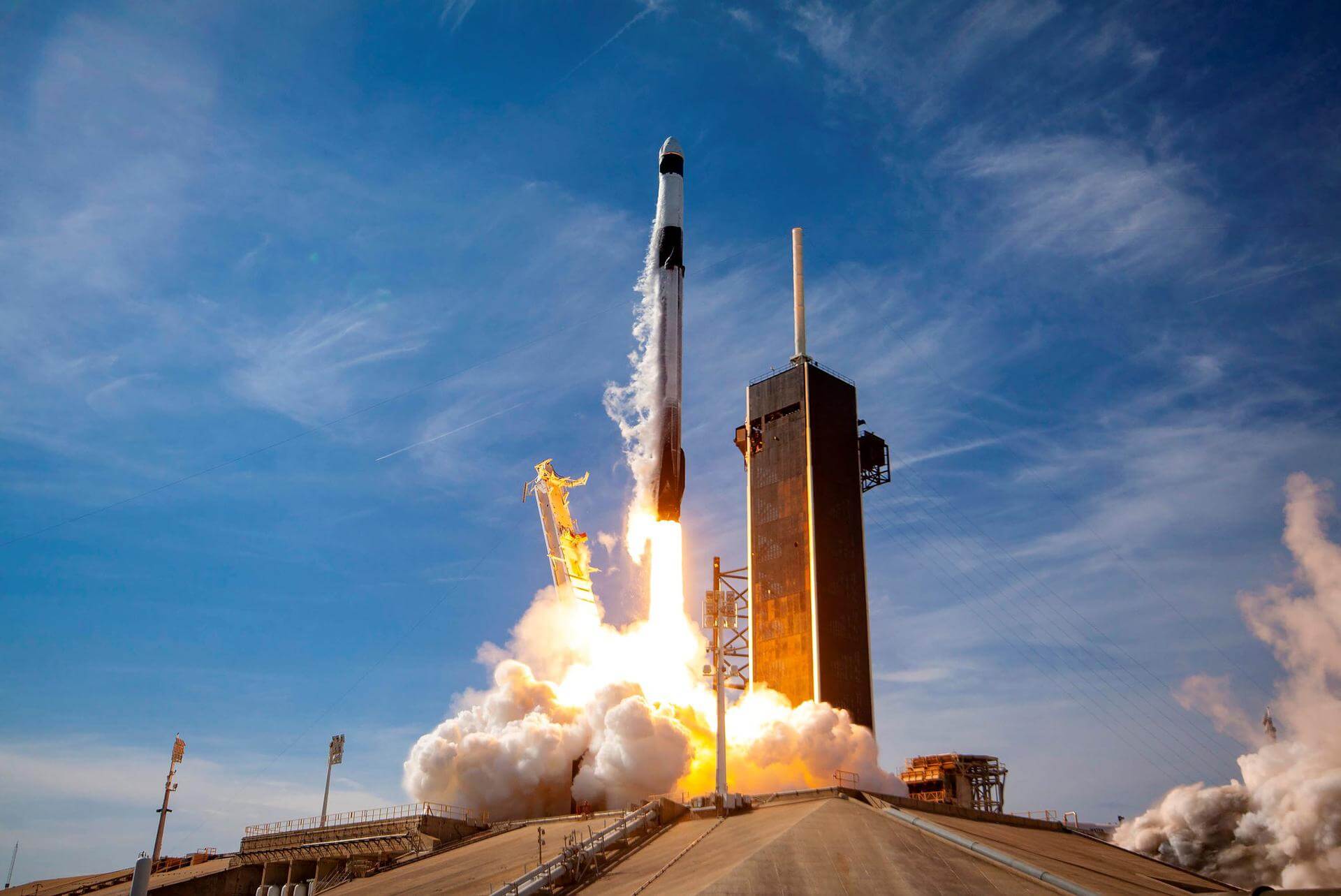
On May 10, SpaceX lifted 28 Starlink satellites into orbit from Cape Canaveral, Florida, during its second launch in a little over six hours. This operation reflects the company’s accelerated pace in deploying satellites to improve global broadband services.
This mission was part of the ongoing Starlink 6-91 initiative and underscores SpaceX’s commitment to expanding its satellite constellation as demand for high-speed internet continues to rise globally. Satellite tracking enthusiasts can anticipate improved coverage and accessibility following this launch. Read the full story: Space.com
SpaceX Marks 900th Starlink Satellite Launch of 2025
In a notable achievement, SpaceX launched its 900th Starlink satellite this year during the same mission on May 10. This is a significant milestone for SpaceX, as the company has consistently demonstrated its capability to meet increasing demand for satellite-based internet services.
The mission represents the 38th flight of the Starlink V2 Mini satellites in 2025, highlighting SpaceX’s strategic push to enhance its constellation amidst growing competition in the satellite internet space. Read the full story: Spaceflight Now
Falcon 9 Rocket Launches 26 Starlink Satellites from California
On May 9, SpaceX Falcon 9 successfully launched 26 Starlink satellites from Vandenberg Space Force Base, emphasizing the company’s dual-coast operational capacity. This particular launch added to the growing constellation aimed at bridging the digital divide.
The continued success of these missions illustrates SpaceX’s stronghold on the commercial satellite launch market as they balance operations on both coasts of the United States. Satellite tracking users can expect real-time updates on these growing deployments. Read the full story: Space.com
📊 Starlink Status
- Total Launched: 8556
- Total On Orbit: 7422
- Total Working: 7400
Track Starlink satellites in real-time on our web app: Track Starlink