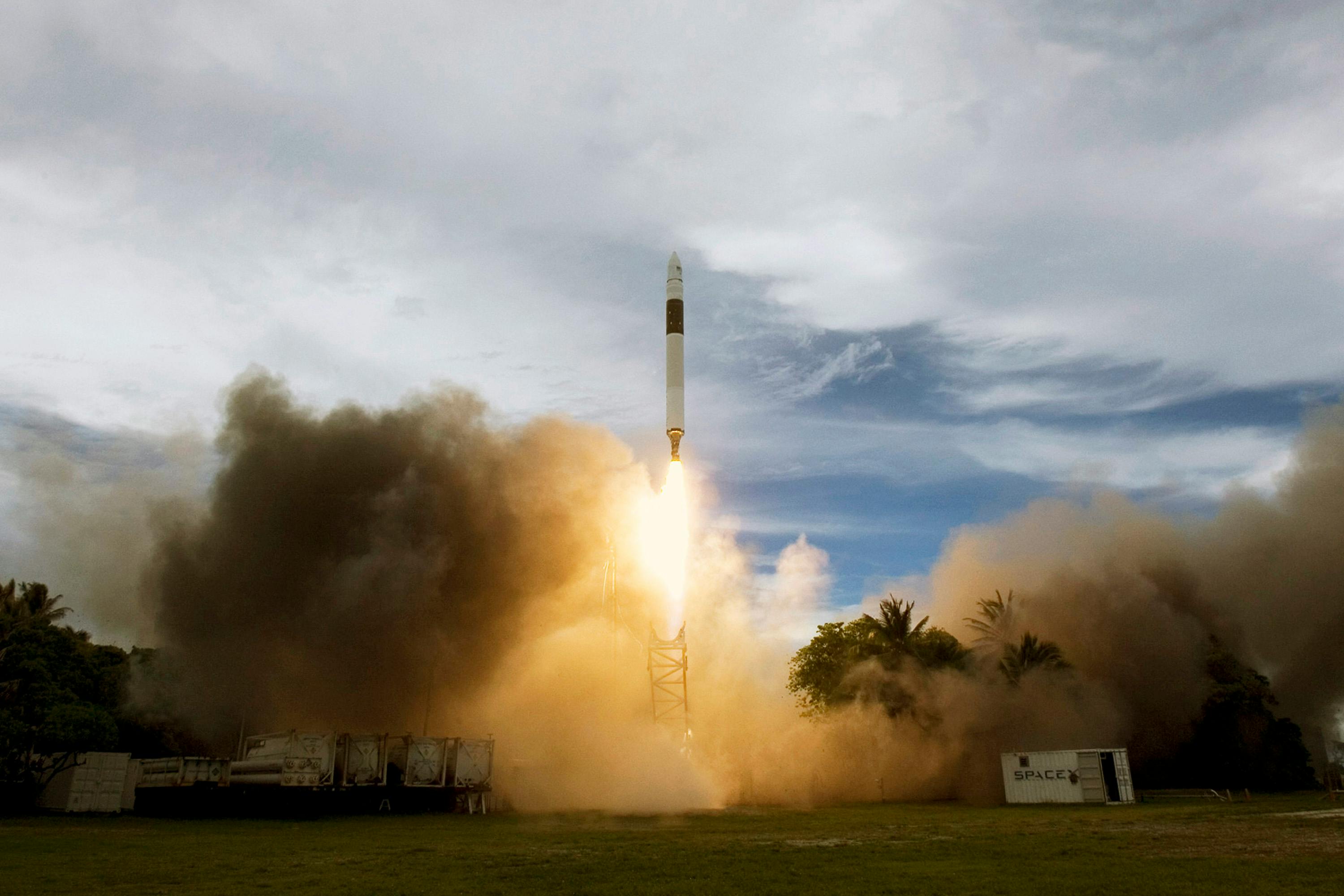
🚀 Latest Developments
SpaceX encountered last-minute technical issues with its Starship Flight 8, necessitating a scrub of the test launch. A setback was also faced with a Falcon 9 booster, which was lost following a droneship landing after successfully deploying 21 Starlink satellites. The Starlink constellation continues its growth with this new batch of satellites.
📰 Detailed Coverage
Scrub of Starship Flight 8 Launch
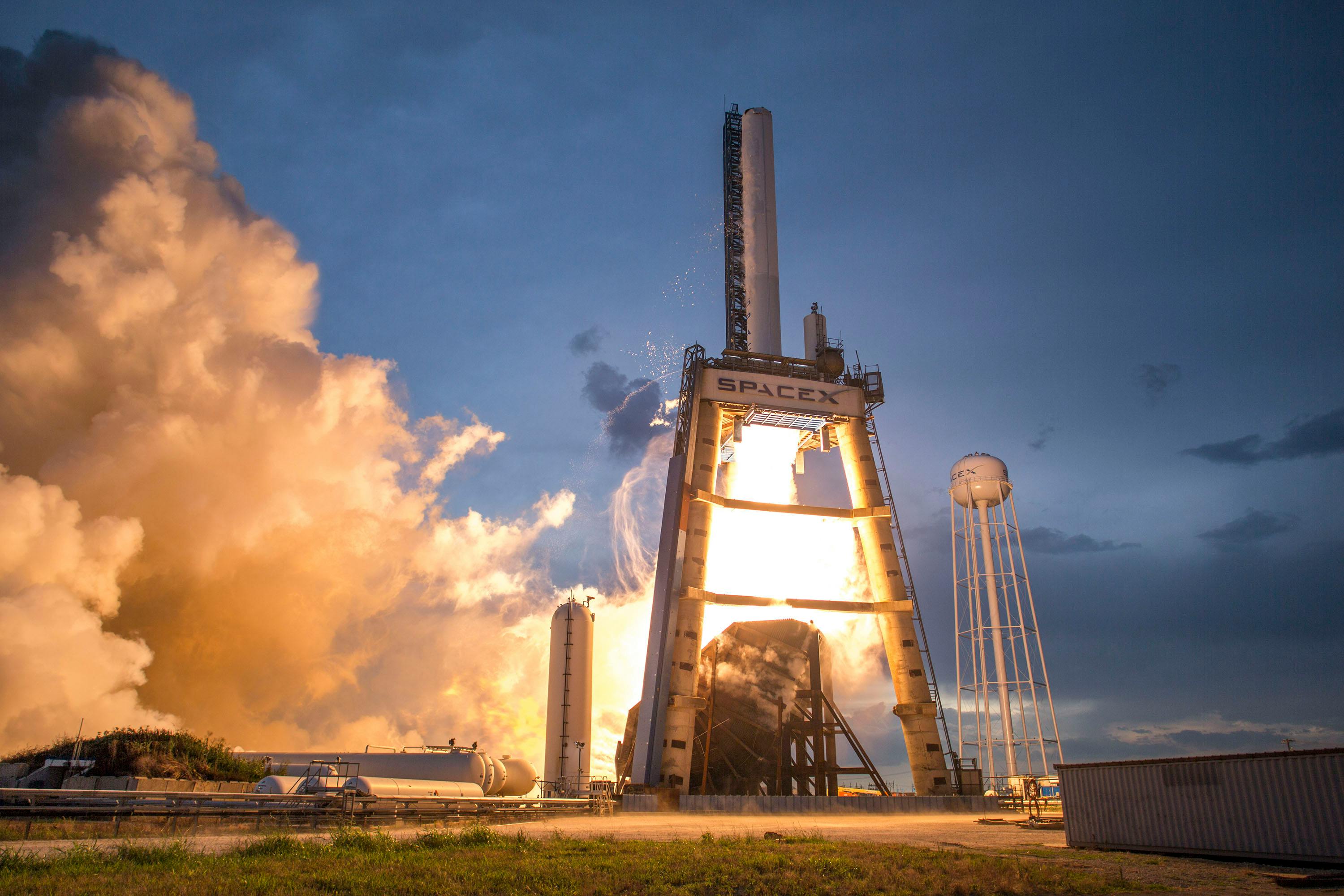
SpaceX had to call off the Starship Flight 8 test launch on March 3 due to unresolved issues with the Super Heavy booster encountered late in the countdown. This mission aimed to test modifications in Starship Block 2 and attempt the deployment of dummy satellites.
This decision underscores the complexity and technical challenges in developing SpaceX’s next-generation spacecraft. The scrubbed attempt follows previous break-up incidents, showing the high stakes involved. No new launch date has been announced yet.
Read the full story: SpaceNews
Lost Falcon 9 Booster Post-Starlink Deployment
On March 2, a Falcon 9 rocket successfully launched 21 Starlink satellites into orbit, but the booster toppled over post-landing on the droneship, echoing previous reliability concerns associated with the rocket.
Despite the setback, SpaceX’s commitment to continuously enhancing Starlink’s global broadband coverage remains evident. This incident serves as a reminder of the persistent challenges in achieving seamless reusability in commercial spaceflight.
Read the full story: SpaceNews
Starlink Satellite Success Amid Launch Challenges
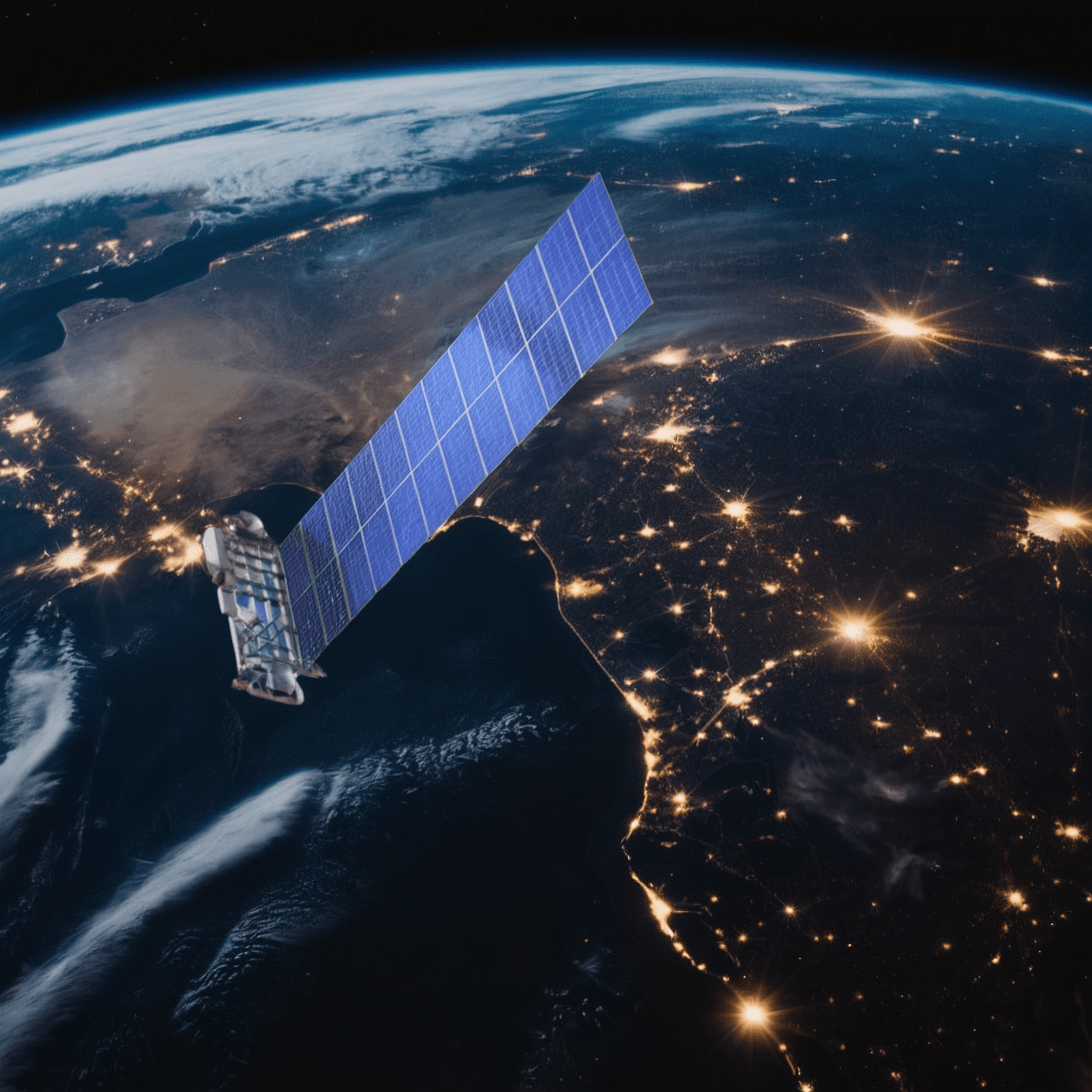
SpaceX sustained its momentum in expanding the Starlink internet network with the recent launch of 21 satellites, despite facing multiple technical hurdles. The Starlink network now boasts impressive capabilities, offering pivotal global internet coverage.
The loss of the Falcon 9 booster highlights operational risks but simultaneously showcases the robust deployment strategy that continues to propel Starlink’s growth. This expansion is crucial for increasing internet accessibility worldwide.
Read the full story: Space.com
📊 Starlink Status
- Total Launched: 8060
- Total On Orbit: 7095
- Total Working: 7063
Track Starlink satellites in real-time on our web app: Track Starlink