Top Stories
Anduril Unveils Thunder, an Autonomous Wingman for Helicopters
Anduril revealed Thunder, an armed reconnaissance tiltrotor drone built on lessons from its Fury jet-drone program. Thunder flies alongside helicopter crews, handling reconnaissance and strike tasks without a pilot aboard. The company gave no test dates or funding figures at the Farnborough reveal.
Thunder extends Anduril’s autonomous aircraft push beyond fixed-wing platforms into vertical lift, following its earlier Fury contract wins.
Read the full story: Breaking Defense
Qatar’s Gifted 747 Pulled Offline for Security Overhaul
President Trump said the Boeing 747 donated by Qatar and rapidly converted by L3Harris into a stand-in Air Force One will go offline for what he called “maxed out” upgrades. The jet reportedly lacks armor, countermeasures, and secure comms standard on the current presidential fleet. No return-to-service timeline was given.
Read the full story: Breaking Defense
Lockheed Debuts Budget Patriot, MBDA Shows Truck-Mounted Interceptor
Lockheed Martin rolled out a lower-cost Patriot variant at Farnborough aimed at export buyers priced out of the full system. MBDA countered with a truck-mounted interceptor built on its ground-launched ASRAAM missile, designed for integration on unmanned ground vehicles and surface vessels.
Read the full story: Breaking Defense
IHI Weighs Kuva Hyperspectral Sats for Japan’s 100-Satellite Fleet
Japan’s IHI is evaluating next-generation hyperspectral satellites from Finnish startup Kuva Space for a planned 100-satellite sovereign Earth observation constellation. The multi-sensor fleet would mix hyperspectral, optical, and other payload types under one national program. No contract has been signed - IHI is still weighing Kuva against other suppliers.
Hyperspectral sensors capture hundreds of narrow spectral bands per pixel, useful for agriculture, mineral surveys, and terrain analysis. Once satellites launch and receive NORAD IDs, track them via KeepTrack.
Read the full story: SpaceNews
GA-ASI to Build Gambit Drones in Europe Starting 2027
General Atomics plans to manufacture its Gambit series aircraft in Europe through partnerships with European firms, with airframes open to international procurement starting in 2027. Pairing Gambit with the existing MQ-9B line gives European buyers a broader unmanned aircraft lineup built on the continent.
Read the full story: Breaking Defense
Canada Says GCAP Membership Won’t Delay F-35 Decision
Canadian Defense Minister David McGuinty said joining the UK-Italy-Japan Global Combat Air Programme wouldn’t affect Ottawa’s ongoing review of its planned F-35 purchase. McGuinty said the F-35 decision stays under review “until we take the time to get it right for Canadians.” No decision date was set.
Read the full story: Breaking Defense
Satellite of the Day
NOAA 1
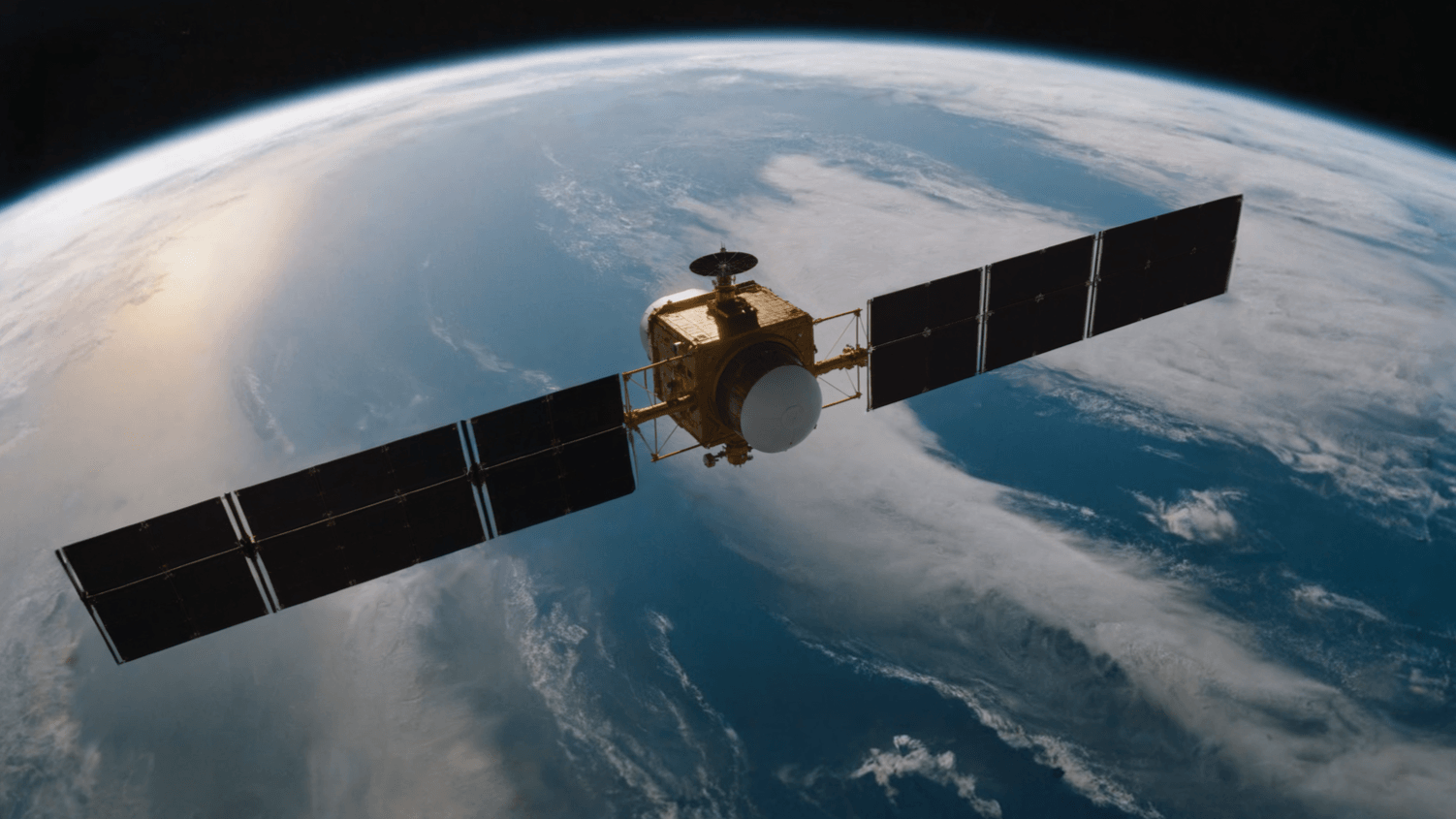
NOAA 1, originally designated as TIROS-M before its operational designation, launched on May 23, 1968, as one of the pioneering meteorological satellites of the early space age. Built by RCA and launched by the U.S. Space and Missile Organization (SAMSO) aboard a Thor Burner 2 rocket from Air Force Western Test Range, this 79-kilogram octagonal cylinder represented a significant step forward in weather observation from orbit. It was part of the TIROS (Television Infrared Observation Satellite) program, which fundamentally transformed weather forecasting by providing the first continuous, global view of Earth’s cloud patterns and atmospheric conditions.
Operating in a near-polar sun-synchronous orbit at 98.56° inclination, NOAA 1 captured visible and infrared imagery that became critical for meteorologists and forecasters worldwide. This satellite’s success established the operational framework for the NOAA polar-orbiting satellite constellation that continues to this day, making it a foundational asset in the history of Earth observation. Its legacy lives on in the modern NOAA satellite fleet, which still relies on similar orbital principles and imaging techniques pioneered by NOAA 1 over five decades ago.
| Detail | Value |
|---|---|
| NORAD ID | 03266 |
| Operator | SAMSO (US) |
| Launch Date | May 23, 1968 |
| Orbit | Sun-synchronous, 98.5578° inclination |
| Purpose | Meteorology |
| Status | Decayed |
Learn more about this satellite: View NOAA 1
Upcoming Space Launches
July 21
- SpaceX Falcon 9 Block 5:
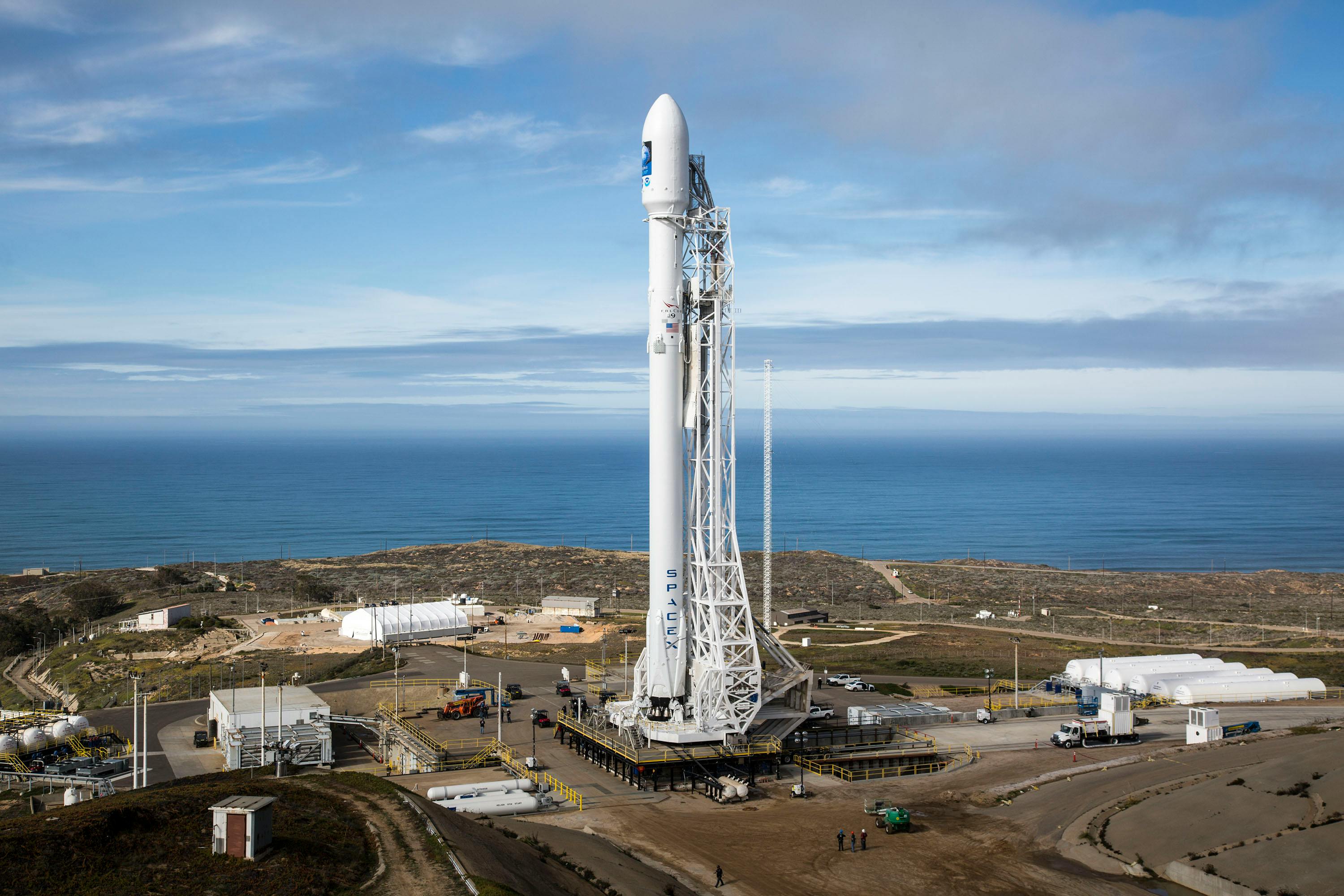
- Starlink Group 17-39 from Space Launch Complex 4E, Vandenberg Space Force Base (14:00 UTC) A batch of 24 Starlink V2 Mini satellites will be launched to low Earth orbit; the booster will attempt a droneship landing on ‘Of Course I Still Love You’ in the Pacific Ocean. Watch Live
- MRV-1 from Space Launch Complex 40, Cape Canaveral Space Force Station (21:15 UTC) This mission extension flight will deliver another batch of satellites for the Space Development Agency’s Tranche 1 Transport Layer (T1TL-E). The Falcon 9 first stage will target a droneship landing on ‘Of Course I Still Love You.’ Watch Live
July 22
- Orienspace Technology Gravity-1:
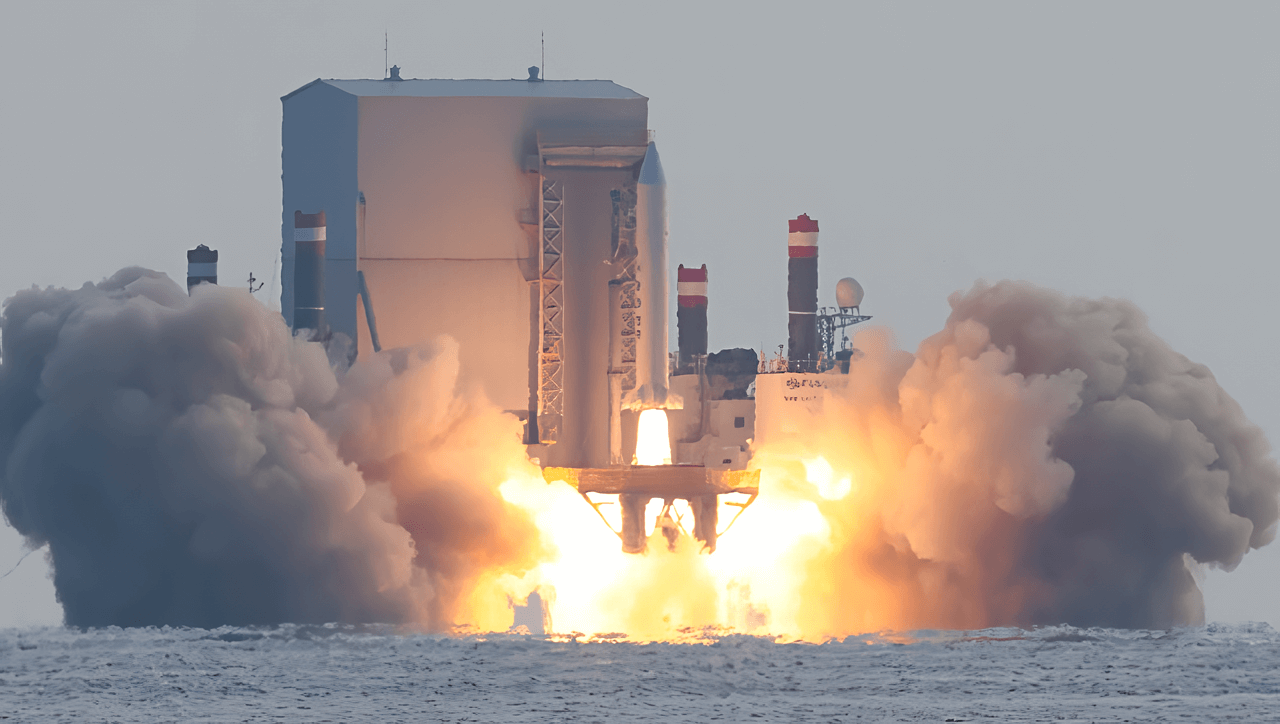
- Unknown Payload from Yellow Sea (Launch Location 5), Haiyang Oriental Spaceport (02:44 UTC) Payload details remain undisclosed. Gravity-1 is a four-stage solid-fueled launch vehicle developed by the Chinese private company OrienSpace, capable of delivering up to 6,500 kg to low Earth orbit. Launch Preview
July 23
- China Aerospace Science and Technology Corporation Long March 3B/E:
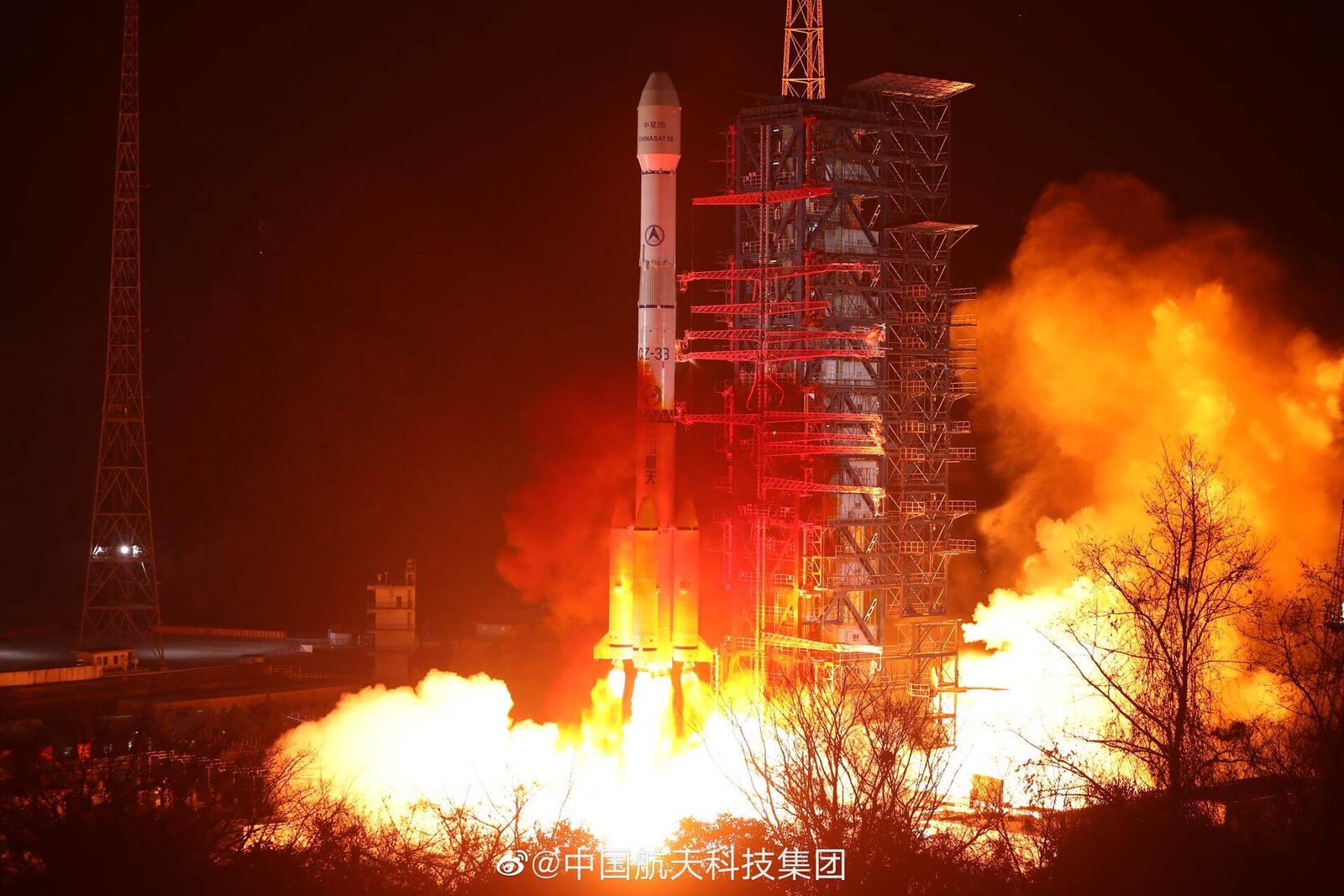
- Unknown Payload from Launch Complex 2, Xichang Satellite Launch Center (11:52 UTC) Mission details remain undisclosed. The Long March 3B/E is one of China’s most powerful medium-lift launchers, purpose-built for heavy geostationary transfer orbit payloads such as communications satellites. Launch Preview
- SpaceX Starship:
- Flight 13 from Orbital Launch Pad 2, SpaceX Starbase, Texas (22:45 UTC) The third iteration of Starship (Booster 20 and Ship 40) will conduct a suborbital test flight, deploying 20 V3 Starlink satellites before attempting controlled splashdowns in the Gulf of Mexico and Indian Ocean. Neither stage will be recovered. Watch Live Launch Preview
- CAS Space Kinetica 1:
- Unknown Payload from Launch Area 130, Jiuquan Satellite Launch Center (23:24 UTC) Payload details remain undisclosed. Kinetica 1 is China’s largest solid-propellant launch vehicle to date, capable of placing about 2,000 kg into low Earth orbit. Launch Preview
July 24
- China Aerospace Science and Technology Corporation Long March 8A:
- Unknown Payload from Commercial Launch Complex 1, Wenchang Space Launch Site (11:00 UTC) Payload details remain undisclosed. The Long March 8A is an upgraded orbital launch vehicle capable of delivering up to 9,800 kg to sun-synchronous orbit, featuring a larger hydrogen/oxygen upper stage and a wider payload fairing.
July 25
- SpaceX Falcon 9 Block 5:
- Starlink Group 17-51 from Space Launch Complex 4E, Vandenberg Space Force Base (14:00 UTC) Another batch of 24 Starlink V2 Mini satellites will be deployed to low Earth orbit, with the booster targeting a droneship landing in the Pacific Ocean. Watch Live
July 29
- SpaceX Falcon 9 Block 5:
- Starlink Group 17-52 from Space Launch Complex 4E, Vandenberg Space Force Base (02:00 UTC) Another batch of 24 Starlink V2 Mini satellites will be deployed to low Earth orbit, with the booster targeting a droneship landing in the Pacific Ocean. Watch Live
- China Aerospace Science and Technology Corporation Long March 7A:
- Unknown Payload from Launch Pad 201, Wenchang Space Launch Site (11:42 UTC) Launch Preview
July 30
- SpaceX Falcon 9 Block 5:
- NROL-95 from Space Launch Complex 40, Cape Canaveral Space Force Station (06:37 UTC) A classified payload will be launched for the U.S. National Reconnaissance Office aboard a Falcon 9 Block 5 rocket.
July 31
- Rocket Lab Electron:
- LOXSAT 1 from Rocket Lab Launch Complex 1, Mahia Peninsula, New Zealand (00:00 UTC) LOXSAT 1 is a demonstration satellite showcasing a complete cryogenic oxygen fluid management system in orbit, developed by Eta Space and sponsored by NASA’s Tipping Point program. Integrated on a Rocket Lab Photon-LEO bus, it will collect critical cryogenic fluid data for nine months to support future in-space depot technology.
Schedule Changes
- New launch added: SpaceX Falcon 9 Block 5 will now fly the classified NROL-95 mission for the National Reconnaissance Office from Space Launch Complex 40, Cape Canaveral Space Force Station, currently scheduled for July 30, 2026 at 06:37 UTC (status: To Be Confirmed).
Note: Launch dates and times are subject to change due to technical or weather considerations.