📰Top Stories
GAO Highlights Risks in Missile-Tracking Satellite Program
The U.S. Government Accountability Office (GAO) has raised concerns regarding the Space Development Agency’s missile-tracking satellite program, indicating that technology readiness is being overestimated. This oversight could impact the program’s timelines and effectiveness, crucial for national defense. Satellite tracking enthusiasts can delve into the details of this report to understand more about its implications.
Read the full story: SpaceNews
SpaceX Successfully Launches GPS Satellite for U.S. Space Force
SpaceX has continued its streak with another successful launch, deploying a GPS satellite for the U.S. Space Force. This mission marks the third GPS launch that was reassigned from United Launch Alliance (ULA) to SpaceX, demonstrating a robust operational capability for crucial space infrastructure.
Read the full story: SpaceNews
SPACECOM Pushes for Expanded On-Orbit Warfighting Exercises
General Stephen Whiting of U.S. Space Command advocates for enhanced on-orbit warfighting exercises, taking cues from Army and Marines’ strategies. These exercises, dubbed “Apollo Maneuvers,” involve satellite movements and responsive launches to strengthen defense readiness in space.
Read the full story: Breaking Defense
Pentagon Urged to Consider Orbital Logistics Beyond Launches
As space becomes a contested military domain, Space Command’s General Whiting emphasizes the need for orbital logistics solutions that go beyond just launch capabilities. This includes establishing sustainment and mobility infrastructure to bolster satellite support in orbit.
Read the full story: SpaceNews
New Defense Strategy Sparks Mixed Reactions
Analysts are scrutinizing the U.S.’s new National Defense Strategy, noting its ambiguous elements that could leave both adversaries and allies uncertain about America’s global stance. This ambiguity might complicate international relations and defense collaborations.
Read the full story: Breaking Defense
Lawmakers Push for Enhanced GPS Anti-Jam Capabilities
As the U.S. Space Force concludes its GPS III satellite launches, Congress is advocating for the development of more resilient anti-jam capabilities to protect these critical assets. This is crucial for maintaining secure and reliable GPS services under potential hostile conditions.
Read the full story: Breaking Defense
🛰️Satellite Spotlight
- Satellite Name: ONEWEB-0183
- NORAD ID: 48219
- Launch Date: April 25, 2021
- Mission: ONEWEB-0183 is part of the OneWeb constellation aimed at providing global broadband communication services.
- Orbit: LEO (Low Earth Orbit)
- Operator: OneWeb
- Fun Fact: This satellite is launched using the Soyuz-2.1b rocket and is designed for a 7-year operational lifetime, contributing to the growing network of satellites providing internet coverage across the globe.
Track this satellite in real-time on our web app: Track ONEWEB-0183
🌌Space Weather
Next 24 Hours
-
Radio Blackouts Probability
- Minor: 25
- Major: 5
- Risk: None
-
Solar Radiation
- Probability: 5
- Risk: None
-
Geomagnetic Storming
- Scale: 1
- Impact: minor
- Activity: Moderate
-
Impact Summary
- Next 24 hours: No risk of radio blackouts.
- No risk of solar radiation storms.
- Moderate geomagnetic activity with minor geomagnetic storms expected.
- Geomagnetic outlook indicates G1 (Minor) storms anticipated on 29 Jan due to CH HSS influences.
- No significant active region activity is forecasted for radiation storm production.
- A decreasing chance for R1-R2 (Minor-Moderate) radio blackouts exists for the next three days.
Long Term Forecast
- Impact Summary
- Forecast of solar and geomagnetic activity from 26 January to 21 February 2026 indicates predominantly low solar activity.
- There is a varying chance for M-class flares (R1-R2/Minor-Moderate) during this period.
- No proton events are expected at geosynchronous orbit.
- High levels of greater than 2 MeV electron flux anticipated on specified dates throughout the forecast period.
- G1 (Minor) geomagnetic storm levels likely on 28 Jan and 13 Feb, with active periods expected on several dates due to recurrent CH HSS influences.
- Generally quiet and unsettled conditions are expected for the remainder of the outlook period.
🚀 Upcoming Space Launches
January 29
-
SpaceX Falcon 9 Block 5:
- Starlink Group 17-19 from Vandenberg SFB, CA, USA (15:17 UTC) A batch of 25 satellites for the Starlink mega-constellation - SpaceX’s project for space-based Internet communication system.
-
Rocket Lab Electron:
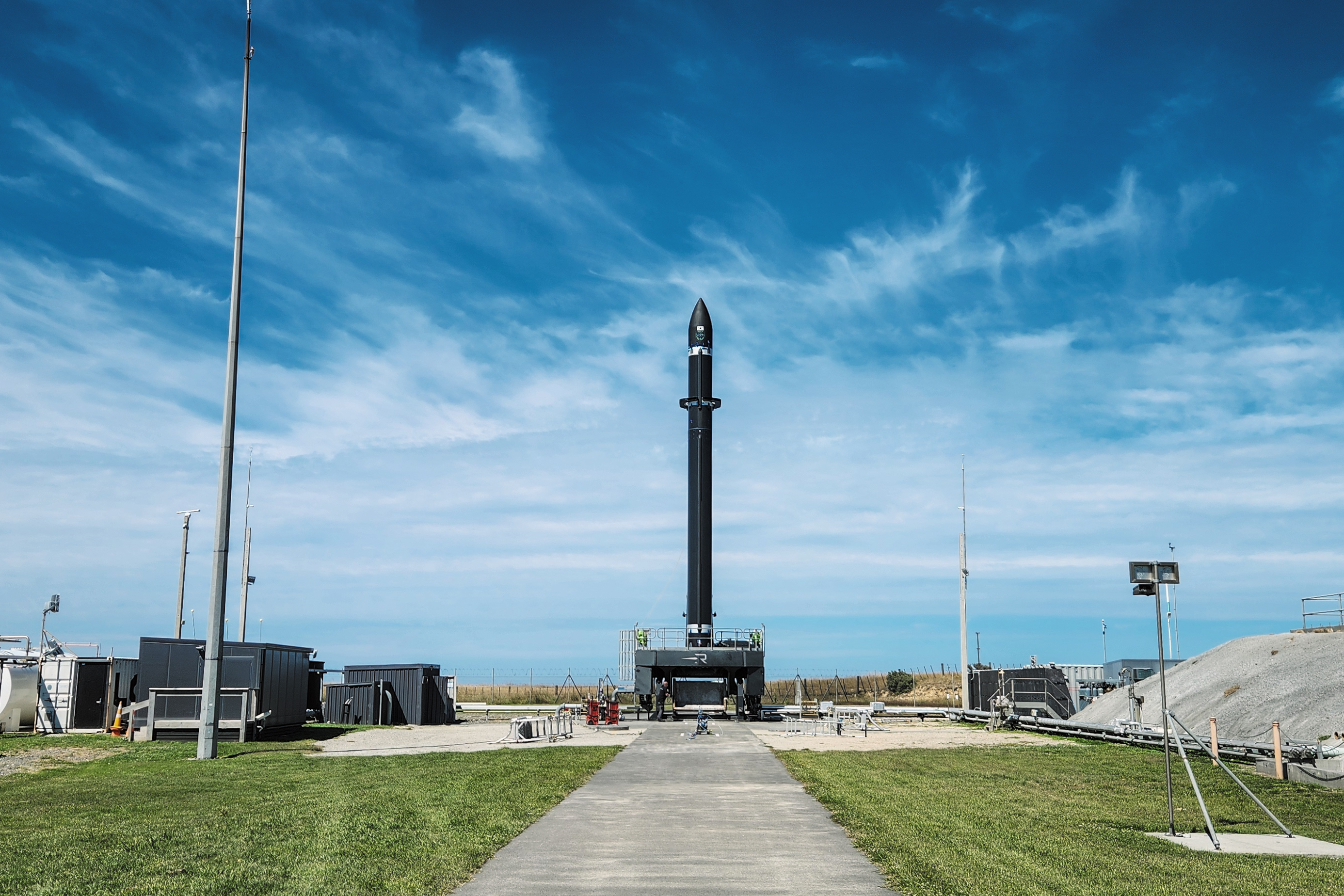
- Bridging The Swarm (NeonSat-1A) from Rocket Lab Launch Complex 1, Mahia Peninsula, New Zealand (22:45 UTC) NeonSat-1A is designed to test the constellation capabilities of South Korea’s Earth observation micro-satellite constellation aimed at precise monitoring of the Korean Peninsula.
January 30
- SpaceX Falcon 9 Block 5:
- Starlink Group 6-101 from Cape Canaveral SFS, FL, USA (04:00 UTC) A batch of 29 satellites for the Starlink mega-constellation - SpaceX’s project for space-based Internet communication system.
February 2
- SpaceX Falcon 9 Block 5:
- Starlink Group 17-32 from Vandenberg SFB, CA, USA (15:17 UTC) A batch of 25 satellites for the Starlink mega-constellation - SpaceX’s project for space-based Internet communication system.
February 3
- SpaceX Falcon 9 Block 5:
- Starlink Group 6-103 from Cape Canaveral SFS, FL, USA (22:12 UTC) A batch of 29 satellites for the Starlink mega-constellation - SpaceX’s project for space-based Internet communication system.
February 6
- SpaceX Falcon 9 Block 5:
- Starlink Group 17-33 from Vandenberg SFB, CA, USA (17:05 UTC) A batch of 25 satellites for the Starlink mega-constellation - SpaceX’s project for space-based Internet communication system.
February 7
-
NASA SLS Block 1:
- Artemis II from Kennedy Space Center, FL, USA (02:41 UTC) Artemis II is the first crewed mission as part of the Artemis program, sending a crew of 4 around the moon to test critical systems.
-
SpaceX Falcon 9 Block 5:
- Starlink Group 6-104 from Cape Canaveral SFS, FL, USA (07:12 UTC) A batch of 29 satellites for the Starlink mega-constellation - SpaceX’s project for space-based Internet communication system.
February 10
- SpaceX Falcon 9 Block 5:
- Starlink Group 17-34 from Vandenberg SFB, CA, USA (07:51 UTC) A batch of 24 satellites for the Starlink mega-constellation - SpaceX’s project for space-based Internet communication system.
February 11
- SpaceX Falcon 9 Block 5:
- Crew-12 from Cape Canaveral SFS, FL, USA (11:00 UTC) SpaceX Crew-12 is the twelfth crewed operational flight of a Crew Dragon spacecraft to the International Space Station as part of NASA’s Commercial Crew Program.
Note: Launch dates and times are subject to change due to technical or weather considerations.