· space brief · 4 min read
Space Brief 27 Mar 2025
Today's highlights include the certification of ULA's Vulcan rocket for national security missions, developments in nuclear timekeeping for GPS systems, and updates on the Space Force's new warfighting framework.
📄Top Stories
The United Launch Alliance’s (ULA) Vulcan rocket has received certification from the U.S. Space Force to commence national security space launches, marking a significant milestone for ULA and enhancing national launch capabilities. Additionally, researchers are making strides in nuclear timekeeping, which could further enhance the precision of GPS systems critical for navigation and military operations. Meanwhile, the Space Force plans to introduce a new framework to formalize its operational concepts and terminology, cementing its evolving role in national defense.
📰Detailed Coverage
ULA’s Vulcan Rocket Ready for National Security Missions
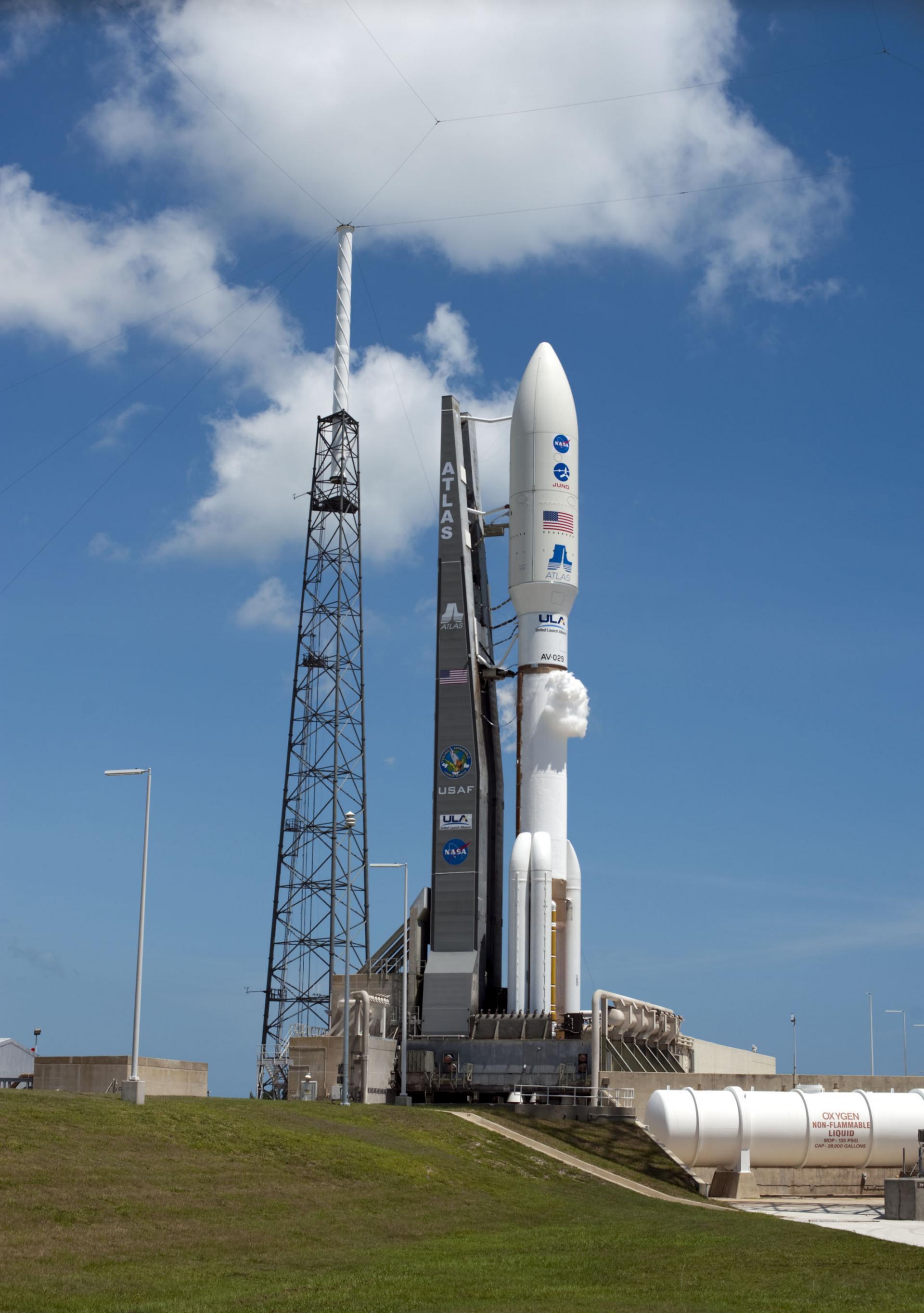
The U.S. Space Force has certified United Launch Alliance’s (ULA) Vulcan rocket to undertake national security missions. This certification, part of a process that began in 2016, places Vulcan alongside SpaceX as a key player in the National Security Space Launch program. This summer, Vulcan is expected to launch its first National Security Space Launch mission, signifying a substantial step in bolstering U.S. space capabilities.
The certification not only enhances the U.S. launch industry but also reflects rigorous developmental oversight by government entities. For satellite trackers, this is of interest because it integrates new technologies into existing space infrastructure, enabling more secure and efficient satellite deployments.
Read the full story: Spaceflight Now
Advancements in Nuclear Timekeeping for GPS
Researchers at JILA, in collaboration with the Technical University of Vienna, are making groundbreaking progress in nuclear timekeeping, which may surpass the precision of atomic clocks currently used in GPS systems. This advancement is crucial for enhancing GPS navigation accuracy, which is integral for both civilian and military operations globally.
These developments could transform timing mechanisms for satellites, yielding more accurate positioning data. This enhanced precision has far-reaching implications, facilitating advancements in various sectors reliant on precise geolocation, from technological research to tactical military applications.
Read the full story: Space Daily
Space Force Introduces New Warfighting Framework
The Space Force is set to establish a new ‘Space Warfighting Framework’ to clarify its operational strategies and terminologies. This move is aimed at solidifying its position and methodologies as a new military branch, ensuring clear communication and more effective implementation of its missions.
This framework will serve as a critical reference for personnel and allies, potentially influencing international space policy and military cooperation. The codification also indicates the growing importance of space as a domain of military strategy and operational coordination.
Read the full story: Breaking Defense
🛰️Satellite Spotlight
- Satellite Name: COSMOS 1525
- NORAD ID: 14614
- Launch Date: 1984 Jan 5
- Mission: Military Communication
- Orbit: Inclination: 74.0124, Period: 12.54901755, Eccentricity: 0.0021924
- Operator: GUKOS
- Fun Fact: COSMOS 1525 was part of the Soviet Strela-1 military communications network, which provided reliable transmission capabilities during its operational life.
Current TLE Data:
1 14614U 84001D   25085.53046766 -.00000005  00000+0  69371-4 0  9991
2 14614  74.0124   2.2310 0021924 336.9186 197.5114 12.54901755888289
Track this satellite in real-time on our web app: Track COSMOS 1525
🚀 Upcoming Space Launches
March 26
- Rocket Lab Electron:
- Finding Hot Wildfires Near You (OroraTech OTC-P1) from Rocket Lab Launch Complex 1, Mahia Peninsula, New Zealand (15:30 UTC) A constellation of satellites developed by Orora Technologies of Germany, equipped with thermal infrared cameras for 24/7 wildfire monitoring to enhance forest and infrastructure protection globally.
March 28
- Isar Aerospace Spectrum:
- Maiden Flight from Andøya Spaceport (11:30 UTC) First flight of the Isar Spectrum launch vehicle.
March 29
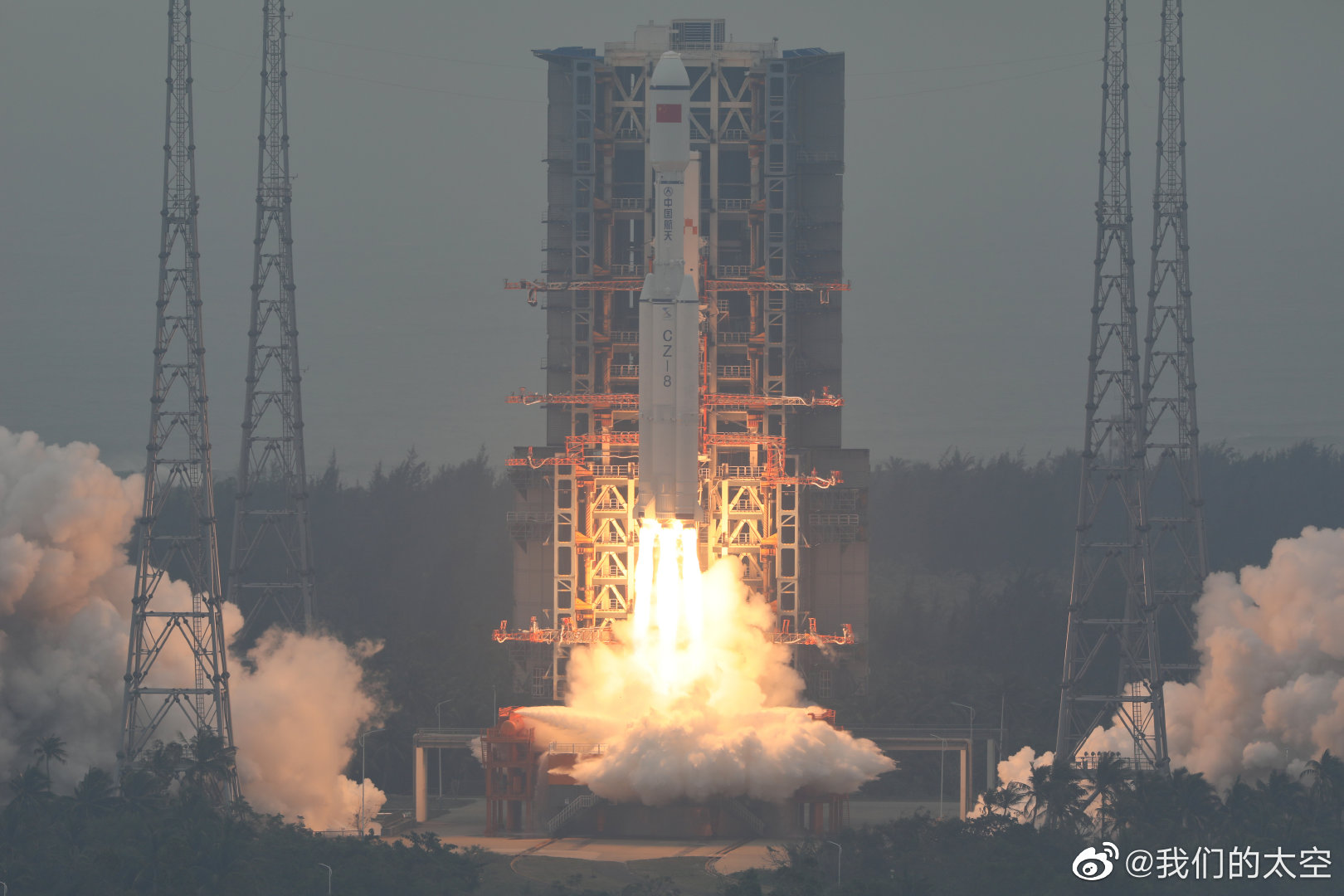
- China Aerospace Science and Technology Corporation Long March 7A:
- Unknown Payload from Wenchang Space Launch Site, People’s Republic of China (15:57 UTC) Details TBD.
March 30
- SpaceX Falcon 9 Block 5:
- Starlink Group 6-80 from Cape Canaveral SFS, FL, USA (19:16 UTC) A batch of satellites for the Starlink mega-constellation, SpaceX’s project for space-based Internet communication.
March 31
-
Gilmour Space Technologies Eris-1:
- Maiden Flight from Bowen Orbital Spaceport (00:00 UTC) Maiden flight of Gilmour Space’s orbital launch vehicle Eris.
-
Firefly Aerospace Alpha:
- FLTA006 (Message in a Booster) from Vandenberg SFB, CA, USA (00:00 UTC) Sixth flight of the Firefly Alpha small satellite launcher, demonstrating Lockheed Martin’s new customizable LM400 satellite bus for various mission types.
-
SpaceX Falcon 9 Block 5:
- Starlink Group 11-13 from Vandenberg SFB, CA, USA (00:23 UTC) A batch of satellites for the Starlink mega-constellation, SpaceX’s project for space-based Internet communication.
April 1
- SpaceX Falcon 9 Block 5:
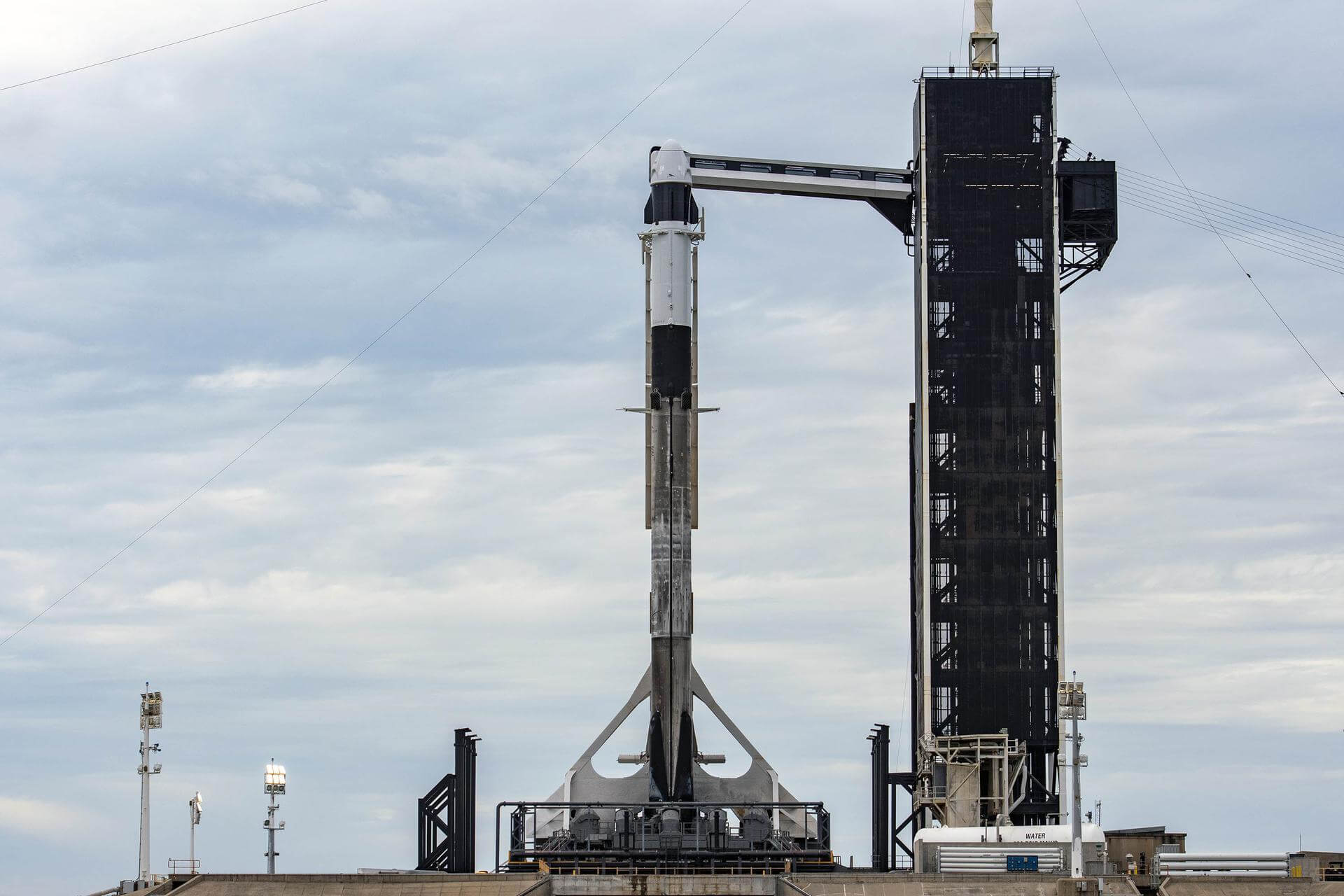
- Fram2 from Kennedy Space Center, FL, USA (01:47 UTC) The world’s first astronaut mission to polar orbit featuring a Crew Dragon spacecraft. The mission is set to study atmospheric phenomena, effects of spaceflight on the human body, and includes multiple scientific endeavors. Chun Wang serves as the mission commander, joined by a diverse crew.
Note: Launch dates and times are subject to change due to technical or weather considerations.

Maurice Stellarski