

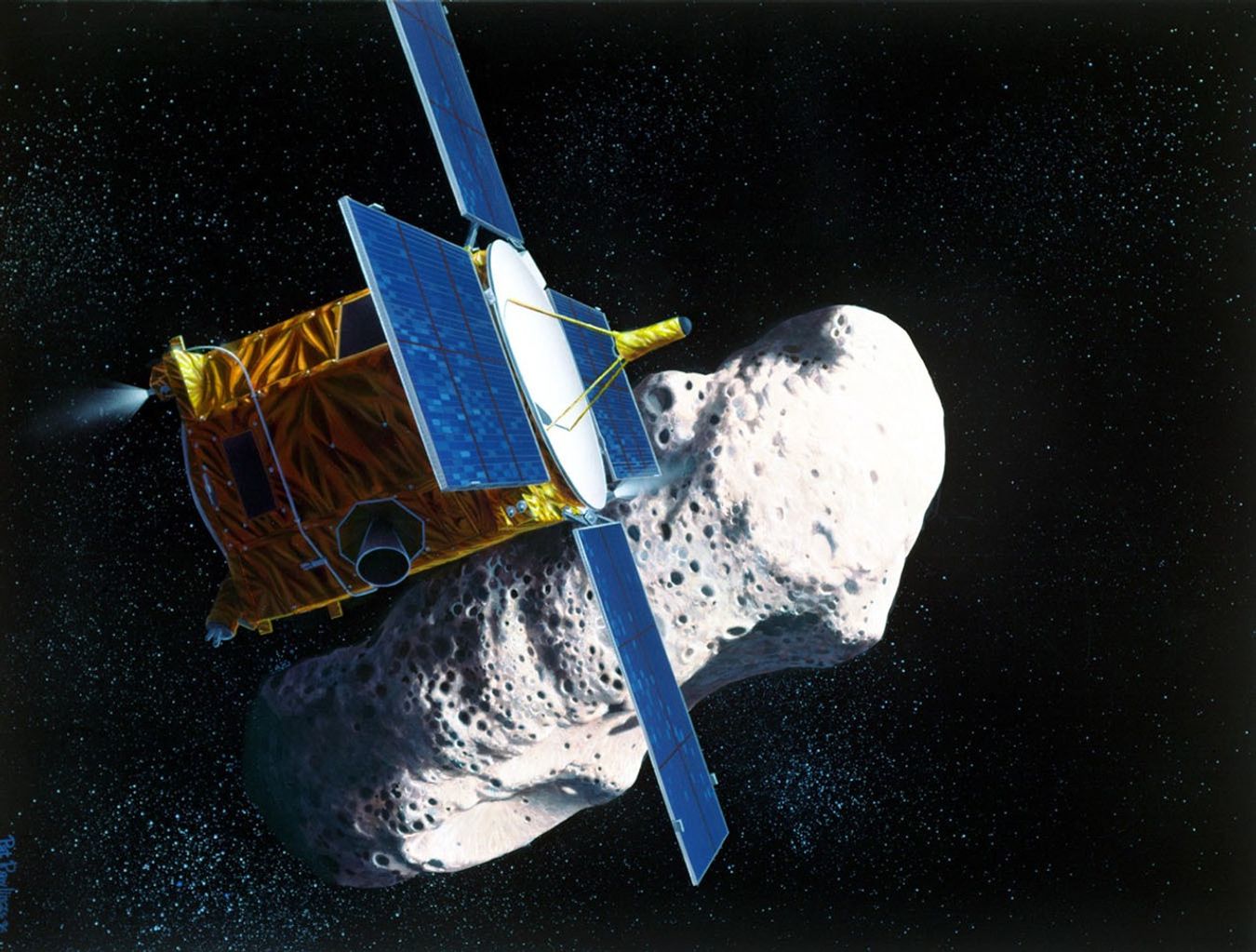
The Day Humanity First Touched an Asteroid
Twenty-four years ago, a spacecraft designed only to orbit made history with an improvised landing on asteroid Eros, marking humanitys first controlled touchdown on a small celestial body


Launch Date
March 10, 1977
Launch Site
Launch Pad
LC17A
Launch Vehicle
Delta 2914
NORAD ID
09867
International Designator
1977-018D
Decay Date
10/13/1977
Name
DELTA 1 DEB
Alternative Name
Delta 129 clamp band
Type
Status
Owner
GSFC
Country
United States
Constellation
N/A
Related Satellites
Major Events
N/A
Length
0
Diameter
0
Span
0
Dry Mass
0
Launch Mass
0
Shape
N/A
Radar Cross Section
Unknown
Visual Magnitude
Unknown
Color
Unknown
Material Composition
Unknown
Payload
Unknown
Purpose
Unknown
Mission
Unknown
Manufacturer
Unknown
Life Expectancy
Unknown
Bus
Unknown
Configuration
Unknown
Motor
Unknown
Equipment
Unknown
Power System
Unknown
ADCS
Unknown
Transmitter Frequency
Unknown
Learn more about satellites and other related topics.
Twenty-four years ago, a spacecraft designed only to orbit made history with an improvised landing on asteroid Eros, marking humanitys first controlled touchdown on a small celestial body

Canada's sovereign space access finally has a construction site. How NordSpace is building the Atlantic Spaceport Complex in Newfoundland - and what the scrubbed Taiga launch reveals about the path to orbit.

Today's focus spans critical developments in military space initiatives, strategic policy shifts, and modest steps in semiconductor advancements. Key developments include Rocket Lab's new U.S. Air Force contract, Sierra Space's progress in satellite programs, and potential policy changes under Trump's leadership.

FAA grounds SpaceX Starship V3 after the Flight 12 mishap, freezing the launch schedule. Plus a $2.29B Space Force contract and 10,397 working Starlinks.
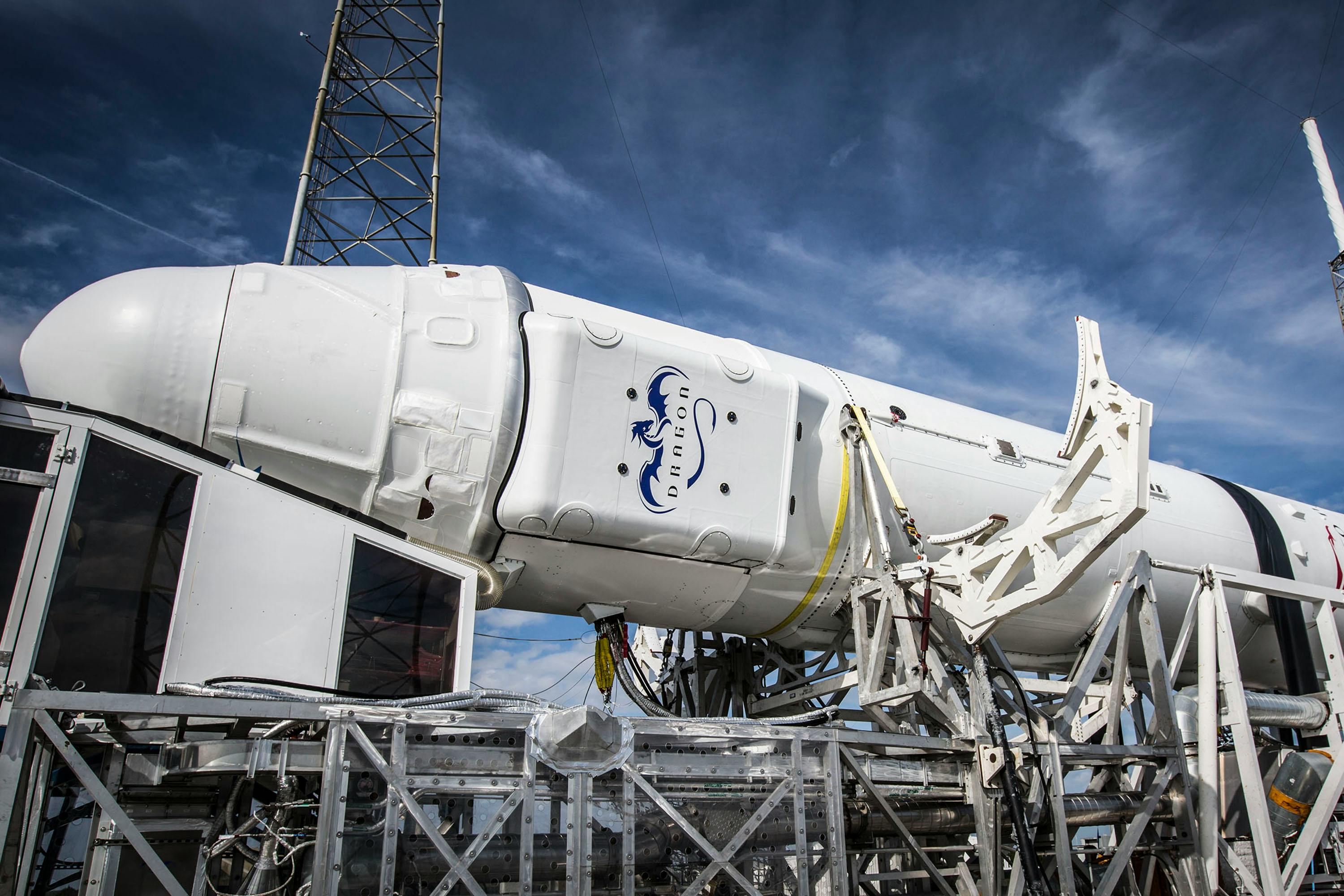
SpaceX continues to expand its reach with the successful launch of more Starlink satellites while exploring innovative military applications for satellite communications.
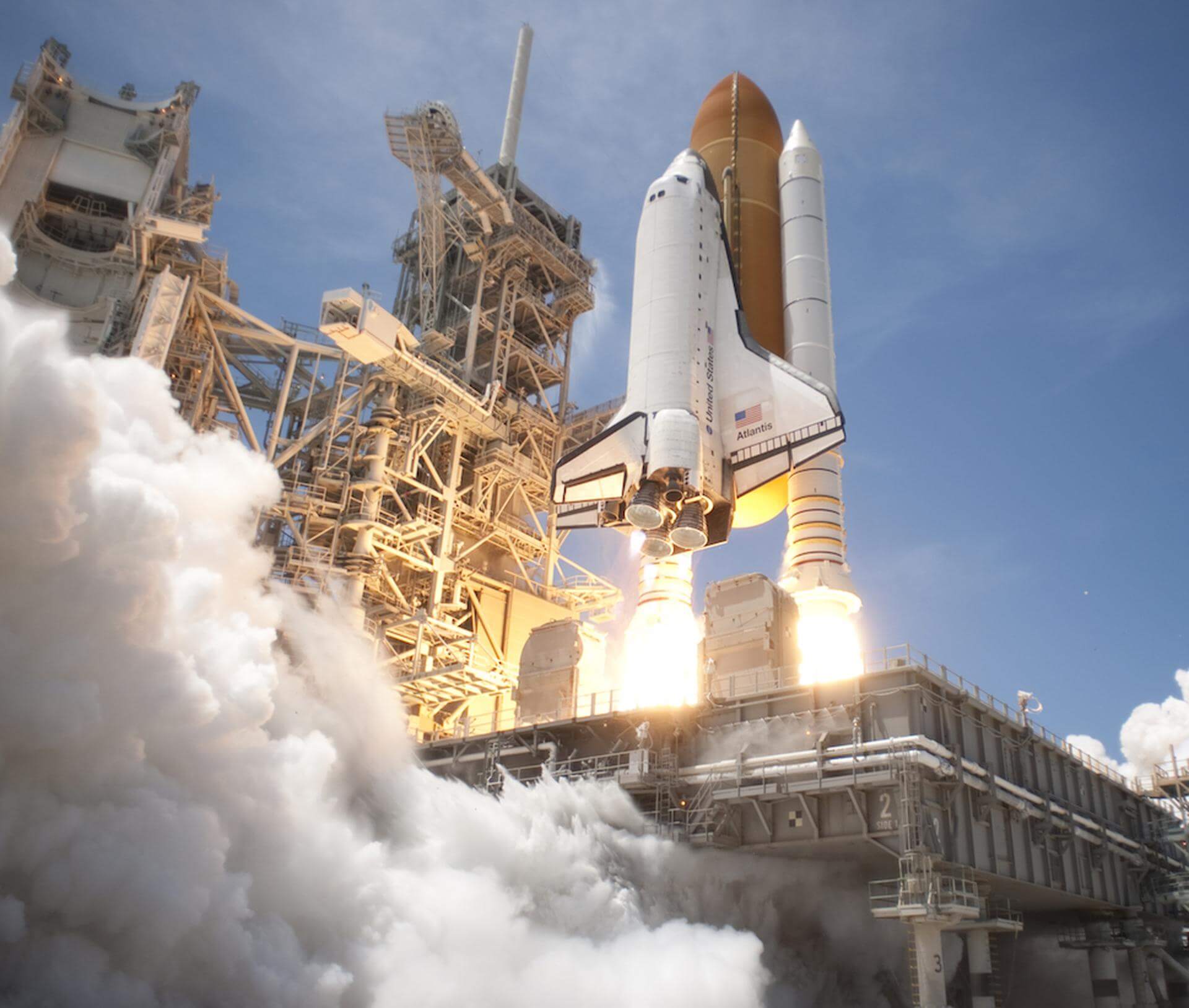
Starcloud files FCC plans for 88,000-satellite orbital data center constellation, matching scale of Starlink and Amazon Kuiper expansions. Massive LEO conjunction risk implications.
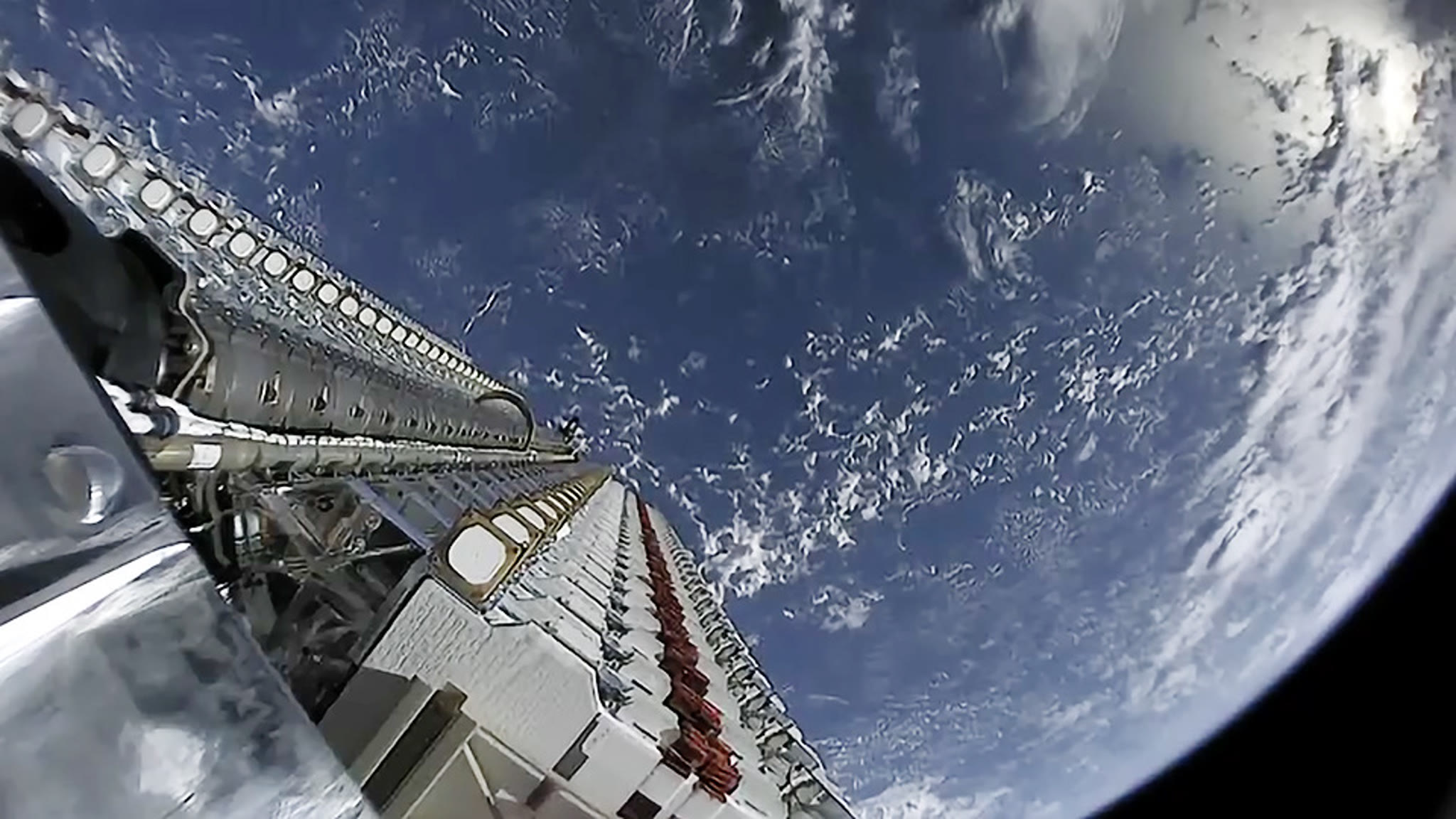
Starlink satellites fired their thrusters to dodge a collision roughly 300,000 times in 2025, about 822 times a day. Behind that number is a fragile, half-automated system of warnings, probabilities, and judgment calls that decides which close approaches are worth a maneuver and which are just noise.
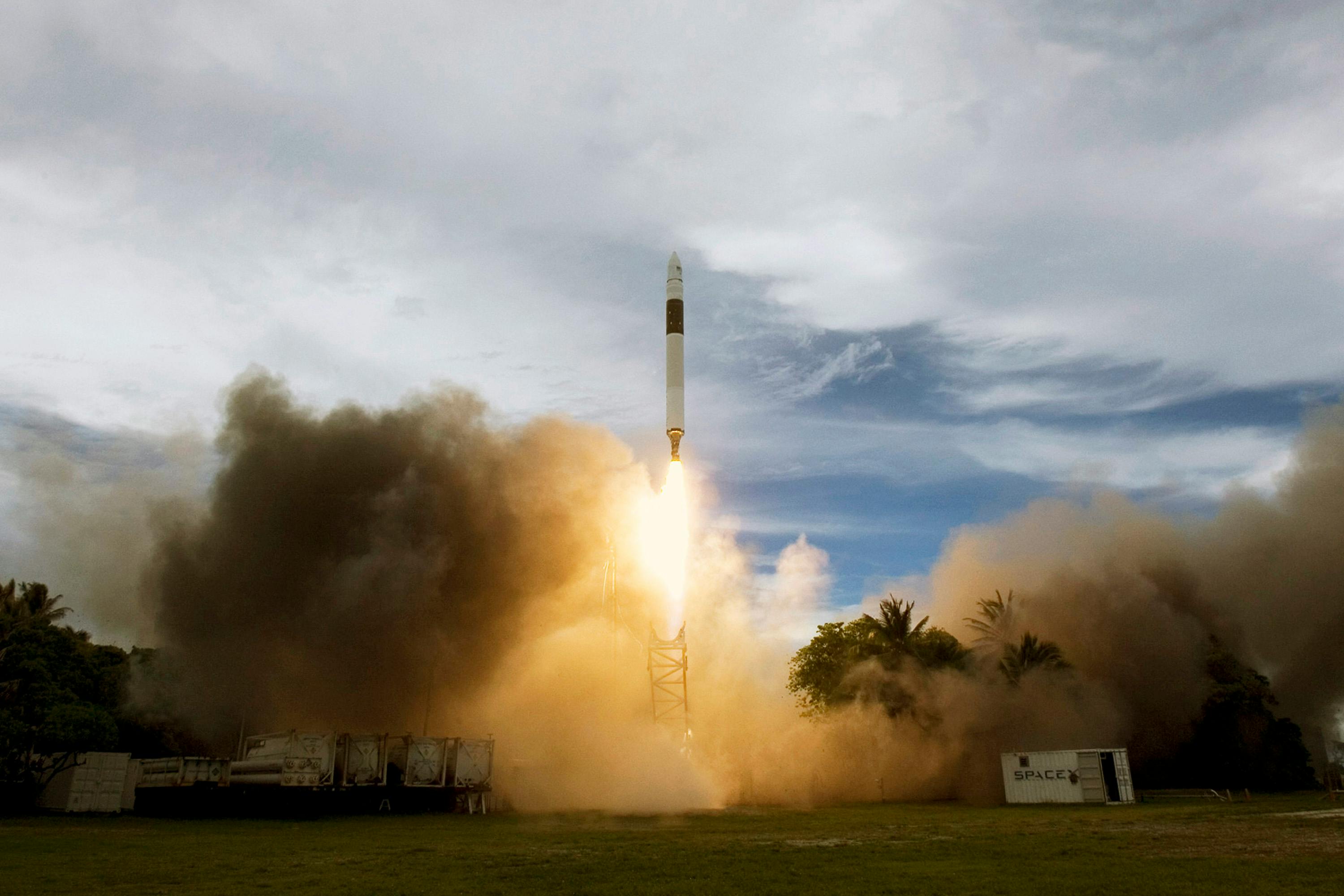
SpaceX wraps up a record-breaking year with an impressive launch count, while the Starship program looks to make significant advancements in 2025.