COSMOS 892 DEB (09849)

COSPAR: 1977-009F | Alt Name: KDU part
DECAYED

Image
COSMOS 892 DEB Satellite Image
Additional Sources
Launch Details

Launch Date

February 9, 1977

Launch Site

PLMSC

Launch Pad

LC43/3

Launch Vehicle

Soyuz-U

Orbital Elements

NORAD ID

09849

International Designator

1977-009F

Decay Date

2/23/1977

Basic Satellite Info

Name

COSMOS 892 DEB

Alternative Name

KDU part

Type

Debris

Status

Space Junk

Owner

GUKOSR

Country

USSR

Constellation

N/A

Related Satellites

Major Events

N/A

Summary
Space debris, also known as space junk, encompasses all non-functional objects orbiting Earth such as defunct satellites, spent rocket stages, and fragments from collisions or disintegrations. Over time, this debris can accumulate and create an increasingly hazardous environment in orbit. Even tiny fragments, traveling at extremely high velocities, can inflict significant damage on operational satellites and spacecraft. If left unmanaged, the density of debris raises the risk of catastrophic collisions and further fragmentation, compounding the problem and threatening the safety and sustainability of space activities.
Physical Characteristics

Length

0

Diameter

0

Span

0

Dry Mass

0

Launch Mass

0

Shape

N/A

Radar Cross Section

Unknown

Visual Magnitude

Unknown

Color

Unknown

Material Composition

Unknown

Technical Details

Payload

KDU part

Purpose

Unknown

Mission

Unknown

Manufacturer

TSSKB

Life Expectancy

Unknown

Bus

Zenit deb

Configuration

Unknown

Motor

Unknown

Equipment

Unknown

Power System

Unknown

ADCS

Unknown

Transmitter Frequency

Unknown

Satellite Articles

View All Posts »

Learn more about satellites and other related topics.

108 Minutes That Changed Everything - and the 20-Year Echo That Followed

108 Minutes That Changed Everything - and the 20-Year Echo That Followed

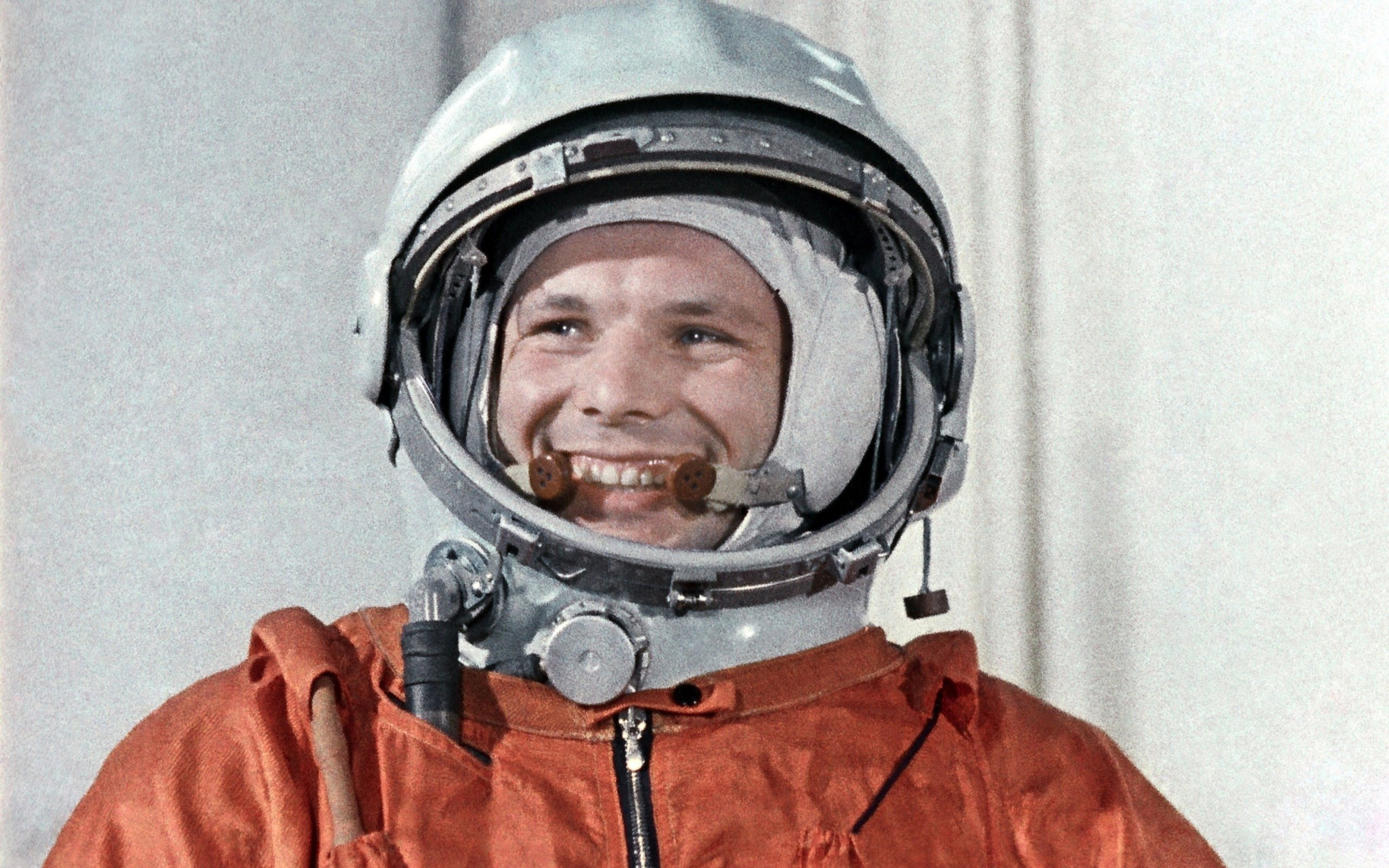
On April 12, 1961, a 27-year-old Soviet pilot rode a modified ICBM into orbit and came back alive after 108 minutes. Exactly twenty years later, two Americans climbed aboard an untested spacecraft covered in 31,000 ceramic tiles and bet their lives that the math was right.

Vulcan GEM 63XL Passes Static Fire; February Anomaly Still Under Investigation | KeepTrack Space Brief

Vulcan GEM 63XL Passes Static Fire; February Anomaly Still Under Investigation | KeepTrack Space Brief

Northrop Grumman's GEM 63XL solid rocket booster passed static fire testing, but ULA's investigation into a February 2026 Vulcan in-flight anomaly remains open. No RTF date set.

GPS III SV10 | The Last of Its Kind, and the First of What Comes Next

GPS III SV10 | The Last of Its Kind, and the First of What Comes Next

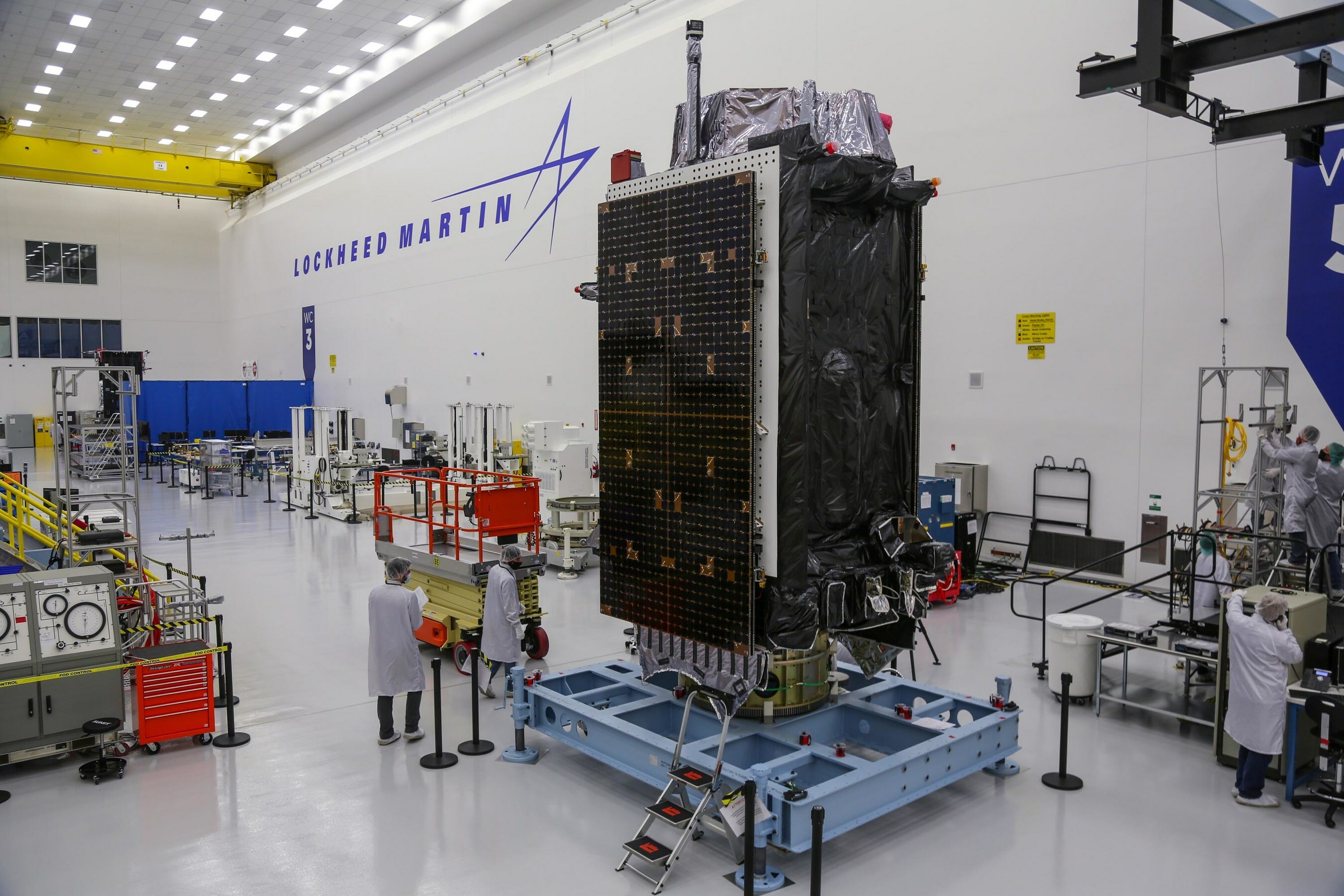
On April 21, 2026, the tenth and final GPS Block III satellite reached medium Earth orbit aboard a SpaceX Falcon 9. Named for Hedy Lamarr, the actress whose 1942 frequency-hopping patent underpins modern GPS, SV10 closes a procurement that took eight years to deliver hardware and opens the optical-crosslink era that will define the constellation's next decade.

Space Brief 30 Mar 2025

Space Brief 30 Mar 2025

Today's highlights include Rocket Lab joining the US Space Force's national security launch program, SpaceX's upcoming Starlink deployment, China's successful EVA, and intriguing science aboard SpaceX's Fram2 mission.

Space Force Buys Second Otter Spacecraft for On-Orbit Servicing | KeepTrack Space Brief

Space Force Buys Second Otter Spacecraft for On-Orbit Servicing | KeepTrack Space Brief

Space Force procures second Otter spacecraft for satellite repositioning. Momentus and NASA sign Space Act Agreement for orbital servicing tests. Pentagon delays contractor review.

Earthquake Sensors Repurposed to Track Space Debris Reentry | KeepTrack Space Brief

Earthquake Sensors Repurposed to Track Space Debris Reentry | KeepTrack Space Brief

Scientists use earthquake sensors to track space debris reentry via sonic boom detection. SpaceX launches 25 Starlink satellites in seventh mission of 2026. NASA and DOE partner for lunar nuclear power.

Space Brief 24 Mar 2025

Space Brief 24 Mar 2025

Historic launches mark a transformative week in aerospace, with major milestones achieved by Isar Aerospace, SpaceX, and Botswana's entry into space. Significant advancements in reusability and European capabilities highlight key developments.

Neil Gehrels Swift Observatory

Neil Gehrels Swift Observatory

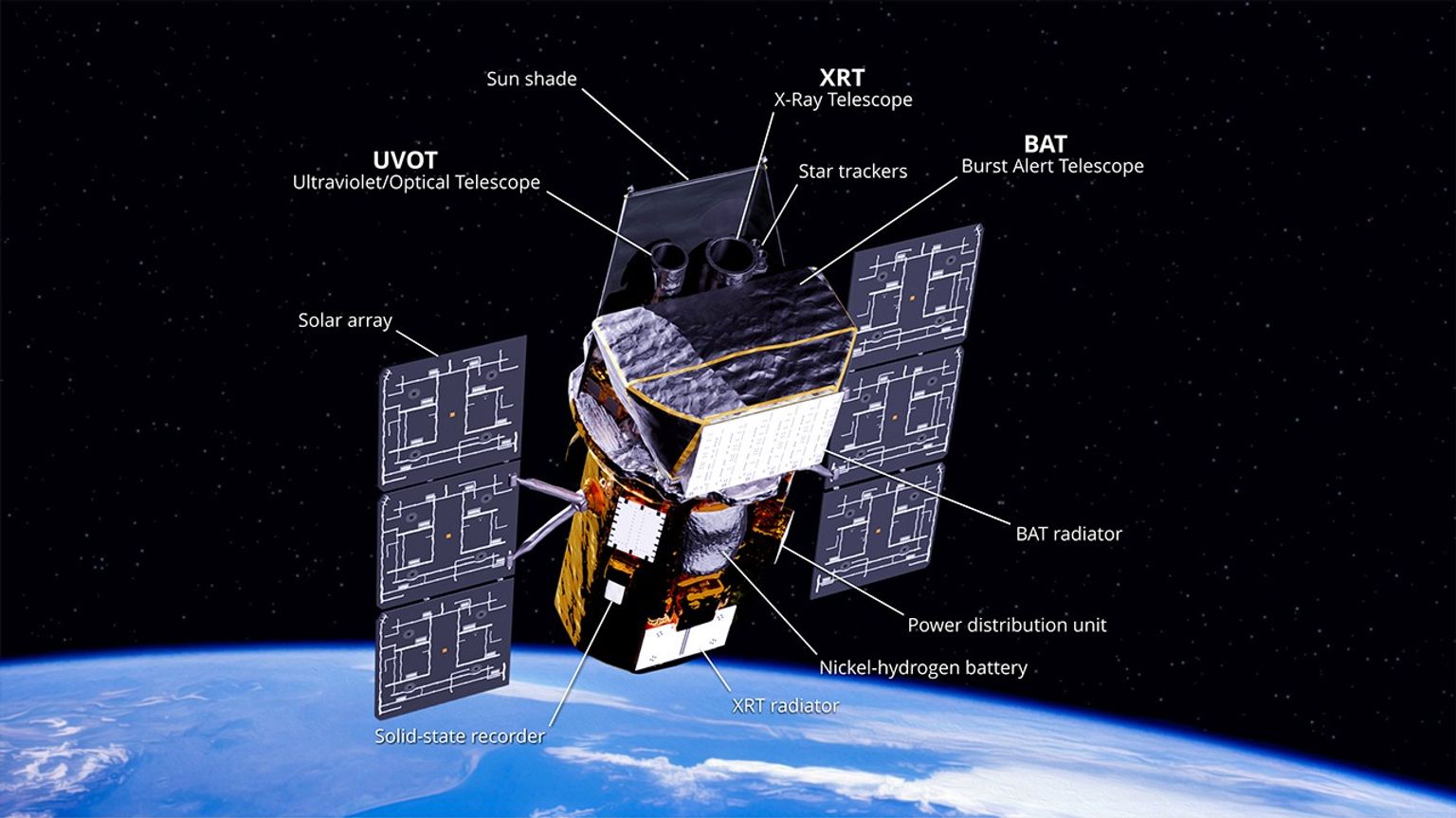
Designed for a two-year mission to catch gamma-ray bursts in the act, Swift is now 21 years old, slowly falling out of the sky, and the subject of an unprecedented private rescue mission. Nobody planned for it to be this hard to let go.