


X Report 27 Sep 2025
SpaceX continues to make strides in both its Starship program and Starlink satellite deployments, with a successful launch of 24 Starlink satellites and preparations for upcoming missions.


Launch Date
February 6, 1977
Launch Site
Launch Pad
LC40
Launch Vehicle
Titan IIIC
NORAD ID
09803
International Designator
1977-007A
Epoch
Fri, 03 Jul 2026 16:48:50 GMT
Apogee
Calculating...
Perigee
Calculating...
Inclination
4.68°
Right Ascension
284.22°
Eccentricity
Calculating...
Argument of Perigee
39.58°
Period
1476.49 min
Mean Motion
0.98 rev/day
Latitude
Calculating...
Longitude
Calculating...
Altitude
Calculating...
Velocity
Calculating...
Name
OPS 3151 (DSP 7)
Alternative Name
DSP F7
Type
Status
Owner
SAMSO
Country
United States
Constellation
N/A
Related Satellites
Major Events
N/A
1 09803U 77007A 26184.70058189 -.00000023 00000-0 00000-0 0 9996
2 09803 4.6847 284.2199 0077704 39.5827 95.1781 0.97528316 24812
Source: Celestrak
Apologies, there is no summary for this satellite yet. I am working to generate these for every object in the catalog, but it is going to take time.
Length
7.1
Diameter
3
Span
7.5
Dry Mass
980
Launch Mass
1040
Shape
Cyl + 4 Pan
Radar Cross Section
Unknown
Visual Magnitude
Unknown
Color
Unknown
Material Composition
Unknown
Payload
DSP 9
Purpose
Early Warning
Mission
Early Warning
Manufacturer
TRW
Life Expectancy
2 years
Bus
DSP P2
Configuration
Unknown
Motor
MRE-4
Equipment
?
Power System
4 deployable fixed solar arrays, solar cells, batteries
ADCS
Unknown
Transmitter Frequency
Unknown
Learn more about satellites and other related topics.
SpaceX continues to make strides in both its Starship program and Starlink satellite deployments, with a successful launch of 24 Starlink satellites and preparations for upcoming missions.

Trump's interim Air Force One—a $400M Boeing 747-8—equipped with Starlink for presidential communications. First confirmed LEO constellation use for White House comms.

York Space raises $629M in IPO to expand satellite manufacturing. NRO declassifies Cold War-era JUMPSEAT spy satellites. Lockheed to boost THAAD interceptor production from 96 to 400 per year.
Today's key space events include a milestone Falcon booster landing, advances in US military satellite operations, and a new missile defense initiative.
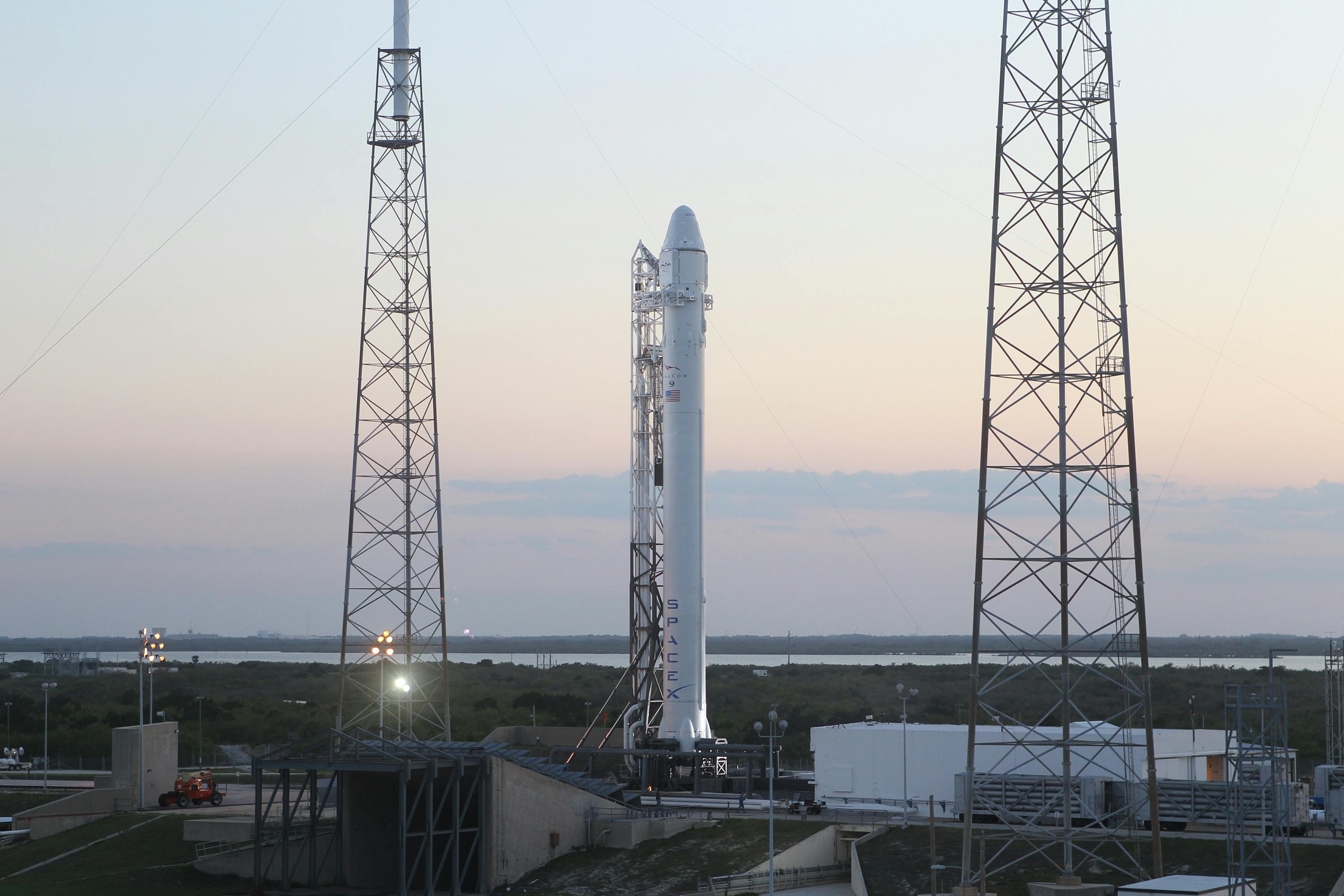
SpaceX continues to expand its Starlink network with multiple launches and gains momentum in international markets, while revisiting launch tariffs and new regulations.
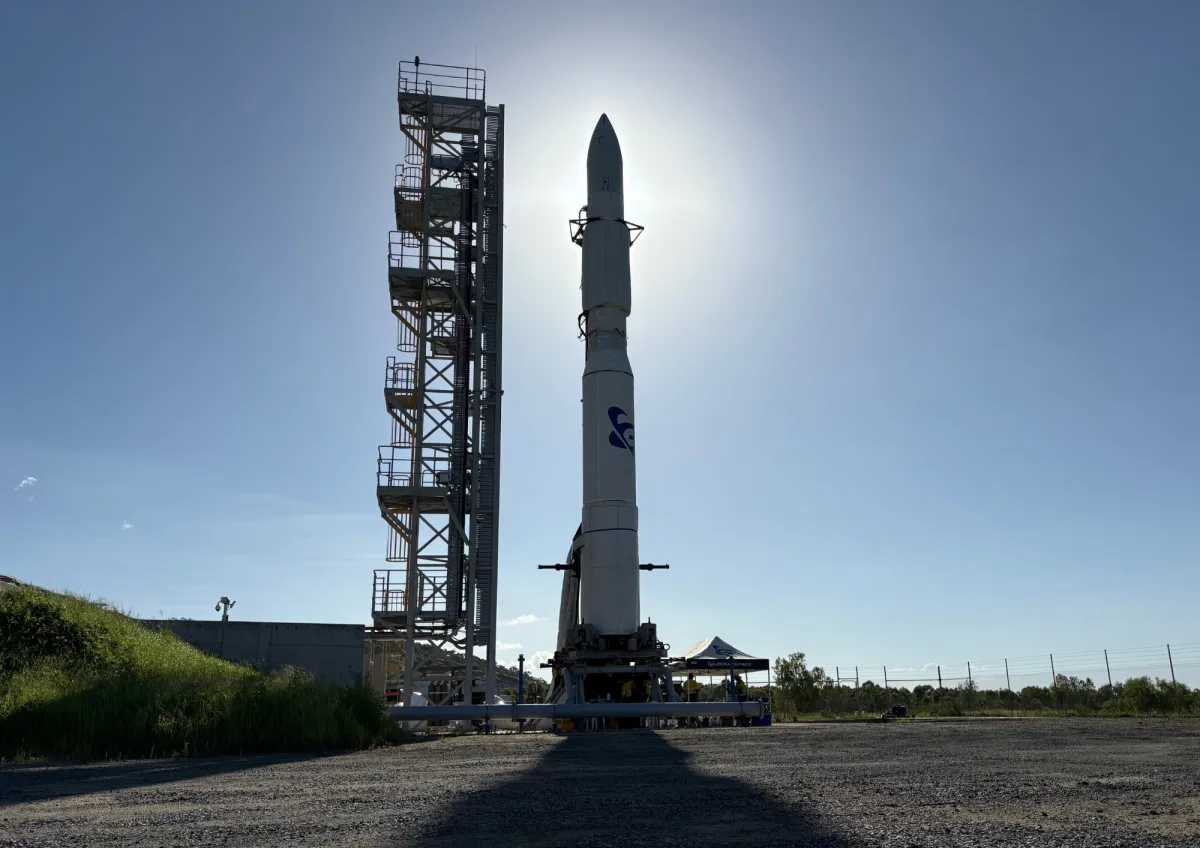
Dive into the latest developments including U.S. national security launch contracts, penalties for drone violations at military bases, and emerging European launch providers.
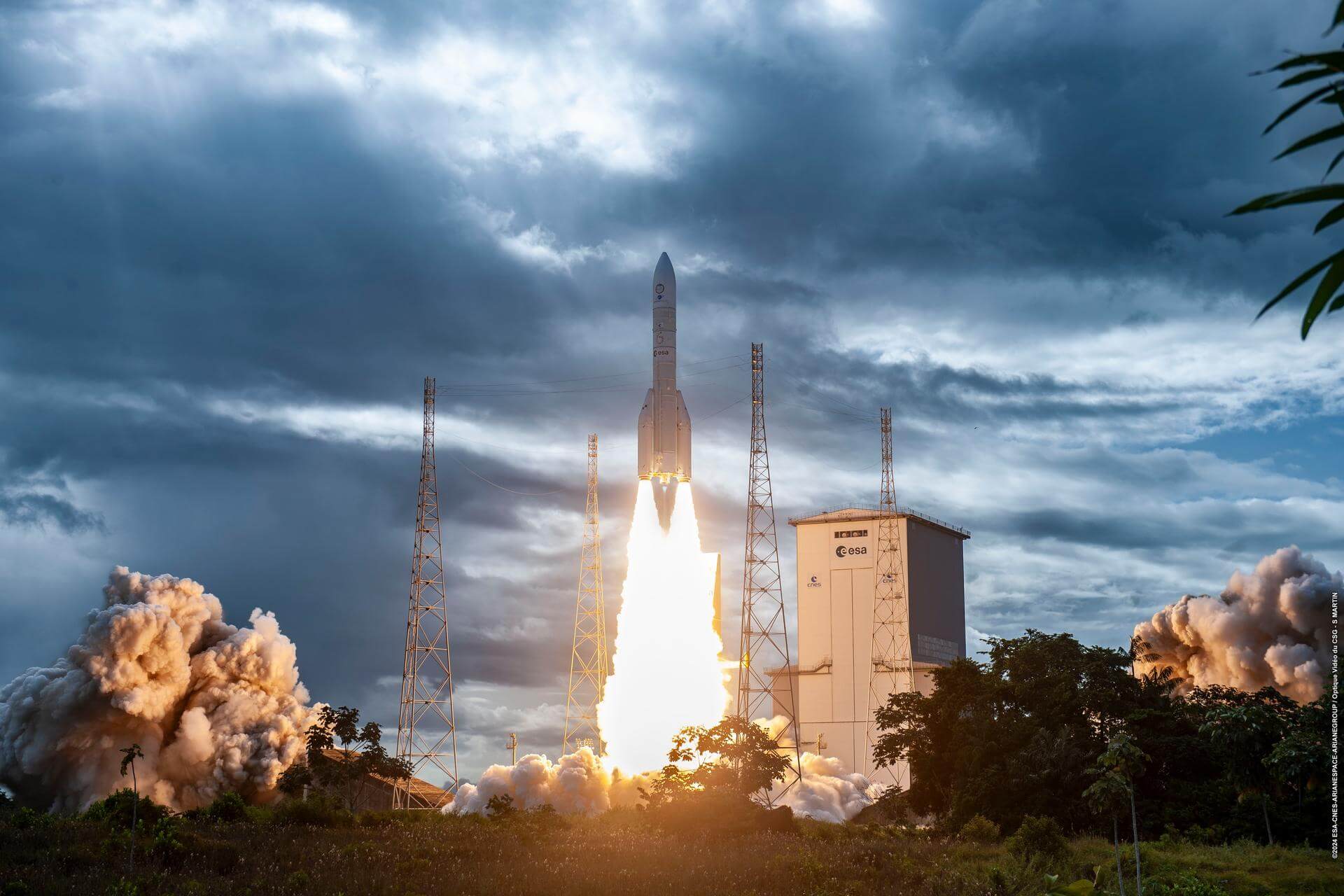
Highlights include US military astronaut rescue drills, China's commercial involvement in lunar missions, ESA's budget proposals, global opposition to space advertising, and NASA lunar landers.
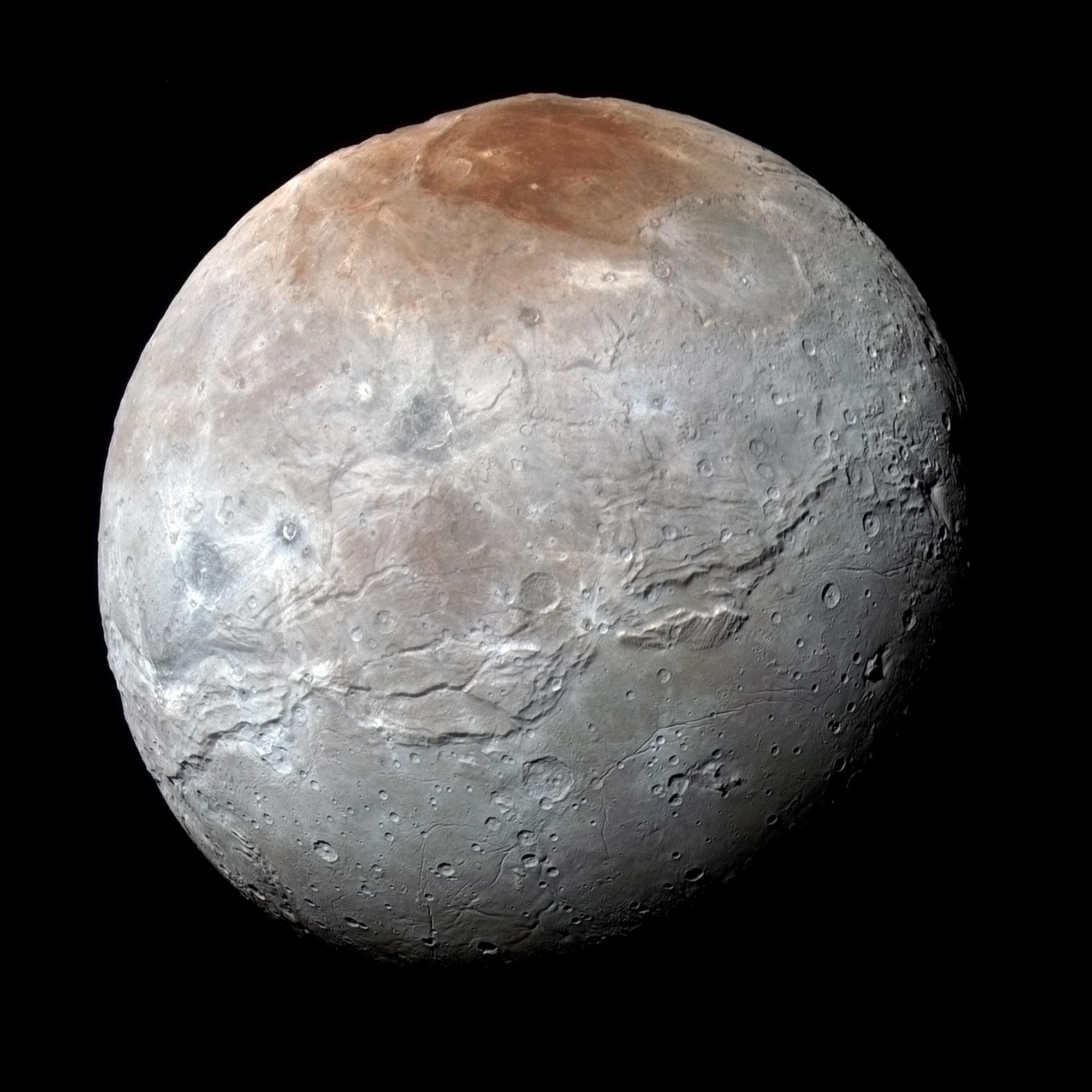
On 22 June 1978, an astronomer at the U.S. Naval Observatory looked at photographic plates that had been stamped 'image defective' and noticed a small bump on the side of Pluto. The bump was a moon, and finding it finally let astronomers weigh a planet that had fooled them for half a century.