

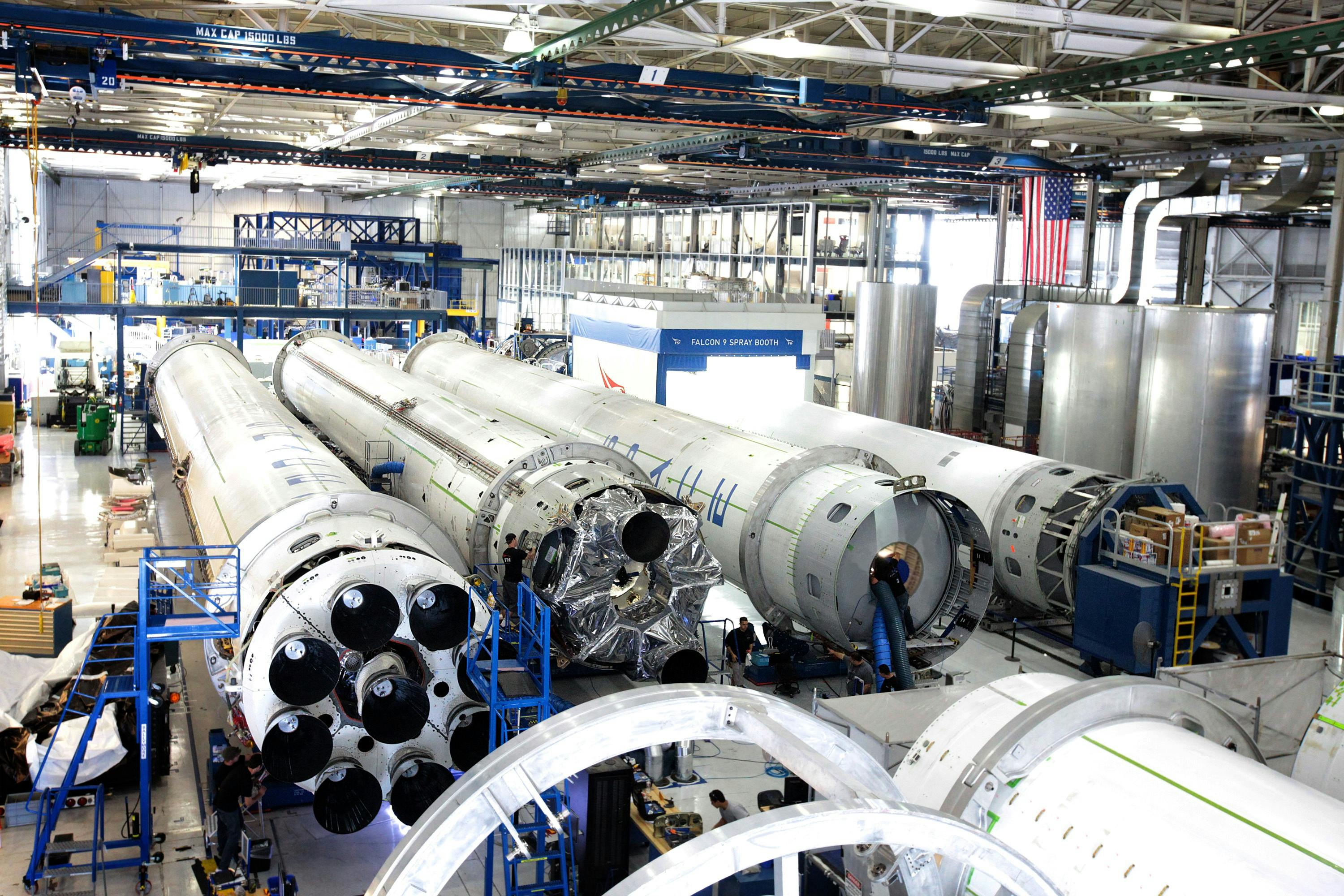
SpaceX Starfall Reentry Capsule Debuts, X Report 23 Jun 2026
SpaceX Starfall reentry capsule debuted June 23: the 2,100 kg disk launched on a Falcon 9 from Cape Canaveral to demo cargo return from orbit.



Launch Date
May 9, 1963
Launch Site
AFWTR
Launch Pad
LC1-2
Launch Vehicle
Atlas Agena B
NORAD ID
09694
International Designator
1963-014DE
Decay Date
11/22/1982
Name
WESTFORD NEEDLES
Alternative Name
West Ford dipoles
Type
Status
Owner
AFSSD
Country
United States
Constellation
N/A
Related Satellites
Major Events
N/A
Length
0
Diameter
0
Span
0
Dry Mass
0
Launch Mass
0
Shape
N/A
Radar Cross Section
0.125
Visual Magnitude
Unknown
Color
Unknown
Material Composition
Unknown
Payload
RCS 0.13
Purpose
Unknown
Mission
Unknown
Manufacturer
Unknown
Life Expectancy
Unknown
Bus
Unknown
Configuration
Unknown
Motor
Unknown
Equipment
Unknown
Power System
Unknown
ADCS
Unknown
Transmitter Frequency
Unknown
Learn more about satellites and other related topics.
SpaceX Starfall reentry capsule debuted June 23: the 2,100 kg disk launched on a Falcon 9 from Cape Canaveral to demo cargo return from orbit.
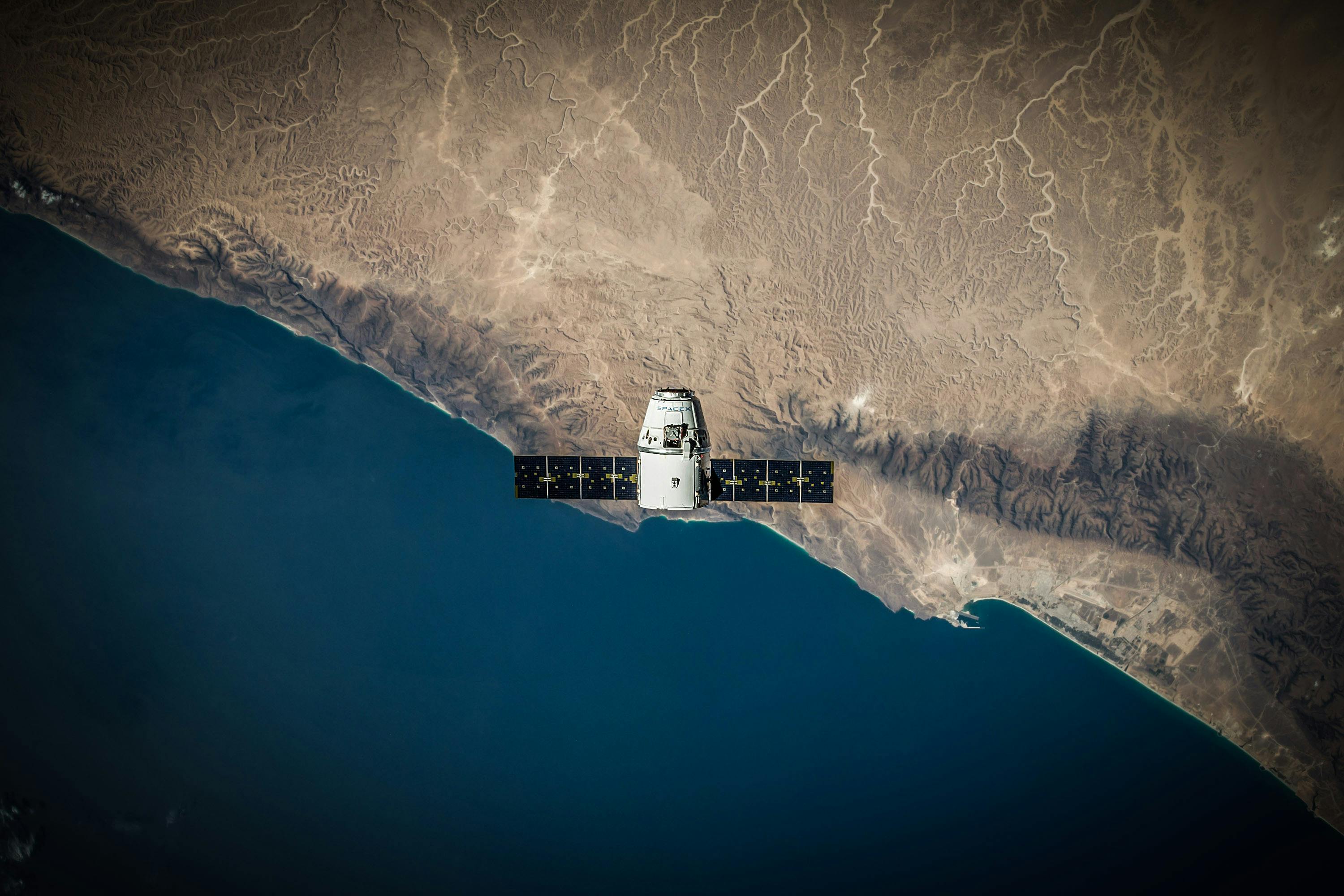
SpaceX gears up for multiple Falcon 9 launches, amidst challenges from Project Kuiper and environmental concerns.
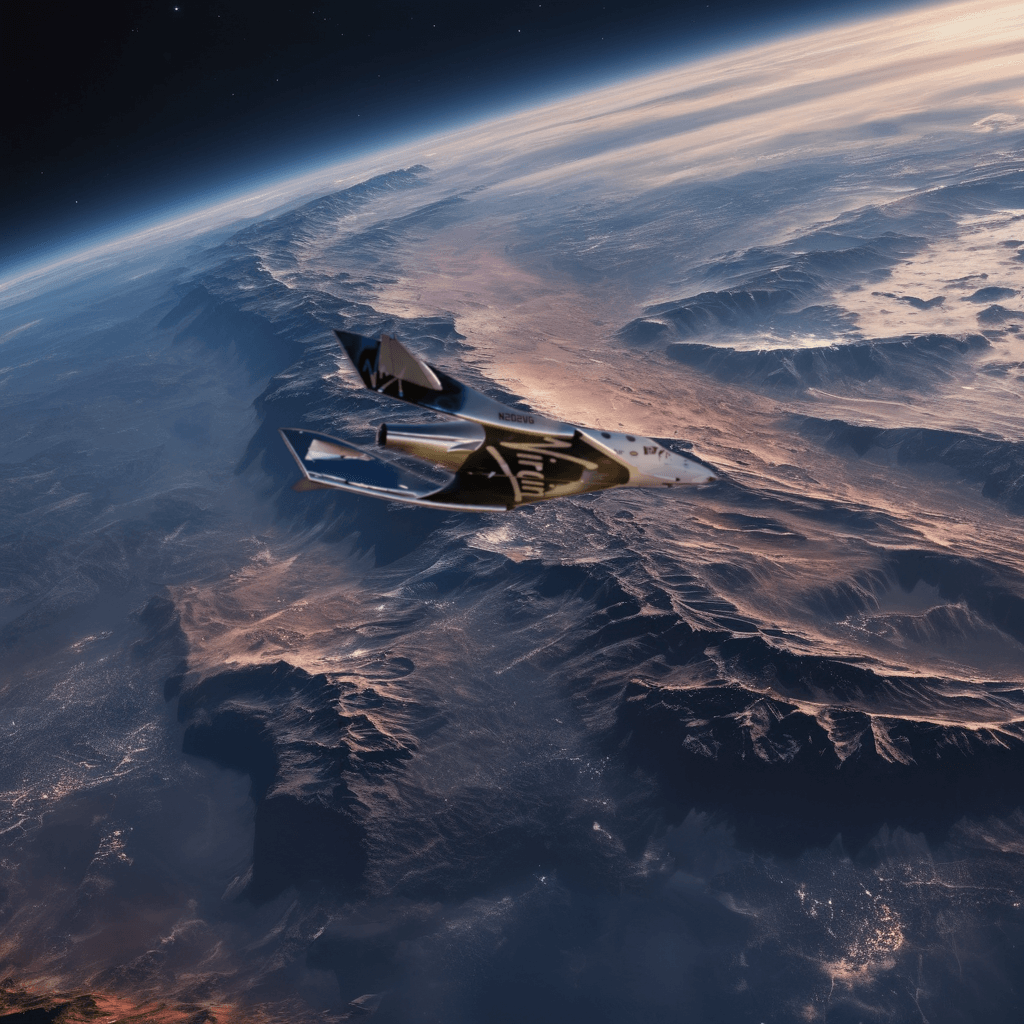
On January 26, 2024, Virgin Galactic's "Galactic 06" mission will launch, marking its 11th spaceflight.
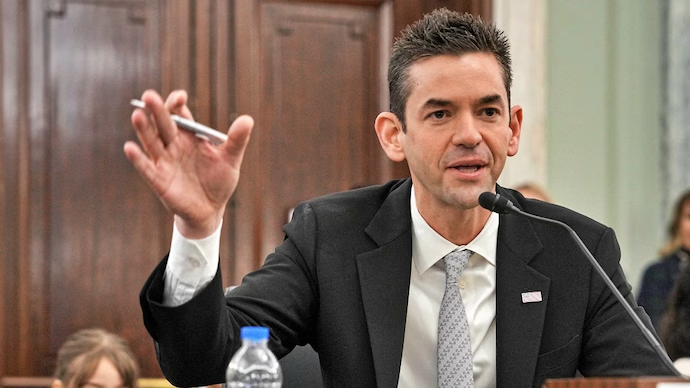
The White House wants to cut NASA's science budget nearly in half for the second year running. Administrator Jared Isaacman says it's enough. Congress already rejected this exact idea once.

SpaceX continues to make strides with multiple launches, including 28 Starlink satellites and NASA's IMAP mission, highlighting its ongoing role in advancing space weather research.

From Apollo's darkest days to humanity's first transmission from Venus, we spent 2025 remembering the missions that made modern spaceflight possible. Here's what we covered - and why we're committed to keeping this series going.

Follow the complete Artemis II mission in KeepTrack's 3D tracker. Replay Orion's full flight path from launch through the lunar flyby to Pacific splashdown, and scrub to any moment of the ten-day mission.
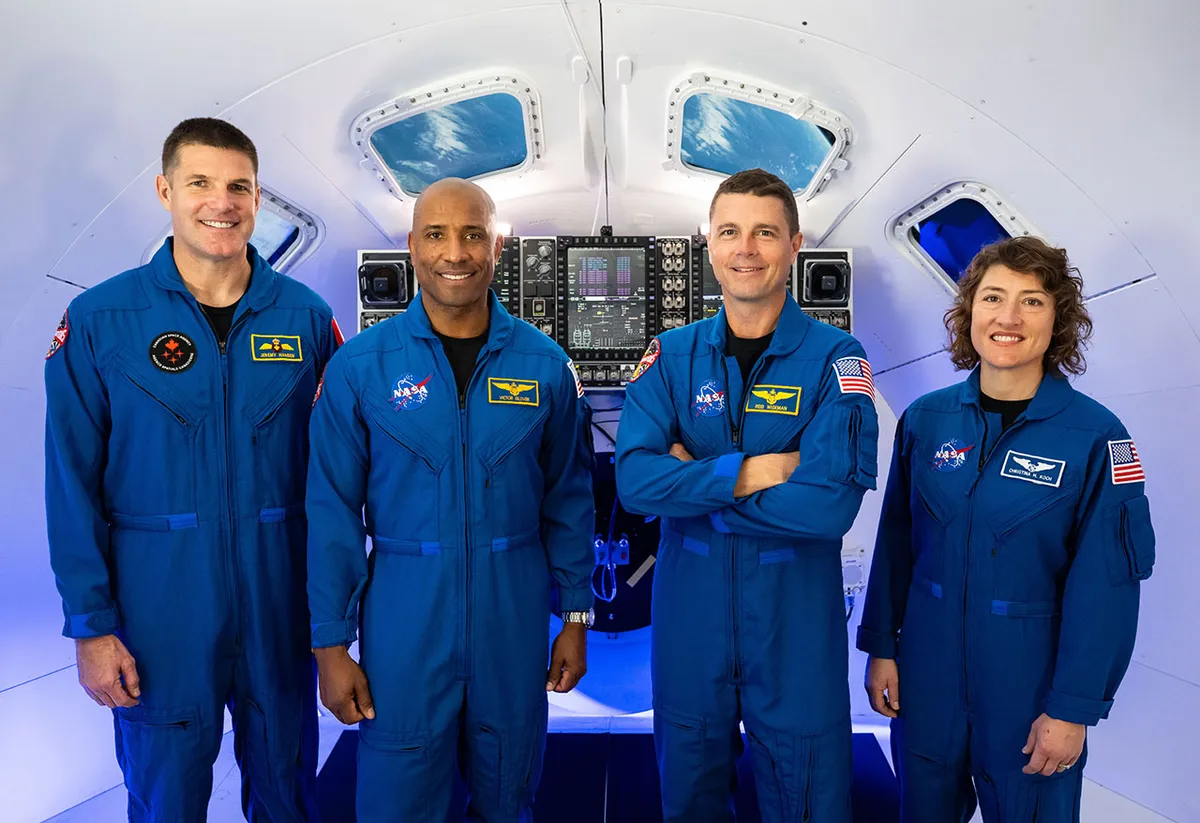
Four astronauts, a patched-together heat shield, and a $50 billion question: whether NASA can still send humans beyond low Earth orbit. Tomorrow, we find out.