


Space Brief 14 Apr 2025
Today's highlights include SpaceX's record-breaking Falcon launches, urgent warnings about orbital collisions, and a doubleheader launch featuring spy and Starlink satellites.


![COSMOS 861 DEB [PELPS] Satellite Image](/images/sat/deb4.jpg)
Launch Date
October 21, 1976
Launch Site
Launch Pad
LC90
Launch Vehicle
Tsiklon-2
NORAD ID
09631
International Designator
1976-104C
Decay Date
2/4/1977
Name
COSMOS 861 DEB [PELPS]
Alternative Name
Kosmos-861 DU
Type
Status
Owner
VMF
Country
USSR
Constellation
N/A
Related Satellites
Major Events
N/A
Length
3.7
Diameter
1.3
Span
3.7
Dry Mass
1650
Launch Mass
2150
Shape
Cyl
Radar Cross Section
8.255
Visual Magnitude
Unknown
Color
Unknown
Material Composition
Unknown
Payload
US-A DU
Purpose
Unknown
Mission
Unknown
Manufacturer
KOMET
Life Expectancy
Unknown
Bus
US-A DU
Configuration
Unknown
Motor
Unknown
Equipment
Unknown
Power System
Unknown
ADCS
Unknown
Transmitter Frequency
Unknown
Learn more about satellites and other related topics.
Today's highlights include SpaceX's record-breaking Falcon launches, urgent warnings about orbital collisions, and a doubleheader launch featuring spy and Starlink satellites.
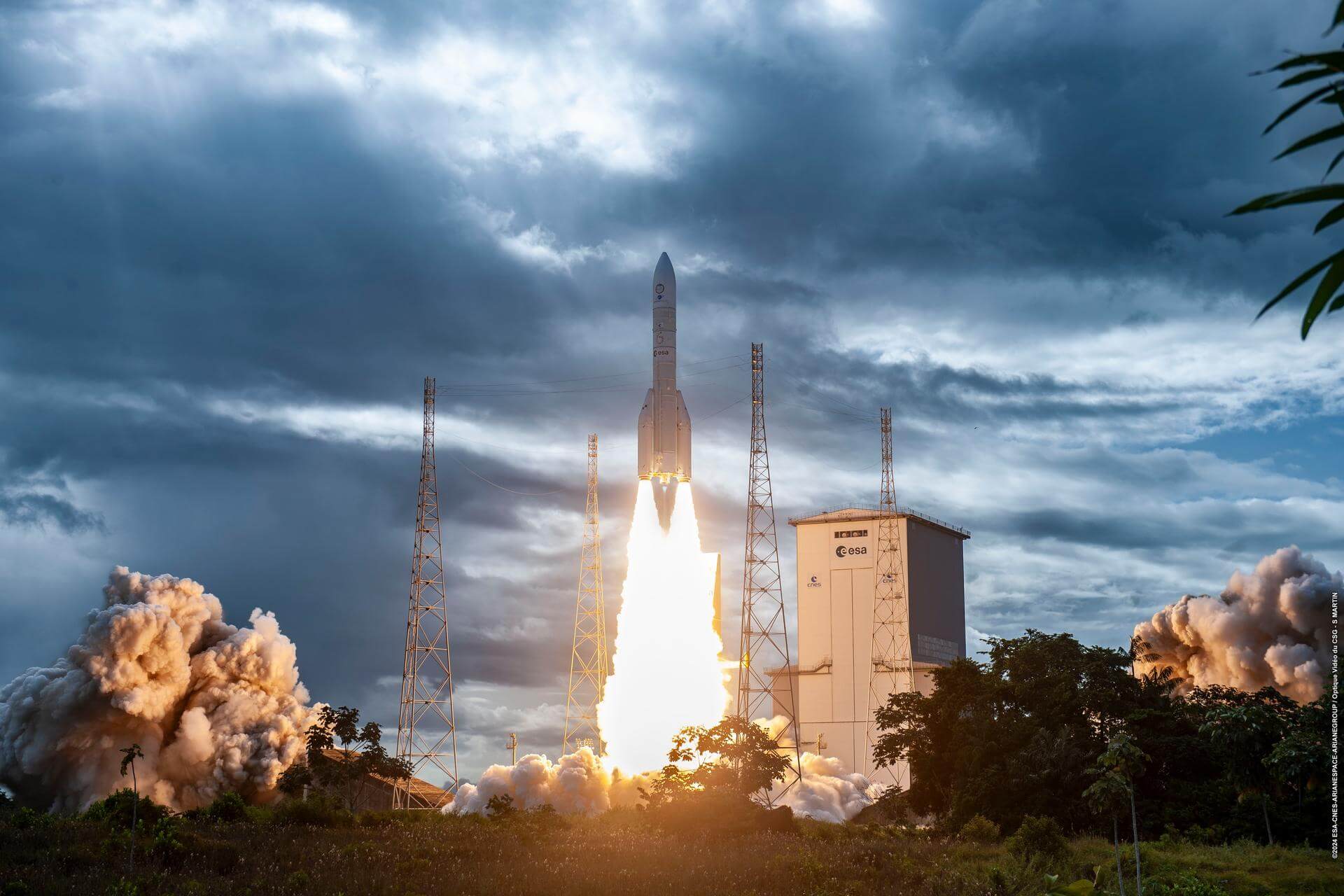
Today's highlights include new satellite launches by SpaceX, technical hiccups for an Indian navigation satellite, and insights into the future of satellite servicing.

Today's briefs cover SpaceX landing a Falcon 9 in The Bahamas, first disabled astronaut prepped for a mission, and key company updates from Blue Origin and K2 Space.

Today marks significant milestones and setbacks for SpaceX as Starship Flight 9 completes a historic launch but ultimately suffers a loss of control. Additionally, a successful Starlink deployment continues to expand global internet coverage.
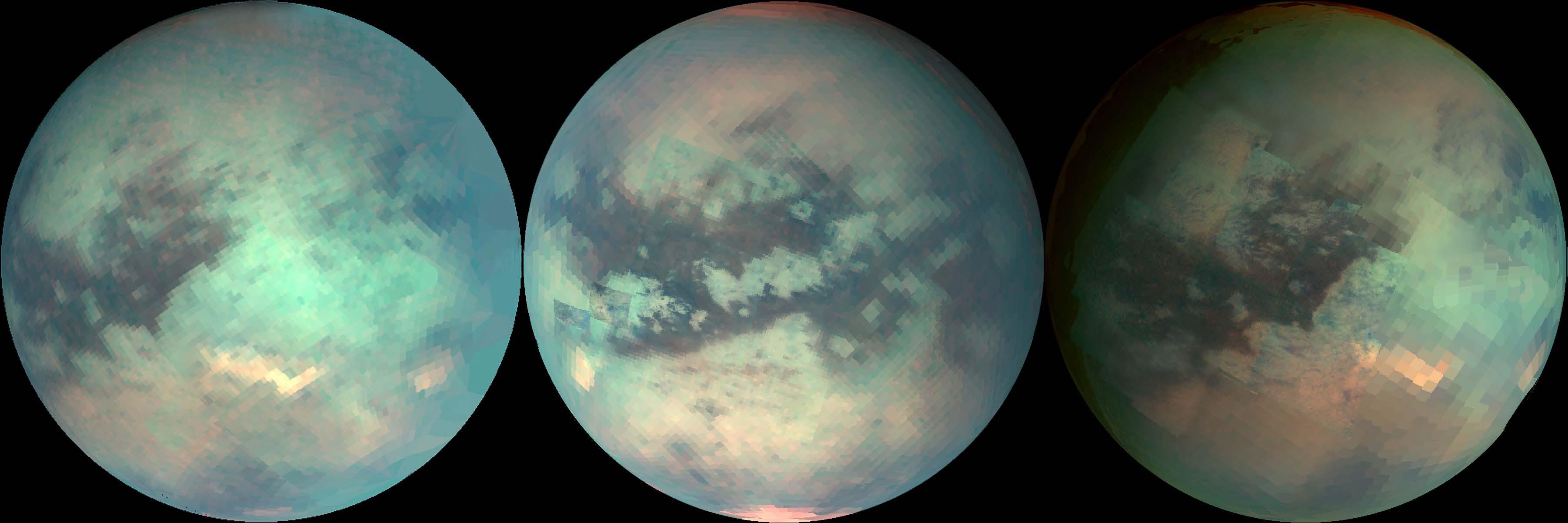
Cassini's Titan T-115 encounter marked the moment the spacecraft stopped looking down and started looking sideways, trading one type of science for another as it entered the final chapter of an iconic mission.
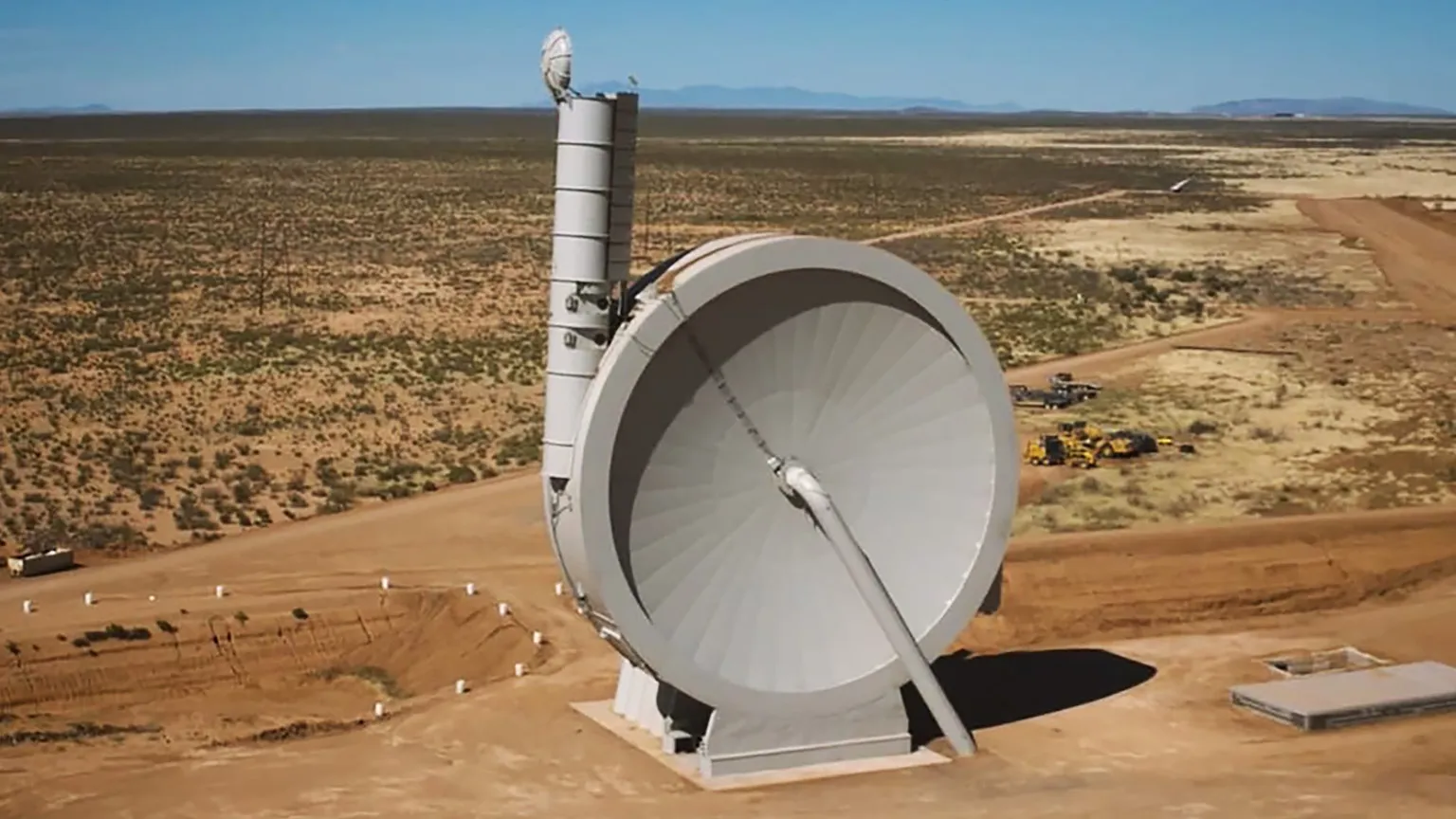
How a California startup's massive centrifuge could transform space access by eliminating rocket fuel, reducing costs by 70%, and enabling daily satellite launches - if it can overcome the physics of scaling from suborbital tests to orbital reality
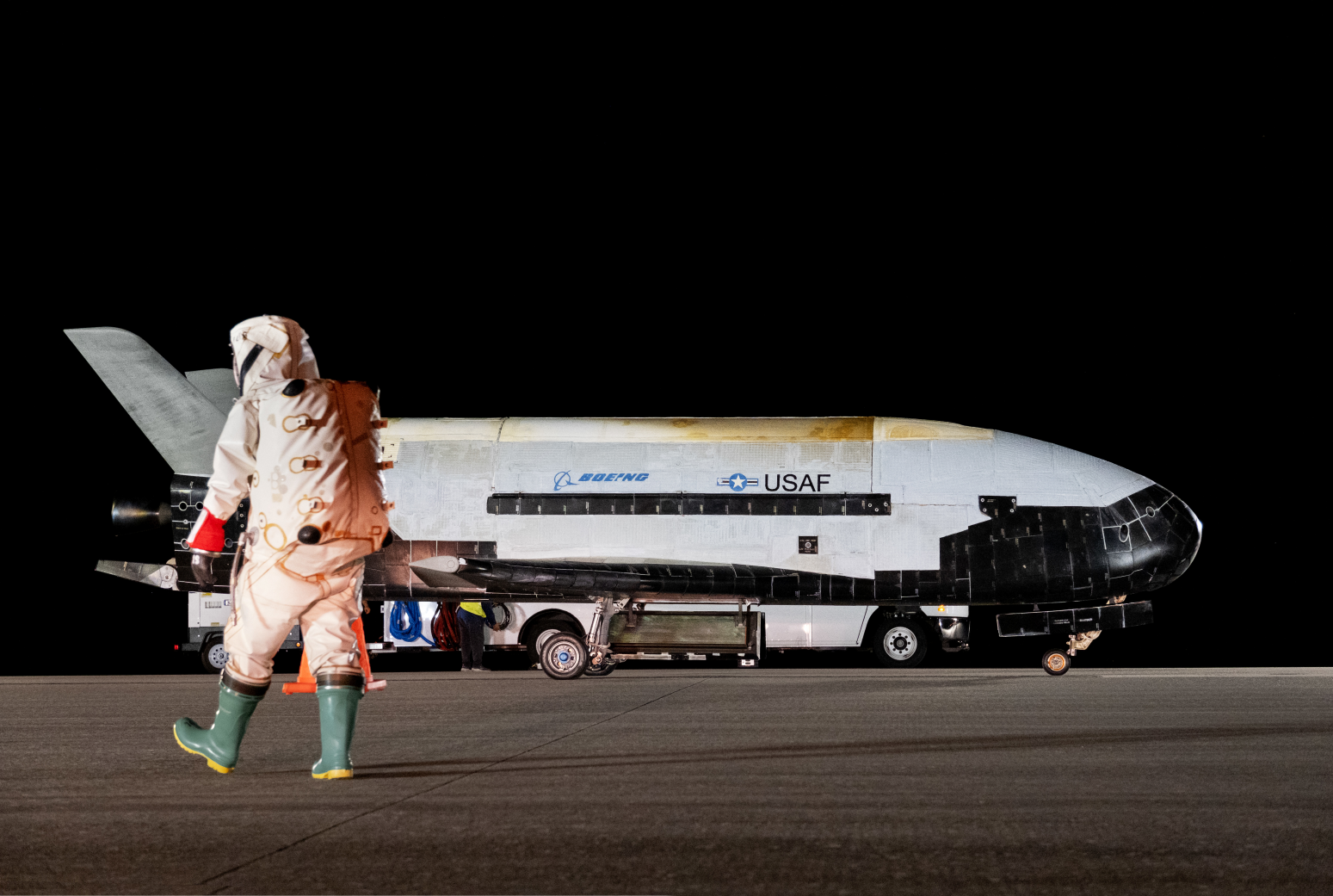
On April 22, 2010, an Atlas V lifted off from Cape Canaveral carrying a reusable robotic spaceplane so secret that the Air Force would not even confirm its mission duration. It came back 224 days later, lighter, quieter, and more operational than anyone outside Washington had expected. Fifteen years later, the X-37B is still flying, and the military still will not say what it does.
Today we explore defense-driven shifts in satellite operations amid geopolitical tensions and innovative projects pushing the boundaries of space technology.