


X Report 30 Apr 2025
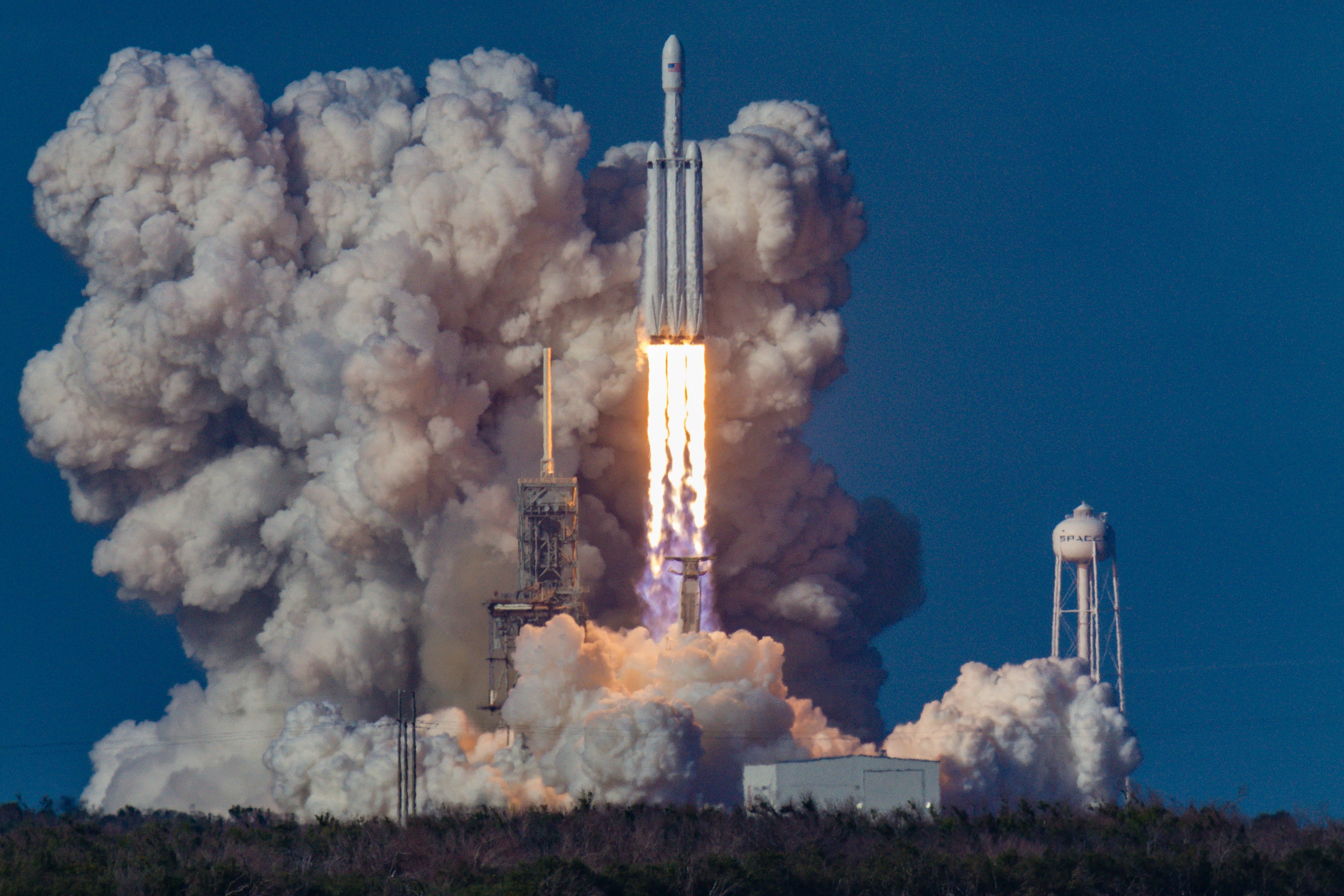
SpaceX achieves a remarkable milestone with its 50th Falcon 9 launch of 2025, while Starlink continues to expand, facing competition from China's megaconstellation efforts.


Launch Date
December 7, 1976
Launch Site
PLMSC
Launch Pad
LC132/1
Launch Vehicle
Kosmos 11K65M
NORAD ID
09592
International Designator
1976-118E
Epoch
Sat, 04 Jul 2026 04:25:12 GMT
Apogee
Calculating...
Perigee
Calculating...
Inclination
74.03°
Right Ascension
149.55°
Eccentricity
Calculating...
Argument of Perigee
66.75°
Period
114.88 min
Mean Motion
12.54 rev/day
Latitude
Calculating...
Longitude
Calculating...
Altitude
Calculating...
Velocity
Calculating...
Name
COSMOS 875
Alternative Name
Kosmos-875
Type
Status
Owner
GUKOSR
Country
USSR
Constellation
N/A
Related Satellites
Major Events
N/A
1 09592U 76118E 26185.18417076 -.00000006 00000-0 61761-4 0 9996
2 09592 74.0294 149.5487 0017009 66.7504 304.4818 12.53519787268233
Source: Celestrak
Apologies, there is no summary for this satellite yet. I am working to generate these for every object in the catalog, but it is going to take time.
Length
0.8
Diameter
0.8
Span
0.8
Dry Mass
60
Launch Mass
60
Shape
Poly
Radar Cross Section
0.6704
Visual Magnitude
Unknown
Color
Unknown
Material Composition
Unknown
Payload
Strela-1M Blok 16 No. 5
Purpose
Military Communication
Mission
Military Communication
Manufacturer
OKB10
Life Expectancy
6 months
Bus
Strela-1 11F625
Configuration
Unknown
Motor
Unknown
Equipment
Unknown
Power System
Solar cells, batteries
ADCS
Unknown
Transmitter Frequency
Unknown
Learn more about satellites and other related topics.
SpaceX achieves a remarkable milestone with its 50th Falcon 9 launch of 2025, while Starlink continues to expand, facing competition from China's megaconstellation efforts.
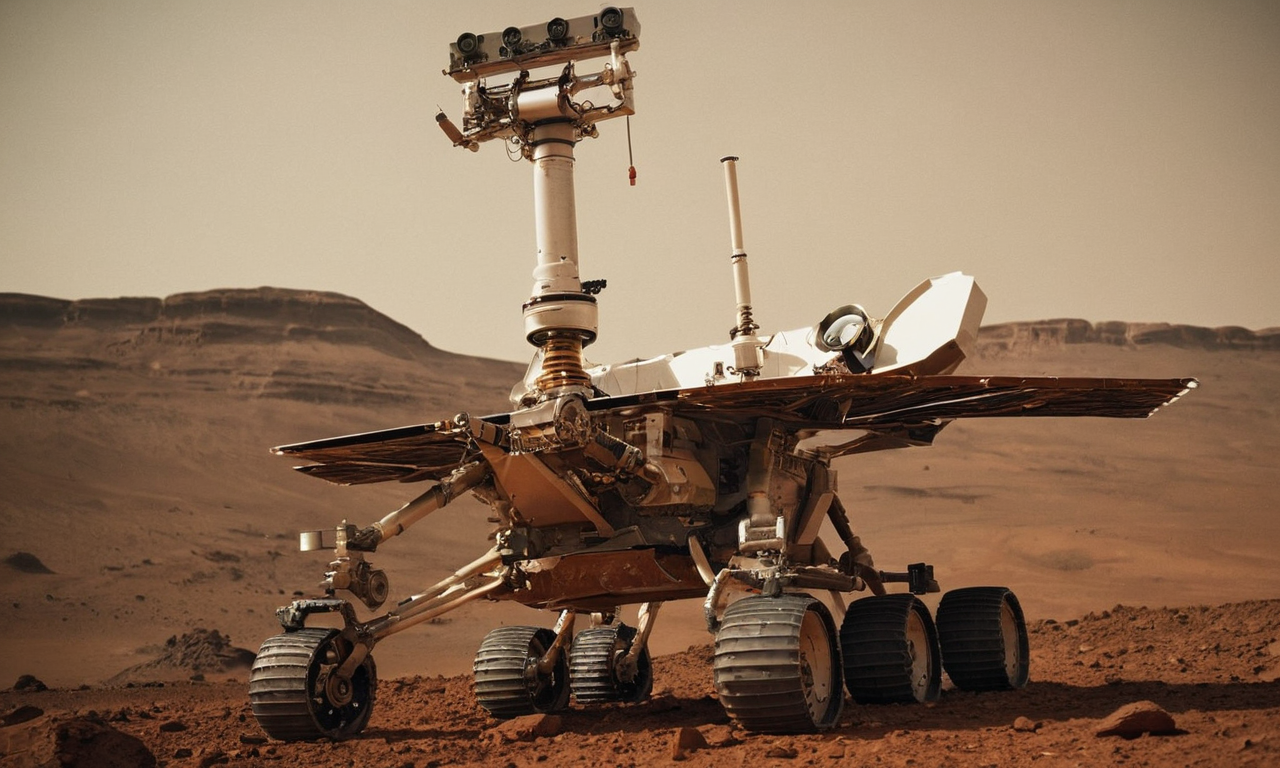
Twenty-one years ago, a golf cart-sized rover bounced to a stop inside a small crater on Mars, beginning one of the most remarkable chapters in space exploration history
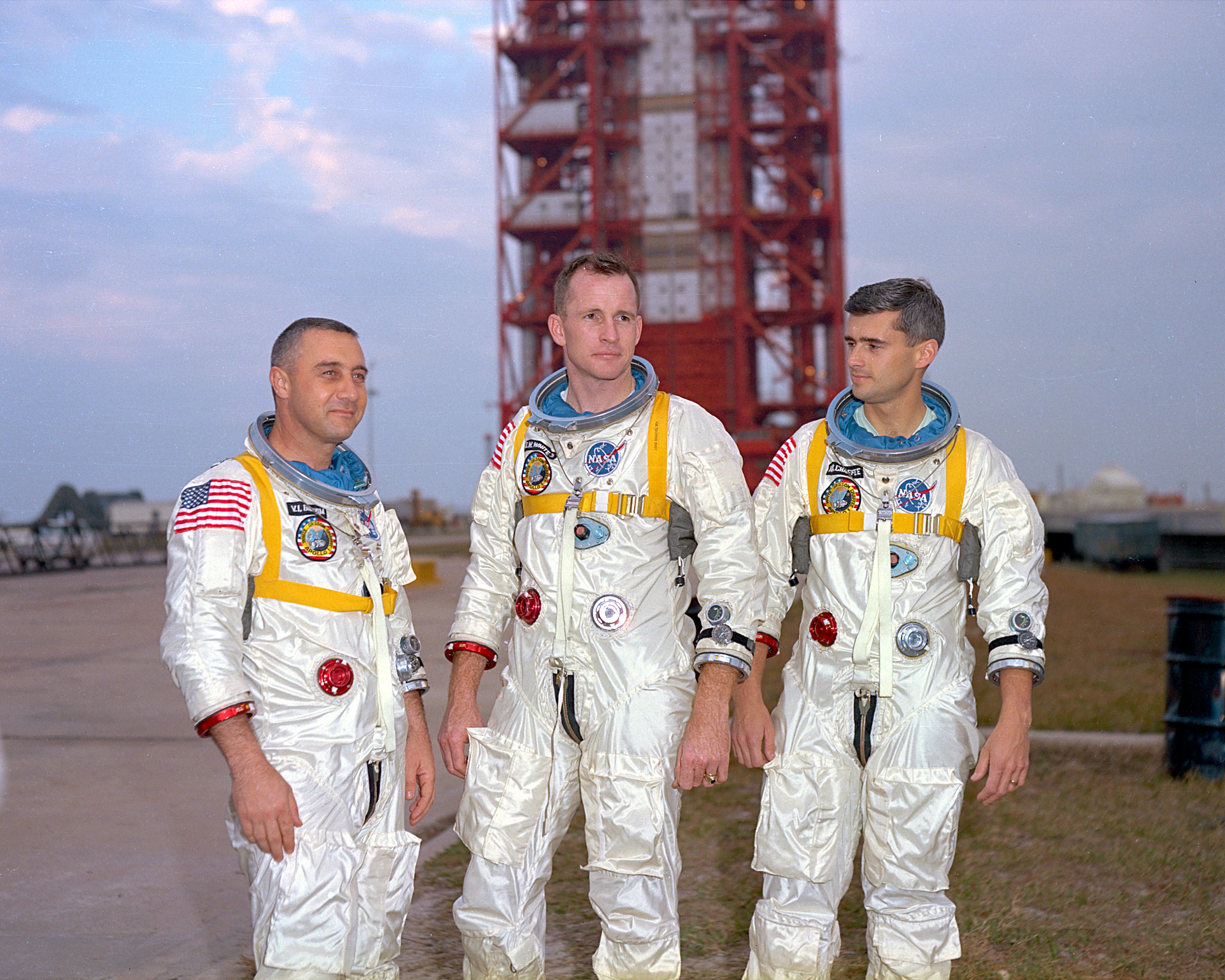
Fifty-eight years ago, a tragic fire during a routine test transformed spacecraft design and created the foundation of modern spaceflight safety culture
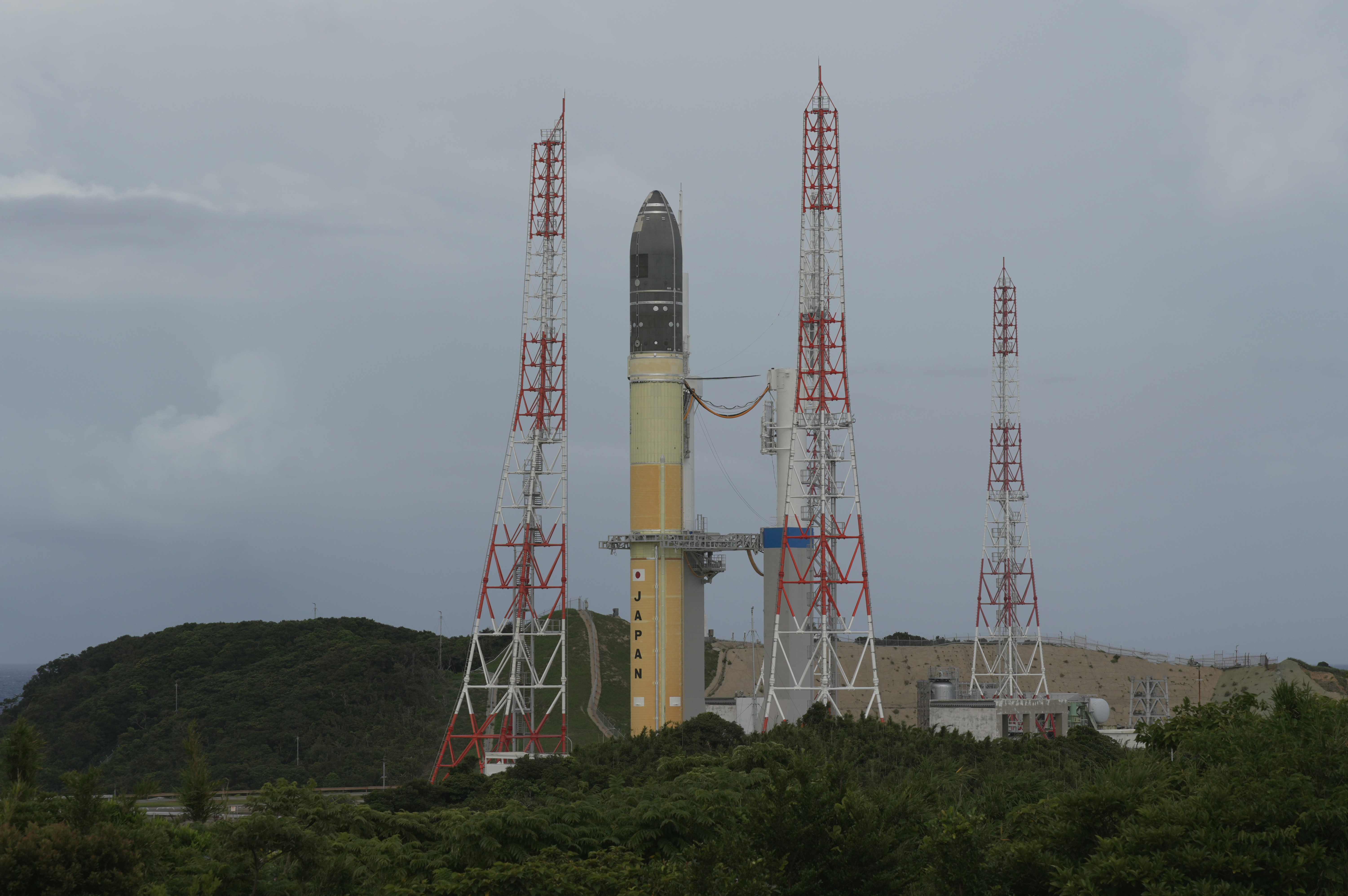
NASA demands Blue Origin find alternate launcher for Artemis moon landers after New Glenn test explosion damaged Cape Canaveral LC-36. Schedule risk to lunar missions.
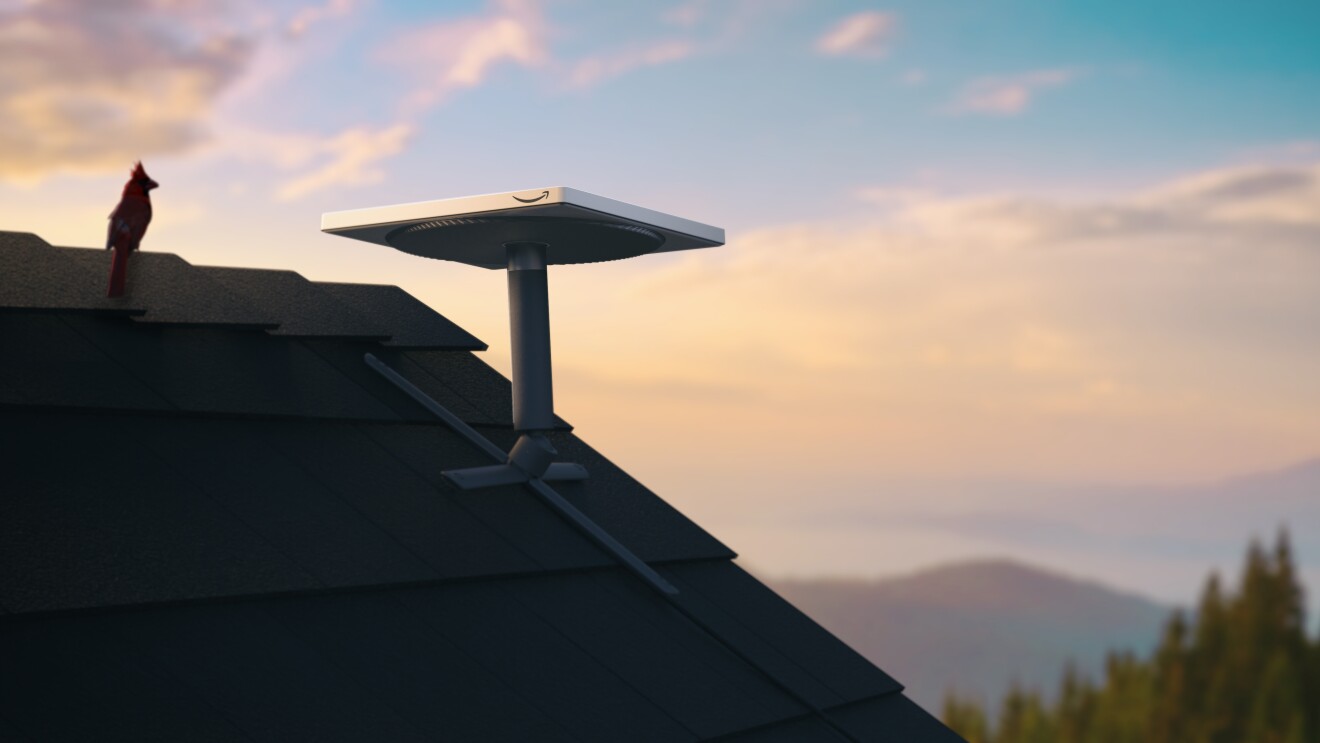
NASA's Artemis II launches 4 astronauts on lunar flyby April 1. Soyuz-5 inaugural flight confirmed for April 3. Space warfare doctrines shift toward agentic AI for faster decision loops.
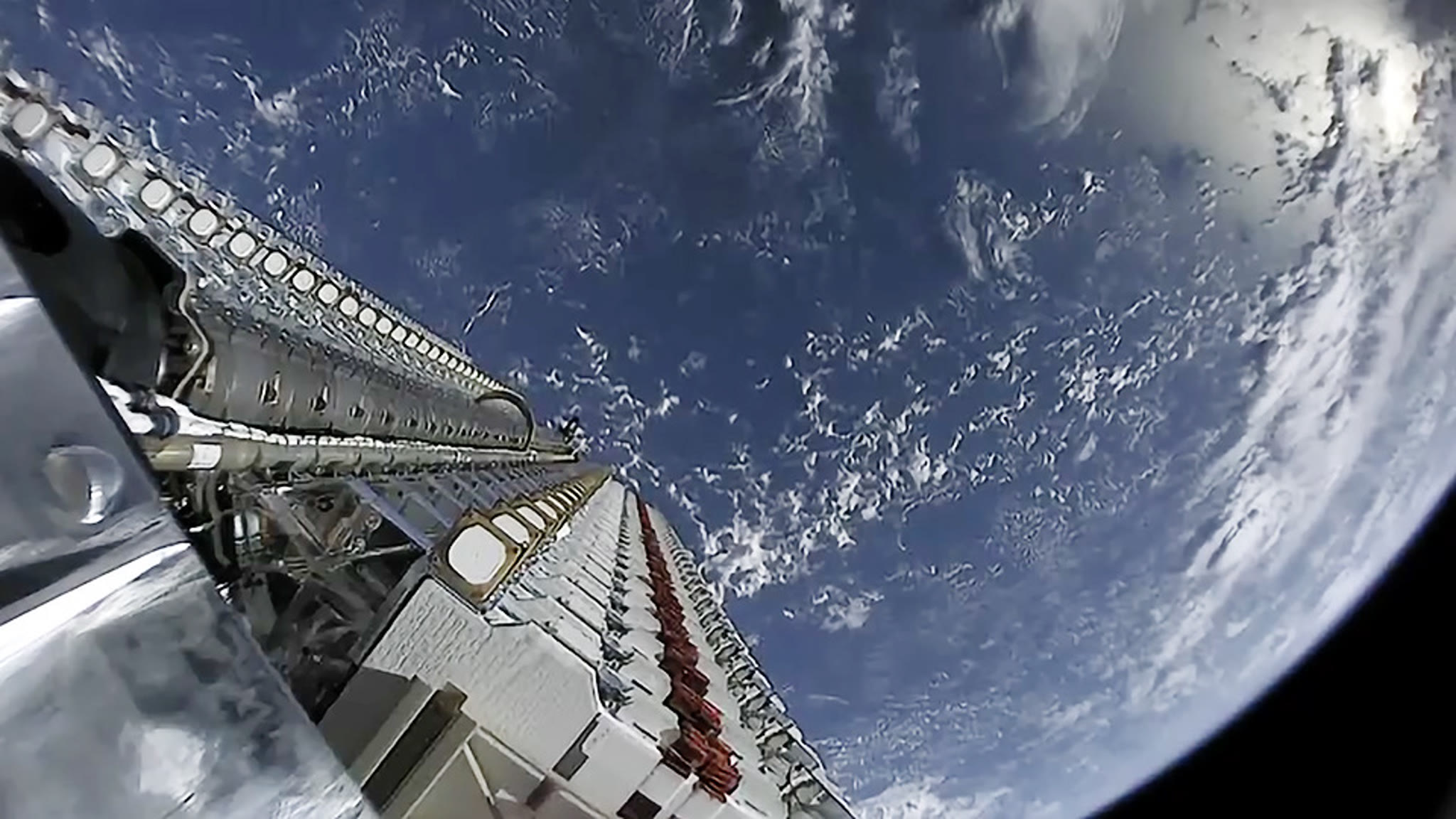
Starlink satellites fired their thrusters to dodge a collision roughly 300,000 times in 2025, about 822 times a day. Behind that number is a fragile, half-automated system of warnings, probabilities, and judgment calls that decides which close approaches are worth a maneuver and which are just noise.
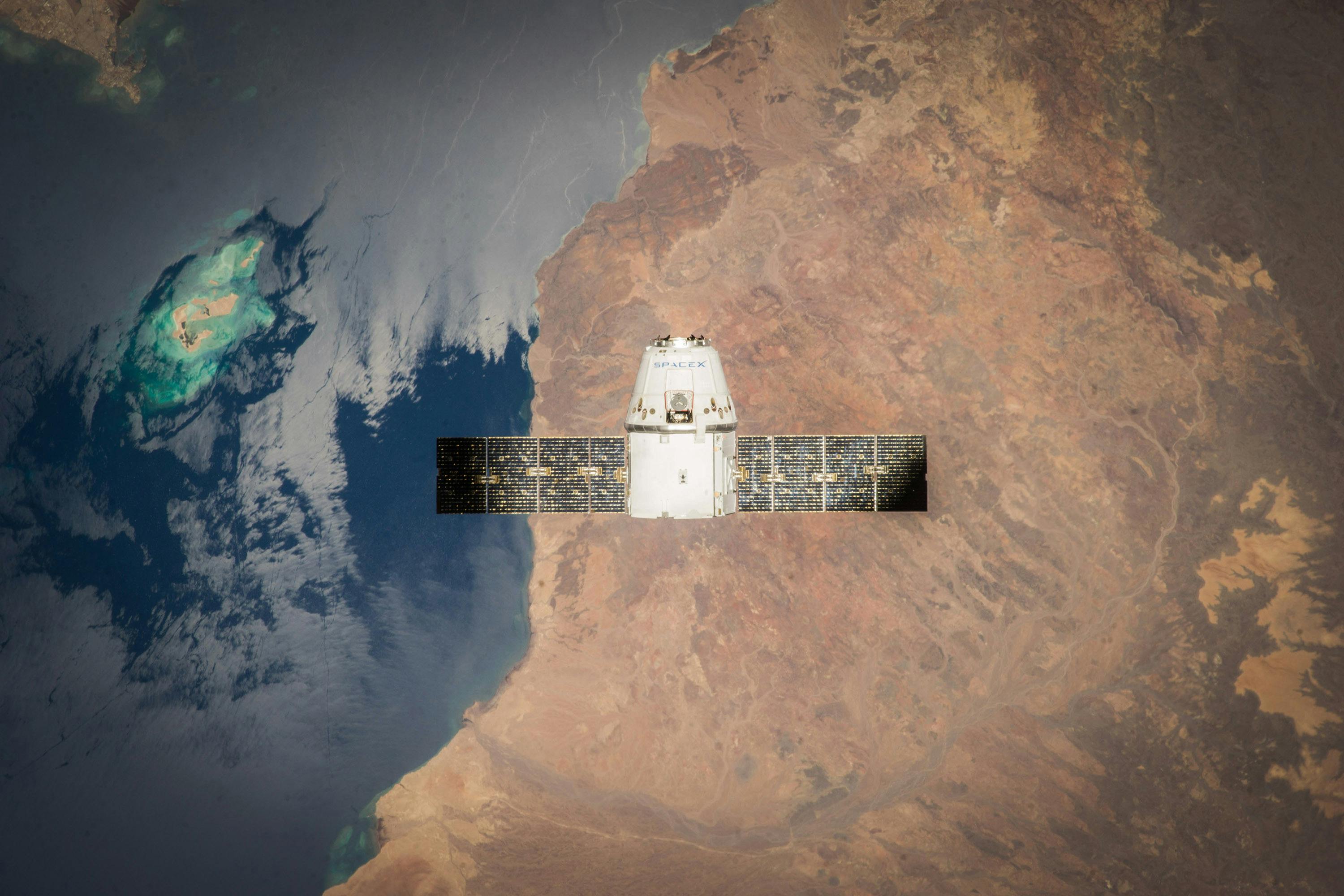
SpaceX sees another successful Starlink launch and faces strategic contract discussions as NASA pivots to reliable Dragon missions.

On April 22, 2026, the FAA published a final rule implementing per-launch user fees for commercial space transportation — the first time the U.S. government has charged payload-based fees for rocket launches. Starting at 25 cents per pound with a $30,000 cap, the fees are modest today. By 2033, they won't be.