


X Report 23 Aug 2025
This week's highlights include the successful launch of the X-37B spaceplane and the deployment of 24 new Starlink satellites, alongside preparations for the upcoming Starship Flight 10.


Launch Date
October 15, 1976
Launch Site
PLMSC
Launch Pad
LC43/3
Launch Vehicle
Vostok 8A92M
NORAD ID
09481
International Designator
1976-102A
Epoch
Fri, 03 Jul 2026 23:55:49 GMT
Apogee
Calculating...
Perigee
Calculating...
Inclination
81.22°
Right Ascension
28.00°
Eccentricity
Calculating...
Argument of Perigee
219.94°
Period
102.10 min
Mean Motion
14.10 rev/day
Latitude
Calculating...
Longitude
Calculating...
Altitude
Calculating...
Velocity
Calculating...
Name
METEOR 1-26
Alternative Name
Meteor
Type
Status
Owner
GUKOSR/GMS
Country
USSR
Constellation
N/A
Related Satellites
Major Events
N/A
1 09481U 76102A 26184.99709625 .00000046 00000-0 19089-4 0 9997
2 09481 81.2169 28.0014 0022635 219.9358 140.0149 14.10363529556044
Source: Celestrak
Apologies, there is no summary for this satellite yet. I am working to generate these for every object in the catalog, but it is going to take time.
Length
4.5
Diameter
1.4
Span
4.5
Dry Mass
1280
Launch Mass
1280
Shape
Cyl + 2 Pan
Radar Cross Section
3.7331
Visual Magnitude
Unknown
Color
Unknown
Material Composition
Unknown
Payload
Meteor (M) No. 35L
Purpose
Meteorology
Mission
Meteorology
Manufacturer
VNIEM
Life Expectancy
Unknown
Bus
Meteor
Configuration
Unknown
Motor
Unknown
Equipment
TV, IR, AC
Power System
2 deployable solar arrays, batteries
ADCS
Unknown
Transmitter Frequency
Unknown
Learn more about satellites and other related topics.
This week's highlights include the successful launch of the X-37B spaceplane and the deployment of 24 new Starlink satellites, alongside preparations for the upcoming Starship Flight 10.

Today's brief explores rising investments in space with defense ties, potential Space Force-NRO coordination, and more, offering insight into current military and defense satellite dynamics.

SpaceX hits 77 Falcon 9 launches in 2026 as EchoStar subsidiaries file Chapter 11 and Musk disputes WSJ AI phone claims.
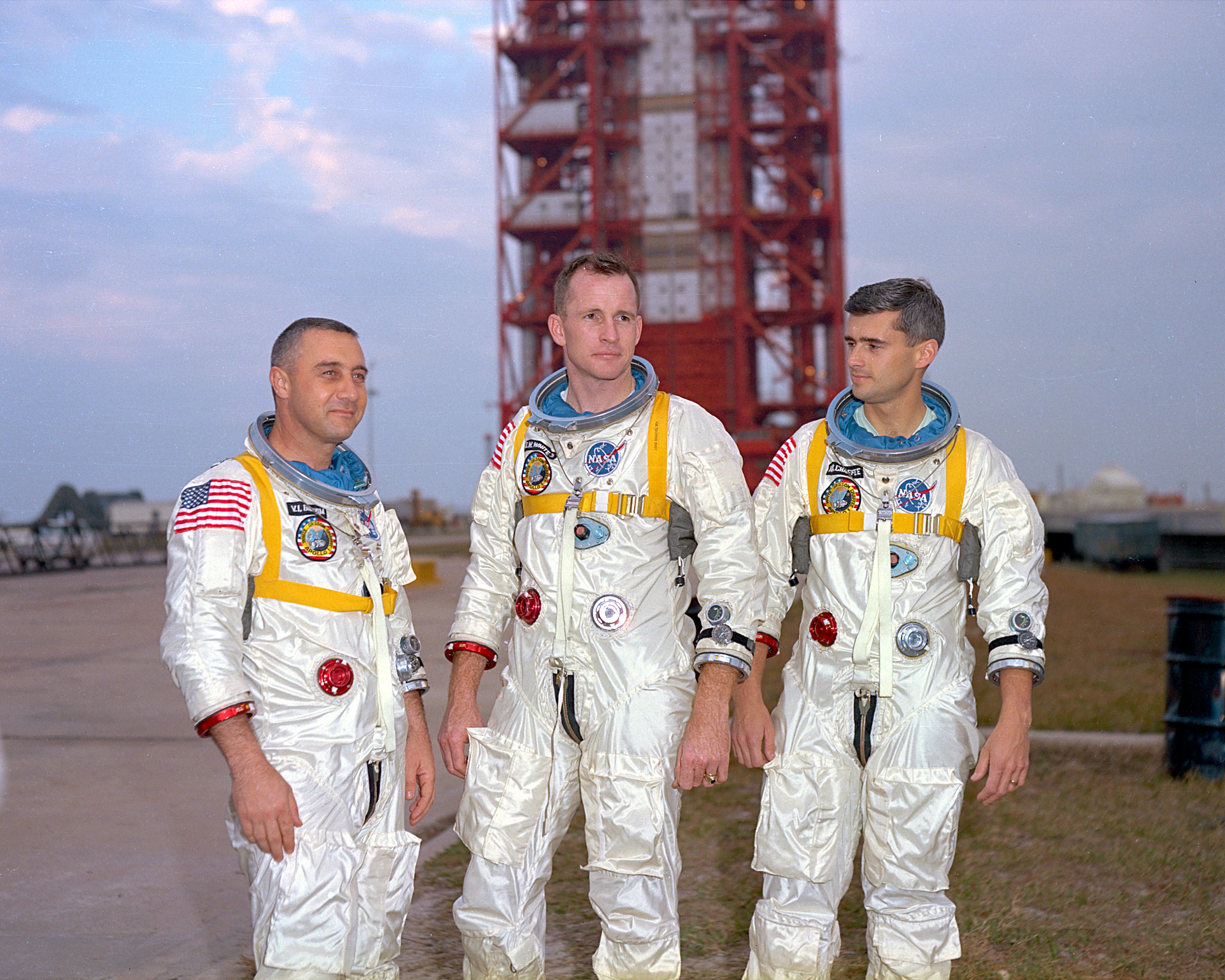
Fifty-eight years ago, a tragic fire during a routine test transformed spacecraft design and created the foundation of modern spaceflight safety culture

FCC approves 7,500 additional Starlink Gen2 satellites. Space Force awards SpaceX $739M for nine national security launches. NASA plans Crew-11 medical evacuation from ISS on January 14.
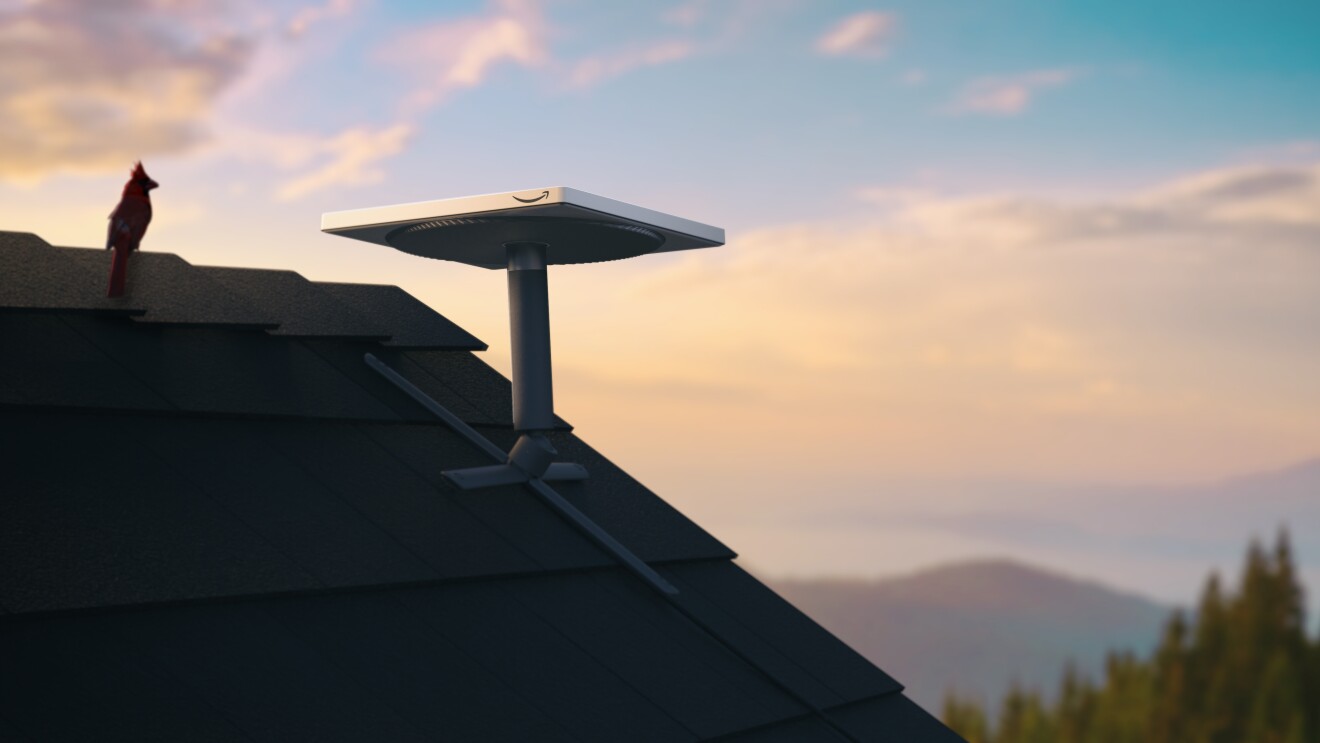
Today's brief highlights significant advancements in satellite launches, new defense contracts, and technological integrations between major firms in the space sector.

Today's brief highlights the impact of military spending and technology competition on the space economy, new satellite connectivity partnerships, and defense spending pledges in Europe.
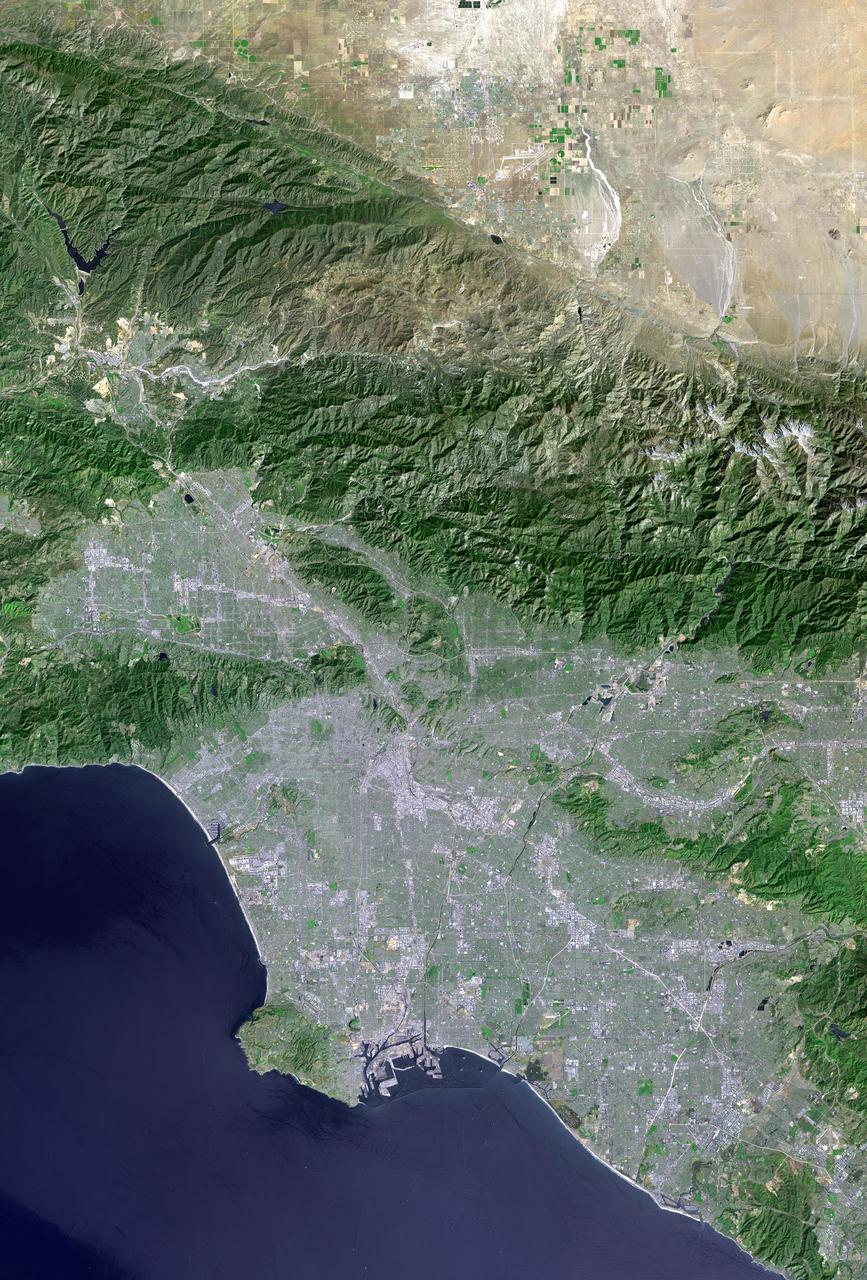
Landsat 7 launched on April 15, 1999, designed to last five years. It operated for twenty-five, survived a failure that destroyed a fifth of every image it took, and became part of the longest continuous record of Earth's surface ever assembled. Then they made the data free.