

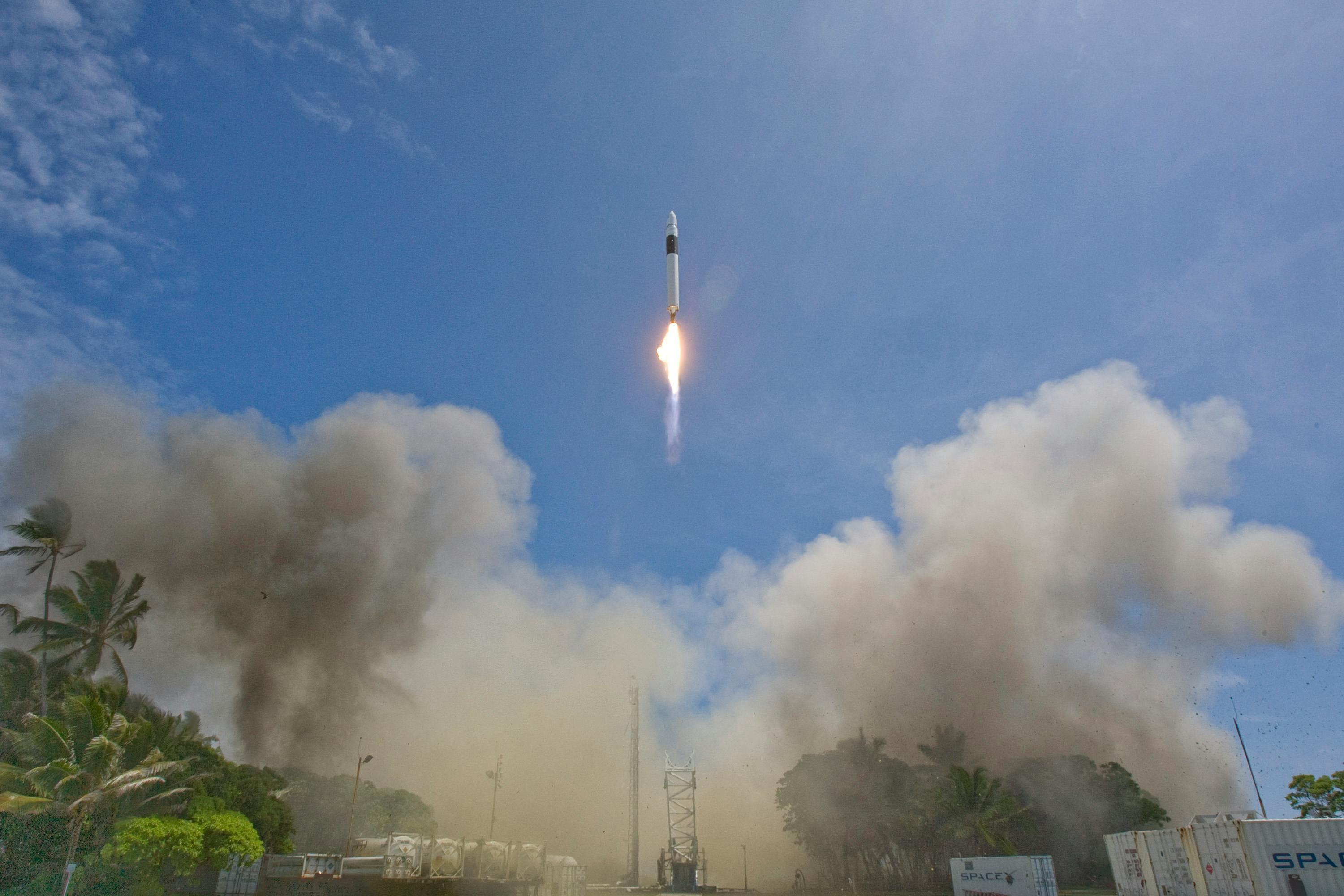
Falcon 9 Lofts 46 Payloads Including CAS500-2 | KeepTrack X Report
SpaceX's third rideshare mission of 2026 delivered South Korea's CAS500-2 imager and 45 secondary payloads to Sun-synchronous orbit on Falcon 9.


Launch Date
September 21, 1976
Launch Site
PLMSC
Launch Pad
LC43/3
Launch Vehicle
Soyuz-U
NORAD ID
09446
International Designator
1976-095D
Decay Date
10/8/1976
Name
COSMOS 855 DEB
Alternative Name
KB electropitaniya
Type
Status
Owner
GUKOSR
Country
USSR
Constellation
N/A
Related Satellites
Major Events
N/A
Length
1
Diameter
1.8
Span
1.8
Dry Mass
630
Launch Mass
630
Shape
Cyl
Radar Cross Section
Unknown
Visual Magnitude
Unknown
Color
Unknown
Material Composition
Unknown
Payload
KBE
Purpose
Unknown
Mission
Unknown
Manufacturer
TSSKB
Life Expectancy
Unknown
Bus
Zenit KBE
Configuration
Unknown
Motor
Unknown
Equipment
Unknown
Power System
Unknown
ADCS
Unknown
Transmitter Frequency
Unknown
Learn more about satellites and other related topics.
SpaceX's third rideshare mission of 2026 delivered South Korea's CAS500-2 imager and 45 secondary payloads to Sun-synchronous orbit on Falcon 9.
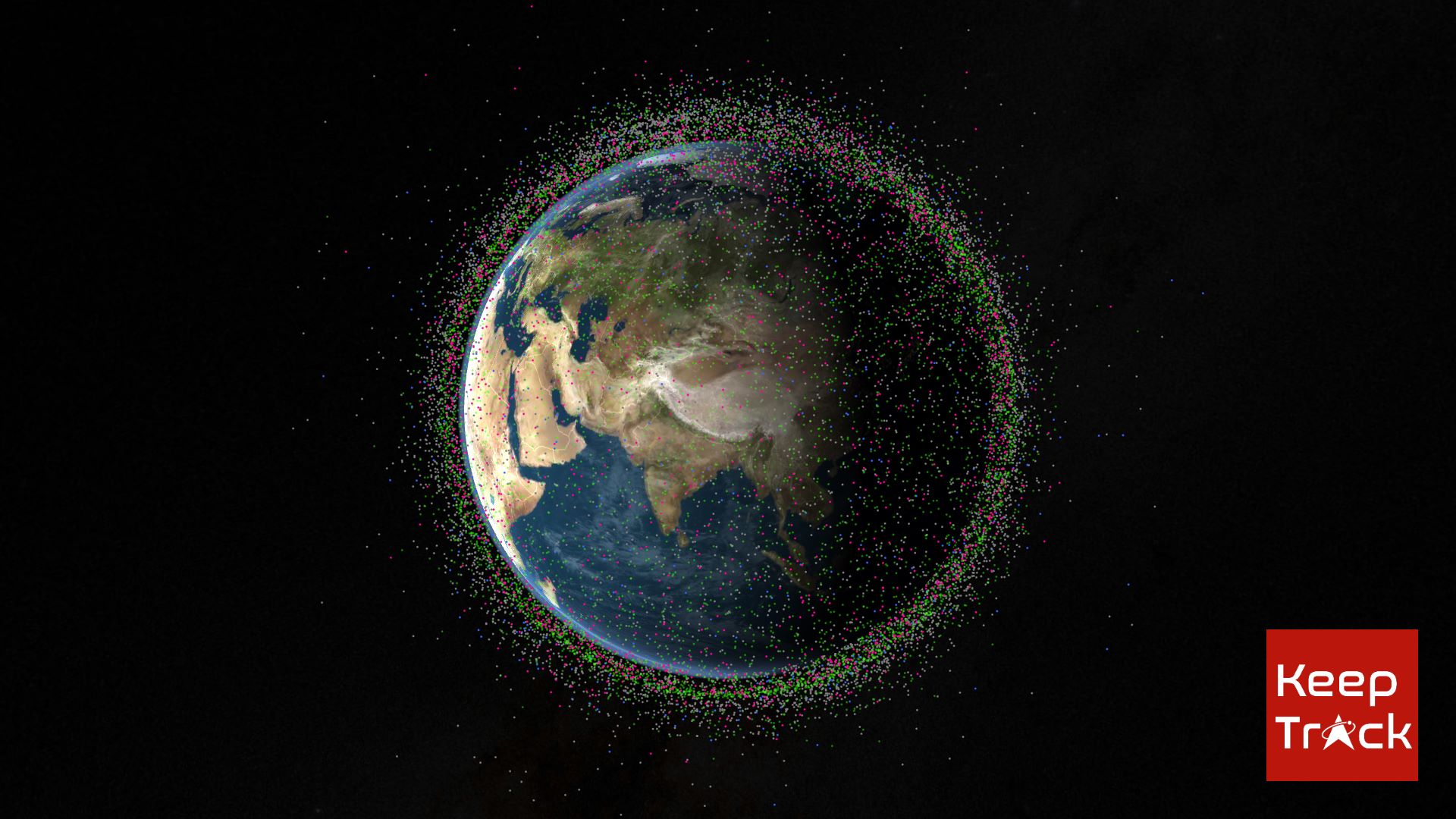
The bustling downtown of space: where most satellites operate, communication networks bloom, and the challenges of atmospheric drag and radiation shape our approach to space operations
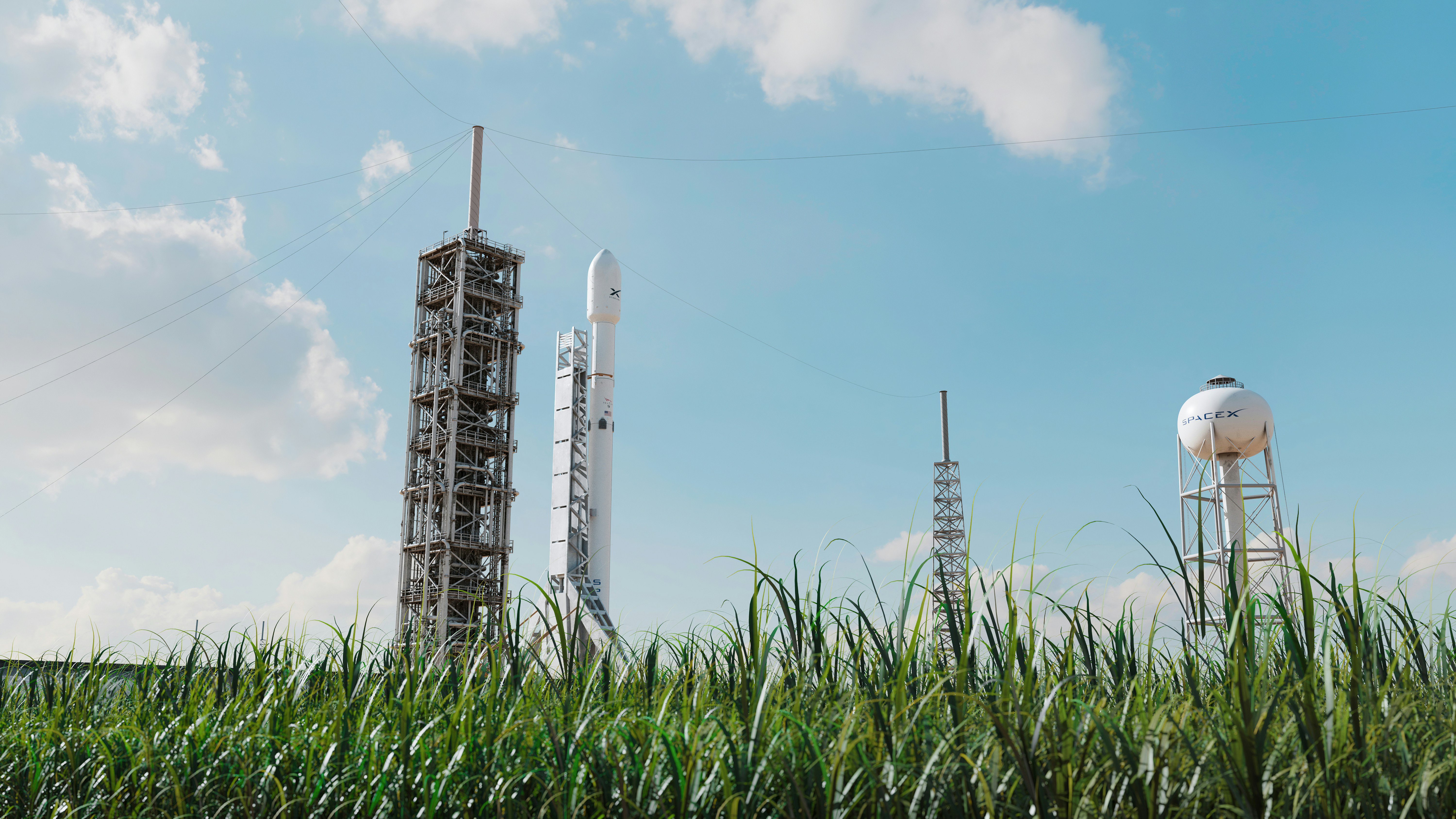
SpaceX embraces community support during Hurricane Melissa while advancing its Starbase infrastructure and launching more Starlink satellites.

Today's brief focuses on Blue Origin's scrubbed New Glenn launch, SpaceX's reusability milestone, and a warning from the US Air Force about China's advancements in space capabilities. We're also highlighting a key satellite in orbit.
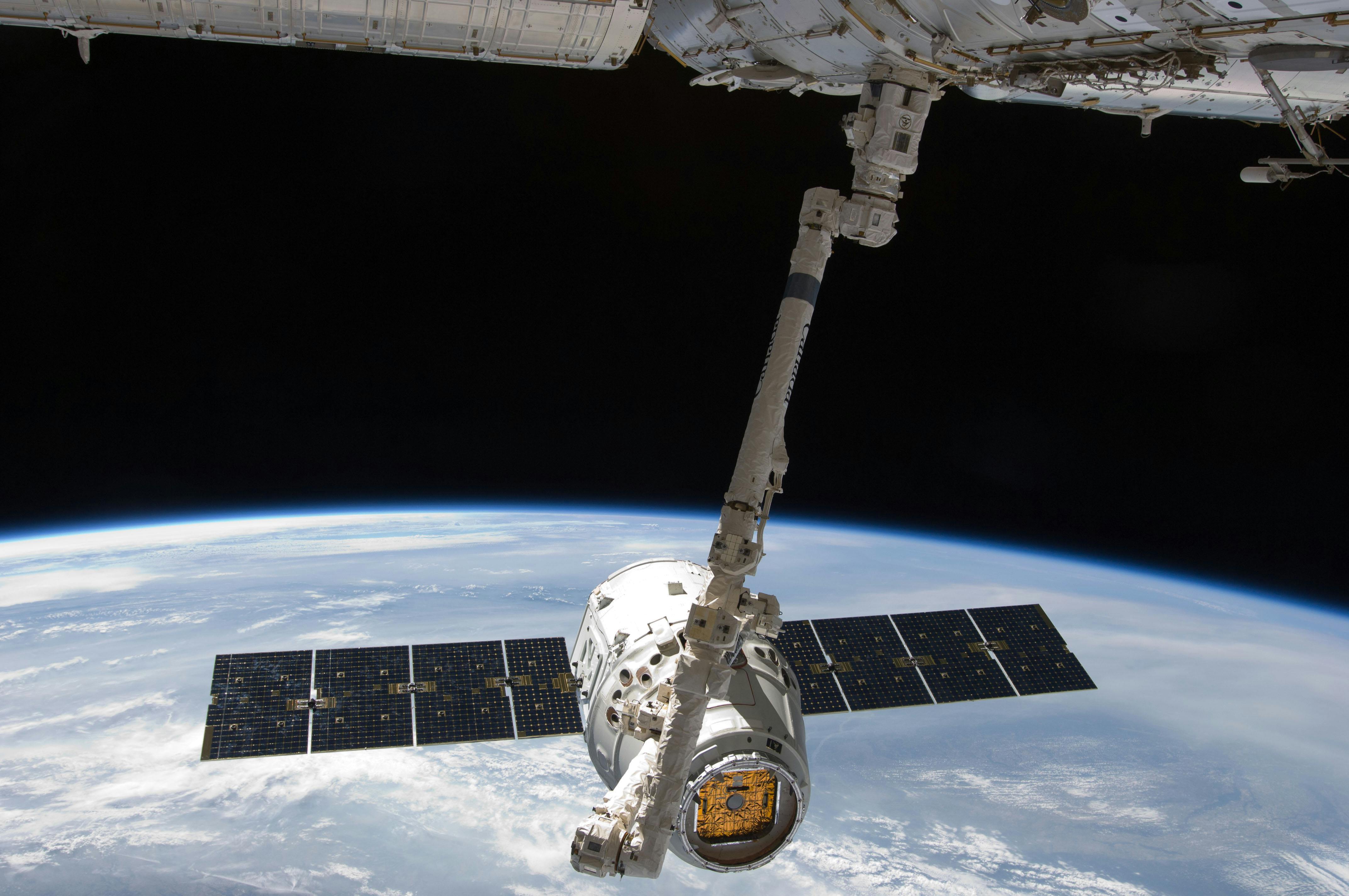
SpaceX Starfall reentry capsule debuted June 23: the 2,100 kg disk launched on a Falcon 9 from Cape Canaveral to demo cargo return from orbit.
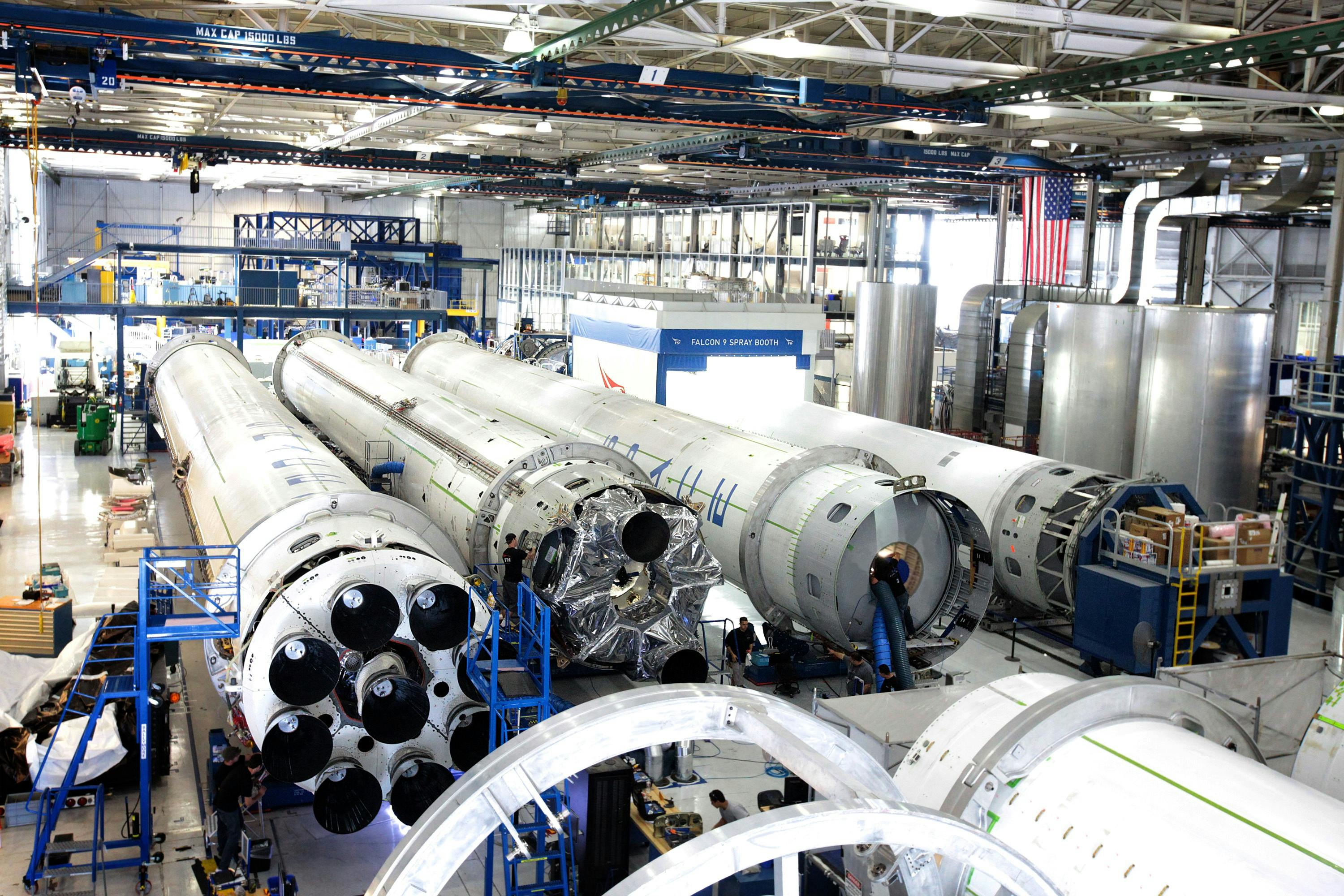
SpaceX prepares for Starship Flight 8 with successful booster static fire; Starlink continues its expansion.

ULA launches the final Atlas 5 551 configuration—its heaviest variant with 5 solid boosters—carrying Amazon's Project Kuiper satellite to low Earth orbit from Cape Canaveral.

Today's brief covers advances in satellite docking technology, challenges faced by space companies with government navigation, and China's leap in space autonomy through AI developments.