


X Report 5 Jun 2025
SpaceX celebrates significant milestones with its 500th Falcon launch and the continued expansion of Starlink connectivity.


Launch Date
November 30, 1964
Launch Site
Launch Pad
LC1
Launch Vehicle
Molniya 8K78
NORAD ID
00943
International Designator
1964-078A
Decay Date
12/1/1964
Name
SL-6 R/B
Alternative Name
Molniya 8K78 (N22) Blok-I
Type
Status
Owner
RVSN
Country
USSR
Constellation
N/A
Related Satellites
Major Events
N/A
Length
9.4
Diameter
2.7
Span
9.4
Dry Mass
2000
Launch Mass
2000
Shape
Cyl
Radar Cross Section
Unknown
Visual Magnitude
Unknown
Color
Unknown
Material Composition
Unknown
Payload
8K78I
Purpose
Unknown
Mission
Unknown
Manufacturer
PROG
Life Expectancy
Unknown
Bus
Blok-I
Configuration
Unknown
Motor
Unknown
Equipment
Unknown
Power System
Unknown
ADCS
Unknown
Transmitter Frequency
Unknown
Learn more about satellites and other related topics.
SpaceX celebrates significant milestones with its 500th Falcon launch and the continued expansion of Starlink connectivity.

Today’s brief covers the delayed launch of Australia's first orbital rocket, China's reusability programs, and the snow-enforced shutdown of a Chilean radio telescope.

Today's Space Brief covers the latest developments in space debris detection, Ursa Major's defense push, and SpaceX's Starlink launch. Additionally, insights into microreactors for military bases, US Cyber Command updates, and gravitational wave discoveries are highlighted.

NRO awards three commercial data contracts and explores vetting satellite firms for airborne target tracking via U.S. Space Force. Strategic expansion of GEOINT capabilities.
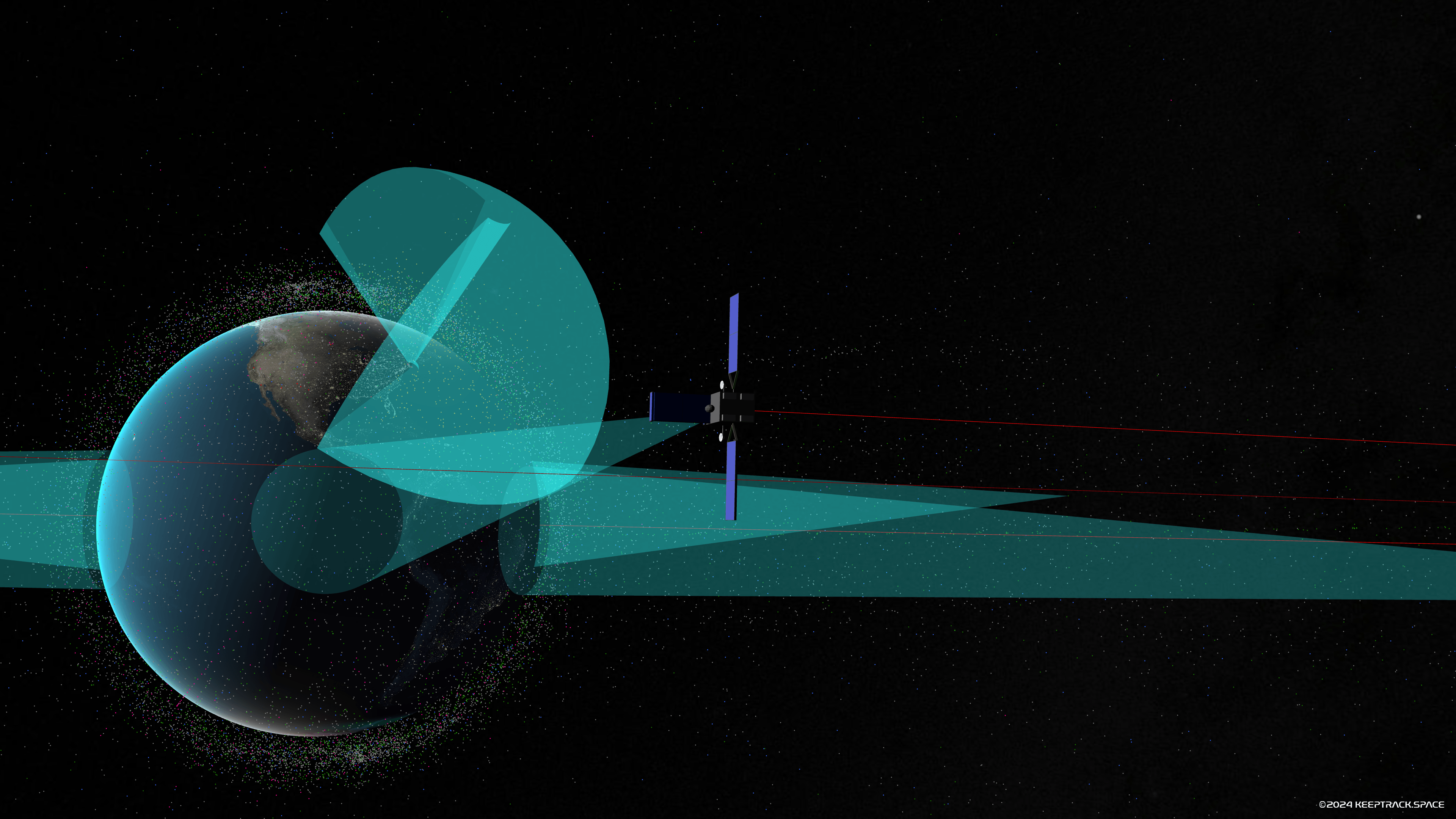
The latest update introduces 3D satellite FOV cones, advanced sensor capabilities, and enhanced timelines, improving the way users interact with satellite data.
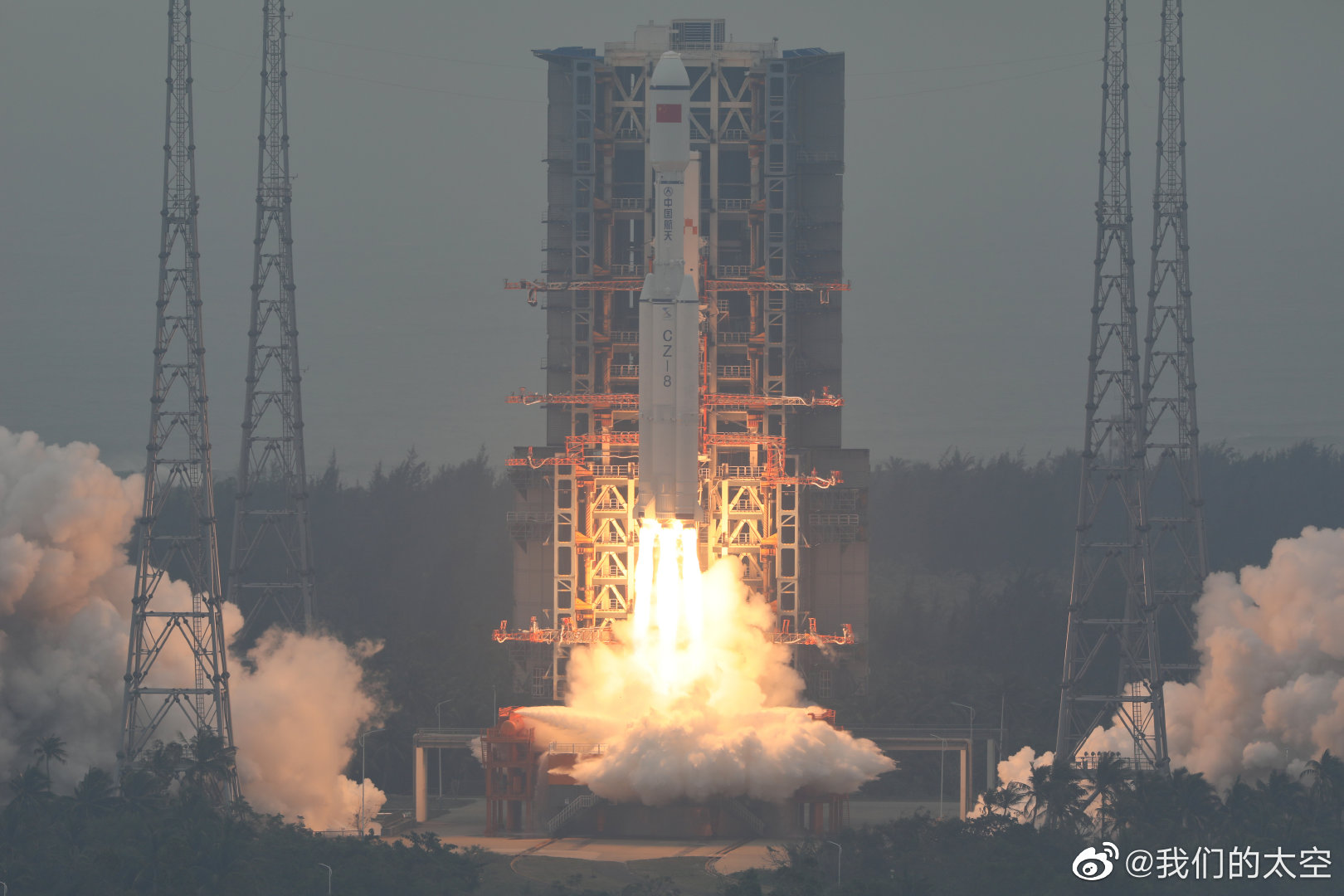
New Glenn rocket exploded hours after U.S. Space Force and NRO awarded Blue Origin a national security launch task order. Stand-down and mishap investigation expected.
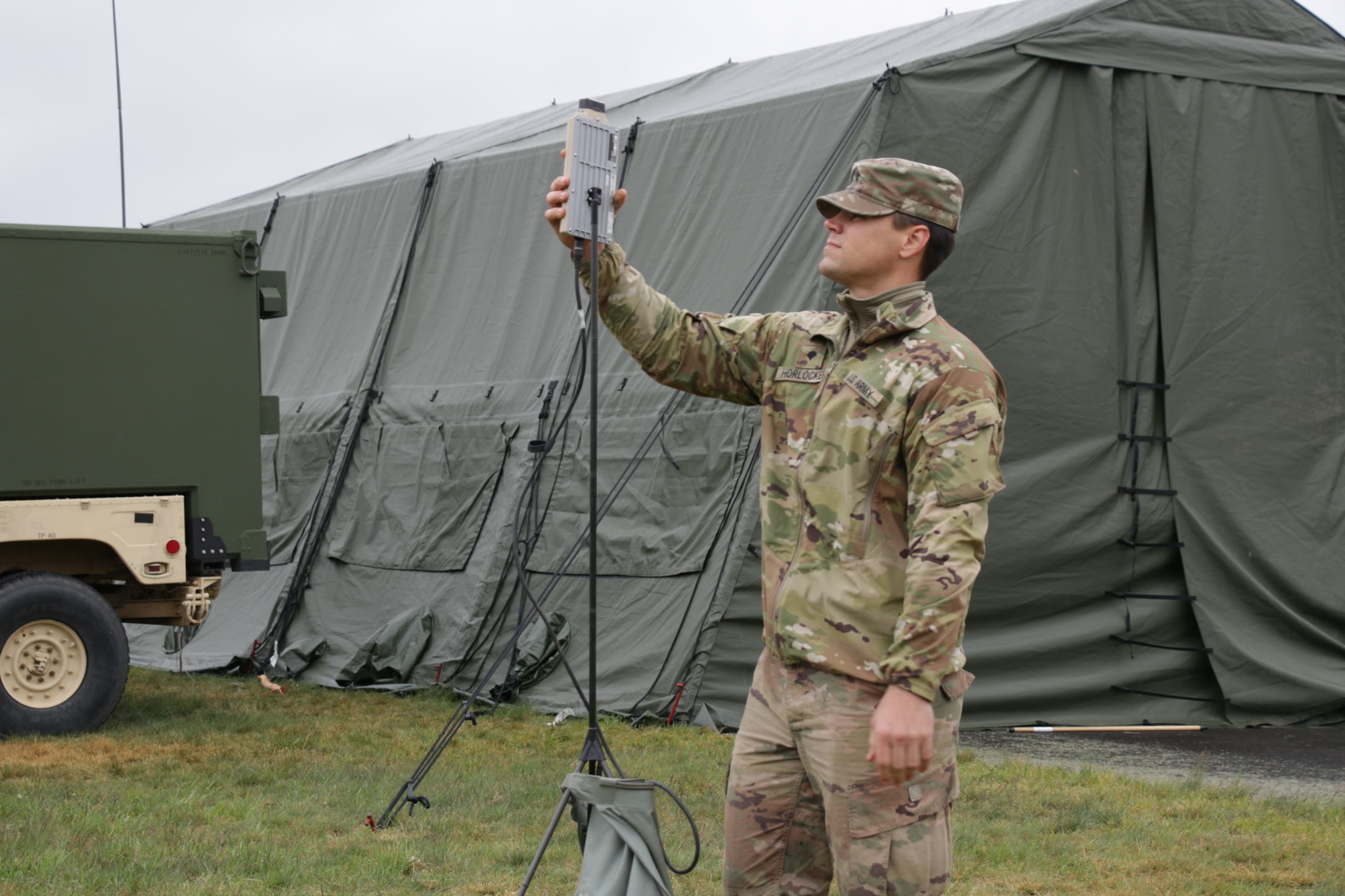
Russia's Volna Kupol Garant electronic warfare system was purpose-built to jam Starlink. It costs around $1.5 million per unit, covers just 20 square kilometers, and can only target one satellite at a time. Ukraine has been finding and destroying them within days of deployment.
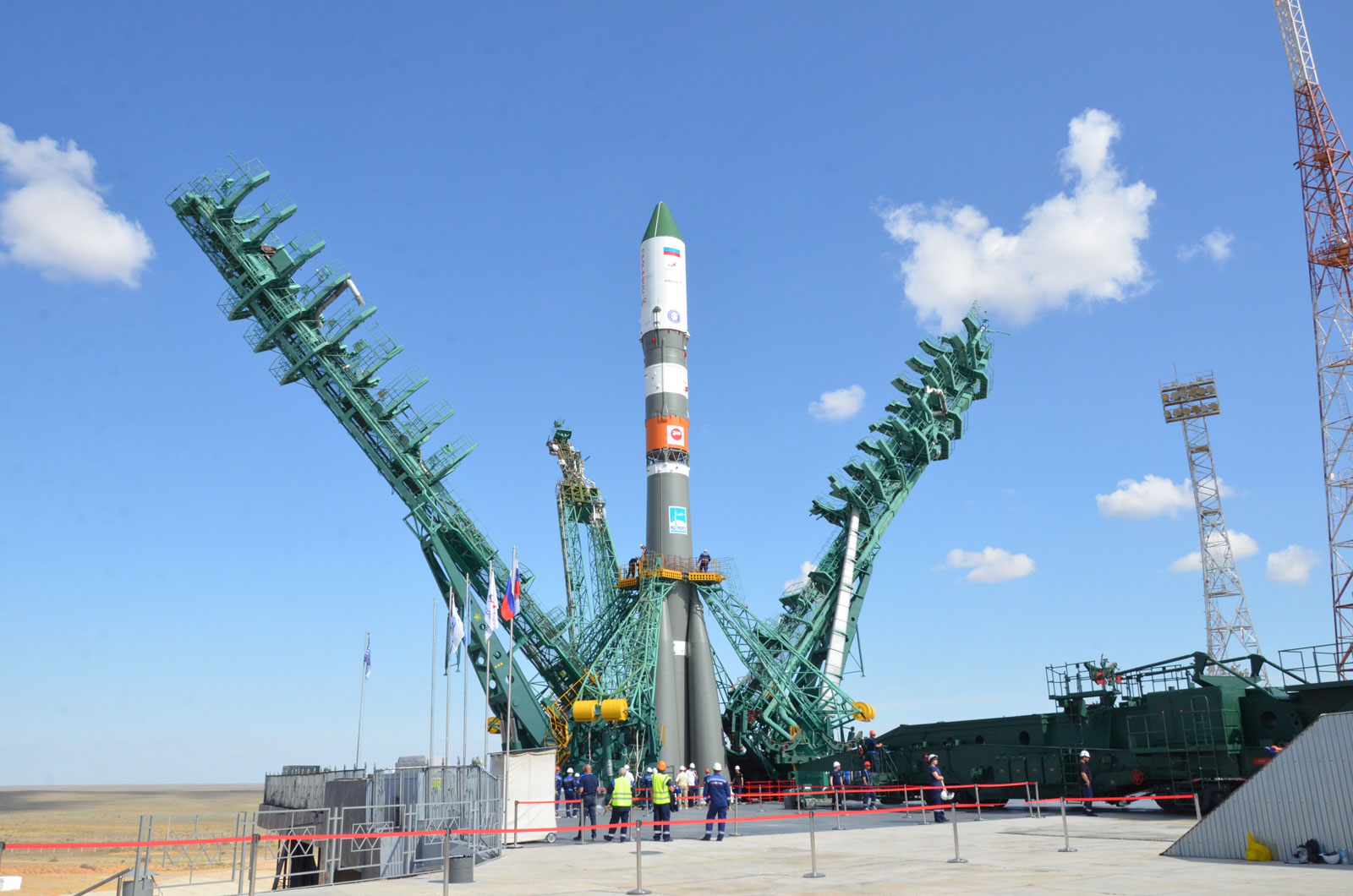
Pentagon increases Golden Dome missile defense budget by $10B to $185B, funding HBTSS hypersonic tracking constellation expansion. Three acceleration priorities announced.