COSMOS 816 DEB (09397)

COSPAR: 1976-037F | Alt Name: Kosmos-816 SS 4
DECAYED

Image
COSMOS 816 DEB Satellite Image
Additional Sources
Launch Details

Launch Date

April 28, 1976

Launch Site

PLMSC

Launch Pad

LC132/1

Launch Vehicle

Kosmos 11K65M

Orbital Elements

NORAD ID

09397

International Designator

1976-037F

Decay Date

9/17/1977

Basic Satellite Info

Name

COSMOS 816 DEB

Alternative Name

Kosmos-816 SS 4

Type

Debris

Status

Space Junk

Owner

PVO

Country

USSR

Constellation

N/A

Related Satellites

Major Events

N/A

Summary
Space debris, also known as space junk, encompasses all non-functional objects orbiting Earth such as defunct satellites, spent rocket stages, and fragments from collisions or disintegrations. Over time, this debris can accumulate and create an increasingly hazardous environment in orbit. Even tiny fragments, traveling at extremely high velocities, can inflict significant damage on operational satellites and spacecraft. If left unmanaged, the density of debris raises the risk of catastrophic collisions and further fragmentation, compounding the problem and threatening the safety and sustainability of space activities.
Physical Characteristics

Length

0.2

Diameter

0.2

Span

0.2

Dry Mass

5

Launch Mass

5

Shape

Sphere

Radar Cross Section

Unknown

Visual Magnitude

Unknown

Color

Unknown

Material Composition

Unknown

Technical Details

Payload

ESO

Purpose

Unknown

Mission

Unknown

Manufacturer

YUZH

Life Expectancy

Unknown

Bus

ESO

Configuration

Unknown

Motor

Unknown

Equipment

Unknown

Power System

Unknown

ADCS

Unknown

Transmitter Frequency

Unknown

Satellite Articles

View All Posts »

Learn more about satellites and other related topics.

Space Force Modernizes Networks Across 14 Bases, SDA Expands $3.5B Satellite Program | KeepTrack Space Brief

Space Force Modernizes Networks Across 14 Bases, SDA Expands $3.5B Satellite Program | KeepTrack Space Brief

Space Force initiates cybersecurity network upgrades across 14 bases. SDA expands $3.5B Tracking Layer with 72 new satellites. SpaceX and China drive record orbital launches in 2025.

The Day Two Astronauts Proved We Could Reach the Moon

The Day Two Astronauts Proved We Could Reach the Moon

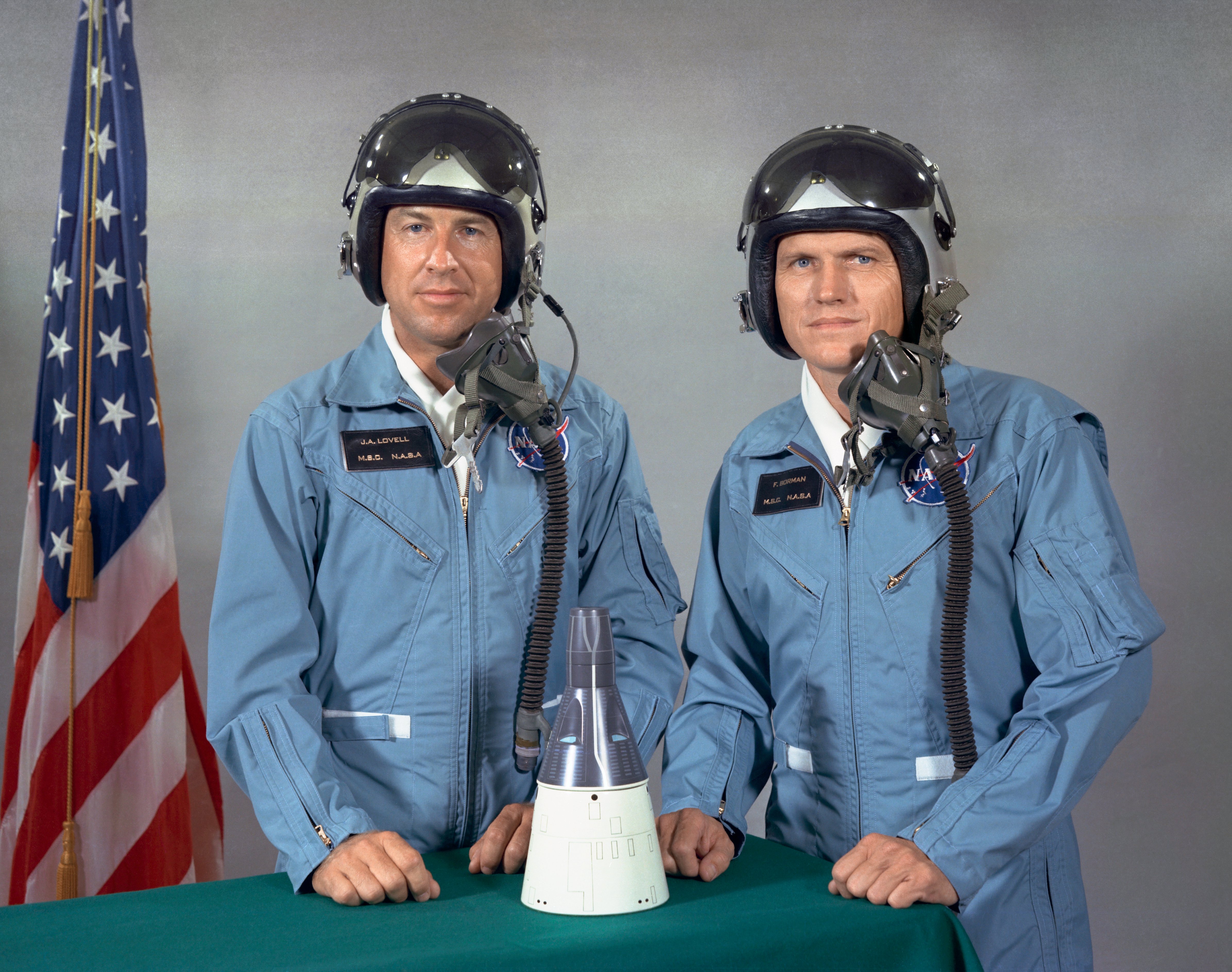
Sixty years ago, Frank Borman and James Lovell launched aboard Gemini 7 for a grueling 14-day mission that would prove humans could endure the journey to the moon and achieve the first true rendezvous in space

X Report 16 Sep 2025

X Report 16 Sep 2025

SpaceX continues to make headlines with successful launches and advancements in satellite technology. Notably, a Falcon 9 rocket delivered an upgraded Cygnus spacecraft to the ISS amid a busy launch schedule this week.

The Day Superpowers Shared Space

The Day Superpowers Shared Space

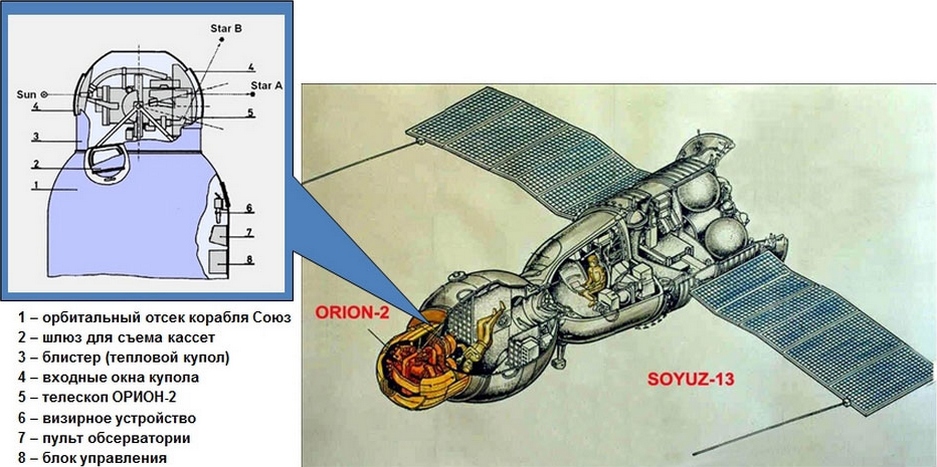
Exactly 52 years ago today, the Soviet Union launched Soyuz 13 - a scientific mission that marked the first time American astronauts and Soviet cosmonauts orbited Earth simultaneously. Armed with a revolutionary ultraviolet telescope, Pyotr Klimuk and Valentin Lebedev would discover elements never before seen in distant nebulae.

Space Brief 3 Dec 2025

Space Brief 3 Dec 2025

Today's brief covers the integration of commercial and military space capabilities, a notable change in Crew 12 mission, advancements in digital training for space operations, and more.

Space Brief 14 Apr 2025

Space Brief 14 Apr 2025

Today's highlights include SpaceX's record-breaking Falcon launches, urgent warnings about orbital collisions, and a doubleheader launch featuring spy and Starlink satellites.

X Report 11 Aug 2025

X Report 11 Aug 2025

Severe weather conditions disrupt the launch of Amazon’s Project Kuiper satellites, highlighting ongoing challenges in satellite deployment amidst increasing competition in the space industry.

SpaceX Lofts 45 Payloads Including Korean CAS500-2 | KeepTrack X Report

SpaceX Lofts 45 Payloads Including Korean CAS500-2 | KeepTrack X Report

SpaceX's Falcon 9 rideshare lifted 45 satellites including South Korea's CAS500-2 Earth observer from Vandenberg at 0700 UTC May 3.