


Space Brief 1 Nov 2025
Today's brief covers the future of military space operations, ESA's potential defense role, significant developments in satellite communications, and SpaceX's response to Artemis 3 comments.


Launch Date
July 22, 1976
Launch Site
PLMSC
Launch Pad
Unknown
Launch Vehicle
Unknown
NORAD ID
09126
International Designator
N/A
Decay Date
8/2/1976
Name
COSMOS 844 DEB
Alternative Name
deb Kosmos-844
Type
Status
Owner
TSSKB
Country
USSR
Constellation
N/A
Related Satellites
Major Events
N/A
Length
0
Diameter
0
Span
0
Dry Mass
0
Launch Mass
0
Shape
N/A
Radar Cross Section
Unknown
Visual Magnitude
Unknown
Color
Unknown
Material Composition
Unknown
Payload
Unknown
Purpose
Unknown
Mission
Unknown
Manufacturer
Unknown
Life Expectancy
Unknown
Bus
Unknown
Configuration
Unknown
Motor
Unknown
Equipment
Unknown
Power System
Unknown
ADCS
Unknown
Transmitter Frequency
Unknown
Learn more about satellites and other related topics.
Today's brief covers the future of military space operations, ESA's potential defense role, significant developments in satellite communications, and SpaceX's response to Artemis 3 comments.
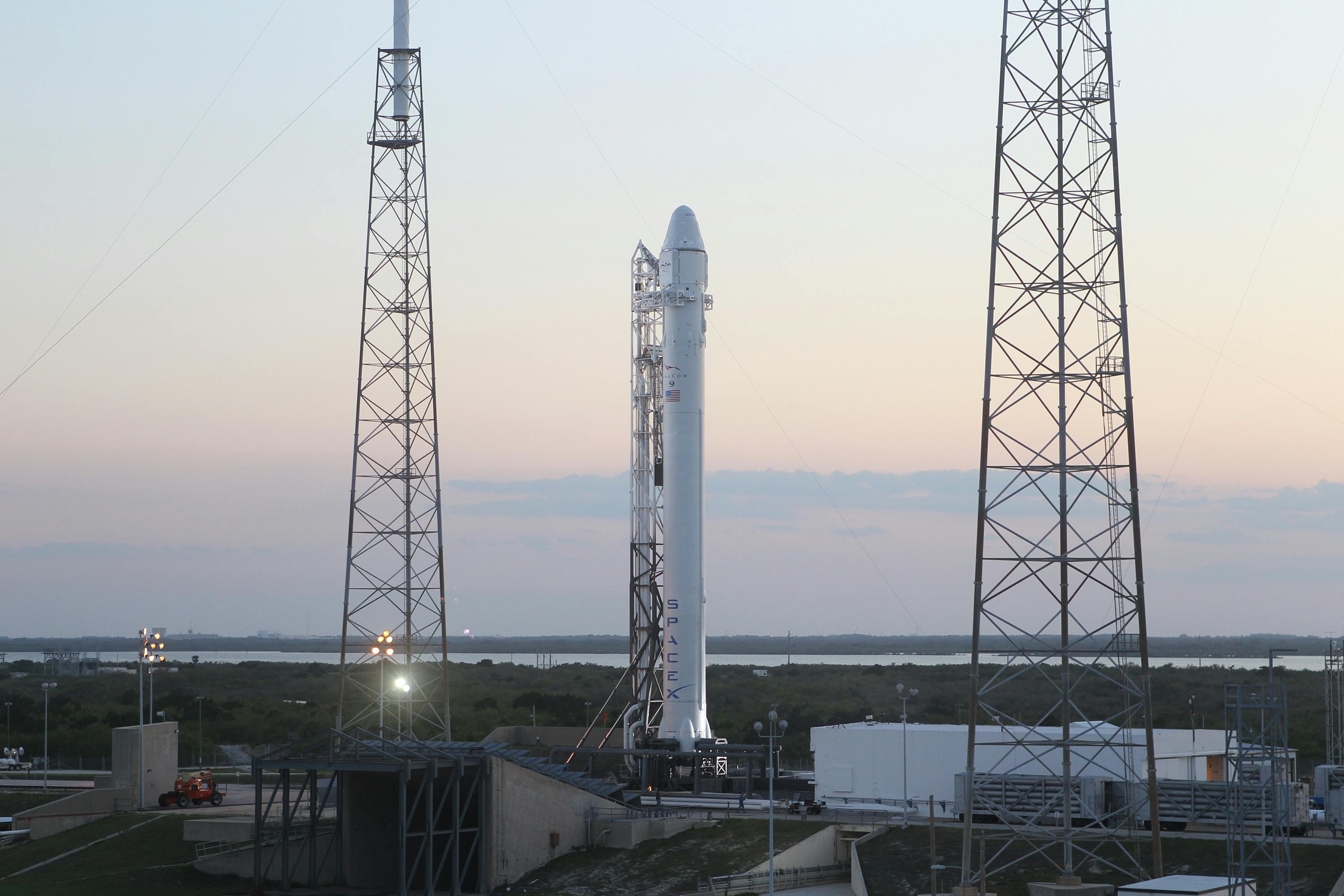
Exciting advancements from SpaceX as Starshield satellites prepare for launch, Starship Flight 7 faces a short delay, and new Starlink satellites enter orbit.
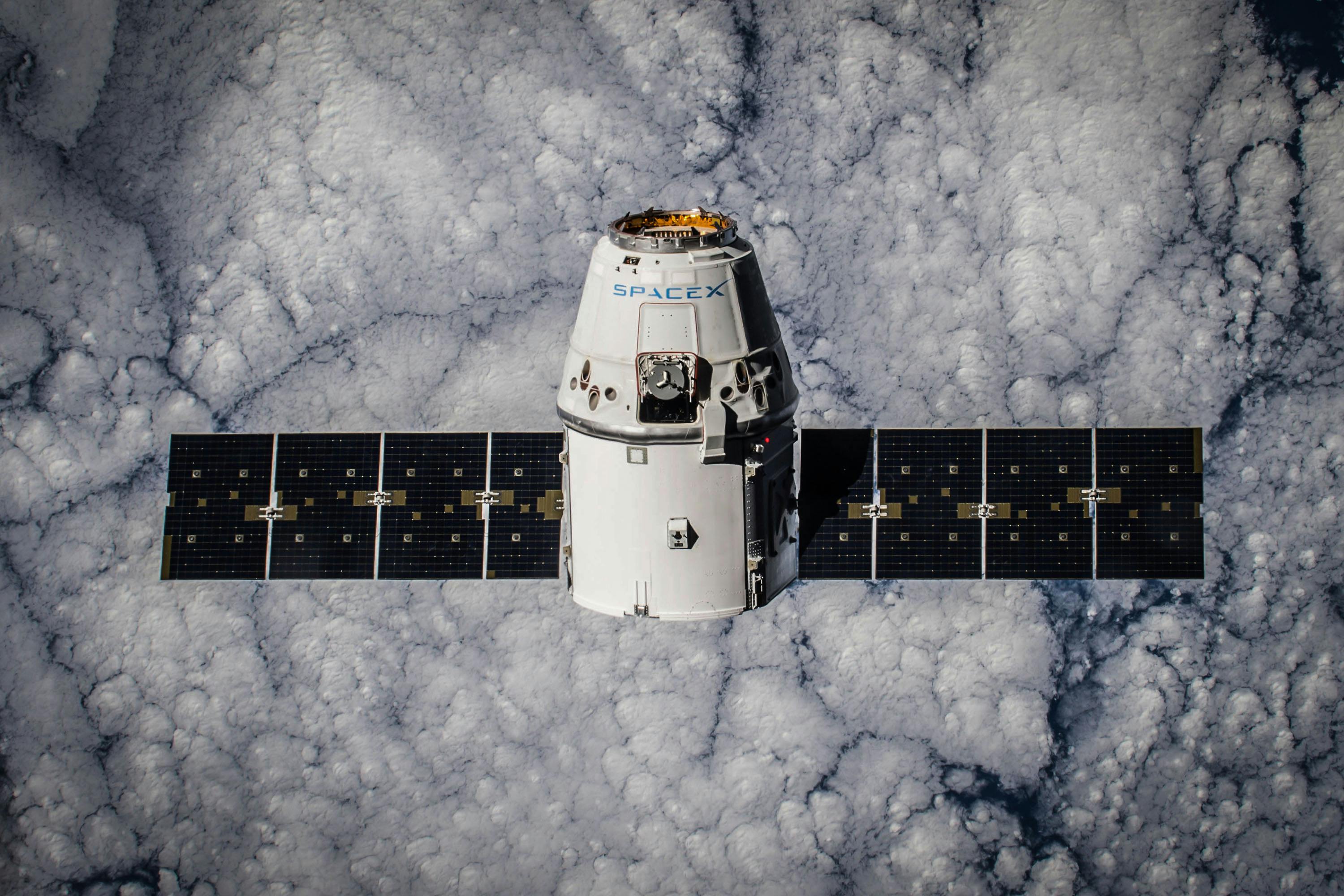
FAA approves SpaceX Starship launches from Kennedy Space Center LC-39A. FCC accepts 1-million satellite orbital data center filing. Canada ranks as 5th largest Starlink market.
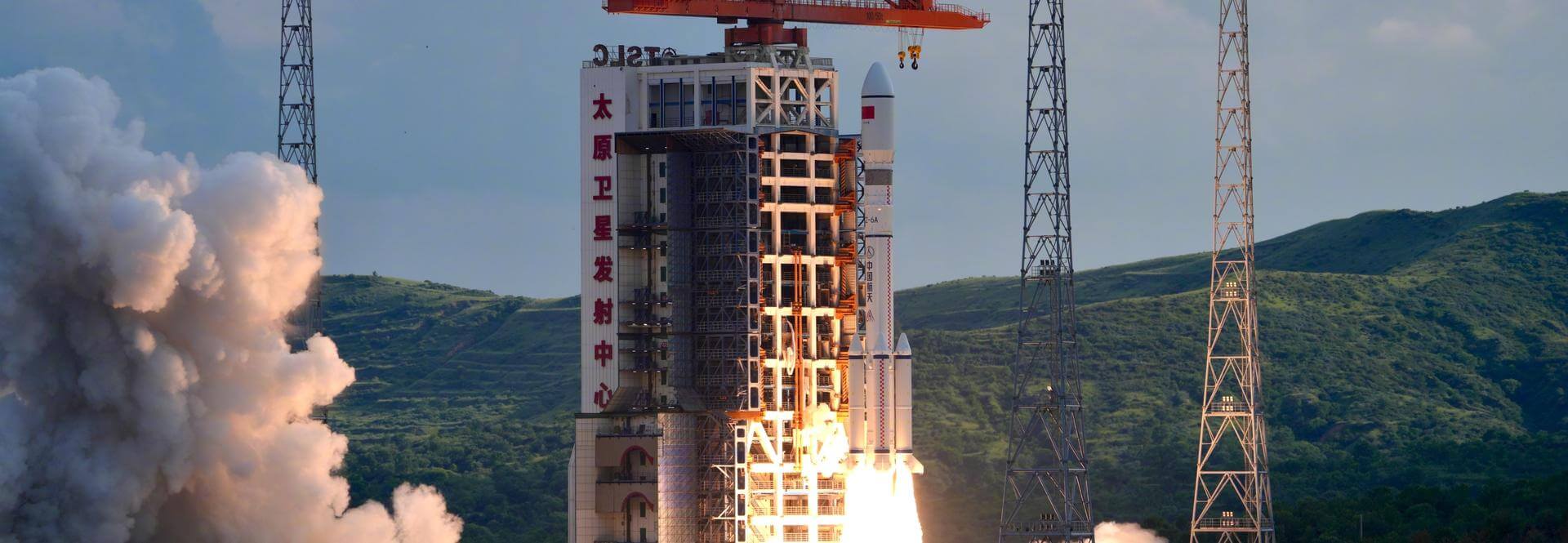
Blue Origin's LC-36 gantry damaged in blast; CEO targets end-2026 return. SpaceX awarded $4.16B Space Force contract for airborne threat tracking satellites.
Today's Space Brief covers the reentry of Firefly's Blue Ghost moon lander, a compelling study on space debris exacerbated by climate change, and new advancements from the Vera Rubin Observatory.
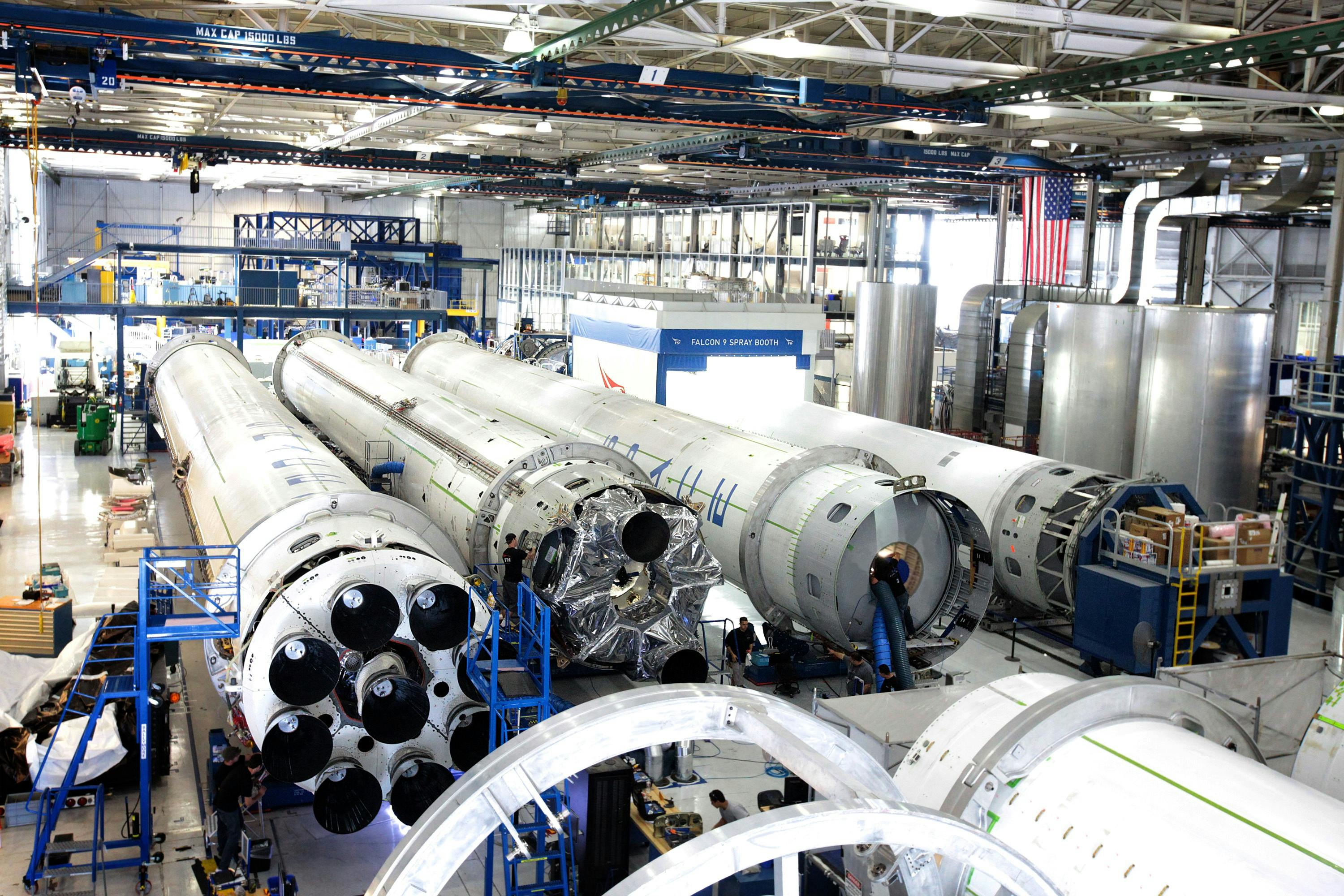
SpaceX's Falcon 9 delivered GPS III SV-10 at 0653 UTC, capping Lockheed Martin's 10-satellite series as SpaceX eyes a $60B AI coding acquisition pre-IPO.
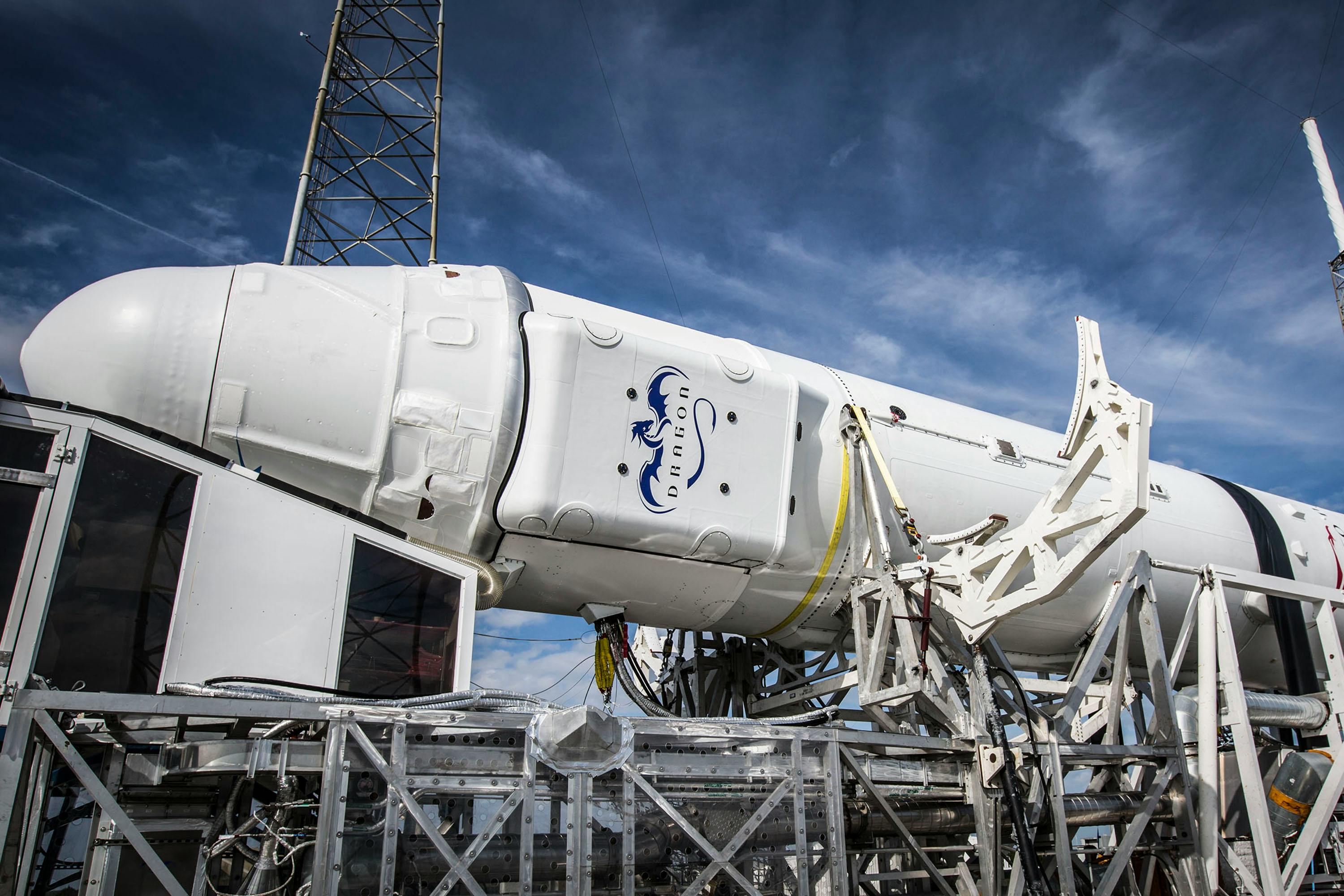
Starship developments continue to capture attention alongside Starlink's latest deployment milestones.
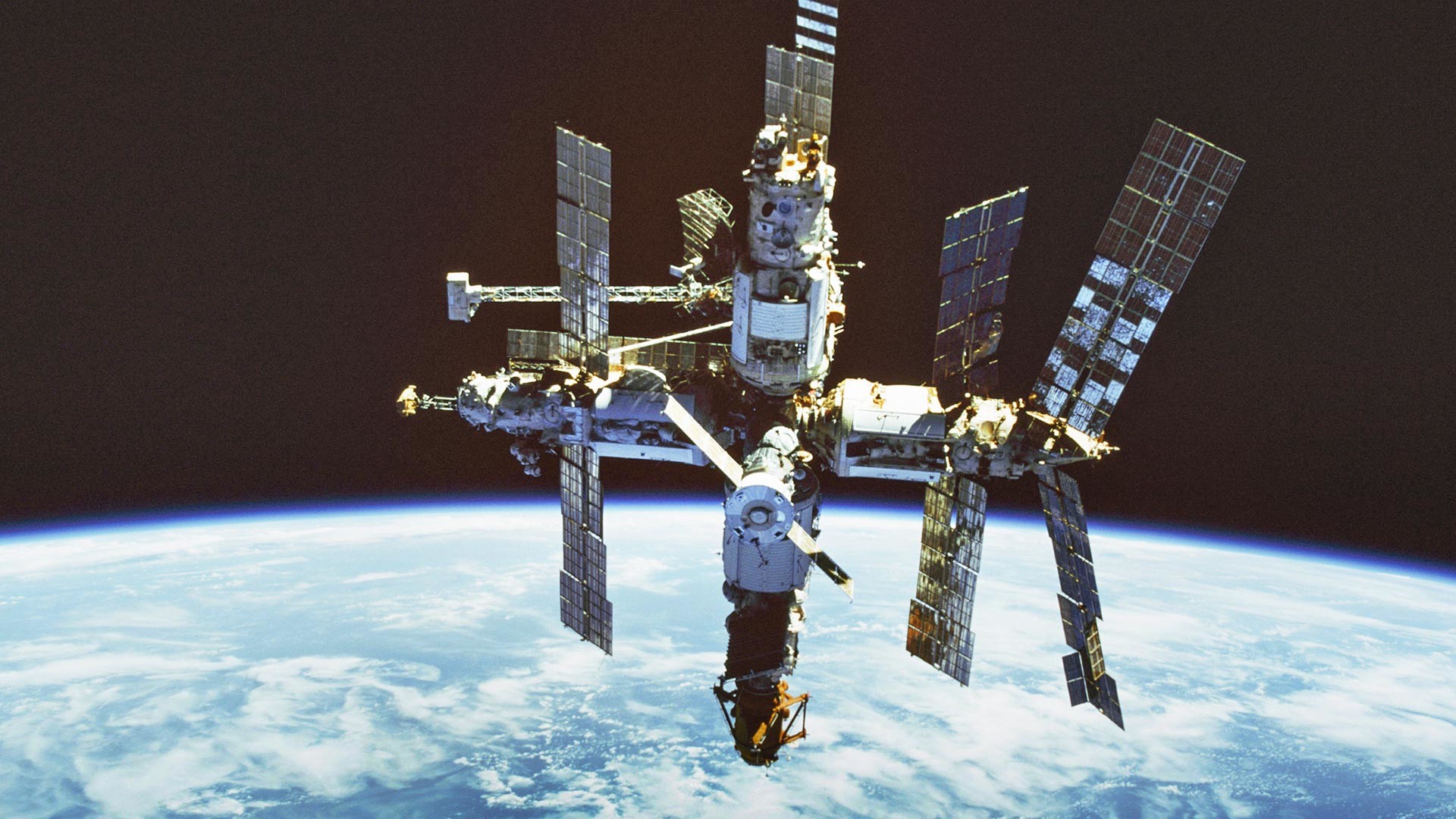
Forty years ago today, the USSR launched a 20-ton aluminum cylinder into low Earth orbit and called it 'Peace.' Over the next 15 years, Mir would host 104 people from 12 countries, survive a fire and a collision, and quietly teach humanity how to live in space.