

X Report 12 Apr 2025
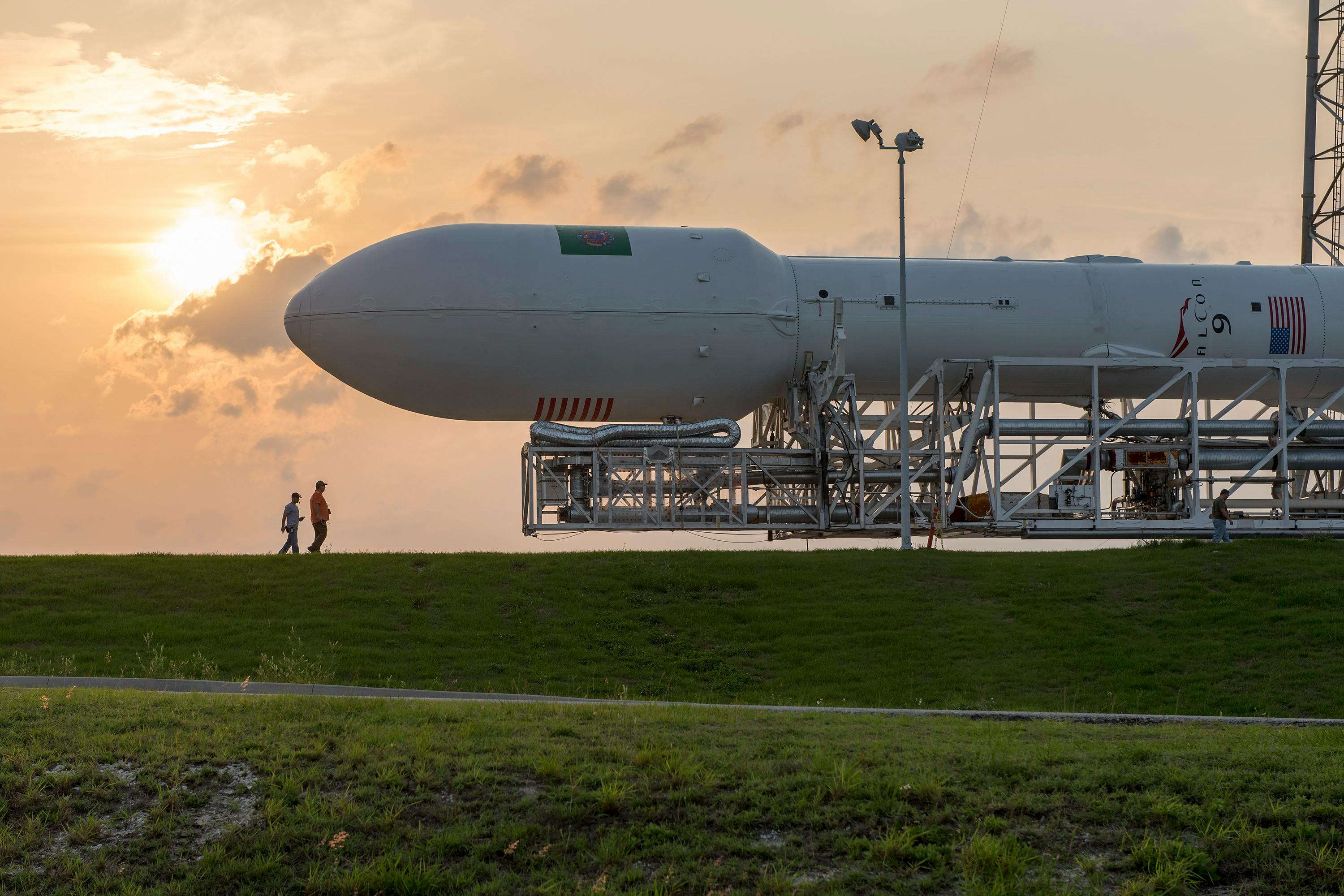
Key developments include the launch of Starshield satellites for the NRO and updates on Starlink launches and NASA access concerns involving Elon Musk's team.


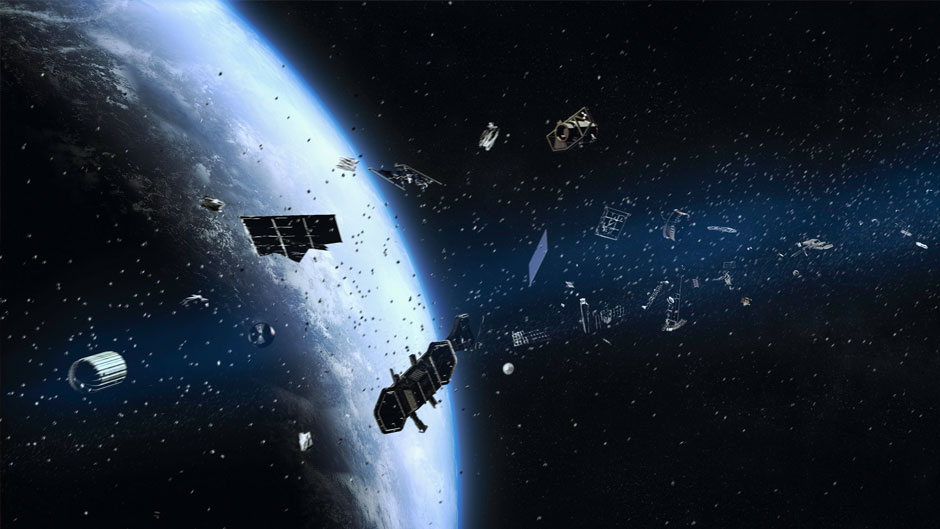
Launch Date
July 22, 1976
Launch Site
PLMSC
Launch Pad
Unknown
Launch Vehicle
Unknown
NORAD ID
09099
International Designator
N/A
Decay Date
8/2/1976
Name
COSMOS 844 DEB
Alternative Name
deb Kosmos-844
Type
Status
Owner
TSSKB
Country
USSR
Constellation
N/A
Related Satellites
Major Events
N/A
Length
0
Diameter
0
Span
0
Dry Mass
0
Launch Mass
0
Shape
N/A
Radar Cross Section
Unknown
Visual Magnitude
Unknown
Color
Unknown
Material Composition
Unknown
Payload
Unknown
Purpose
Unknown
Mission
Unknown
Manufacturer
Unknown
Life Expectancy
Unknown
Bus
Unknown
Configuration
Unknown
Motor
Unknown
Equipment
Unknown
Power System
Unknown
ADCS
Unknown
Transmitter Frequency
Unknown
Learn more about satellites and other related topics.
Key developments include the launch of Starshield satellites for the NRO and updates on Starlink launches and NASA access concerns involving Elon Musk's team.
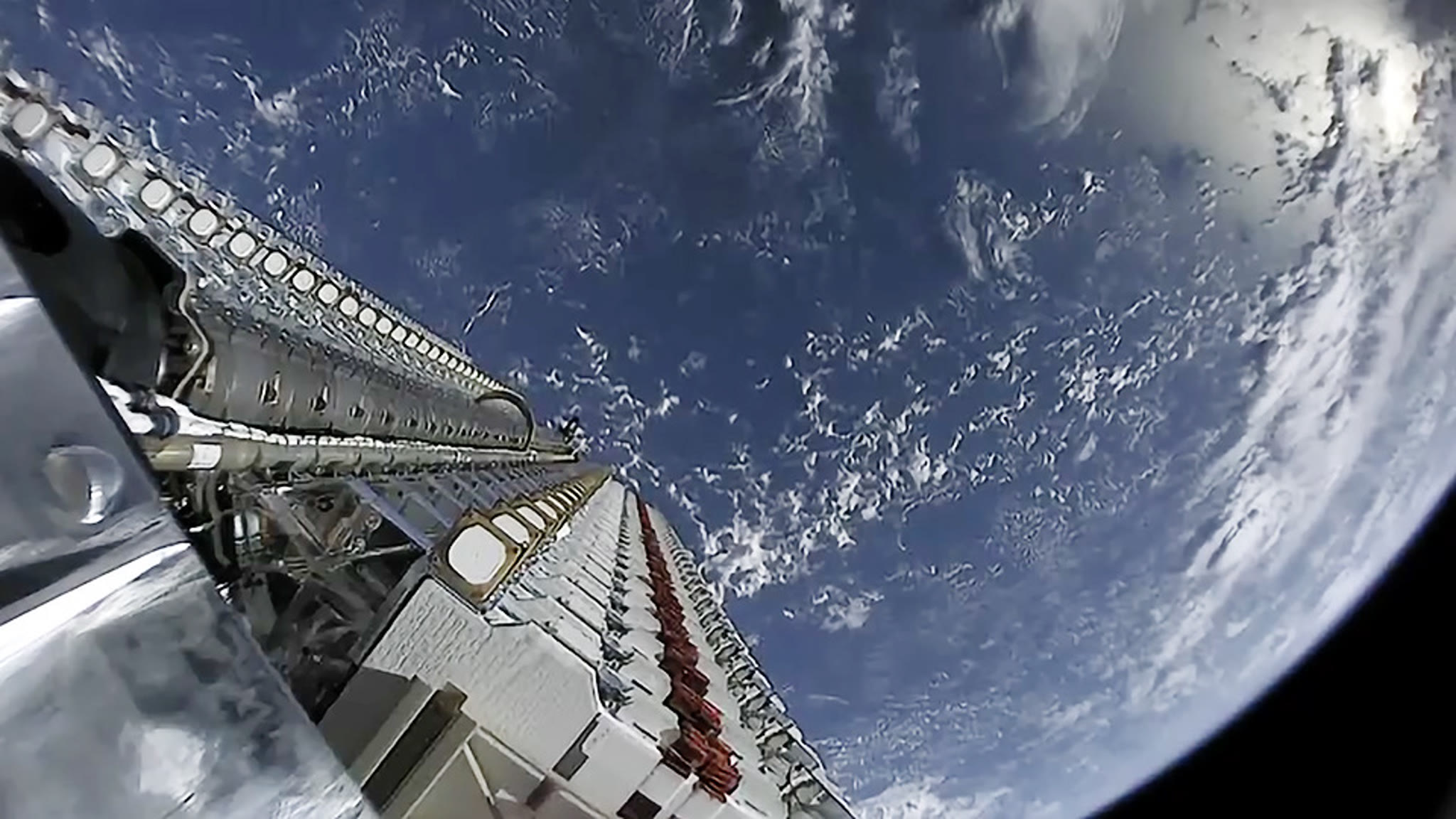
Starlink satellites fired their thrusters to dodge a collision roughly 300,000 times in 2025, about 822 times a day. Behind that number is a fragile, half-automated system of warnings, probabilities, and judgment calls that decides which close approaches are worth a maneuver and which are just noise.
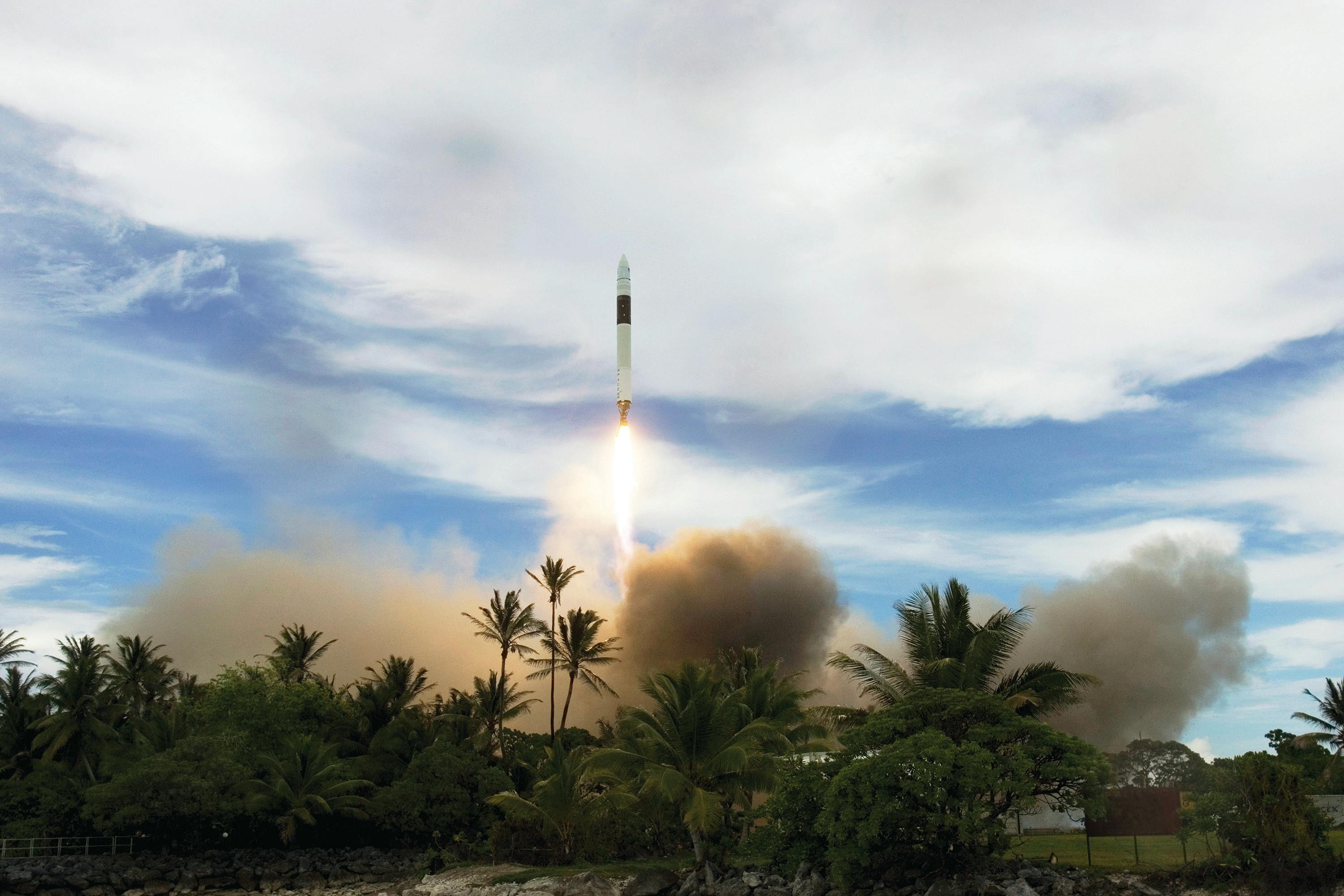
SpaceX launches 24 Starlink satellites, pushing its 2025 total beyond 2,000, while facing community pushback in Florida for its Starship operations.
Space Force expands National Security Space Launch Phase 3 with Relativity Space and Impulse Space joining Lane 1 competition. New entrants gain pathway to military payload contracts.
SpaceX's Falcon 9 delivered Northrop Grumman's second Cygnus XL — carrying over 5 tons of cargo — to the ISS on April 11, 2026.
Highlights of today's Space Brief include advancements in missile defense systems, a historic lunar project by NASA, and strategic military investments in satellite technology.

How a catastrophic fire in 1967 fundamentally altered NASA's approach to human spaceflight and continues to influence modern spacecraft design

ESA-China SMILE spacecraft successfully launched from Kourou to image Earth's magnetosphere. First continuous global views of solar wind interaction now in orbit.