


Space Brief 28 Oct 2025
Today's brief covers China's Gaofen-14 satellite launch, Europe's advancements in asteroid defense through GomSpace, and Russia's controversial Burevestnik missile test.



Launch Date
July 22, 1976
Launch Site
PLMSC
Launch Pad
Unknown
Launch Vehicle
Unknown
NORAD ID
09097
International Designator
N/A
Decay Date
8/2/1976
Name
COSMOS 844 DEB
Alternative Name
deb Kosmos-844
Type
Status
Owner
TSSKB
Country
USSR
Constellation
N/A
Related Satellites
Major Events
N/A
Length
0
Diameter
0
Span
0
Dry Mass
0
Launch Mass
0
Shape
N/A
Radar Cross Section
Unknown
Visual Magnitude
Unknown
Color
Unknown
Material Composition
Unknown
Payload
Unknown
Purpose
Unknown
Mission
Unknown
Manufacturer
Unknown
Life Expectancy
Unknown
Bus
Unknown
Configuration
Unknown
Motor
Unknown
Equipment
Unknown
Power System
Unknown
ADCS
Unknown
Transmitter Frequency
Unknown
Learn more about satellites and other related topics.
Today's brief covers China's Gaofen-14 satellite launch, Europe's advancements in asteroid defense through GomSpace, and Russia's controversial Burevestnik missile test.
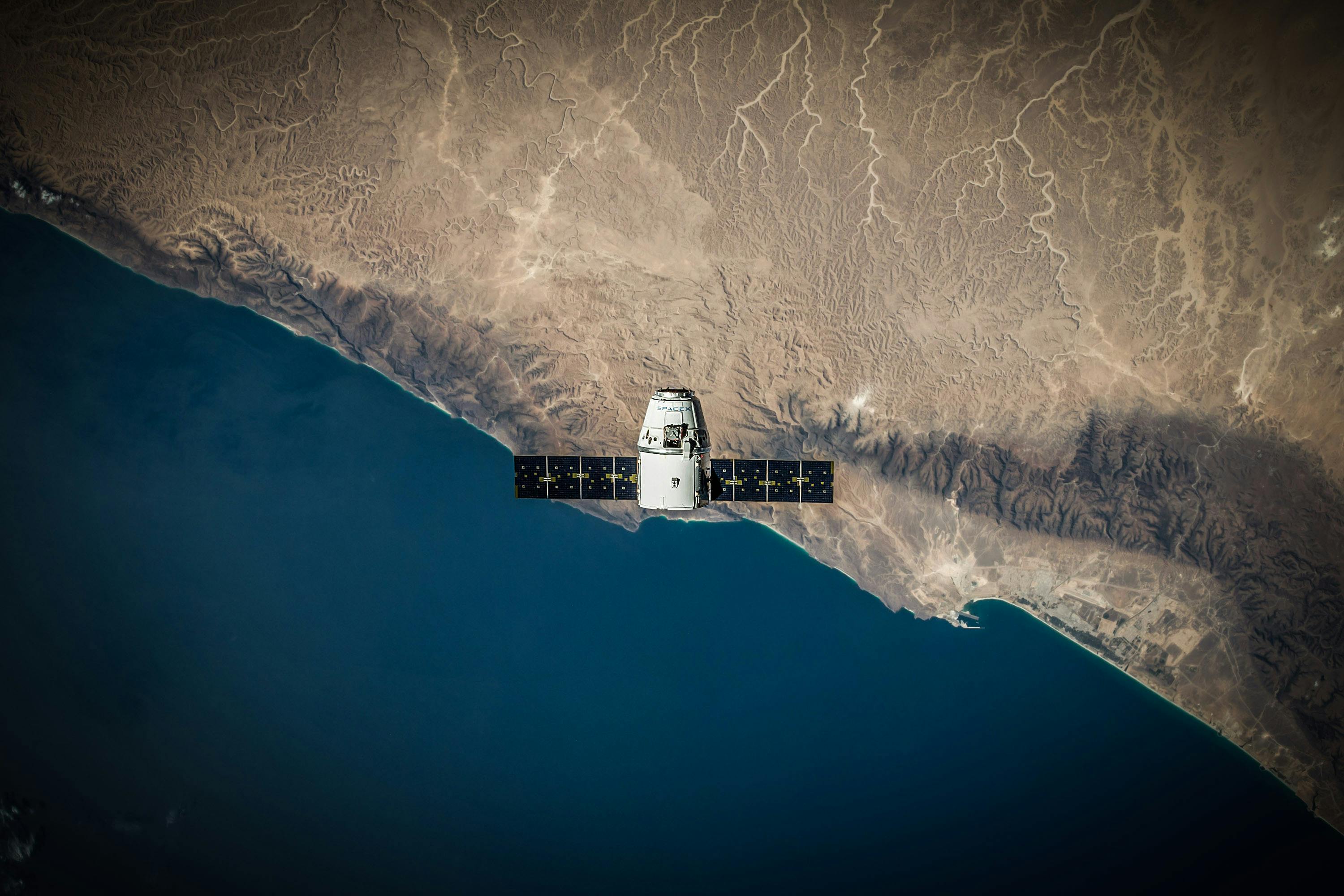
On December 14, 2025, SpaceX achieved a significant milestone with its 550th booster landing following the launch of 27 new Starlink satellites, while exploring potential IPO strategies to fund future projects.
Today's top space events include a new military satellite launch by York Space, advancements in phased array antennas by Space Force, and the debut of Denmark's Arctic satellite. Also covered are developments in Starlink's services in Vietnam.
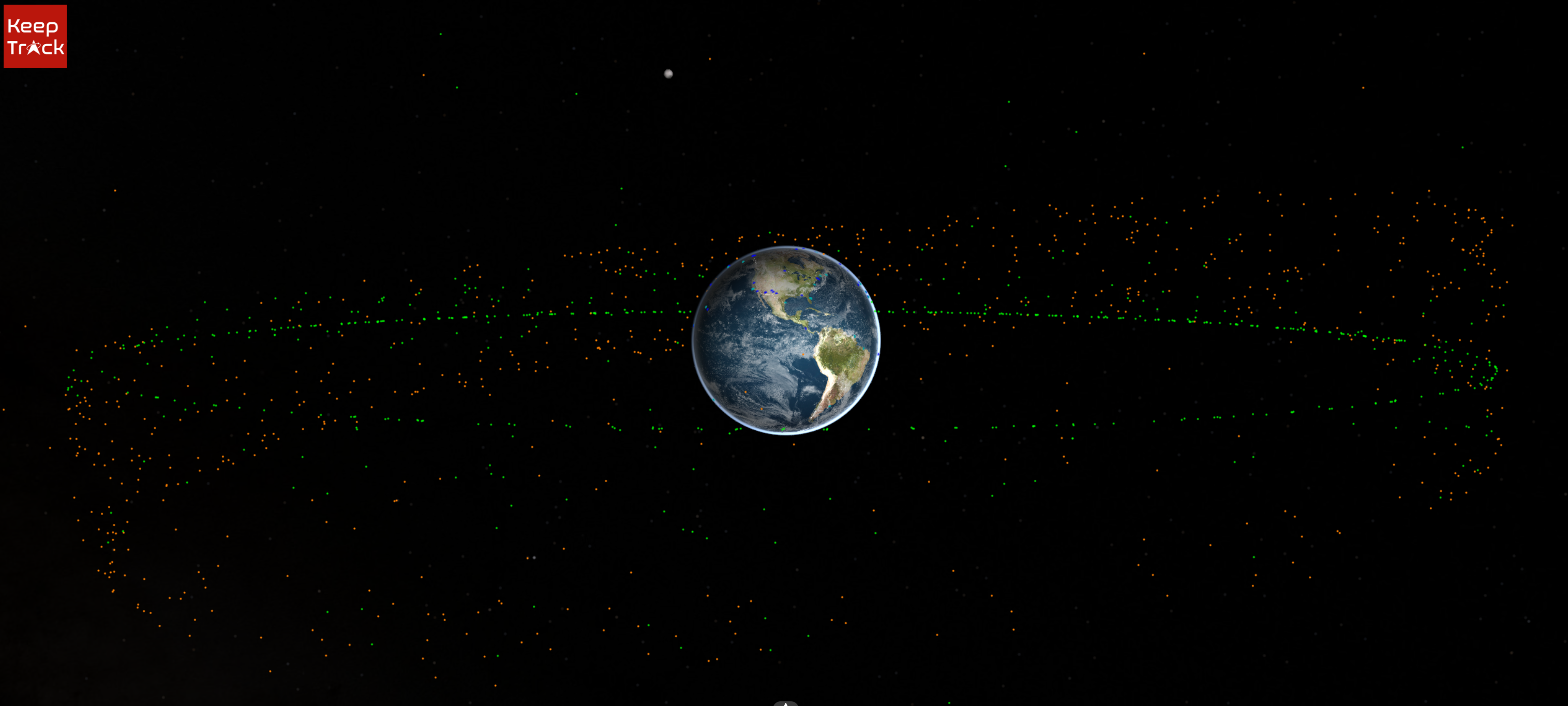
The final resting place for retired satellites, a disposal orbit where defunct spacecraft are sent to stay out of the way
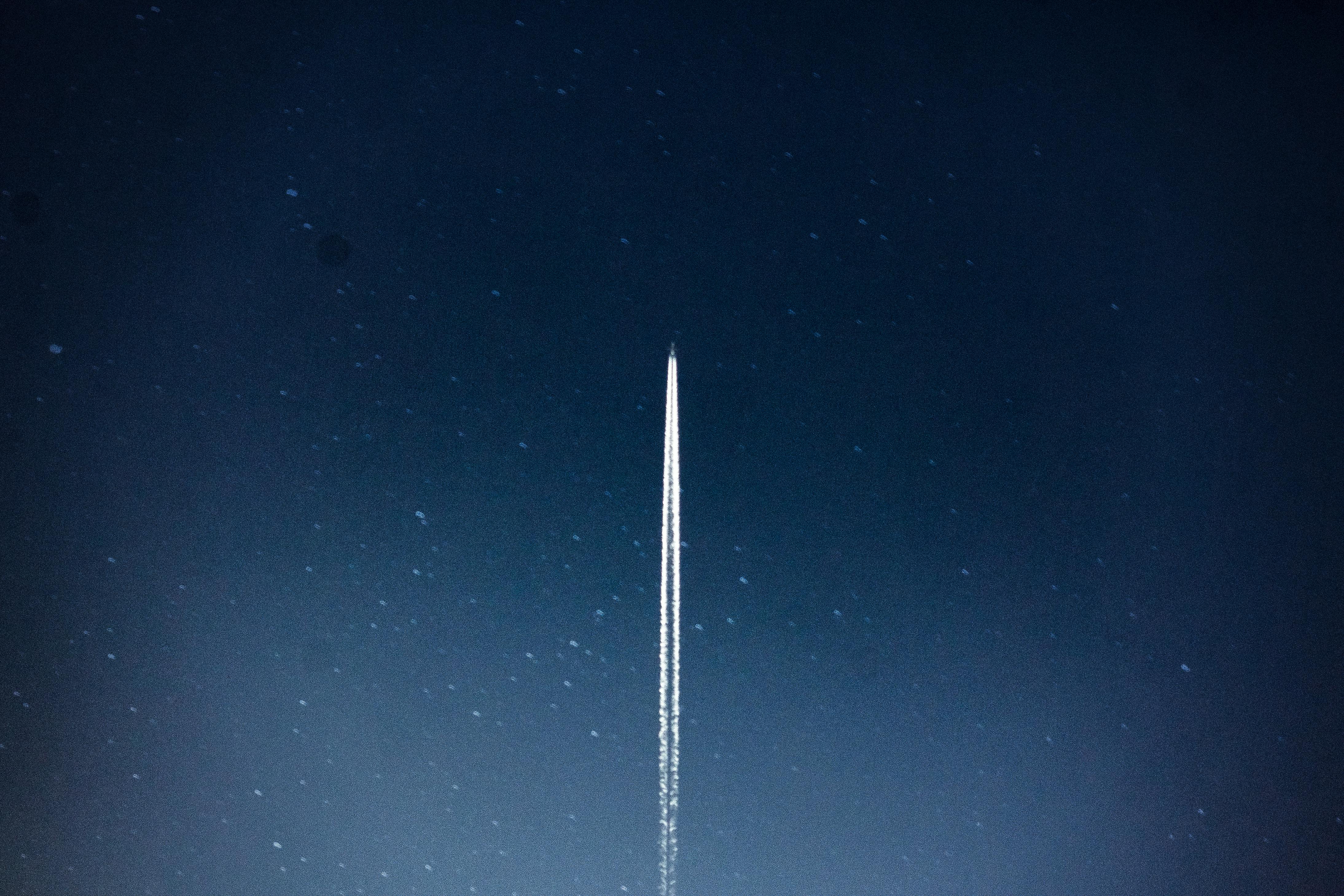
This week's highlights include the successful launch of the X-37B spaceplane and the deployment of 24 new Starlink satellites, alongside preparations for the upcoming Starship Flight 10.

As humanity increasingly relies on satellites, the escalating space junk problem poses a dire threat to our space-based infrastructure. With debris counts reaching alarming levels, urgent action is needed to prevent a cascade of collisions that could make key orbits unusable.
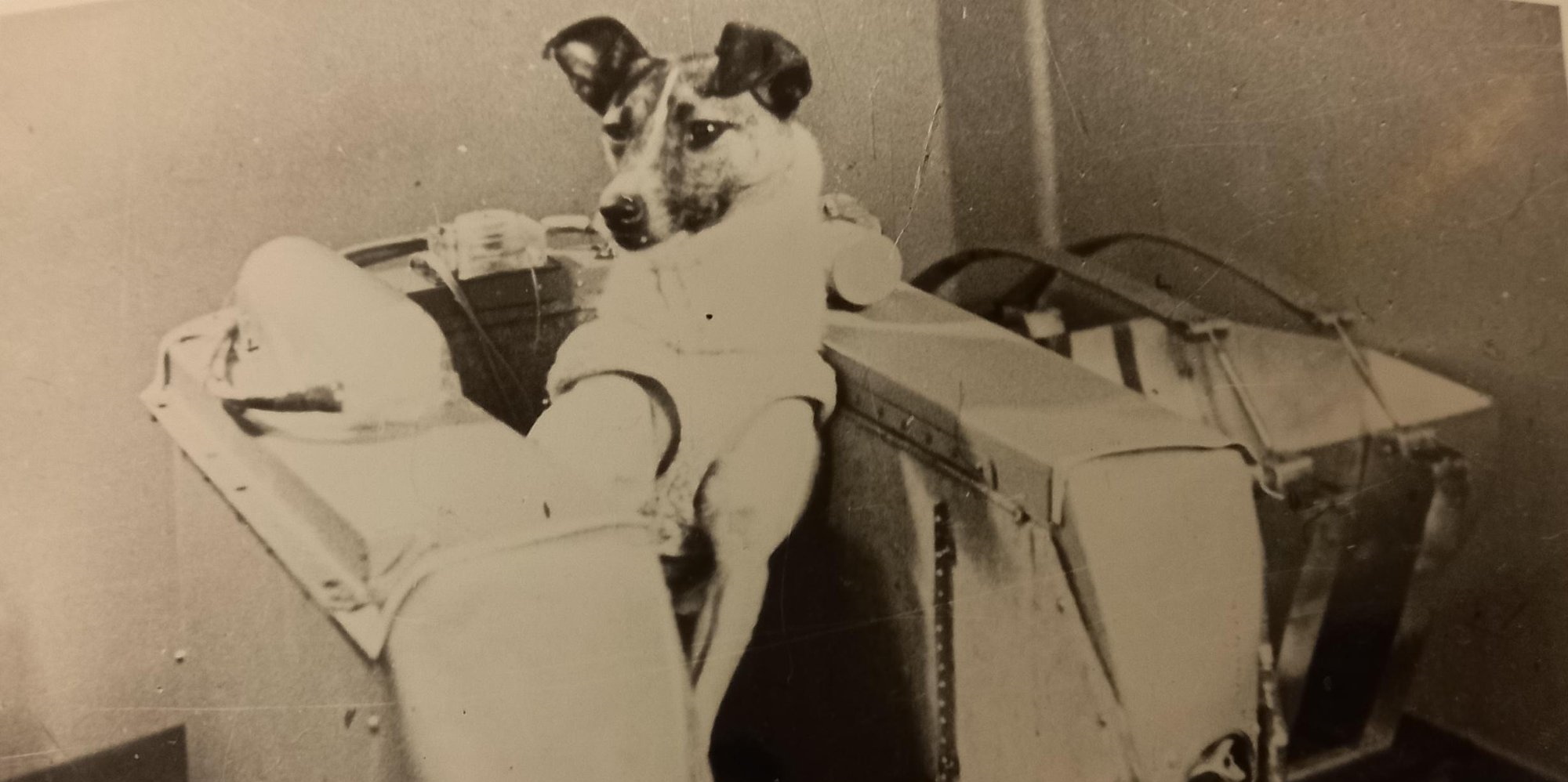
On April 14, 1958, Sputnik 2 burned up over the North Atlantic, carrying the remains of a stray dog from Moscow who had been dead for five months. The Soviet Union told the world she survived for days. It took forty-five years for the truth to come out.

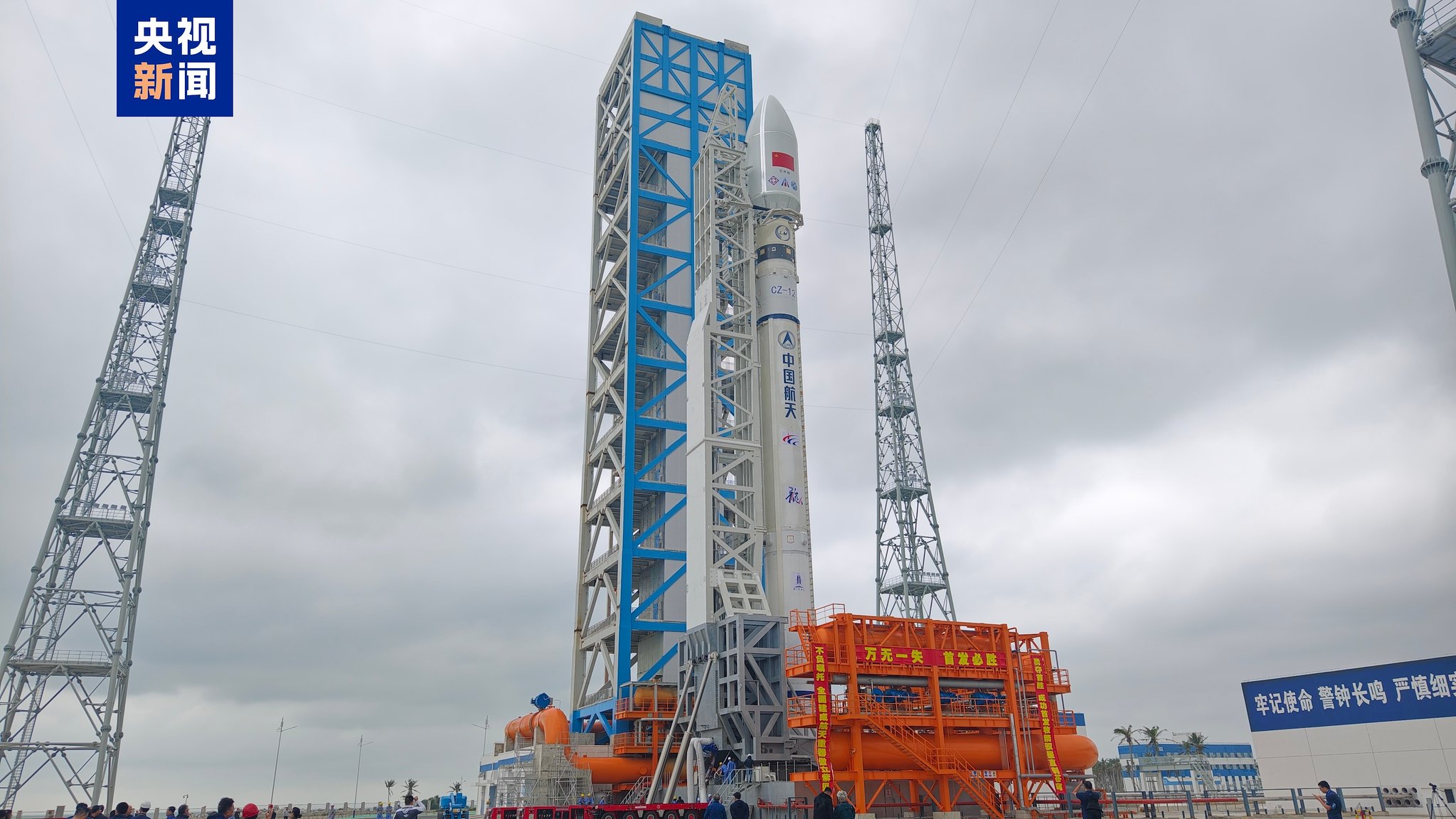
Pentagon puts LEO constellation layers on hold during acquisition review. SpaceX and xAI join $100M autonomous drone contest. China's Zenk Space completes first stage static fire.