

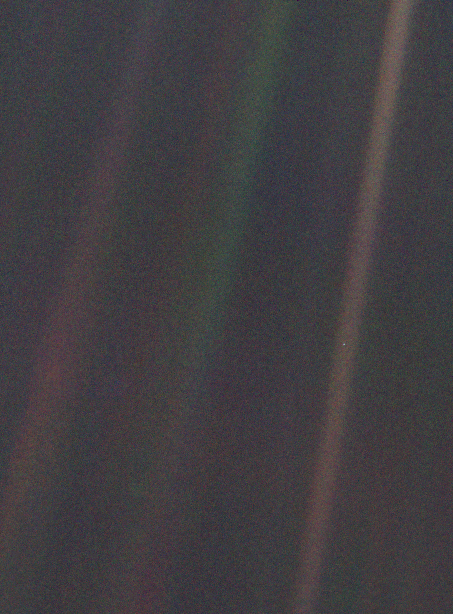
The Day Earth Became a Pale Blue Dot
Thirty-five years ago, Voyager 1 captured a revolutionary series of images from the edge of our solar system, forever changing how humanity sees its place in the cosmos



Launch Date
July 22, 1976
Launch Site
PLMSC
Launch Pad
Unknown
Launch Vehicle
Unknown
NORAD ID
09080
International Designator
N/A
Decay Date
8/2/1976
Name
COSMOS 844 DEB
Alternative Name
deb Kosmos-844
Type
Status
Owner
TSSKB
Country
USSR
Constellation
N/A
Related Satellites
Major Events
N/A
Length
0
Diameter
0
Span
0
Dry Mass
0
Launch Mass
0
Shape
N/A
Radar Cross Section
Unknown
Visual Magnitude
Unknown
Color
Unknown
Material Composition
Unknown
Payload
Unknown
Purpose
Unknown
Mission
Unknown
Manufacturer
Unknown
Life Expectancy
Unknown
Bus
Unknown
Configuration
Unknown
Motor
Unknown
Equipment
Unknown
Power System
Unknown
ADCS
Unknown
Transmitter Frequency
Unknown
Learn more about satellites and other related topics.
Thirty-five years ago, Voyager 1 captured a revolutionary series of images from the edge of our solar system, forever changing how humanity sees its place in the cosmos
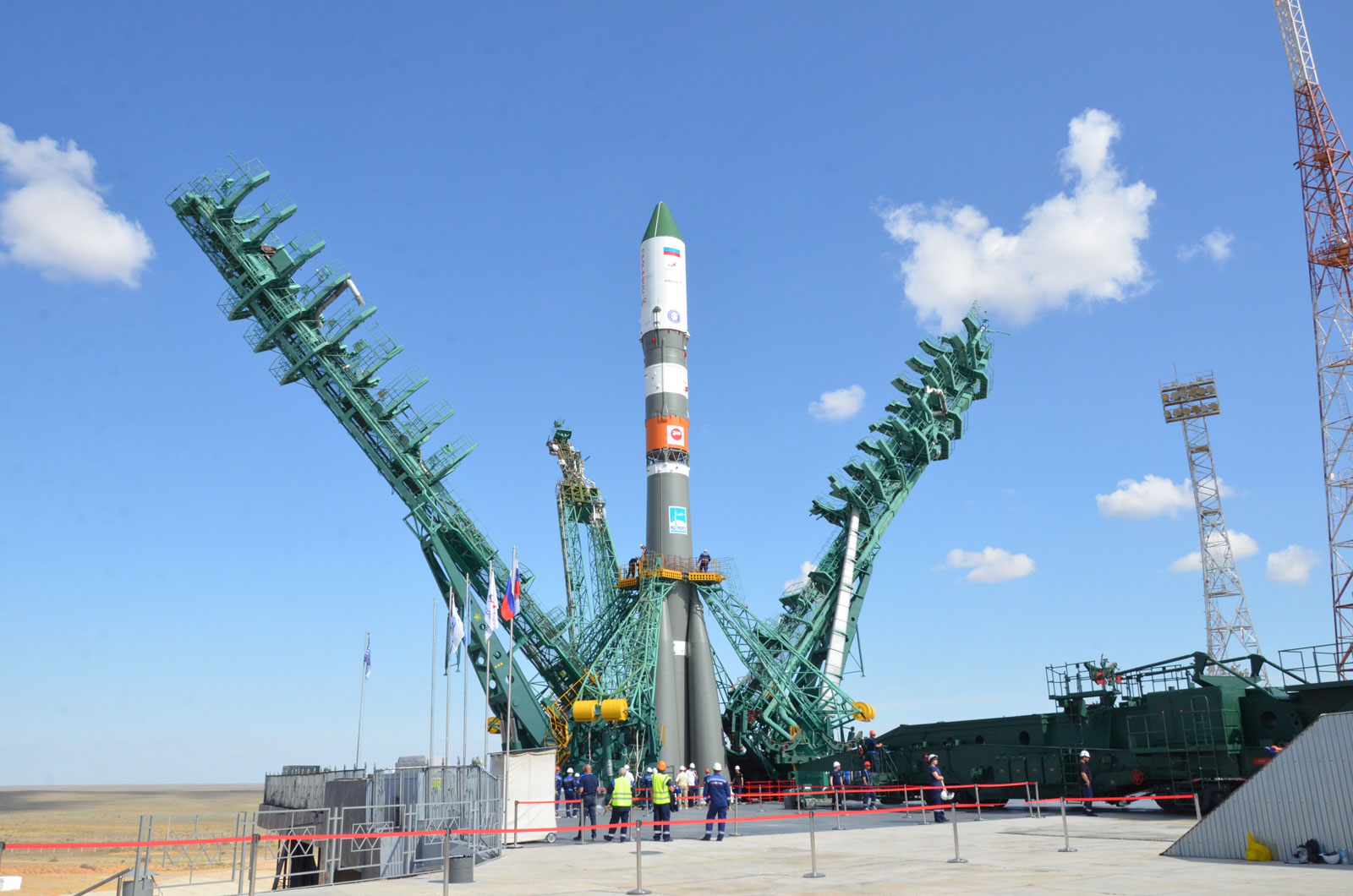
Today's highlights include a record-breaking event at the International Space Station, significant funding for hypersonic missile production, and several key military developments impacting space strategy.
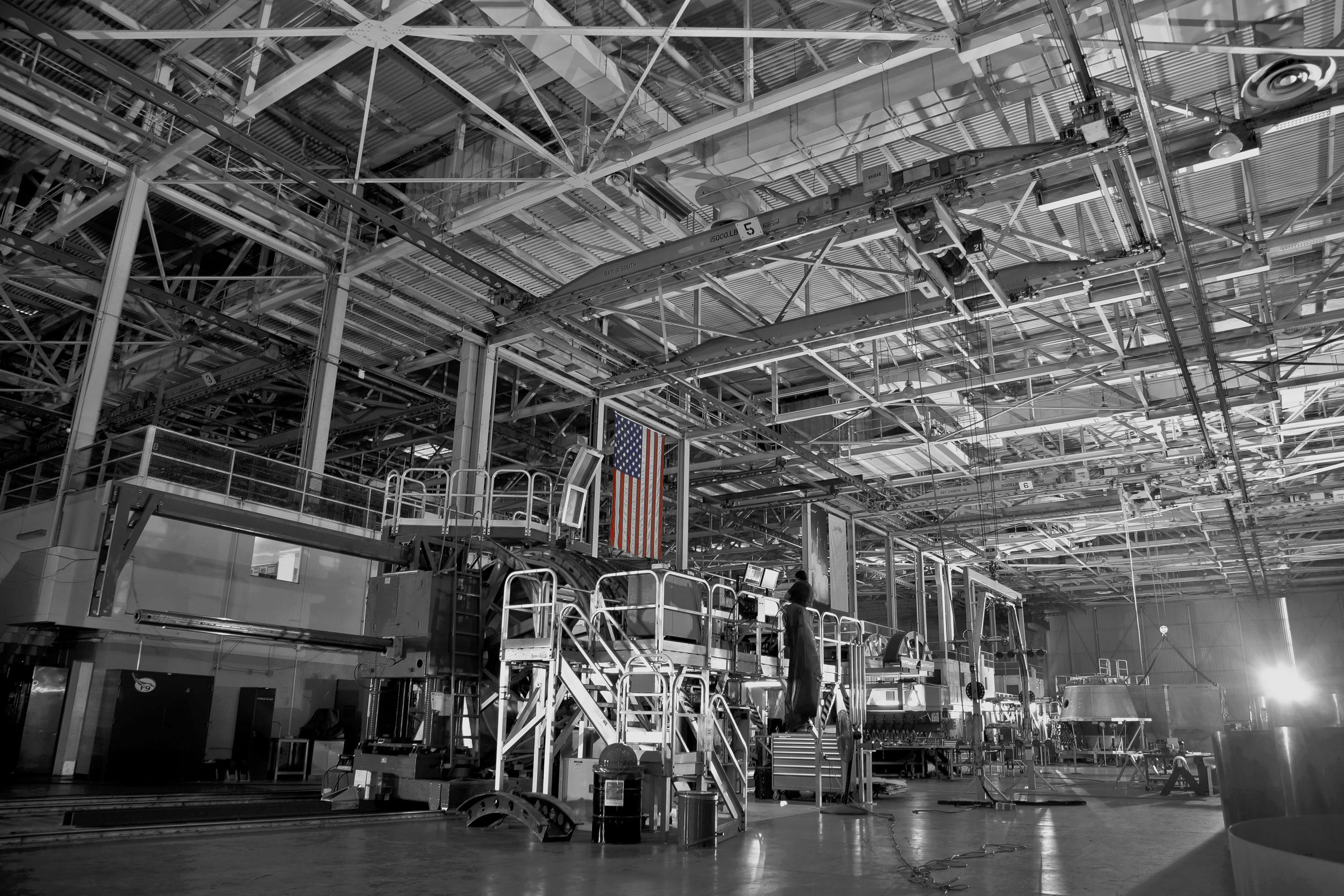
SpaceX launched 25 more Starlink satellites from Vandenberg SFB on March 8, 2026, pushing the active constellation toward 9,914 working spacecraft.

Today's highlights include new ESA Euclid data, upcoming Blue Origin flight, and multiple Starlink launches, delivering fresh satellite tracking opportunities.
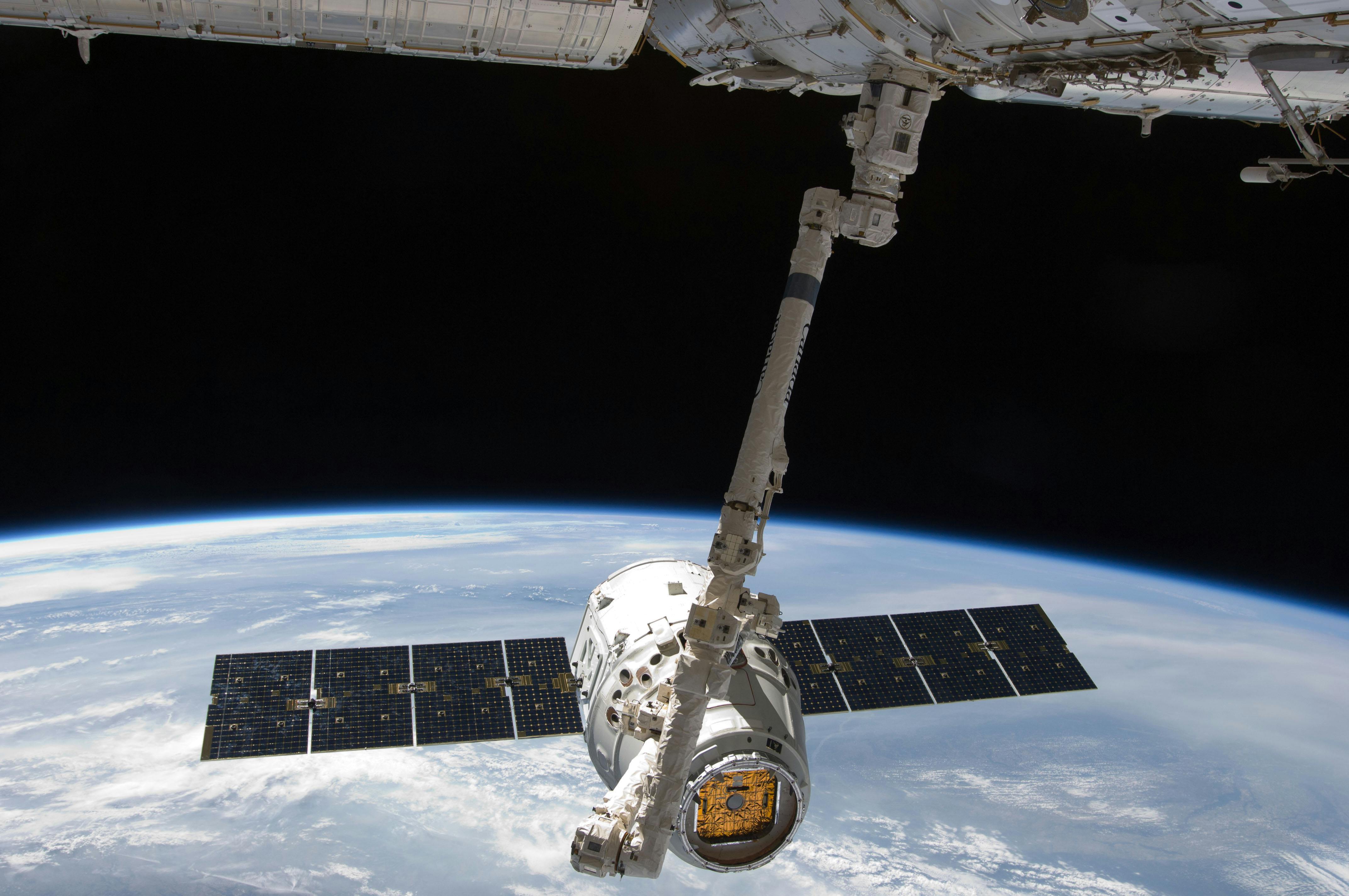
SpaceX announces SPHEREx launch date for February 2025, and Airbus completes delivery of Thuraya 4 satellite for upcoming launch.

Today's report highlights the causes behind a recent Starship explosion, a significant delay in Axiom-4's launch, and the ongoing tension surrounding SpaceX's market dominance.

Today's brief covers a significant hypersonic flight by Stratolaunch, the US Space Force's missile warning upgrades, and major government space investments.
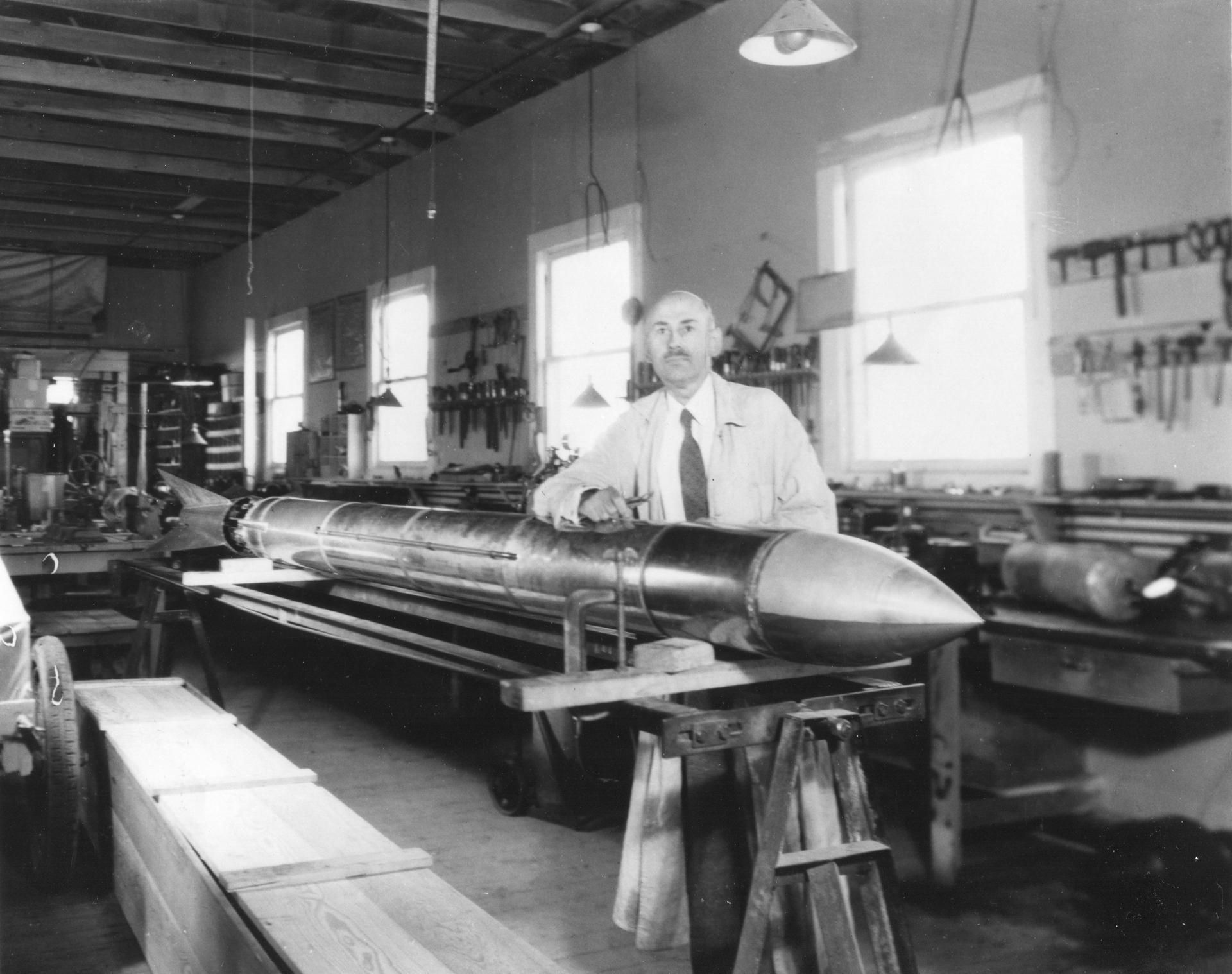
On February 2, 1909, Robert Goddard made a revolutionary breakthrough in his notebook: liquid oxygen and liquid hydrogen could achieve 50% efficiency in converting heat energy to kinetic energy for rocket propulsion