


X Report 4 Dec 2025
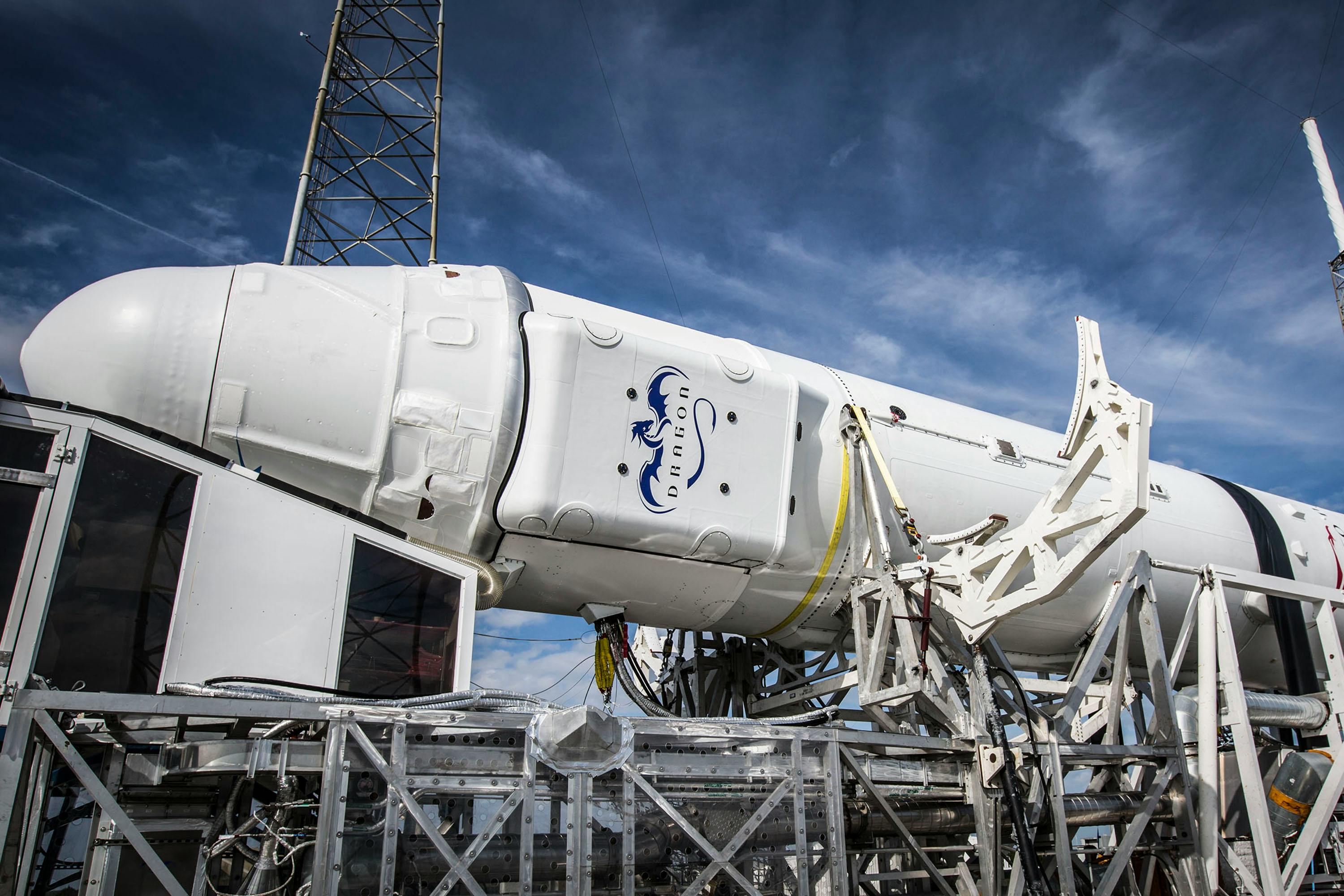
SpaceX successfully launched another batch of Starlink satellites and received approval for a new Starship launch site, while facing challenges with crew assignments on upcoming missions.


Launch Date
July 8, 1976
Launch Site
PLMSC
Launch Pad
LC132/1
Launch Vehicle
Kosmos 11K65M
NORAD ID
09011
International Designator
1976-067A
Epoch
Sat, 04 Jul 2026 03:38:02 GMT
Apogee
Calculating...
Perigee
Calculating...
Inclination
65.85°
Right Ascension
230.99°
Eccentricity
Calculating...
Argument of Perigee
281.22°
Period
116.80 min
Mean Motion
12.33 rev/day
Latitude
Calculating...
Longitude
Calculating...
Altitude
Calculating...
Velocity
Calculating...
Name
COSMOS 839
Alternative Name
Kosmos-839
Type
Status
Owner
PKO
Country
USSR
Constellation
N/A
Related Satellites
Major Events
N/A
1 09011U 76067A 26185.15142140 -.00000031 00000-0 88577-4 0 9991
2 09011 65.8526 230.9855 0710135 281.2213 70.9819 12.32897419262227
Source: Celestrak
Apologies, there is no summary for this satellite yet. I am working to generate these for every object in the catalog, but it is going to take time.
Length
2.5
Diameter
1.8
Span
23
Dry Mass
925
Launch Mass
1045
Shape
Cyl + Ant
Radar Cross Section
0.796
Visual Magnitude
Unknown
Color
Unknown
Material Composition
Unknown
Payload
Lira No. 3
Purpose
ASAT target
Mission
ASAT target
Manufacturer
YUZH
Life Expectancy
Unknown
Bus
Romb
Configuration
Unknown
Motor
None
Equipment
Unknown
Power System
Batteries
ADCS
Unknown
Transmitter Frequency
Unknown
Learn more about satellites and other related topics.
SpaceX successfully launched another batch of Starlink satellites and received approval for a new Starship launch site, while facing challenges with crew assignments on upcoming missions.

Today's brief covers SpaceX's latest Starlink launch, updates on Crew-8's return, and preparations for the SLS Artemis II mission.
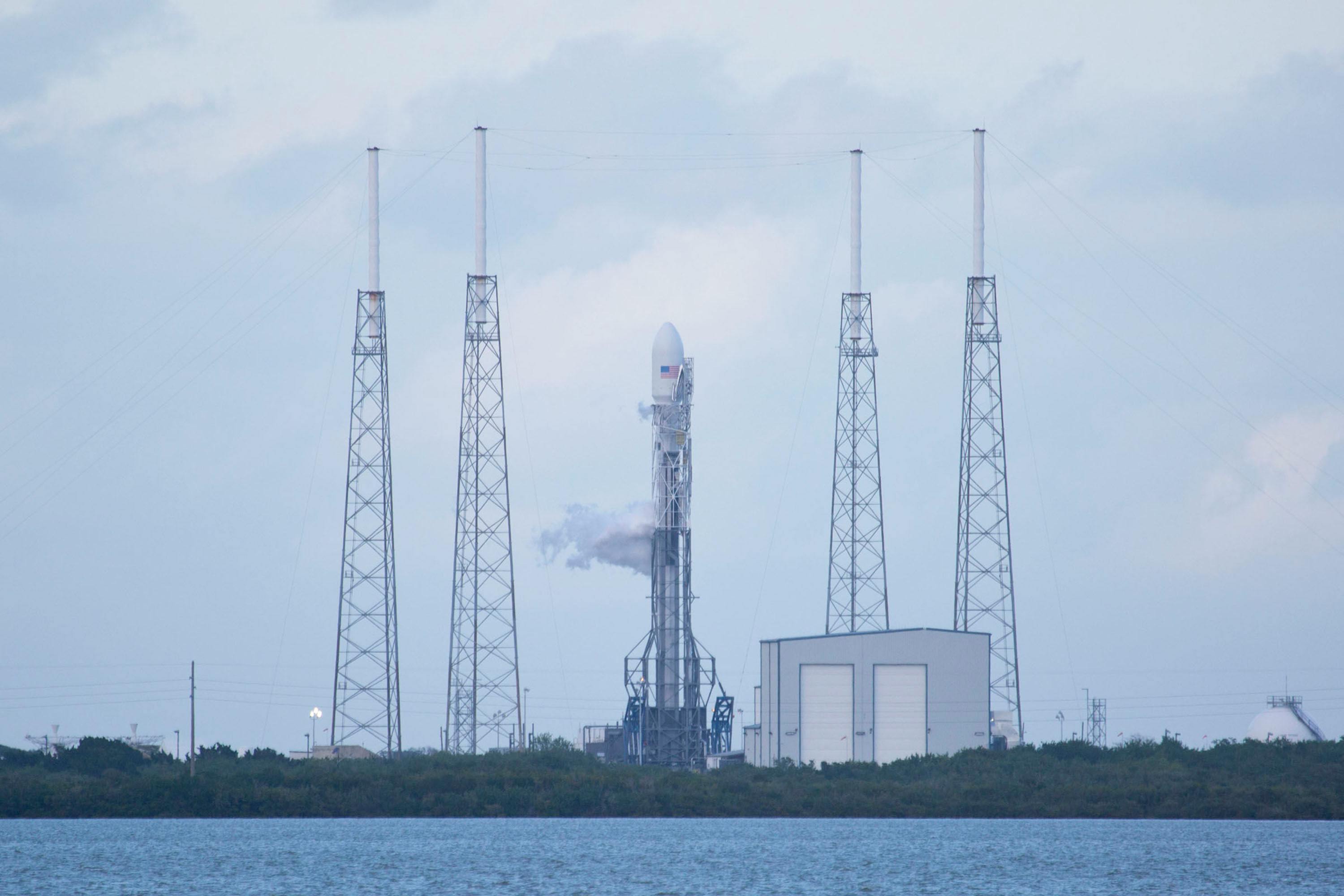
How many Starlink satellites are in orbit in 2026? 10,087 working of 10,097 on orbit, 11,612 launched to date, per KeepTrack data.
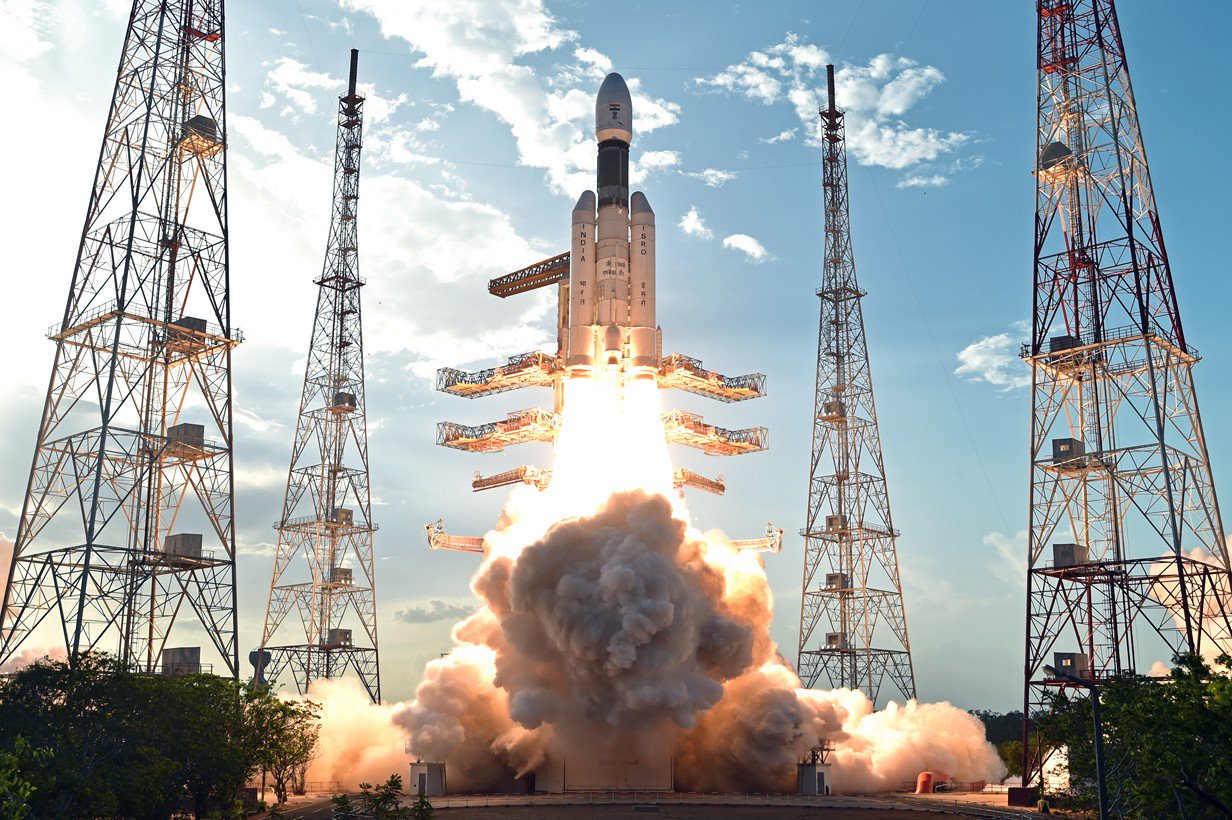
Today's brief covers an increase in Chinese satellite launches, the operational status of the Space Force's ATLAS software, and a significant fundraising event in the defense sector.
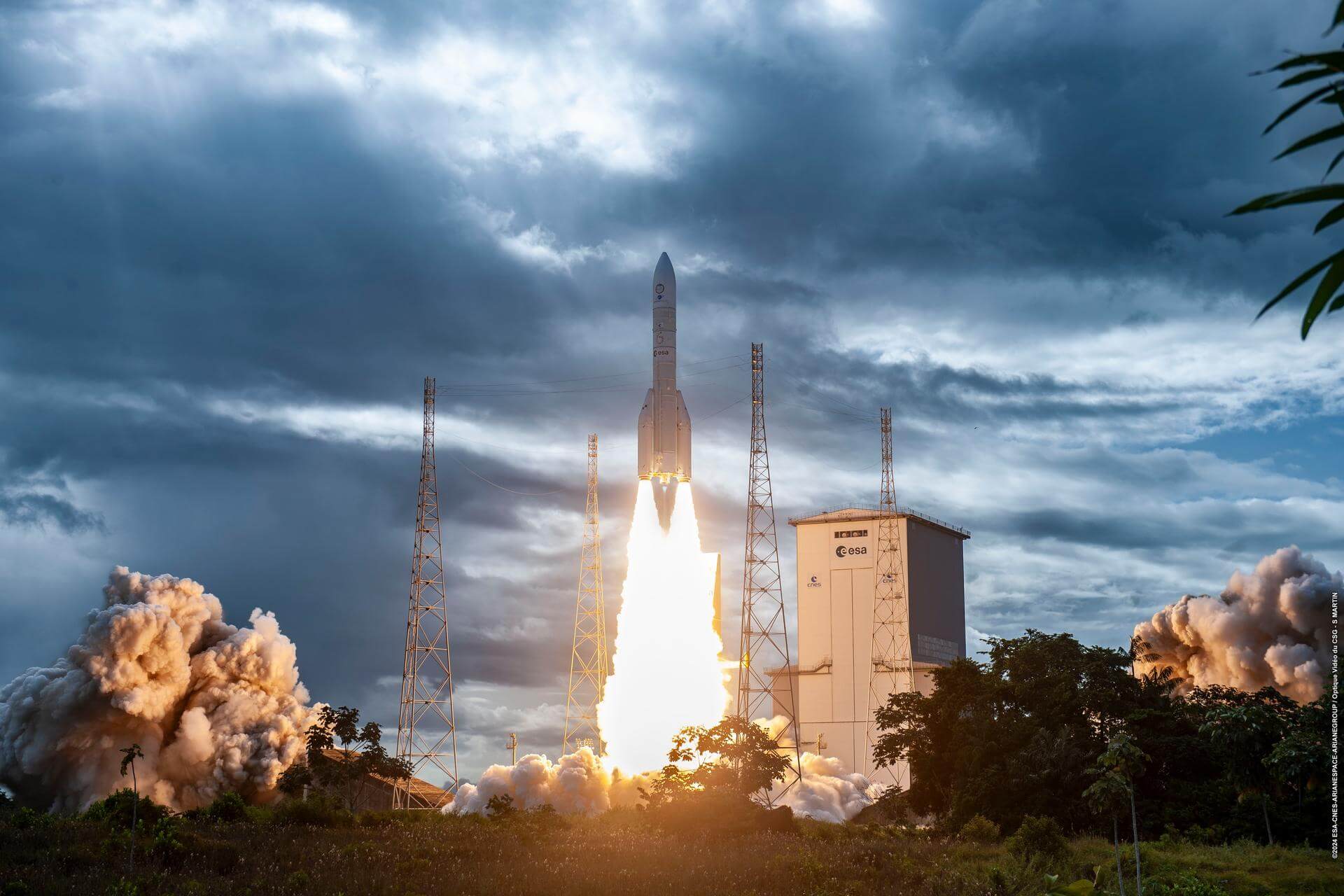
Today's space highlights include the US Space Force's advanced tracking contract, a milestone in SpaceX's Starlink program, and a new initiative to remove space debris.

FCC approves 7,500 additional Starlink Gen2 satellites. Space Force awards SpaceX $739M for nine national security launches. NASA plans Crew-11 medical evacuation from ISS on January 14.
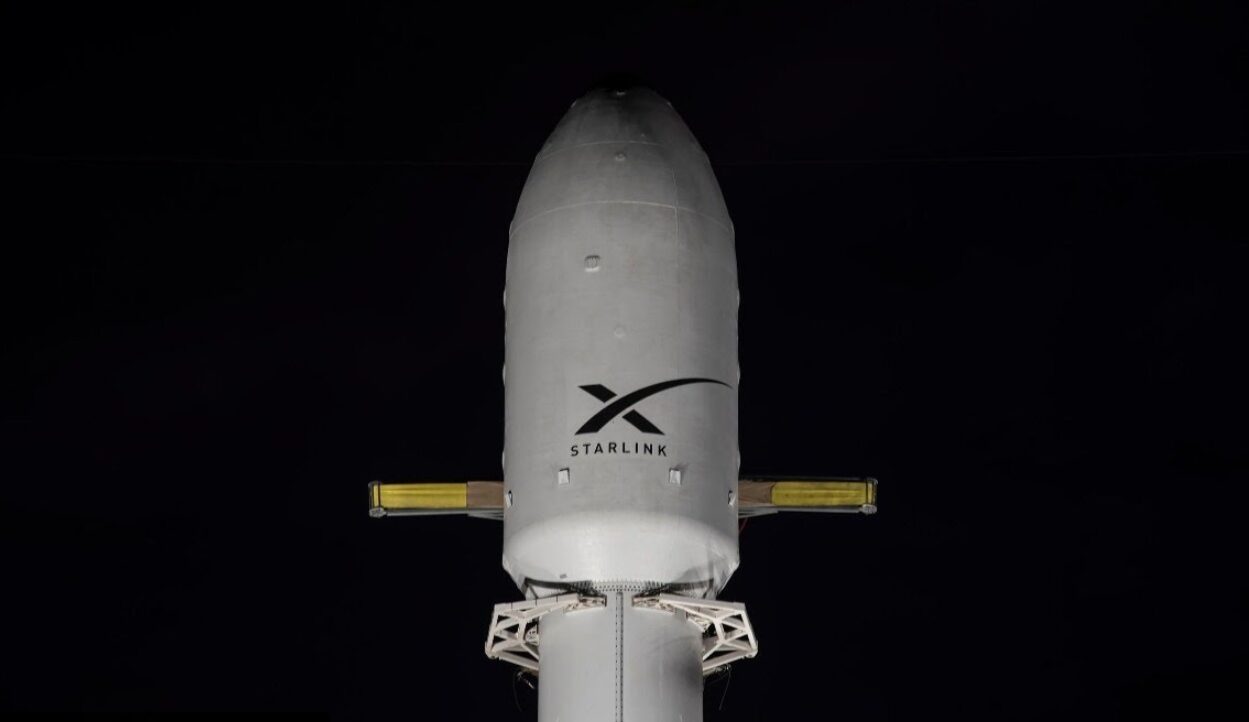
FCC clears Reflect Orbital's first satellite to bounce sunlight into nighttime zones, despite pushback from astronomers concerned about orbital streaking and wildlife impacts.
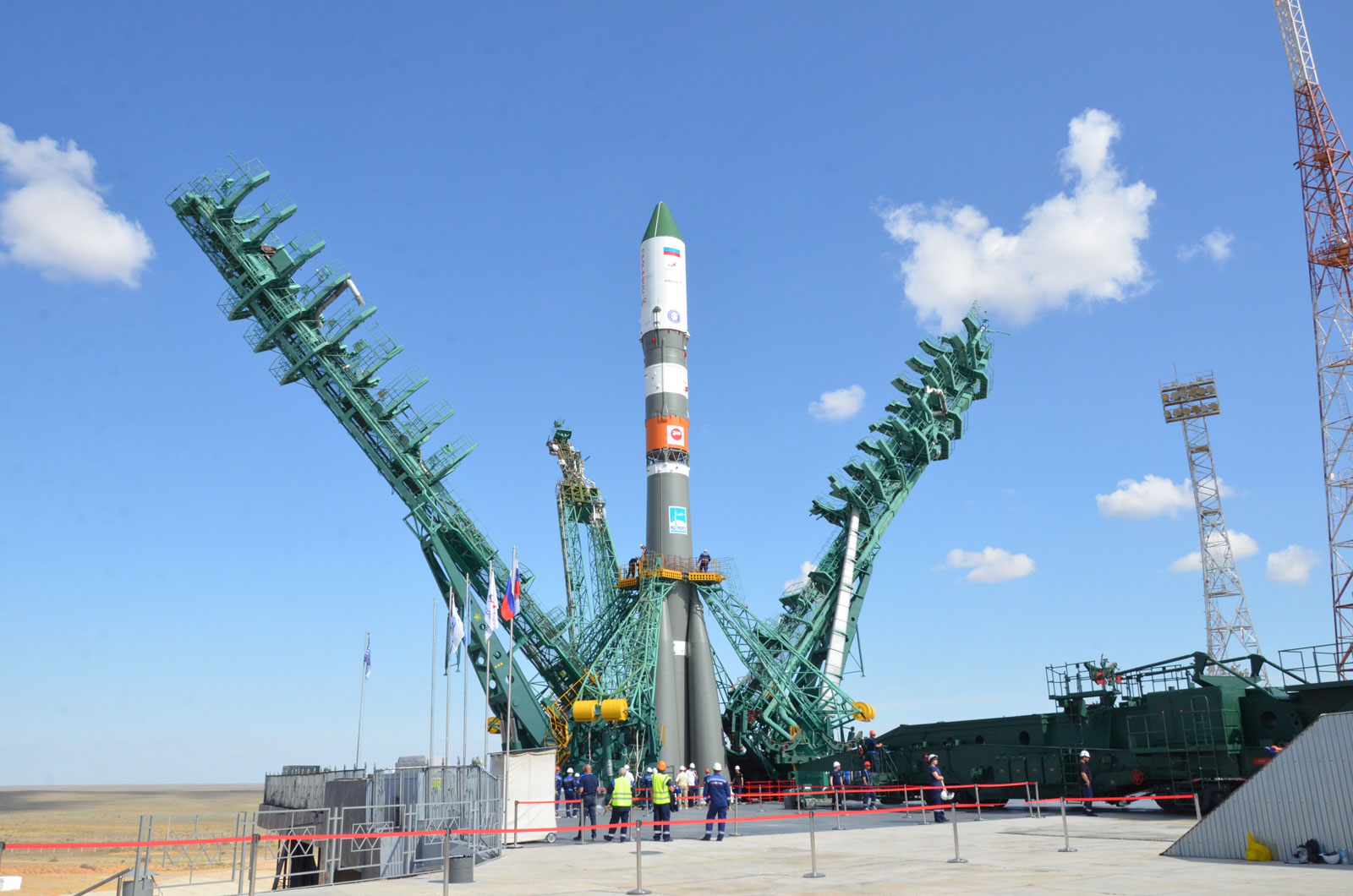
Today's brief highlights significant shifts in military space spending due to the Golden Dome program, the U.S. Space Force's advancements in tactical satellite communications, and NASA's race to nuclear power in space.