

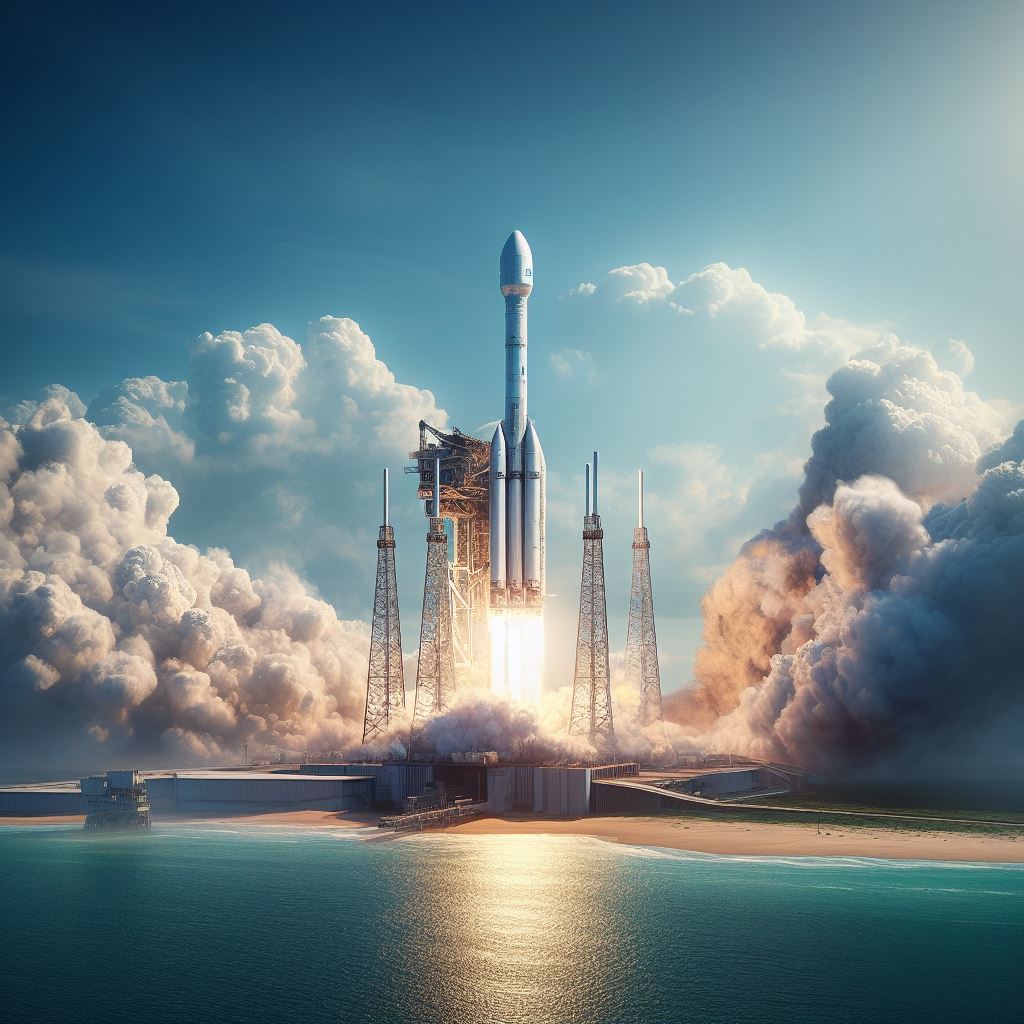
The Rise of Super Heavy-Lift Rockets
Super heavy-lift rockets are the most powerful launch vehicles ever built. They can send humans and cargo to the Moon, Mars, and beyond. But what are they, and why are they so important?


Launch Date
July 8, 1976
Launch Site
AFWTR
Launch Pad
SLC4E
Launch Vehicle
Titan IIID
NORAD ID
09010
International Designator
1976-065D
Decay Date
7/10/1976
Name
TITAN 3D R/B
Alternative Name
Titan 23D-14 Stage 2
Type
Status
Owner
SAMSO
Country
United States
Constellation
N/A
Related Satellites
Major Events
N/A
Length
7.9
Diameter
3
Span
7.9
Dry Mass
2650
Launch Mass
2650
Shape
Cyl
Radar Cross Section
Unknown
Visual Magnitude
Unknown
Color
Unknown
Material Composition
Unknown
Payload
LR91AJ11 23D-14
Purpose
Unknown
Mission
Unknown
Manufacturer
MM
Life Expectancy
Unknown
Bus
Titan Stage 2
Configuration
Unknown
Motor
Unknown
Equipment
Unknown
Power System
Unknown
ADCS
Unknown
Transmitter Frequency
Unknown
Learn more about satellites and other related topics.
Super heavy-lift rockets are the most powerful launch vehicles ever built. They can send humans and cargo to the Moon, Mars, and beyond. But what are they, and why are they so important?
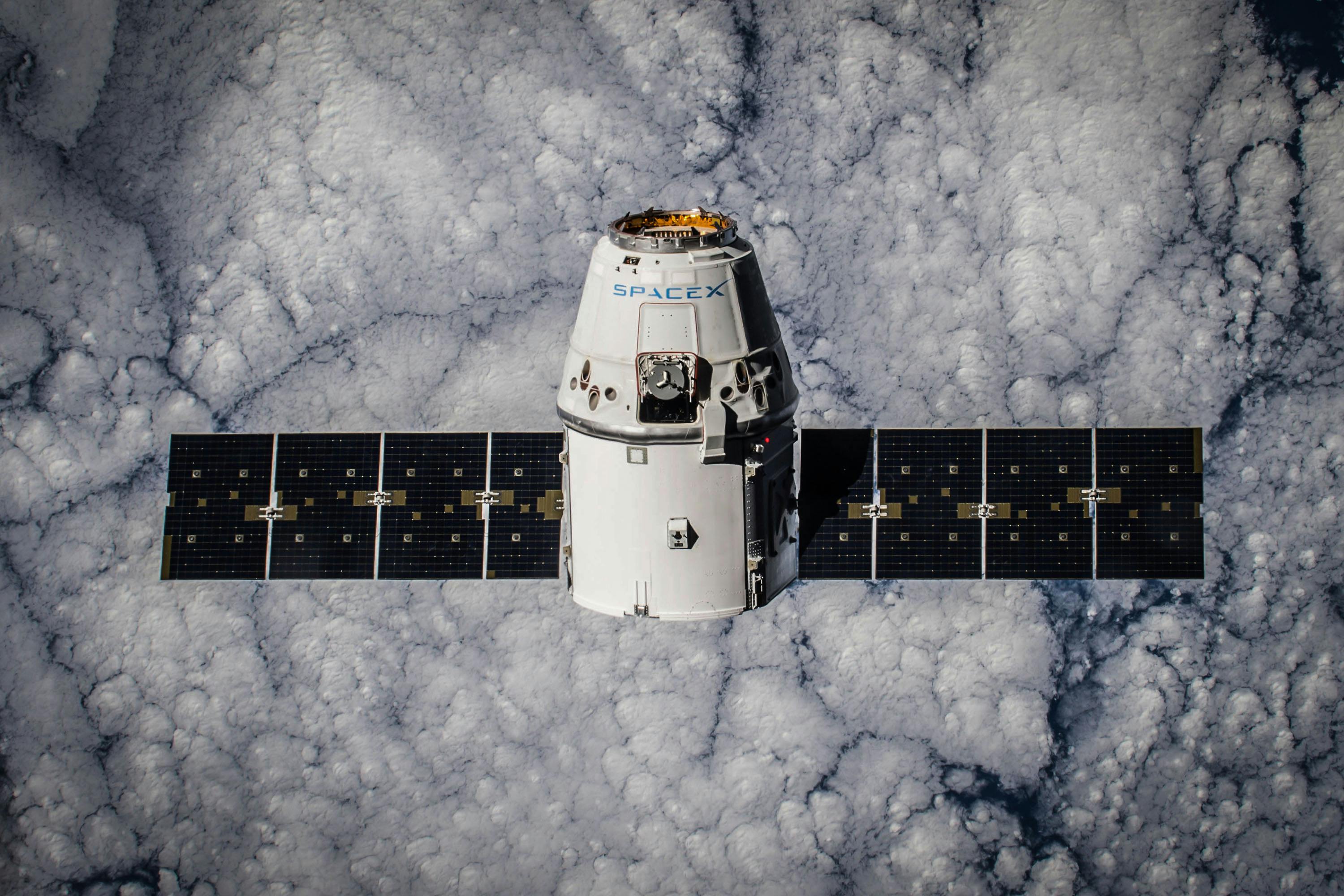
Today's brief highlights the U.S. Space Force's upcoming modular satellite mission, increased military reliance on commercial space intelligence, and the demand for expanded commercial reserve support. Learn more about these advancements alongside our Satellite Spotlight on Yaogan-30 B.
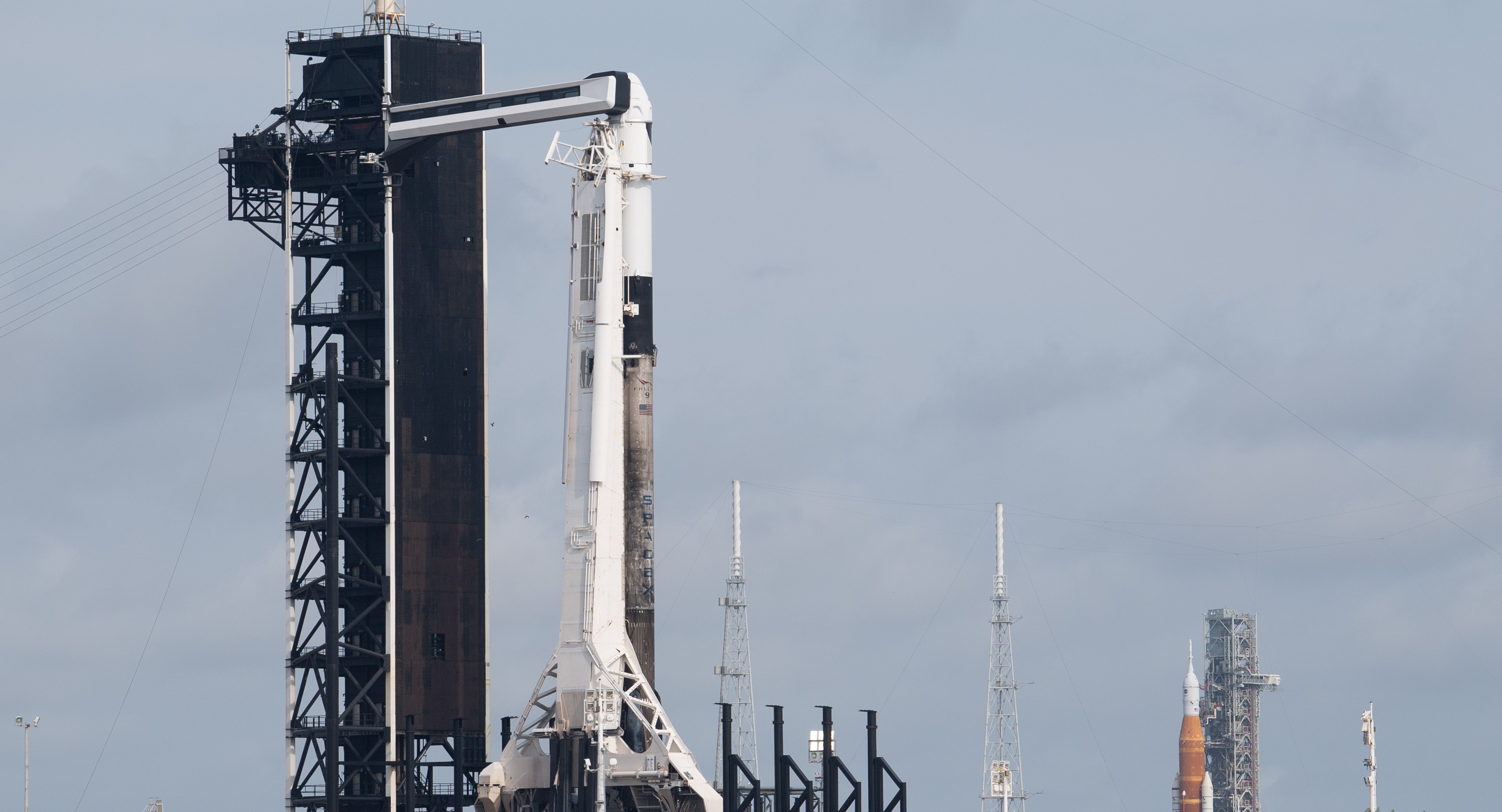
Discover lesser-known aspects of SpaceX's history, achievements, and innovations that have shaped the commercial space industry over the past two decades.

SpaceX faced delays in launching its 10th Starship test flight while successfully deploying a Cargo Dragon to resupply the ISS, marking a significant milestone in the ongoing collaboration with NASA.

Key developments in the space sector include new partnerships for satellite surveillance, strategic shifts from the Defense Department impacting weather forecasting, and the Space Force's focus on agile satellite technologies.
Today's brief covers increased Space Force funding, a renewed focus on nuclear power in space, a proposed US missile defense system, new defense budget revelations, and NATO's call for increased air defenses.
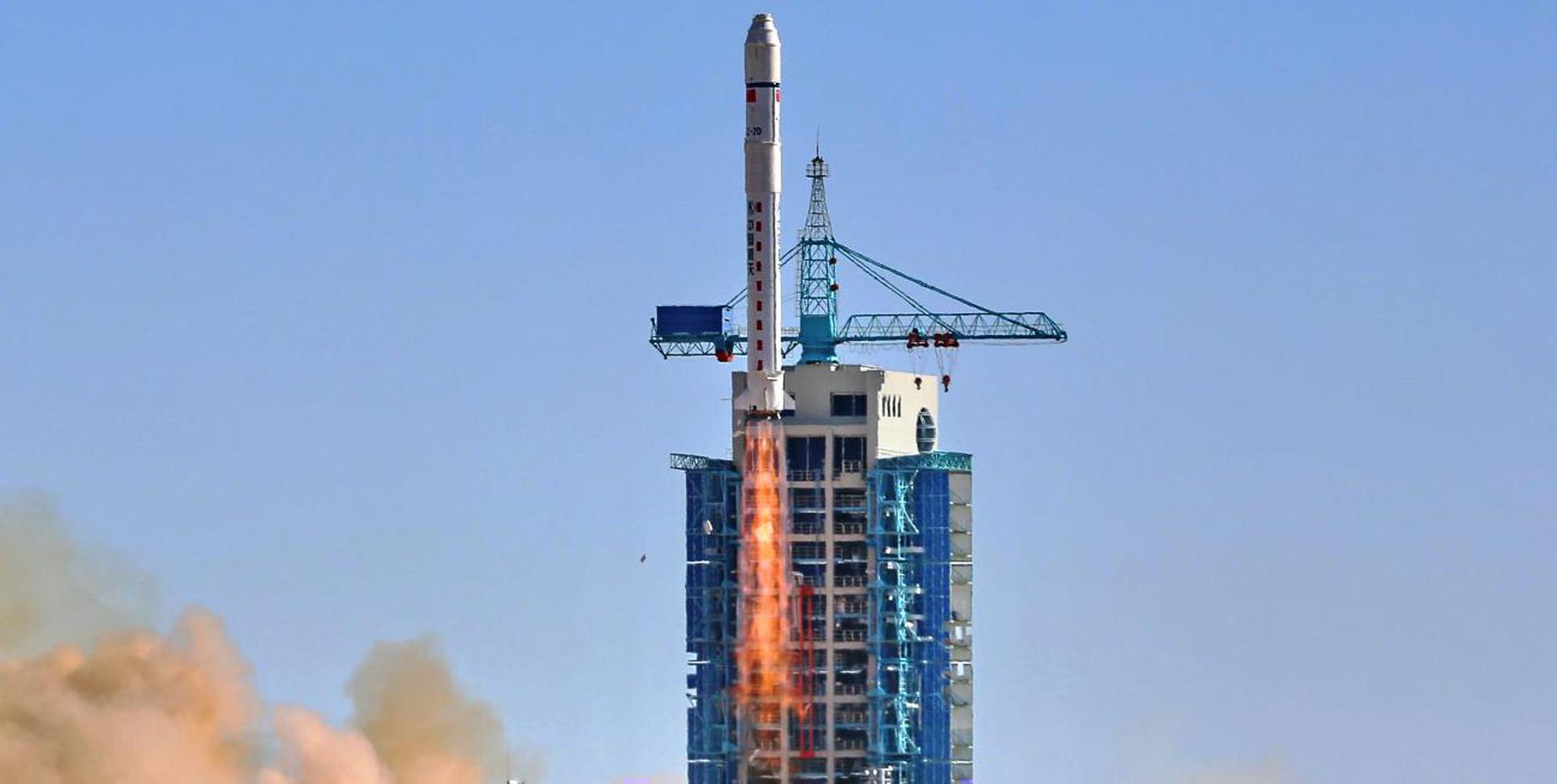
NASA's 590 kg Van Allen Probe A reentered March 10 after 14 years studying Earth's radiation belts. Meanwhile, Boeing Starliner classified as Type A mishap after leaving astronauts stranded on ISS.

SpaceX successfully launched 28 Starlink satellites on October 7, further expanding its broadband constellation while hosting an active launch schedule this week.