


Reentry
What happens when space objects come home: the fiery physics of returning from orbit and why predicting where debris lands is so difficult


Launch Date
August 22, 1964
Launch Site
Launch Pad
LC1
Launch Vehicle
Molniya 8K78
NORAD ID
00898
International Designator
1964-049E
Decay Date
5/7/2004
Name
COSMOS 41
Alternative Name
Blok-L No. R103-36
Type
Status
Owner
RVSN
Country
USSR
Constellation
N/A
Related Satellites
Major Events
N/A
Apologies, there is no summary for this satellite yet. I am working to generate these for every object in the catalog, but it is going to take time.
Length
2.7
Diameter
2.5
Span
2.7
Dry Mass
900
Launch Mass
5000
Shape
Cyl
Radar Cross Section
12.9515
Visual Magnitude
Unknown
Color
Unknown
Material Composition
Unknown
Payload
Blok-L
Purpose
Unknown
Mission
Unknown
Manufacturer
OKB1
Life Expectancy
Unknown
Bus
Blok-L
Configuration
Unknown
Motor
Unknown
Equipment
Unknown
Power System
Unknown
ADCS
Unknown
Transmitter Frequency
Unknown
Learn more about satellites and other related topics.
What happens when space objects come home: the fiery physics of returning from orbit and why predicting where debris lands is so difficult

As Ukraine explores alternatives to SpaceX's Starlink, the potential adoption of Eutelsat OneWeb's satellite network raises critical questions about connectivity, resilience, and strategic autonomy.
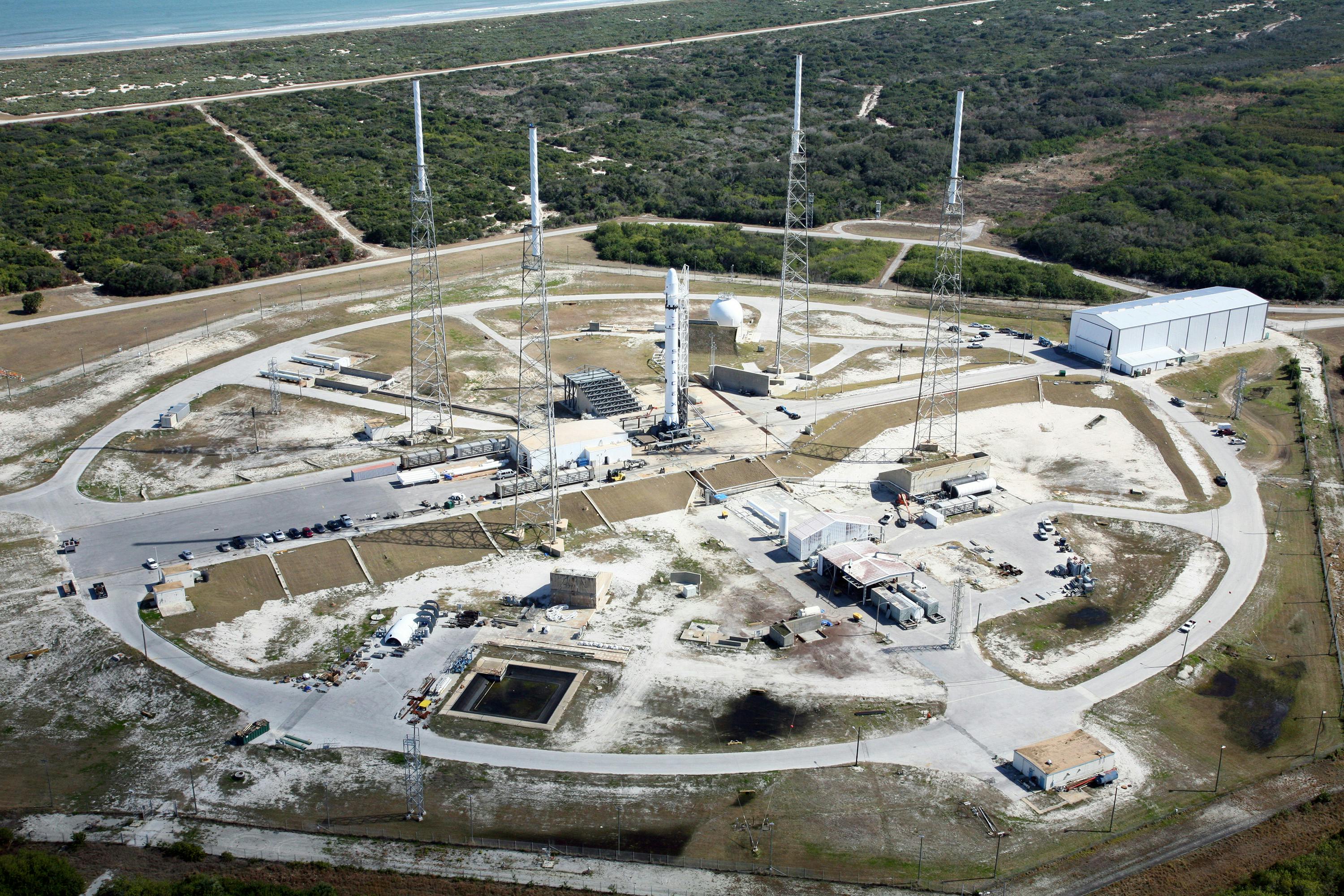
SpaceX's Transporter-17 rideshare carried 81 payloads including history's first nuclear-powered commercial satellite on July 7.

Today's brief explores rising investments in space with defense ties, potential Space Force-NRO coordination, and more, offering insight into current military and defense satellite dynamics.
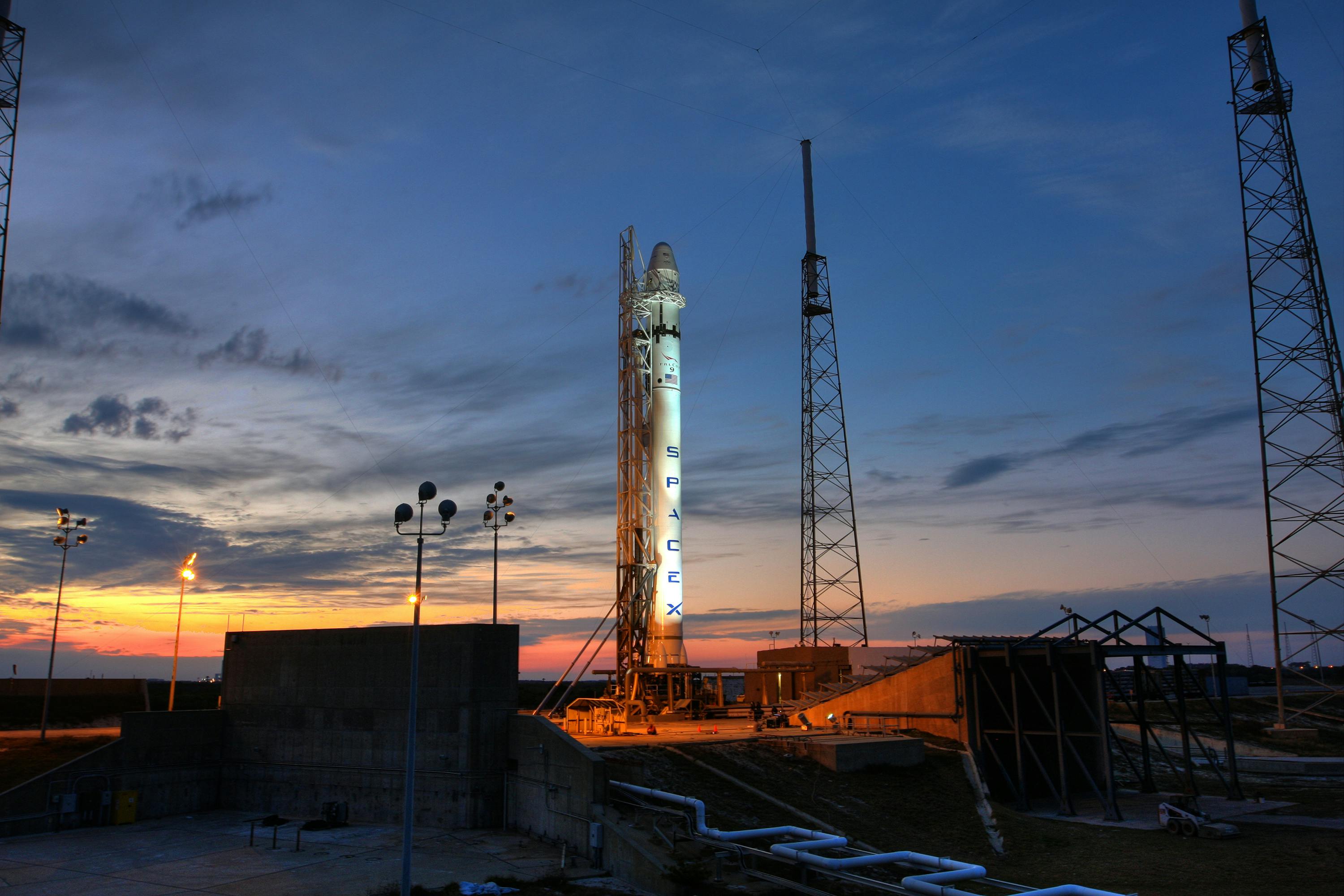
Important updates include SpaceX's $19 billion spectrum deal with EchoStar, a successful super heavy booster test, and recent setbacks in launching due to poor weather.
SpaceX achieves significant milestones with a successful Falcon 9 launch carrying 28 Starlink satellites and receives FAA approval for increased Starship launches, amidst challenges posed by India's new satellite regulations.
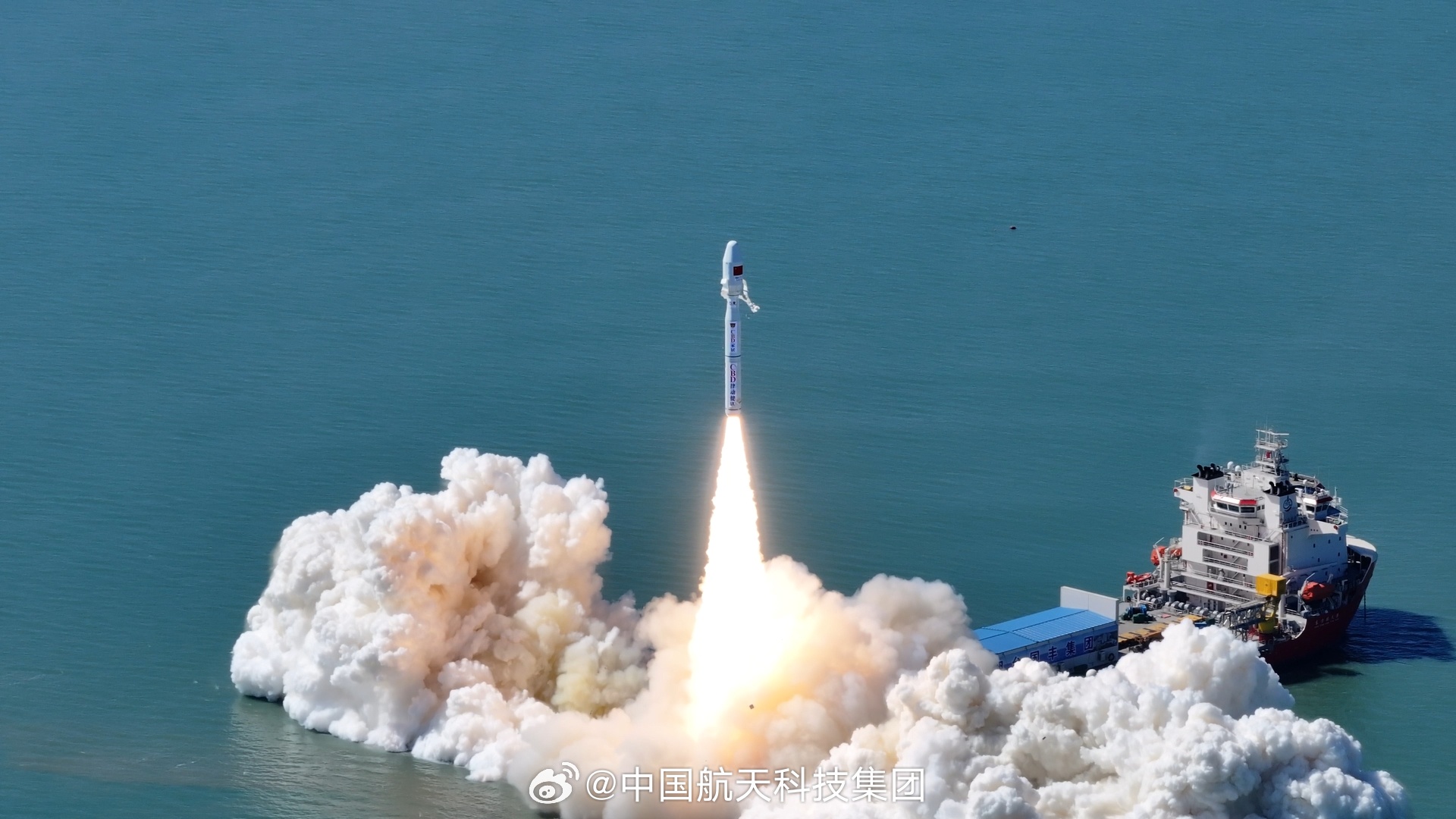
AI tools outperform human planners in Air Force battle management experiment. DARPA pursues quantum computing interoperability. Canada's Atlantic Spaceport Complex gets environmental approval.

ESA-China SMILE spacecraft successfully launched from Kourou to image Earth's magnetosphere. First continuous global views of solar wind interaction now in orbit.