


Space Brief 21 Oct 2024
Today's Space Brief covers SpaceX's recent launch for OneWeb, advances in remote-control robots for lunar missions, the power loss of Intelsat 33e, and developments in inflatable space habitats.



Launch Date
September 14, 1964
Launch Site
AFWTR
Launch Pad
Unknown
Launch Vehicle
Unknown
NORAD ID
00888
International Designator
N/A
Decay Date
9/26/1964
Name
OPS 3497 DEB
Alternative Name
Fairing
Type
Status
Owner
NRO/CIA
Country
United States
Constellation
N/A
Related Satellites
Major Events
N/A
Length
0.8
Diameter
1.3
Span
1.3
Dry Mass
25
Launch Mass
25
Shape
Frust
Radar Cross Section
Unknown
Visual Magnitude
Unknown
Color
Unknown
Material Composition
Unknown
Payload
Fairing
Purpose
Unknown
Mission
Unknown
Manufacturer
LMSC
Life Expectancy
Unknown
Bus
SRV Adapter
Configuration
Unknown
Motor
Unknown
Equipment
Unknown
Power System
Unknown
ADCS
Unknown
Transmitter Frequency
Unknown
Learn more about satellites and other related topics.
Today's Space Brief covers SpaceX's recent launch for OneWeb, advances in remote-control robots for lunar missions, the power loss of Intelsat 33e, and developments in inflatable space habitats.
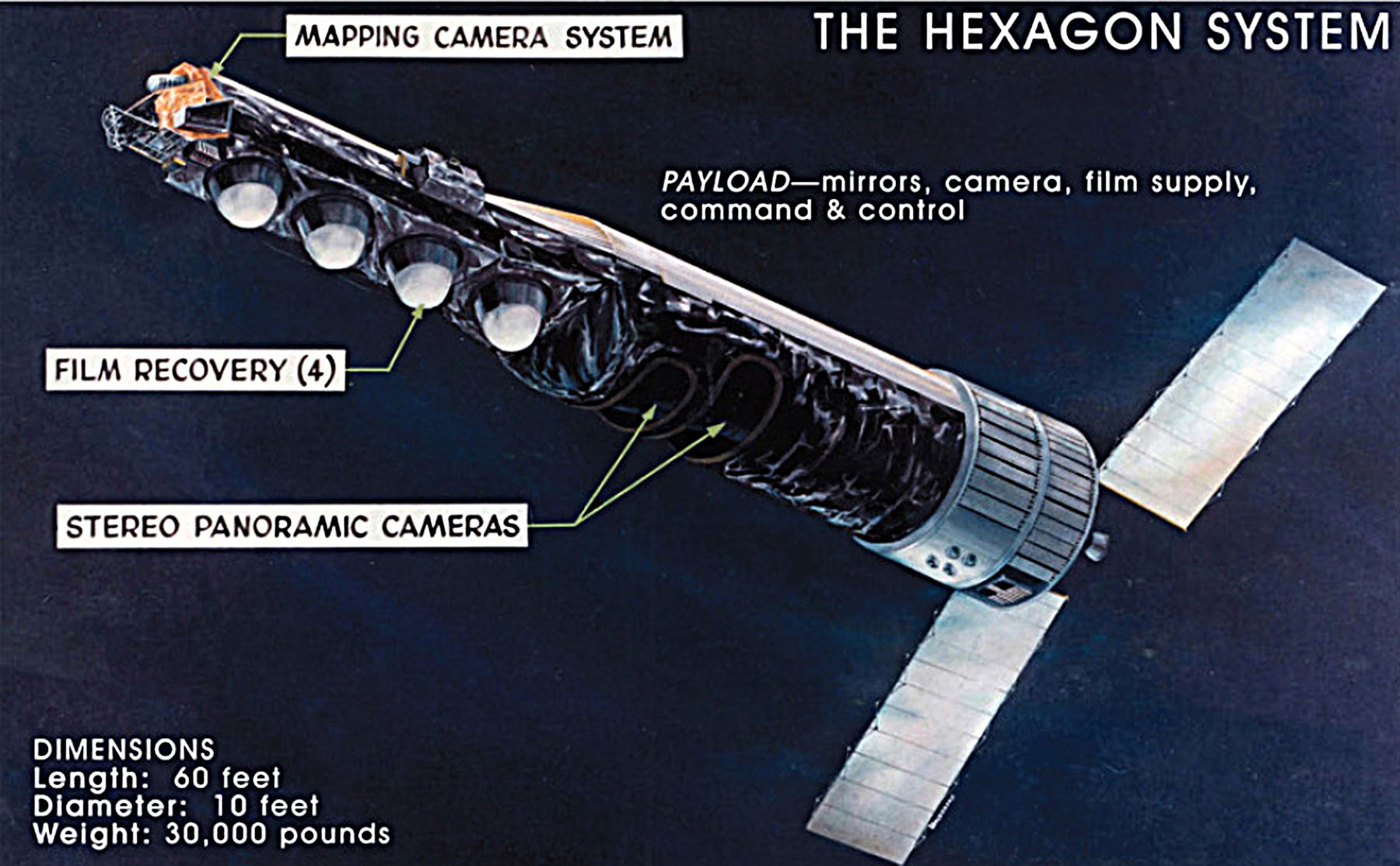
On January 20, 1972, the second KH-9 HEXAGON lifted off from Vandenberg - carrying the most sophisticated reconnaissance system ever built by engineers who weren't allowed to say 'film,' 'camera,' or even talk to each other about what they were doing.

Key developments include political attention on SpaceX's ISS crew return and competition forecasts between SpaceX and ULA for national security missions.

Second Starlink satellite malfunctioned on orbit and generated debris within three months of prior event. Falcon 9 booster completed record 34th mission from Cape Canaveral.

SpaceX launches GPS satellite for Space Force — third consecutive GPS mission reassigned from ULA. Space Force nears selection of next-gen GEO spy satellite contractors. Northwood Space lands $49M deal.

SpaceX gears up for a series of launches, including Starlink deployments, lunar missions, and updates on the Starship program.
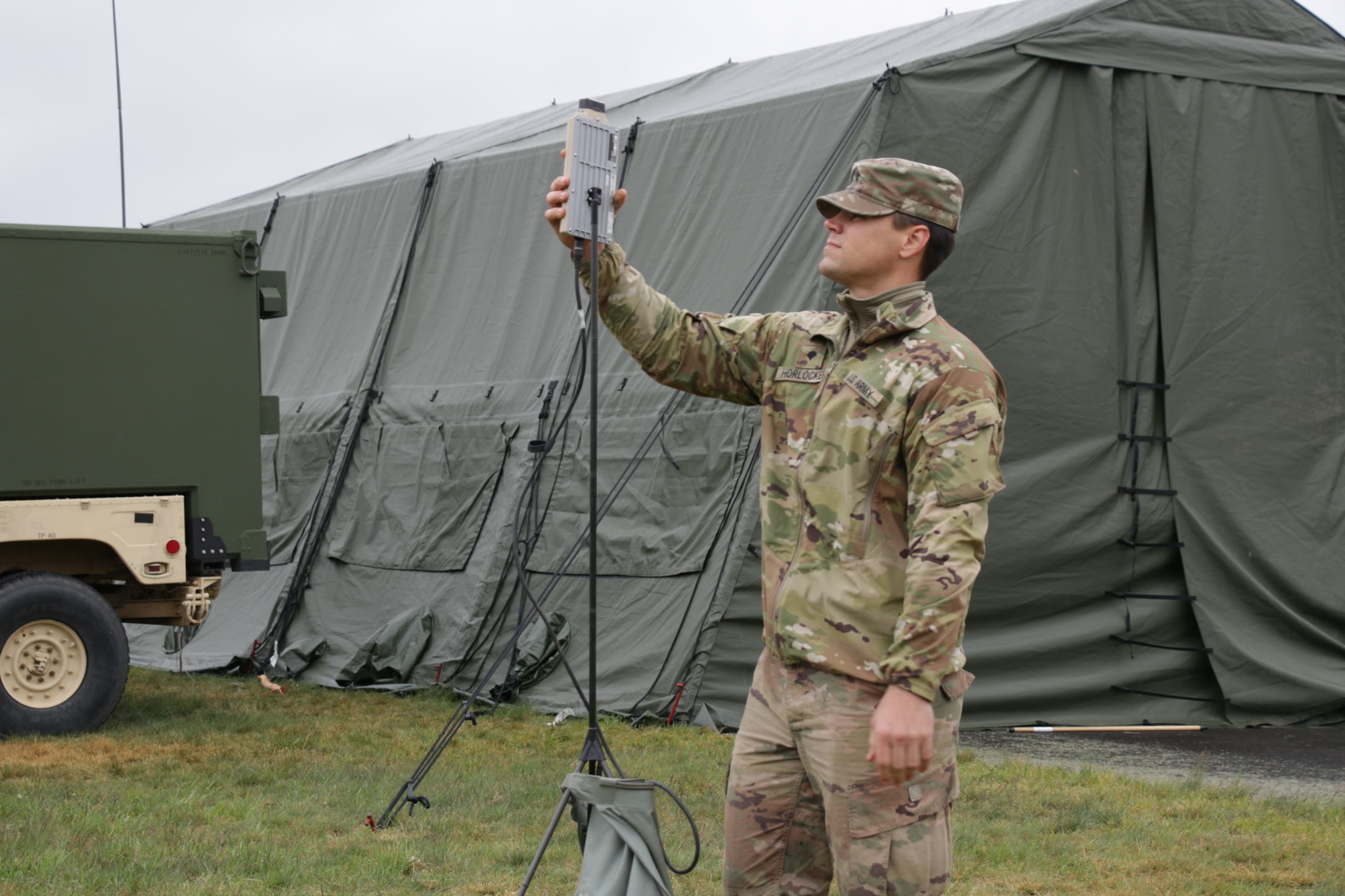
Russia's Volna Kupol Garant electronic warfare system was purpose-built to jam Starlink. It costs around $1.5 million per unit, covers just 20 square kilometers, and can only target one satellite at a time. Ukraine has been finding and destroying them within days of deployment.
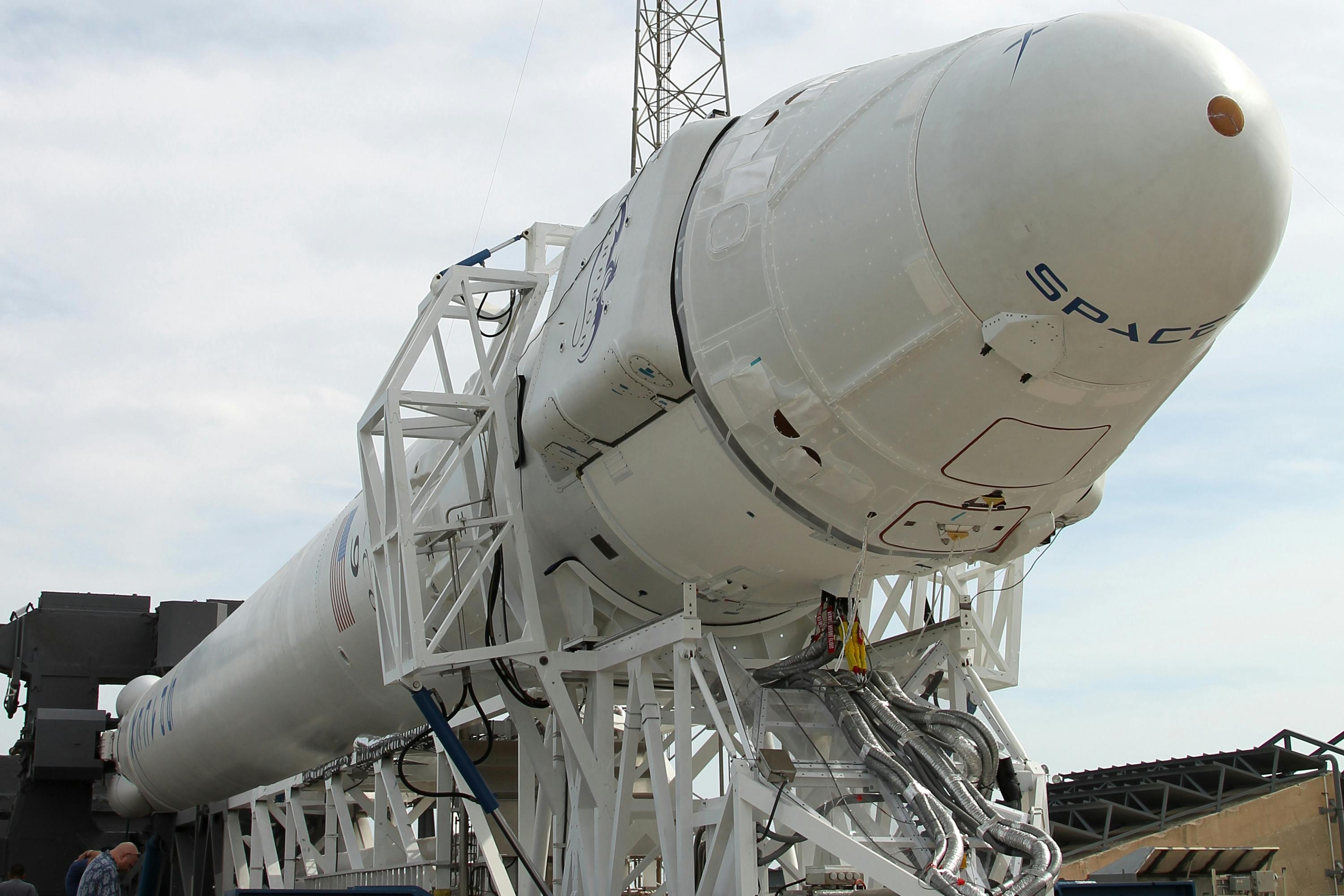
SpaceX successfully launched an Israeli satellite and remains on track for its upcoming Crew-11 mission while continuing to engage in mystery satellite launches.